

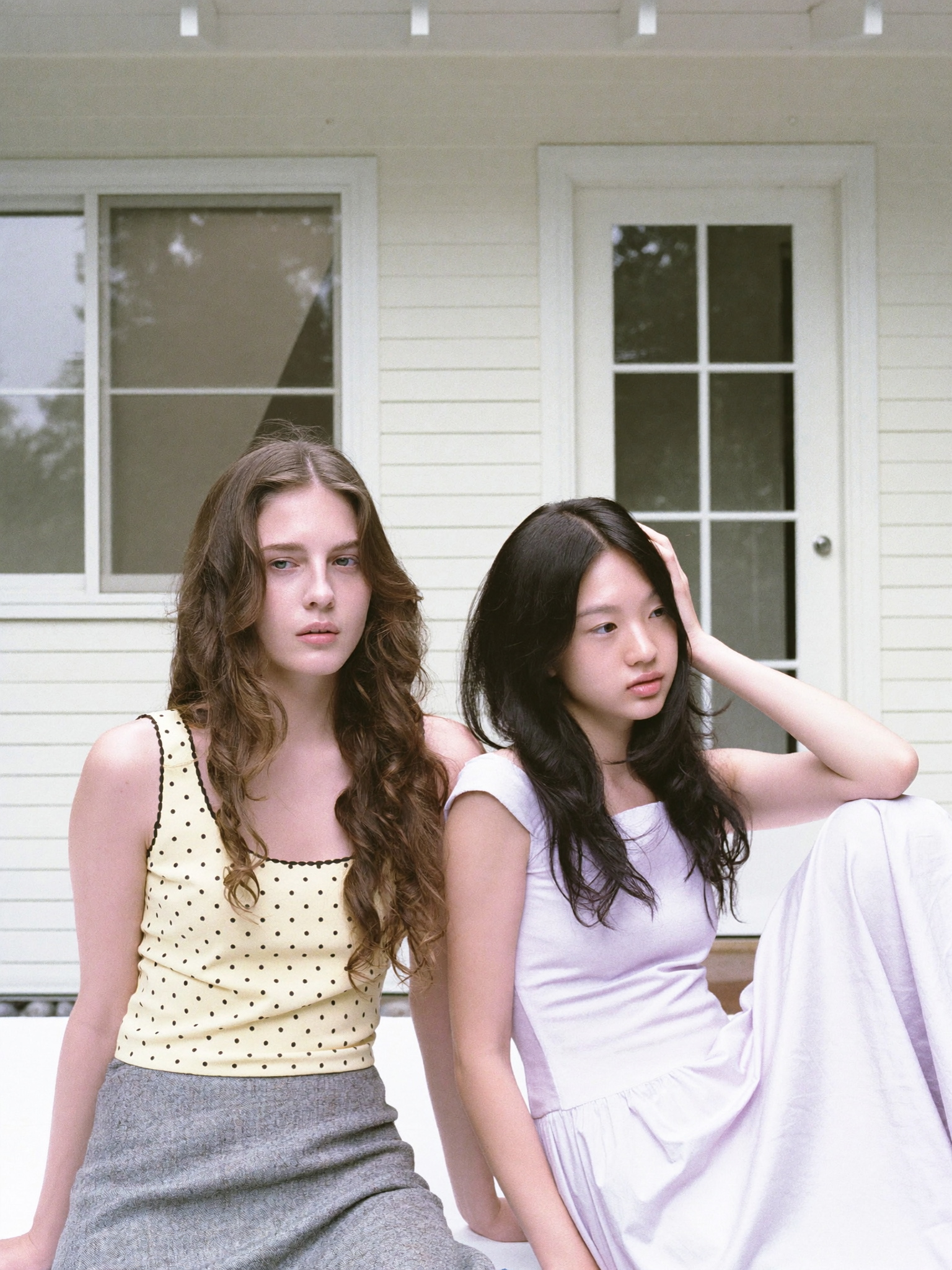
Anyone who has generated AI video for more than a week has met the same frustration: the character looks right in the first shot and completely different in the second. Hair changes, face shape shifts, the costume gains new details. This problem, called identity drift, is the single biggest obstacle between AI creators and real narrative work.
Multi-image fusion is the technique that solves it. Instead of describing a character with words and hoping the model stays consistent, you feed the model several reference images of the same character, and it learns a stable visual identity from them. This guide explains how the technique works, how to choose strong references, and how to build a workflow that keeps characters consistent across scenes, models, and even entire series.
Why Character Consistency Is the Hardest Problem in AI Video
Text prompts are remarkably bad at describing a face. "A woman with brown hair" leaves an infinite number of faces open, and the model picks a different one each time. Even a detailed description drifts, because the model compresses the description differently with every generation.
Consistency matters because audiences are unforgiving. In a narrative, viewers track characters by appearance. If the protagonist changes between scenes, the story breaks, no matter how beautiful each individual frame is. This is why early AI video content was dominated by single-shot clips: they avoided the problem entirely.
The solution is to move from words to images. A reference image carries far more information than a paragraph of text, and multiple references allow the model to extract the stable features: face shape, eye color, hair, costume, posture. That extracted identity becomes the anchor for every generation.
What Multi-Image Fusion Does Differently
Multi-image fusion takes several reference images of the same character and combines their visual features into a single identity representation. The key insight is that it does not average the images, which would produce a muddy blend. Instead, it identifies the features that are consistent across all references and treats those as the character's identity, while allowing details that vary between images to be flexible.
The practical effect is powerful. The character keeps the same face, hair, and outfit across different scenes, poses, and lighting conditions, because the model is anchored to the fused identity rather than to a single lucky generation.
This approach also solves a problem single-reference workflows hit: a character drawn in one style may not translate to another style. Fusion across multiple images, ideally including different angles and different contexts, builds an identity that survives style changes, which is essential when you switch between photorealistic and stylized generations.
Building the Character Kit: References and Reusable Packs
Choosing Strong Reference Images
The quality of your references determines the quality of your consistency. Follow these rules:
- Use the same face. All references must show the same character. Even small differences in age, makeup, or hairstyle confuse the fusion and produce an unstable identity.
- Vary the angles. Include a front view, a three-quarter view, and a profile if possible. More angles give the model a complete sense of the face.
- Vary the lighting. References taken under different lighting help the model separate the face's structure from the lighting of any single shot.
- Keep the outfit consistent. For costume consistency, use references with the same clothing. If the character changes outfits in your story, create separate identity sets per outfit.
- Use high resolution. Blurry or compressed references lose facial details that matter for identity.
- Match the target style. If you want a photorealistic result, use photorealistic references. A stylized cartoon reference will pull the output toward that style.
Aim for three to six strong references. More is not always better: redundant images add noise, while a small set of well-chosen images gives the fusion clean signals.
Building a Reference Pack That Travels Across Models
The best investment you can make is a reusable character kit that works across multiple generators. Build it once, and you can use it with image models, video models, and even different tools without starting over.
Your kit should contain:
- A master character sheet. One image showing the character from the front, in full body, with the primary outfit and neutral expression.
- A face pack. Three to five close-up images from different angles and lighting conditions.
- An outfit set. One image per outfit the character wears in your project.
- A style guide text file. A short description of the character's fixed attributes, written so you can paste it into prompts: hair color, eye color, skin tone, build, signature items.
Keep this kit in a dedicated folder and version it. When you update a character, update the kit, not just the current project. Over time, this kit becomes your studio's character library, and every new project starts faster.
Step-by-Step Workflow for Consistent Characters
Here is the workflow that works across the most common tools.
Step 1: Define the character. Write the one-paragraph description and collect or generate the reference images. Generate references with a consistent prompt until you have a set you like.
Step 2: Build the fusion. Use the multi-image fusion feature of your chosen platform, or run the reference set through an image model that supports reference inputs. Generate a test image of the character in a new pose to verify the identity is stable.
Step 3: Lock the identity. Once the fusion is stable, save it as a reusable asset. Do not rebuild it for every shot.
Step 4: Generate scenes with the locked identity. For each scene, use the fused identity plus a scene-specific prompt describing the action, location, and mood. Keep the character's fixed attributes out of the scene prompt; they are already handled by the identity.
Step 5: Review for drift. Check each output against the master character sheet. Small variations are fine; large drift means the identity needs rebuilding or the prompt is fighting it.
Step 6: Establish a look book. Save the best output from each scene as a reference for the next scene. This creates continuity that the model can also learn from.
Tuning Consistency vs Creative Freedom
Consistency is a dial, not a switch. The right setting depends on your project.
- Narrative series need high consistency. Characters must be recognizable episode after episode. Use a strong fused identity, keep the fixed attributes locked, and accept less variation in expression and pose.
- Brand mascots need very high consistency. The mascot is the brand; drift is unacceptable. Use the strictest settings and a tight reference pack.
- Exploratory or mood content can tolerate lower consistency. If the goal is atmosphere rather than character storytelling, allow more freedom to get more expressive results.
Most tools expose some control over how strongly the identity influences the output. Start with a middle setting, test, and adjust. If the character looks identical in every shot, you may have over-constrained it; if it drifts between shots, tighten the setting.
Using Fusion Across Different Generators
The same reference pack works across different tools, but each tool implements reference handling differently. Some accept multiple images directly, others accept a single fused image, and still others use textual description plus an image. Learn the input format of each tool and adapt.
A common hybrid pattern: generate the character's canonical look with an image model that supports strong reference control, then use that canonical image as the starting frame for video generation, where you control the motion. This gives you the best of both worlds, a precisely controlled identity from the image model and a moving scene from the video model.
For video series, generate each scene from a consistent starting frame of the character. The video model keeps the look stable for the duration of the clip, and your identity control ensures the starting frame is consistent across all scenes.
Common Pitfalls and How to Fix Them
- References from different people. Even subtle differences create a blended face that matches nobody. Audit your reference set before fusing.
- Inconsistent outfits. If the character changes clothes between references, the fused identity gets confused. Separate identity sets per outfit.
- Over-describing in the prompt. If your scene prompt describes the face in detail, it can fight the fused identity. Remove facial descriptions from scene prompts.
- Style mismatch. A photorealistic identity used for a stylized scene produces a strange hybrid. Keep the style consistent between references and targets.
- Skipping the test. Generating a full scene before testing the identity in a new pose wastes time. Always run one test generation first.
Putting It All Together: Scenes, Casts, and Series
Case Study: Building a Three-Scene Series
To see the whole system in action, walk through a small project: a three-scene story about a courier delivering a package through a rainy city.
Scene one, exterior wide shot. The courier walks down a street, rain falling. You use the fused identity plus a scene prompt describing the street, the rain, and a slow tracking shot. The character's face is small, but the outfit and build keep the identity readable.
Scene two, interior close-up. The courier hands over the package. This scene depends on the face and hands, so the identity control matters most here. Because the fused identity anchors the face, the close-up matches the wide shot. If you had described the face only with text, the model would almost certainly have drifted.
Scene three, exterior follow. The courier leaves, seen from behind, crossing the street into the distance. The character is distant, so consistency comes from the outfit and silhouette, which the reference pack locks down.
Across the three scenes, the workflow stayed the same: locked identity, scene-specific prompt, test frame, full render, look-book review. The result is a short sequence that reads as one continuous story instead of three unrelated clips. That is the difference character consistency makes, and it is the difference between one-off content and content audiences follow.
Working with Multiple Characters
Series rarely contain one character. When several characters must stay consistent and share the screen, the workflow scales, but it needs a little more structure.
- Build one identity per character. Create a separate reference pack and fused identity for each main character. Never mix their references.
- Name the characters in every prompt. Use a consistent name or role label for each character, and always include it. The model learns to associate the name with the identity.
- Establish the relationship first. Before a two-character scene, generate a still of both characters together, so the model sees their relative size, position, and style in one frame.
- Keep the cast small. Every additional character multiplies the chance of drift. Introduce characters gradually and keep a single hero character for most scenes.
- Use a cast sheet. Maintain one document with all character identities, outfits, and relationship notes. It becomes the reference for the whole project team.
Multiple-character consistency is the advanced level of this craft. Start with one hero character, master the workflow, then expand the cast one character at a time.
Frequently Asked Questions
How many reference images do I need? Three to six well-chosen images are usually enough. Quality and variety matter more than quantity.
Can I use AI-generated references? Yes. Generate a character with an image model until you are happy with it, then use those outputs as references for fusion. Many creators build characters this way.
Will the character stay consistent if the model updates? Model updates can change behavior, which is why you should keep your reference kit versioned and retest after major updates. The kit itself remains valid; only the settings may need tuning.
Does fusion work for stylized and anime characters? Yes, with references in the matching style. Anime faces are often more standardized, which can make consistency even easier.
What if my platform does not support multi-image fusion? Generate a canonical image of the character, then reuse that same image as the reference or starting frame for every generation. It is less flexible but still effective.
Building a Consistent Character Pipeline
Character consistency is the difference between one-off clips and real storytelling. Multi-image fusion gives you a reliable method, but the system around it matters just as much: a versioned character kit, a locked identity asset, a look book, and a review step for every scene.
Build this pipeline once, and every future project becomes faster. You will spend less time fighting drift and more time directing scenes, which is exactly where creative energy should go. That is the real reward of mastering character consistency in AI video.
