
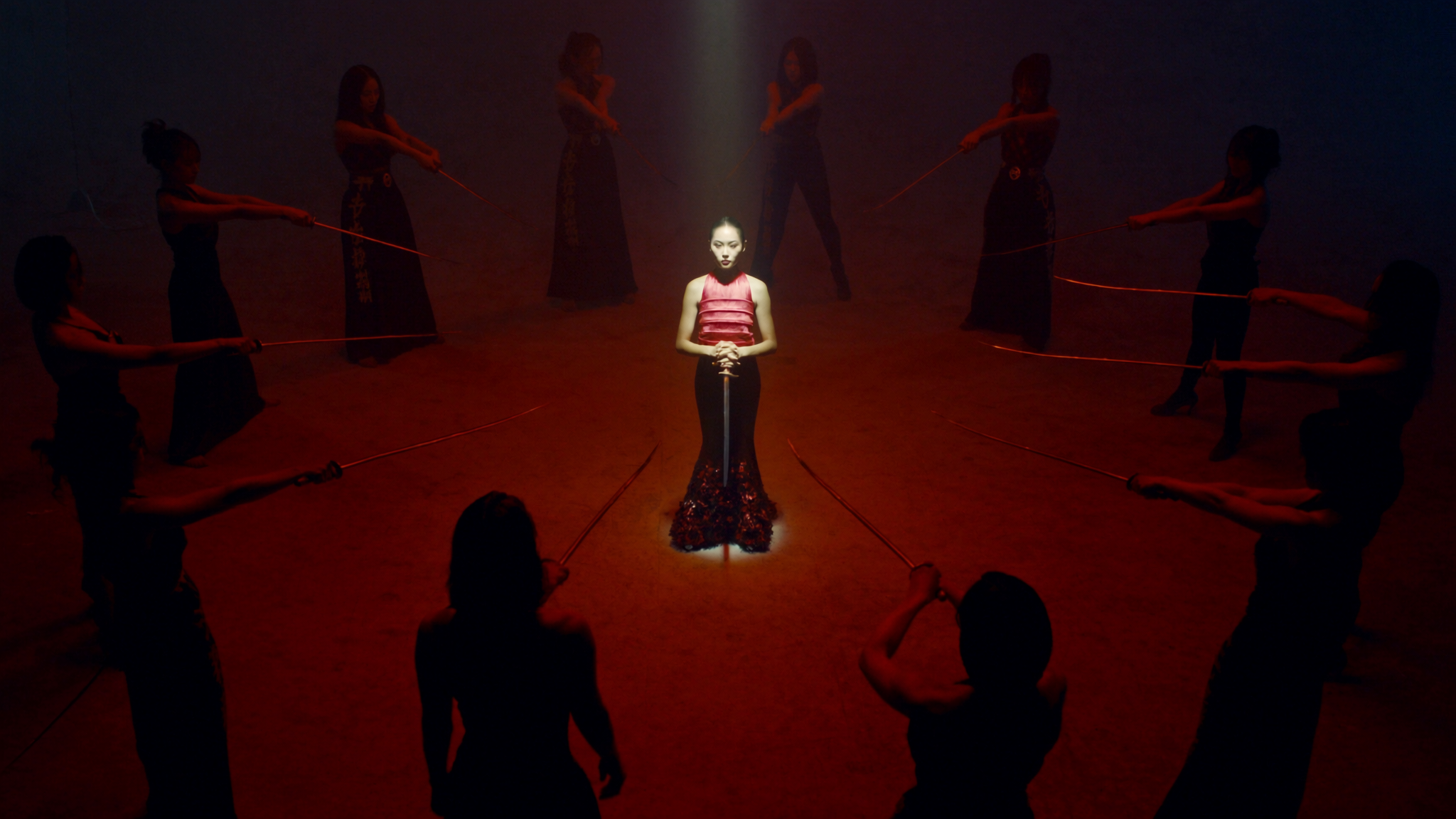
If you have ever generated a character in one shot, then tried to reuse that same character in the next scene, you already know the exact frustration. The face is close but not identical. The coat changes shade. The hair suddenly means something else. This is character drift, and it is the single most reliable reason AI video looks cheap, no matter how beautiful any individual frame is. The good news is that drift is not an unsolvable model limitation. It is a workflow problem, and workflow problems have fixes.
This guide explains why characters drift, then shows you the practical techniques for keeping a face, wardrobe, and style stable across a whole project. The centerpiece is multi-image fusion, a method that grounds every generation in reference imagery instead of trusting a verbal description to do the heavy lifting. By the end you will have a repeatable pipeline that treats consistency as a production property rather than a lucky accident.
Why Characters Refuse to Stay the Same
A generation model creates each request as a fresh sample of what it believes your prompt means. It does not remember the previous shot. If you describe a woman in a red coat today and again tomorrow, the model does not compare the two outputs against each other; it re-samples what "a woman in a red coat" could look like. The more loosely a detail is specified, the more the output varies.
Natural language is the weak link. A description is lossy by nature. Saying "curly brown hair" leaves the exact curl, the shade, the part, and the length unspecified. Across multiple generations, each of those unspecified axes drifts a little, and a little drift on ten axes compounds into a stranger. Tonal variation, different camera angles, and a change of lighting make the drift worse, because each new condition re-samples the identity from scratch.
Compounding this, commercial deadlines push people toward speed. Faced with the choice between one more cautious attempt and shipping, most people ship. The result is a catalog of near-identical strangers instead of one reliable character.
Understanding the Failure Modes
Drift does not appear evenly. It announces itself in a handful of predictable places, and knowing them tells you what to watch for and what to lock down first.
Faces are the most sensitive. The eyes, the hairline, and the proportions of the jaw are the first things to change between generations, because they carry the most identity information and the most detail. If a face drifts, everything else standing out is secondary.
Wardrobe is the second tell. A coat that shifts color, a pattern that changes, a hem that moves all break continuity even when the face is fine, because clothing is a strong visual anchor for the eye.
Body and scale are third. A character whose proportions or size in frame change from shot to shot reads as a different person regardless of the face. Locking the full-body reference stabilizes this more than any single word in your prompt.
Lighting and grade are fourth, but as a style issue rather than an identity one. A character that stays identical but suddenly sits in different-colored light across shots feels equally broken. Consistency means holding the whole look, not just the geometry of the face.
What Multi-Image Fusion Actually Does
Fusion is the technical term for combining multiple input images into a single generation context. Instead of handing the model words and hoping, you hand it pictures, several of them, and let it derive the identity from the imagery itself.
In practice a character set might include one clean portrait, one full-body shot for the wardrobe, one close-up for the face and hair, and possibly a separate image that locks the color palette or the lighting. The model reads across all of them, finds the stable points, and carries those into the new shot. Because the identity is defined by pixels rather than adjectives, the result holds together far better than text alone.
Fusion shines exactly where text fails. Changing the camera angle, moving into a new lighting condition, or switching between models becomes far less disruptive when every scene inherits the same reference base. It is not magic, and it is not perfect, but it moves consistency from "matter of luck" to "matter of setup."
Building a Reliable Character Reference Set
The quality of your fusion is set the moment you choose the references. A good set is redundant, specific, and stable.
Start with a front-facing portrait where the face is in sharp focus and neutral light. This is the identity anchor, the image every other reference should agree with. Add a three-quarter view so the model understands the face in three dimensions, then a full-body shot to lock body proportions and the exact outfit. If the character will be seen in a specific place or under specific light, include a location and lighting reference as well.
Ask a few practical questions while you gather references. Is the portrait sharp enough to define the face? Do the images agree on the essentials of hair, skin tone, and build? Is the wardrobe shot complete enough that the model reads the whole outfit, not just a glimpse? The answers catch most weak sets before they waste your time downstream.
Keep the set small and consistent. Three to five well-chosen images give the model structure without overwhelming it. Avoid mixing references that contradict each other, such as two portraits with visibly different hairstyles, because the model cannot know which one you meant and will blend them into a muddle.
Write a short identity card alongside the images: a one-paragraph note naming the hair, eyes, build, wardrobe, and the two or three mood words that define the character. Use that exact wording in every prompt. The images anchor the look; the card keeps the verbal framing stable so nothing introduces a contradictory idea later.
Establishing a Baseline and Testing It
Before you build a whole scene, prove that your reference set works. Generate the same character in three different situations: a close-up, a wide shot, and a profile angle. Lay the results side by side and ask a single question: would a stranger believe these are the same person?
If the answer is no, change one thing and repeat. Shift the reference set, tighten the identity card, or restrict the camera words. The goal of this drill is to hit a baseline where the face, hair, and wardrobe hold across condition changes. Only once that baseline holds should you scale the character out into a full multi-scene project.
This testing step is the closest thing the craft has to a safety rail. It costs a little time up front and saves enormous time later, because it catches the problem while it is still one character and not twenty scenes to fix.
Locking Style Rules Across a Series
A character existing is not the same as a series existing. Series consistency asks two more things of you: a locked visual style and a locked set of rules the whole team follows.
Style covers the look of everything else in the frame, not just the subject: the color grade, the light softness, the level of realism, the amount of grain. If every generation starts with the same style references and the same palette words, the individual shots will combine into a coherent whole even if they were generated on different days.
Rules cover the process. Decide in advance how you name wardrobe, how you describe lighting, and how many camera angles are allowed per scene. Write these rules where everyone can see them. When five people are generating assets, it is the shared rules, not shared talent, that keep the series from splitting into five different looks.
Locking the rules also means resisting the temptation to switch models haphazardly mid-project. If you move from one generator to another, re-establish your baseline after the switch, because a new model will interpret your references and identity card in a new way.
Common Consistency Workflows
There are a few proven pipelines, and which one you choose depends on the fidelity you need.
The lightweight route is a single reference image plus a strong, repeated identity card. It works for solo creators doing short content where drift is tolerable. It is fast, but it is also the least stable, so budget for occasional point fixes.
The workhorse route is a small reference set fused at the start, identity card locked, and a baseline test before the main batch. This is the toolkit for series, mascots, and anything with a recurring character. It balances speed with reliability and is what most professionals reach for.
The heavy route adds keyframing and per-scene art direction. You define first and last frames of a transition, control exact wardrobe changes, and use an explicit cinematic direction layer. This is for higher-budget narratives, commercials, and anything where a single tell would sink the piece.
Choose the lightest route that satisfies your audience. Over-engineering consistency on disposable content wastes time; under-engineering it on an anchor piece wastes the piece.
Integrated Creators, Backup Plans, and Review Habits
Consistency is best treated as an ongoing habit rather than a one-time setup. Build small review steps into the schedule so drift is caught at the edge rather than discovered across the whole project.
Add a visual checklist to your review pass. Confirm the face details, the wardrobe, the body scale, and the overall grade before you accept any shot. A short list repeated every time trains your eye and catches drift in time to fix it cheaply.
Keep a backup identity set. If your character changes costumes or appears in a different season, archive the original set and build the new one from the same base portrait so the identity never silently forks.
Re-verify at milestones. Whenever you switch models or make a drastic change in light or setting, rerun the three-angle test rather than assuming the setup still holds. This small ceremony prevents the biggest consistency accidents.
A Practical Multi-Image Workflow, End to End
Here is the whole method as a sequence you can start using immediately.
- Write the identity card. Name hair, eyes, build, wardrobe, and mood in one consistent paragraph.
- Gather the reference set. Front portrait, three-quarter view, full body, and a location or lighting reference.
- Test the baseline. Generate a close-up, wide shot, and profile. Confirm they are recognizably one person.
- Lock the style and rules. Fix the grade, light, and vocabulary, and agree on the process if others are involved.
- Generate the project. Use the same references and identity card in every prompt.
- Re-verify at milestones. When you switch models, styles, or add a drastic new condition, rerun the three-angle test before continuing.
- Fix drift as a batch, not as a fire drill. When identity slips, adjust the reference or card and regenerate the affected scenes together so they stay aligned.
Frequently Asked Questions
How many images do I actually need?
Three to five that agree on the identity is a practical sweet spot. More images help only if they add new useful information; extra contradictions just add noise.
What if my only source is a single photo of the character?
You can start from one good portrait and let the fusion build the rest, but test the angles early. If only one angle holds, lean on it and restrict the camera language to poses that preserve it.
Does switching models undo my consistency work?
It can. A new model reads your references and card in a new way, so re-establish the baseline after any switch before you keep producing.
Is character consistency possible in stylized or animated styles?
Yes, and it often holds even better than photorealism because the style reduces the realistic detail that drifts. The same reference-and-card method applies.
Where does consistency actually break down?
Mostly at condition changes: new angles, new light, new wardrobe, new models. These are exactly the moments the reference set and baseline test are designed to de-risk.
Final Summary
Character drift is not a mystery and not a model failure; it is the predictable result of describing identity with words instead of pixels. Multi-image fusion fixes the mechanism by grounding every generation in reference imagery, and a disciplined workflow seals it. Build a stable reference set, write a locked identity card, prove the baseline, and reuse both relentlessly across the project. Treat consistency as a review habit you repeat, not a one-time setup, and your characters will finally survive the jump from one shot to the next.
