
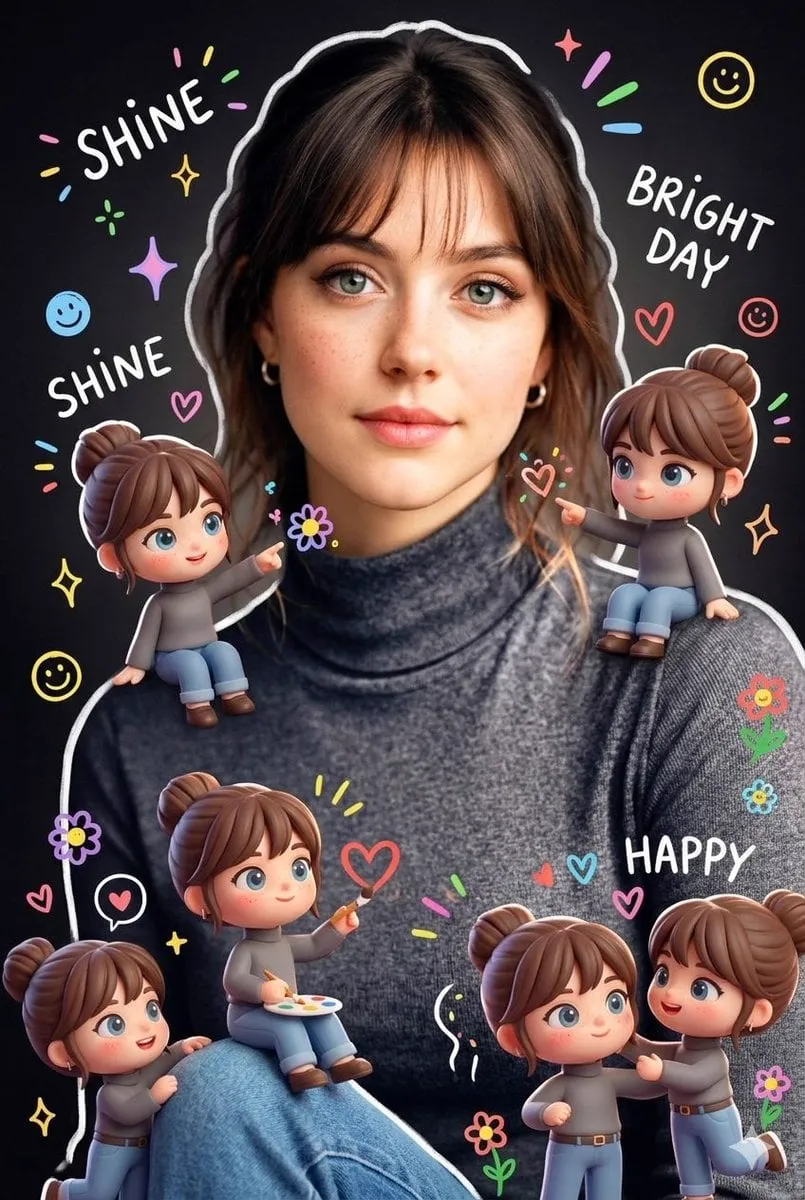
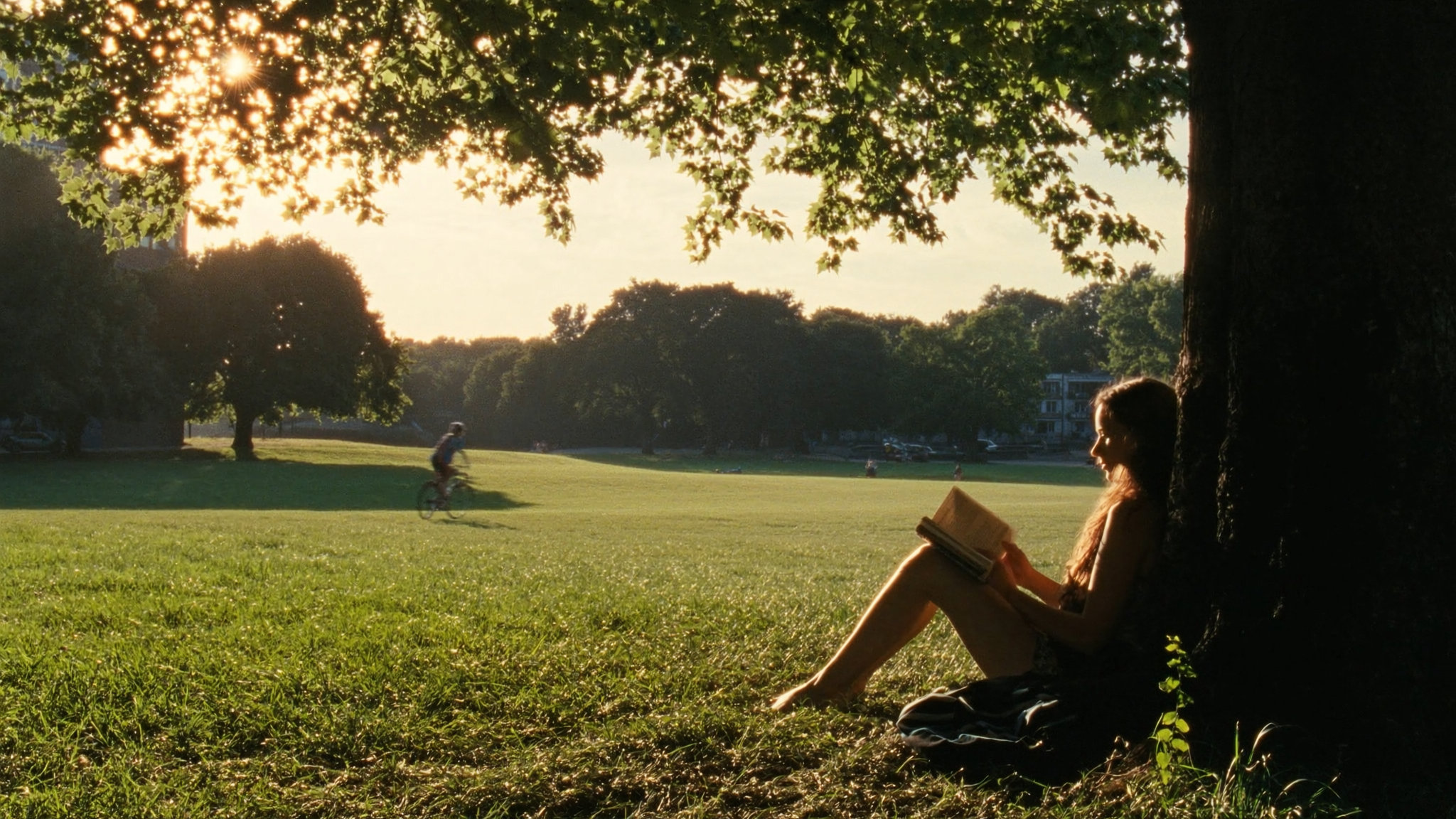
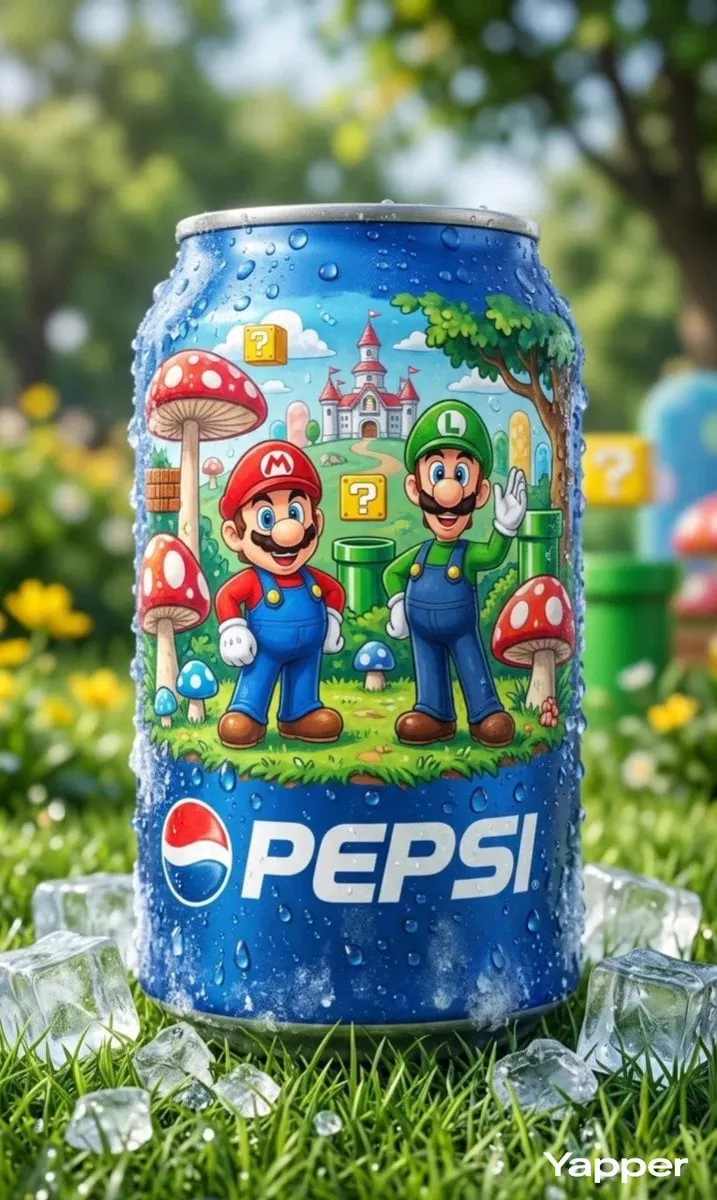
Character consistency is the single most frustrating problem in AI video production. You spend hours crafting a character, and then the moment a new scene starts, their face subtly changes, the jacket gets a different collar, or the hairstyle quietly shifts.
It is not a cosmetic issue. A viewer who does not consciously notice the drift still feels it. In a narrative-driven project, drifting characters break immersion faster than almost anything else, and across commercial work they can make a brand feel untrustworthy. The good news is that the problem has a concrete technical explanation and a concrete set of fixes. One of the strongest approaches to come out of recent AI video tools is multi-image fusion, a technique that anchors a character to multiple reference frames at once instead of relying on a single textual prompt.
This guide explains why character drift happens, how multi-image fusion works under the hood, how to build a reliable reference set, and how to fit these techniques into a real production workflow. It is written for creators who are already comfortable generating video with AI but are tired of fighting consistency problems.
Why Character Drift Keeps Happening
To fix drift you first have to understand where it comes from. Most text-to-video and image-to-video models treat generation as a series of loosely connected image samplings rather than one continuous world simulation. Each frame is produced with the aid of the surrounding context, but the model never really commits to a unitary identity for the character it is drawing.
The frame-dependence problem
When a model generates a video, it conditions each output frame on the frames that came before it and on the embedding derived from your prompt. This works well for rough coherence, but it is fundamentally different from rendering a character with a predefined 3D model or sprite sheet. There is no shared identity record. The network has only a statistical sense of what a person in a red jacket and dark hair should look like, and that sense wobbles across the sequence.
The result is what animators call character drift. A visual feature that was firmly established in scene one, say a specific scar or a particular shade of hair, becomes ambiguous by scene three and unrecognizable by scene ten.
Why text prompts are not enough
Many creators try to solve drift by writing extremely detailed prompts: a precise outfit, a specific camera description, a color palette. This helps in the short term, but it has a hard ceiling. Language is lossy. The words "short black hair" leave an enormous amount of ambiguity, and two different renders will interpret that same phrase in two different ways. Text can describe a character, but it cannot pin down the specific pixels that make that character visually unique.
A prompt also has to carry twice the computational load. It must describe both the scene and the character at the same time, and the model has to decide how much attention to give each. The moment the prompt gets crowded, scene detail wins and the character is approximated loosely.
The cost of inconsistency
Inconsistency is not just an artistic annoyance. It has measurable consequences:
- Audience retention drops noticeably when a character changes appearance mid-story. The brain flags the change as an error and disengages.
- Brand identity suffers in commercial work. A product mascot or spokesperson that mutates between cuts undermines the very trust the ad is trying to build.
- Post-production time explodes. Every inconsistent frame needs manual retouch, regen, or paint-over work, which turns a ten-second clip into a multi-hour cleanup.
Once you accept that drift is a conditioning problem rather than a generator failure, the path forward becomes clearer: give the model a direct, high-fidelity reference for who the character is.
What Multi-Image Fusion Actually Does
Multi-image fusion is the technique of feeding a generator multiple reference images of the same character at once, and having it derive a unified identity embedding from all of them before it renders any new scene. Instead of guessing what your character looks like from a sentence, the model reads an actual visual library.
What makes it different from a single reference
A single source image is a solid starting point. It gives the model one concrete look to copy. But a single image carries limitations: it captures one pose, one facial angle, one lighting condition. When the new scene demands a different angle or a new expression, the model has little to work from beyond that one view, so it improvises and drifts again.
Multiple references fix this by sampling from several views and conditions at once. The identity model learns features that are stable across all of them, the shape of the jaw, the hairline, the proportions, the outfit style, and it filters out the features that are just artifacts of one particular shot. The result is a character that moves and turns without turning into someone else.
How the fusion mechanically works
The exact implementation differs by platform, but the general architecture follows a consistent pattern:
- You upload several images of the same character, ideally from different angles and in different poses or expressions.
- The system extracts a shared identity representation. This can be a special token, a latent embedding, or a learned adapter that plugs into the base generation model.
- That identity representation is injected as a conditioning input alongside your prompt for every new frame.
- Each new scene is rendered with the identity locked in, so the model is no longer free to reinterpret the character.
Because the identity is carried through the embedding rather than through text, it survives scene changes, lighting changes, and wardrobe changes far better than a description ever could.
Build a Strong Reference Set
Multi-image fusion only works if the references you give it are good. Garbage in, garbage out applies here more than anywhere else in AI video, because the model assumes your references define the character, not the other way around.
Shoot for variety within a consistent identity
The core rule is to vary factors around a fixed identity. Your references should differ in pose, angle, expression, and framing, but they must share the same fundamental character geometry. Aim for:
- At least three to five views, including a clear front view and a side or three-quarter profile.
- At least two expressions, so the model learns the face underlying the emotions, not just one frozen look.
- More than one lighting condition, so the model does not mistake a warm rim light for part of the character.
- A consistent wardrobe unless the story specifically calls for a costume change. If you later want a costume change, generate it after the identity is locked.
Consistency of the reference frames themselves
The references must agree with each other. If one reference shows a character with a beard and another shows the same character clean-shaven, the fusion will produce an unstable blend. Before you upload a set, do a quick pass to confirm the identity features, hair, skin, proportions, and build, line up across all images.
If your original images are inconsistent, generate a small batch with a single seed and pick the frames that agree most closely. It is better to fuse three images that agree than five that argue.
Clean versus busy backgrounds
Prefer references with clean or neutral backgrounds. A busy background introduces visual noise that the fusion model might partially absorb into the character's representation. Simple backgrounds also make the facial and body features easier for the embedding to isolate. You can reintroduce complex environments in the new scenes themselves.
Practical Workflows for Consistent Scenes
Once your reference set is solid, the way you drive the generation matters as much as the tooling. Here are the workflows that hold up in production.
Establish identity before you write scenes
The most common mistake is to start thinking about scenes and story before the character is locked. Do it in reverse. Lock the identity first, test it across three quick test shots in unrelated settings, and only then move into the real script. If the identity wobbles on the test shots, fix the references before you invest in an entire sequence.
Use short clips backed to the same identity
For narrative work, generate shots as short clips that all share the same identity binding, then edit them together. This mirrors how animated series are traditionally produced: the character model is fixed, and the story is broken into scenes that all draw from that model. When every clip derives from the same fused identity, cuts between shots feel continuous even when the camera moves radically.
Blend fusion with prompt discipline
Fusion handles the who, and the prompt should focus on the what and where. Keep the character name or identity token in place but let the prompt carry the environment, action, camera, and lighting intent. This separation of concerns is what keeps short-form and long-form projects manageable.
Use an agent director for multi-shot sequences
When a project has many shots, keeping track of every identity, every location, and every recurring prop becomes a real chore. This is where an agent director is genuinely useful. An agent that carries the project context can enforce that every shot in a sequence uses the same character binding, that recurring props stay consistent, and that scene files are organized by identity rather than scattered. You get the consistency legwork automated while you focus on creative decisions.
A Structured Example Workflow
To make all of this concrete, here is a compact workflow you can adapt to an animated short or a product explainer.
Scene brief and character sheet
- Write the story as a series of scene briefs: one paragraph per scene describing action, location, time of day, and intended mood.
- Build the character sheet once using the multi-image fusion approach: five consistent references plus the shared identity setting.
- Define recurring props the same way. A specific coffee mug or logo can be bound to its own small reference set.
Shot generation pass
- For each scene, paste the identity plus the scene brief into the generator.
- Generate two or three variants of each shot so you have choices in the edit.
- Keep the same seed settings across shots within a scene so that lighting and grain match.
Review and retouch pass
- Watch for drift across cuts, not just within a single clip. It is easy for a single clip to look fine and for two clips to disagree.
- Keep a leader image for the character on screen while you review, so you can spot a subtle feature change immediately.
- For any shot that drifts, regenerate with the identity token reinforced rather than manually painting.
Assembly and delivery
- Edit the approved shots in order.
- Add color grading as a final pass rather than during generation, so every clip is graded under the same LUT.
- Export with consistent frame rates and codecs so the finished sequence looks like one coherent production.
Troubleshooting Common Consistency Issues
Even with a good reference set, you will occasionally hit snags. Here is how to diagnose the ones creators run into most.
The character looks too generic
If the fused character settles on a bland, averaged face rather than your specific character, your references are probably pulling the identity toward a common middle ground. Increase the number of precise, distinctive frames and reduce the influence of any oddly lit or poorly framed images. Sometimes dropping to the two or three strongest references yields a sharper identity than a wider but messier set.
Clothing changes between scenes
A frequent and obvious failure is a jacket changing color or a logo disappearing. This usually means the outfit was not anchored strongly enough. Either include wardrobe-specific references for the exact costume, or accept that the scene will need a costume-locked reference set separate from the facial identity. Treat the face and the outfit as two bindings you control independently.
Expression looks stiff or frozen
If the fused identity gives every shot the same neutral expression, the references over-weighted a single expression. Add a few genuinely expressive reference frames and mix them in. The fusion should learn the range of the face, not a single expression.
The face changes across prompt styles
Some generators allow you to vary artistic style while keeping identity. If realism versus illustration produces different faces, the style model and the identity model are fighting. Save the identity and style as separate settings, generate the style pass on the locked identity, and avoid changing both at the same time in one prompt.
Where Multi-Image Fusion Has Limits
It is worth being honest about the boundaries. Fusion is the strongest consistency tool currently available, but it is not magic.
- Extreme stylization still tempts the model to reimagine the character. If you push into a wildly different art style, expect to re-lock the identity for that style.
- Very long projects, meaning hour-scale runtime, still accumulate subtle drift because each generation is a fresh inference. Re-binding the identity periodically, or generating longer master shots and cutting them, helps.
- Different platforms fuse references differently, and the results you get from a good fusion pipe on one engine may not transfer to another. Do not assume a reference set behaves identically everywhere.
FAQ: Character Consistency in AI Video
Does multi-image fusion replace detailed prompts?
No. It replaces prompts as the primary carrier of identity, but prompts still matter enormously for scene, action, camera, and mood. Think of fusion as the identity layer and prompts as the storytelling layer.
How many reference images should I use?
Aim for three to five strong, consistent references. More is only better if the extra images genuinely add variety without introducing conflict.
Can I use fusion for a character who needs a costume change?
Yes. Bind the facial identity with fusion, then handle each distinct costume as its own additional reference or adapter. Keep the face binding stable and vary the costume separately.
Does it work for non-human characters?
Yes, the technique generalizes to creatures, mascots, and stylized characters. Use references that vary the same way: multiple angles, expressions, and lighting around a fixed essential design.
What if my source images are inconsistent with each other?
Fix that first. Align the images so their fundamental identity features agree, then fuse. Fusing conflicting references produces drift, not relief.
Is character consistency only for narrative films?
No. It matters for short-form social content, episodic series, brand spokespeople, product explainers, and any project where the same entity appears across multiple shots.
Closing Thoughts
Character consistency used to be the wall that separated AI experiments from finished productions. Multi-image fusion does not erase the wall, but it hands you a reliable way to climb over it. By giving the model an actual visual identity rather than a wish expressed in words, you reclaim control over the one thing every story depends on: the audience believing they are watching the same person throughout.
