

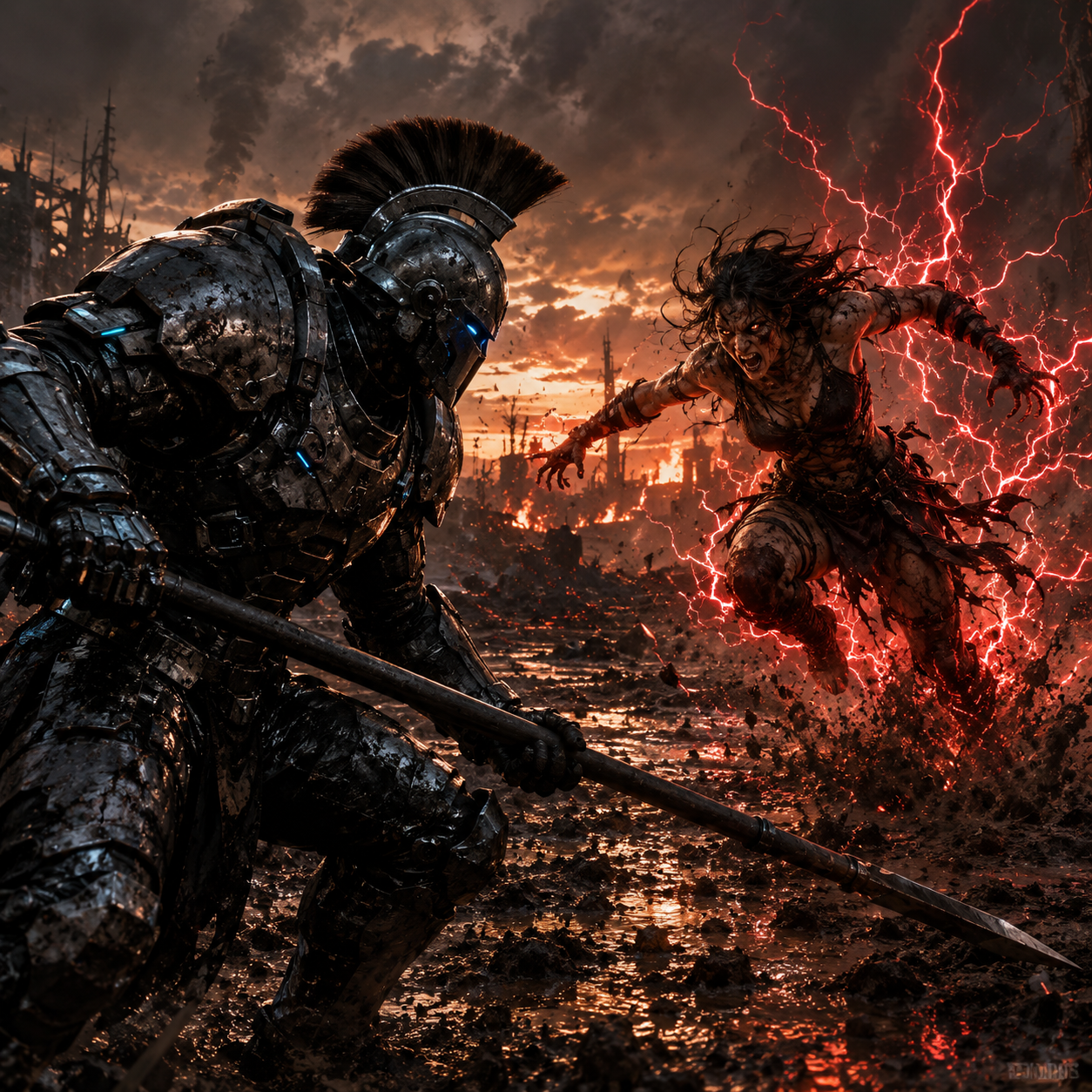
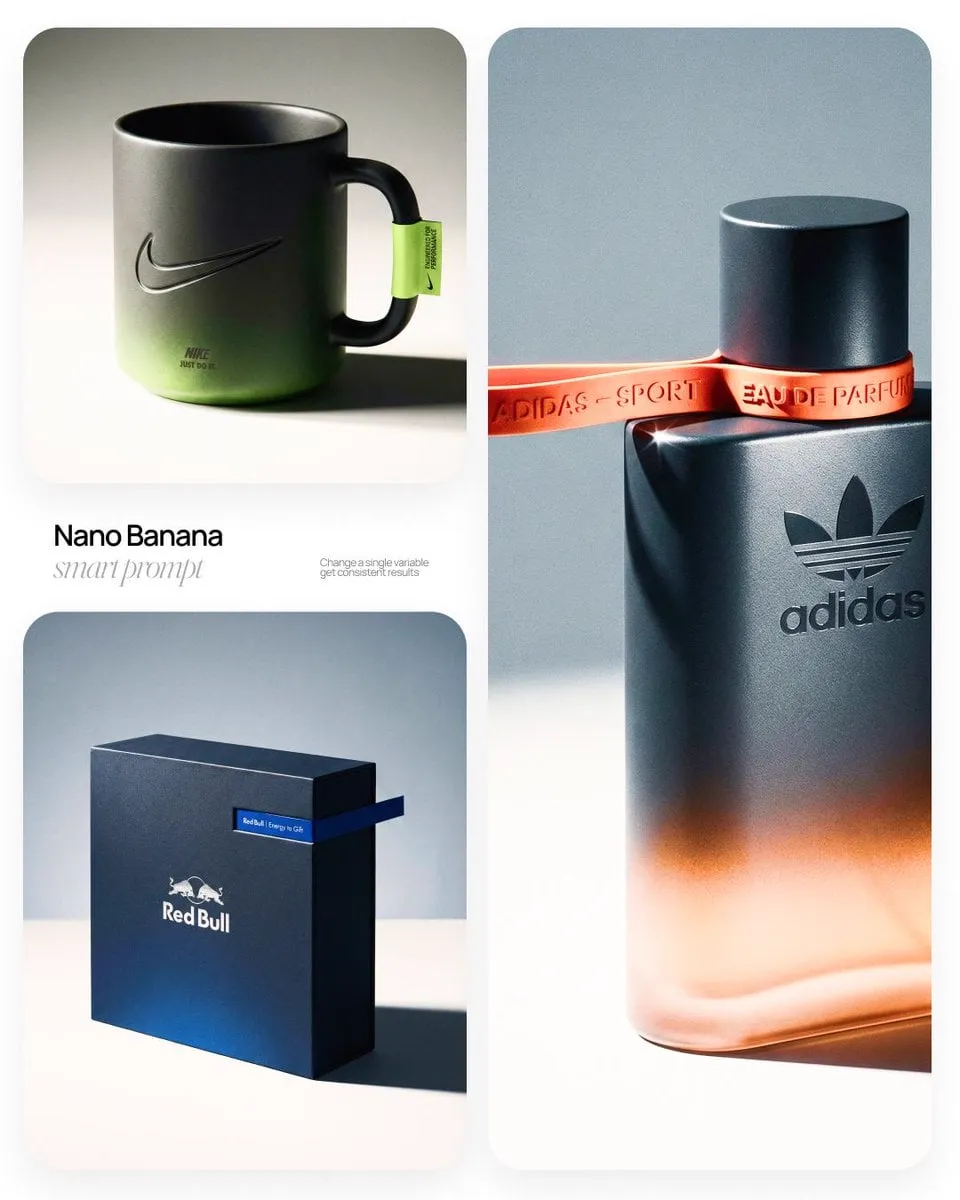
The art of writing prompts for AI video generation has become one of the most valuable skills a modern creator can learn. Large language models like ChatGPT and Gemini are no longer just for text; they are the interface between your ideas and powerful video generators that turn plain English into moving images. This guide is a practical, 101-level walkthrough of how to structure prompts so you get cinematic, consistent results on the first try.
Whether you are making a promotional clip, a short film, an explainer, or a social media loop, the principles here apply across models. The goal is to replace vague, frustrating instructions with a repeatable prompt architecture that any video model can understand.
Why the Prompt Is the Product
AI video generation has reached a point where the quality gap between an amateur and a professional result is often decided not by the model but by the prompt. A short, sloppy request like "make a cool video of a city" will give you something generic. A well-structured prompt that specifies subject, action, camera, lighting, and mood will give you a shot that feels intentional and cinematic.
Think of the prompt as the brief you would give a real director and cinematographer. The more precisely you communicate the scene, the more the model can deliver what you imagined. Prompting is therefore a form of direction, and learning it well multiplies everything else you do with these tools.
The best news is that prompting is a learnable skill. There are patterns, structures, and vocabulary you can reuse, and once they become habit, your output quality jumps without any technical knowledge required.
The Core Philosophy: Clarity and Structure
Every strong video prompt starts with a clear intention. Before you type anything, decide what the shot is supposed to do: is it an establishing shot, a close-up on an emotion, a product showcase, or a dramatic reveal? Write down that purpose in one sentence.
Then expand it with structured information. A reliable approach is to describe the scene in layers:
- Subject: who or what is in frame.
- Action: what the subject is doing.
- Environment: where and when the scene takes place.
- Camera: shot type, movement, and lens feel.
- Lighting: mood, color temperature, contrast.
- Style: realistic, animated, cinematic, and any visual texture.
When these layers are explicit, the model can render each one faithfully. When any layer is missing, the model fills the gap with a default, and that default is often not what you wanted.
Mapping Your Prompt to the Right Model
Different video models respond better to different kinds of instructions. Some are strongest at photorealistic scenes with real physics; others shine at stylized or animated content. Knowing which model suits your scene saves you a round of frustration.
A practical rule is to match the complexity of your prompt to the model. For a simple, clean shot, a versatile model is enough. For a scene that needs physical realism or a specific aesthetic, reach for a high-fidelity or specialized model. Learning the personality of each tool takes experimentation, but it pays off in better first results.
Keep a small cheat sheet of which model you use for which situation. Over time this personal library becomes your fastest path to good output.
Multi-Reference Prompting for Consistency
One of the hardest problems in AI video is keeping a character or environment consistent across shots. If your protagonist changes face between every clip, the story falls apart. The solution is reference-based prompting.
Use reference images rather than expecting the model to invent a character from a text description. Provide a clear, consistent image of your character and describe what you want them doing in the scene. The model then inherits the look from the reference and animates it, giving you continuity from shot to shot.
The same idea applies to environments and props. A stable reference for your setting keeps the scene coherent even when the camera moves or the action changes. Treat your visual assets as a small production library that anchors every new generation.
Building a Reference Library
Create a folder of clean references: front views, side views, close-ups of props, and a style board for colors and lighting. Whenever you start a new project, copy the relevant references and build on them. Over time, this library lets you compose new scenes quickly while preserving a consistent world.
Consistency also comes from how you phrase repeated elements. Reuse the same descriptions for a character's outfit and background rather than rephrasing each time. Stable wording plus stable references is the most reliable formula for continuity.
Encoding Cinematic Instructions
To make your video feel professional, borrow vocabulary from real cinematography. Instead of "a person in a room," describe the shot like a rough storyboard. Terms such as close-up, wide shot, aerial view, tracking shot, slow motion, shallow depth of field, and golden-hour lighting tell the model exactly what look you want.
A practical prompt might read: "A wide establishing shot of a lone figure walking across a foggy city square at dusk, camera slowly pushing in, warm lamplight, cinematic color grade, photorealistic." Every phrase carries useful information about framing, motion, mood, and style.
Don't overload the prompt. A single focused instruction is easier to honor than a paragraph listing six actions at once. Keep the core scene simple and add details in layers, testing one change at a time so you can see what each element contributes.
Camera and Lighting as Prompts
Camera movement and lighting carry much of the emotional weight of a scene. A slow push-in deliberately builds tension; a handheld shot adds urgency; soft, diffused light feels gentle; hard, colored light feels dramatic. Specify these directly instead of leaving them to chance.
If you want a particular lens feel, describe it as the model understands it: wide-angle with distortion, telephoto compression, or macro detail. These descriptive cues translate into noticeably different results and give you far more control than generic adjectives.
Advanced Direction: Working with an Agent Director
The next level of prompting is to use a larger model as a creative assistant that plans and breaks down your video before you generate it. Rather than writing every shot by hand, you describe the overall story and let the assistant propose a sequence of shots, each with its own prompt.
This agent-style workflow is powerful because it moves you from the shot level to the story level. You can ask for a list of shots for a 30-second film, get framing, transition, and pacing suggestions, and then generate each shot individually. It turns prompt writing into a structured, repeatable production process.
The assistant is also useful for improving your prompts: you can paste a draft and ask for a more cinematic rewrite. Keep the final decision with yourself, but let the assistant supercharge your range.
A Four-Step Decomposition Structure
A simple but effective way to plan a sequence is to break your story into four repeating beats: establish the scene, show the subject, advance the action, and land the payoff. By structuring your prompts around this rhythm, you create a natural flow that keeps viewers engaged.
Each beat gets its own prompt with its own camera and energy. The establish beat uses wide or aerial framing; the subject beat tightens to a clear shot; the action beat introduces movement or conflict; the payoff beat closes with clarity. This variety keeps the sequence alive and prevents a flat, one-note video.
Designing Cost-Effective Prompts
Video generation often runs on a usage budget that must be managed wisely, so efficient prompting matters. High-fidelity models and long clips cost more to render than short, simple generations. A smart creator plans the shot list so the most expensive generation is reserved for the shots that truly need it.
For everyday clips, use a lighter model or a shorter duration. For a key hero shot, invest in the premium model and the extra attempts to get it right. By allocating your budget to the moments that carry the most weight, you get a strong overall result without overspending.
Reusing successful prompts and references also saves money: when a prompt works, save it as a template for future projects instead of re-deriving it every time. Efficiency in prompting is as much about a good process as about picking the right model.
Common Prompting Mistakes
Several habits produce mediocre video. The most common is being too generic, expecting the model to invent specifics you did not provide. Another is overloading the prompt with too many simultaneous demands, which the model resolves by diluting all of them.
Inconsistent references ruin continuity, so always reuse the same character and environment images. And skipping the review step of iterating and refining means you settle for a first result that could be much better. Treat each generation as a first draft, not a finished shot.
Finally, avoid forgetting the emotional intent. A technically perfect shot with no mood will not connect. Always anchor your technical instructions in what the scene is supposed to feel like.
An Iteration Workflow That Saves Time
Great video prompts rarely appear fully formed. The difference between a smooth workflow and a frustrating one is how you iterate. Generate a first version, watch it, and change only one variable at a time: the camera angle, the lighting, or the action. Isolating changes lets you see exactly what each modification does, so you learn faster and waste fewer attempts.
Keep a running list of what worked. If a particular phrase consistently produces strong results, move it into a personal style guide that you reuse. Over time, this guide becomes the backbone of your work, letting you compose effective prompts quickly instead of starting from scratch on every project.
It also helps to work in batches. Generate several variations of a shot in one session, review them side by side, and pick the best rather than regenerating one at a time. Seeing options together sharpens your eye and often reveals a combination you would not have considered.
From Single Shots to a Coherent Film
Once you can produce solid individual shots, the next goal is coherence across the whole piece. This means keeping style, lighting, character, and mood aligned from beginning to end. The simplest way is to define a project-level style block that you attach to every prompt: the same color grade, lens feel, and subject references used throughout.
Review your assembled sequence for consistency before publishing. Does the lighting match between cuts? Does the character look the same? Is the energy level consistent with the story? These checks turn a collection of impressive shots into a finished piece of work that a viewer experiences as a single film.
Frequently Asked Questions
Do I need strong English to write good prompts?
A working command of English helps, but the structure matters most. Describing a scene in clear, simple layers works better than using fancy vocabulary without structure.
Which is better for video: ChatGPT or Gemini?
Both can help plan and refine prompts. The generator you pair them with matters more than the assistant you choose. Pick whichever you find clearer and more comfortable.
How do I stop the character from changing between shots?
Use consistent reference images and reuse the same descriptive wording. Photograph or generate a clean character portrait and repeat it as the anchor for every relevant shot.
Should I always use the most advanced video model?
No. Use the advanced model for hero shots that need maximum quality, and cheaper or lighter options for routine clips. Budget your approach by shot importance.
How long should a generated video clip be?
Short, focused clips usually work better than long ones. It is easier to generate several short shots and edit them together than to ask for one long, complex scene.
Final Thoughts
Prompting for AI video is a craft that rewards those who invest in it. By clarifying intention, structuring instructions by layer, using references for consistency, borrowing cinematic vocabulary, and planning at the story level, you can turn vague ideas into polished, professional clips.
Start small. Write one well-structured prompt this week, generate the shot, and compare it with what a vague prompt would have produced. The difference will show you exactly why the prompt deserves your attention. From there, build your library of references and templates, and every future video will be faster and better than the last.
