

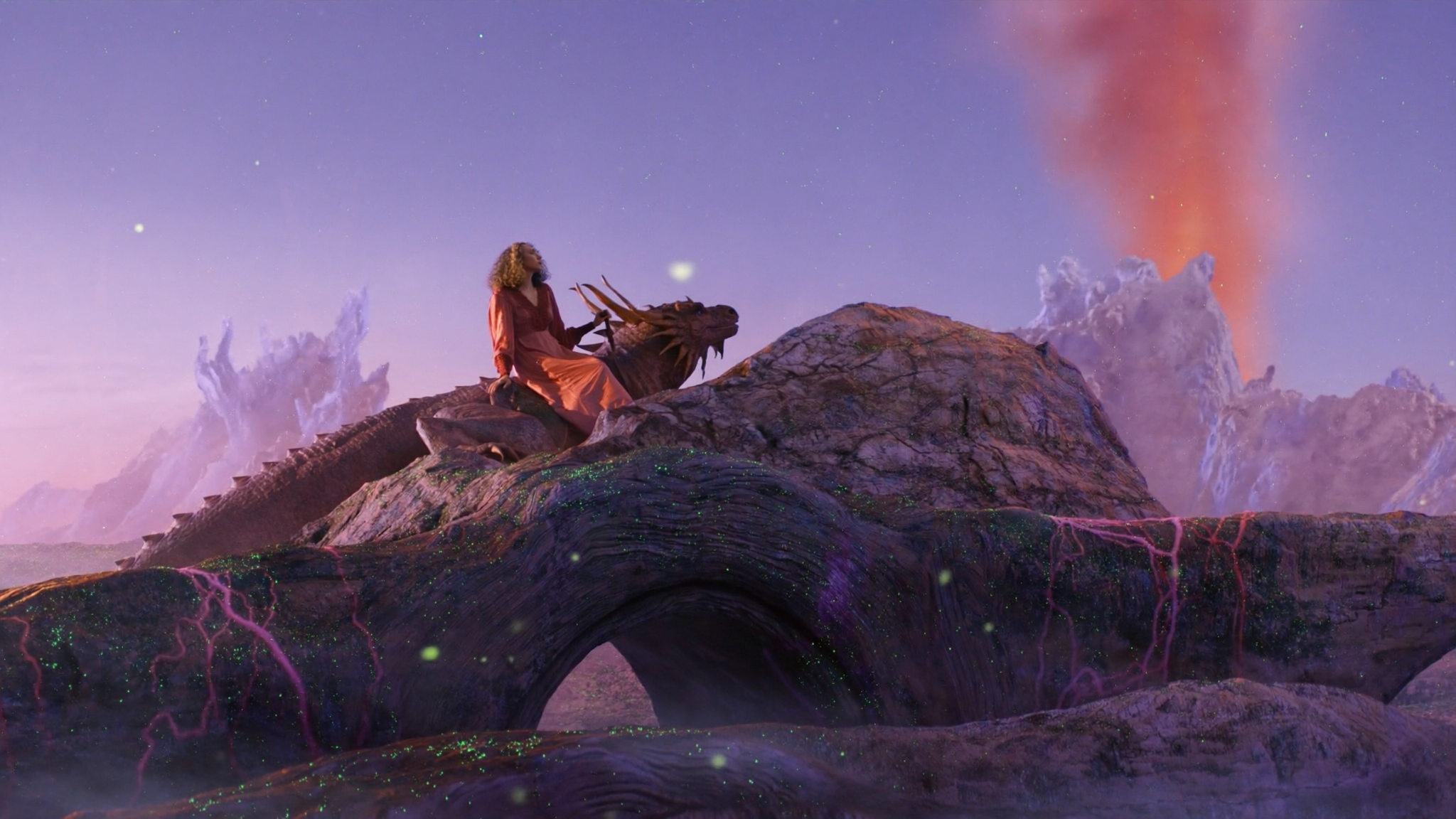
Why Model Choice Changes Everything
Filmmakers who are new to AI video often assume the process is: write a prompt, get a clip, move on. Anyone who has spent real time with the tools knows the truth: the model you choose determines the ceiling of what your shot can become. A prompt that produces a stunning photorealistic shot on one model will produce a waxy, drifting mess on another. The same scene that needs the emotional warmth of an anime-inspired render will look stiff and corporate on a realism-first model.
Model selection is not a technical detail. It is a creative decision, as important as choosing a lens or a location. This guide is a practical walkthrough of how to think about AI video models for filmmaking: what the main categories are, when to use each one, and how to build a selection process that does not waste your budget or your time.
The Big Categories of AI Video Models
Before comparing specific models, it helps to map the landscape into functional categories. Almost every model on the market falls into one of these groups:
Realism-first models. These aim for photorealistic output: human faces, skin texture, natural lighting, believable physics. They are the default choice for live-action-style filmmaking, product work, and any content where the audience should believe the image.
Stylized and artistic models. These produce animated, illustrated, or painterly looks. Anime, watercolor, clay, stop-motion, and blocky voxel styles all live here. They trade physical realism for expressive possibility.
Motion and action models. Some models are tuned for dynamic movement — fast action, camera motion, flowing elements. They matter when the scene's energy comes from movement rather than stillness.
Speed-first models. These generate quickly and cheaply. Quality is lower, but they are perfect for iteration, drafts, and testing ideas before committing to expensive generations.
Control-heavy models. These emphasize user control: reference images, camera parameters, region-based motion, consistency features. They are the workhorses for production pipelines where reproducibility matters.
Few models fit one category cleanly, and the boundaries shift with every release. But the categories give you a vocabulary for thinking: for a given shot, you can ask which category matters most, then choose the best model in that category.
Realism-First Models for Cinematic Work
When your film needs to feel like it was shot on a real camera, realism-first models are the starting point. These models shine on close-ups, dramatic lighting, and natural environments.
What to look for:
Face and skin fidelity. Human close-ups are the hardest test. Look for models that keep faces stable, preserve identity across angles, and render skin with texture rather than plastic smoothness.
Physics and motion. Fabric, hair, water, and objects in motion break realism faster than anything else. Test the model with the exact motion your scene requires.
Lighting control. The difference between a flat image and a cinematic one is often lighting. Models that respect direction, color, and quality of light give you more room to art-direct.
Resolution and detail. For theatrical and high-end web output, check whether the model delivers enough resolution for your delivery format without upscaling artifacts.
Best use cases: character scenes, product hero shots, location establishing shots, and any footage where the audience should suspend disbelief.
Watch out for the "uncanny drift": on long shots or complex scenes, realism models can slowly mutate faces, merge objects, or add impossible details. Plan for iteration and always review close-ups frame by frame.
Stylized and Anime Models for Creative Projects
Not every film wants photorealism. Stylized models open the expressive range: they can evoke a specific animated film, a painter, a game, or a nostalgic format.
What to look for:
Fidelity to the style. Some models nail one aesthetic; others blend several and produce mush. Test with a style reference image and compare the output against the reference, not against your memory of the style.
Character consistency in the style. An anime character must stay recognizable across shots, which requires the same reference discipline as realism, plus the model's ability to honor the style's proportions and linework.
Motion that fits the style. Animated styles have their own motion language. A model trained on anime understands the characteristic easing and exaggerated gestures; a generic stylized model may render the style but animate it stiffly.
Best use cases: animated shorts, music videos, explainers with personality, game cinematics, and branded content that needs a distinctive look.
The common failure is "style drift": the output starts in the target aesthetic and slowly slides toward the model's default look as the sequence gets longer or the prompt gets more complex. Lock style references, keep prompts concise, and review sequences as a whole rather than shot by shot.
Fast and Cheap Models for Iteration
Iteration is where films are actually made. The first version of a shot is rarely the best, and the ability to test ideas cheaply is worth more than raw quality on the final pass.
The strategy is simple: use speed-first models to explore, and reserve the expensive models for the shots that survived review.
How to iterate effectively:
Test compositions first. Before generating a full-quality hero shot, produce fast versions to check framing, timing, and story logic. Most of your bad ideas die here, cheaply.
Lock the shot list, then refine. Once the story structure is stable, iterate on individual shots: try different prompts, angles, and references until one version earns a full-quality pass.
Keep a comparison log. Save the prompt, model, seed, and result of every test. After a few projects, your log becomes a personal reference for what works in your style and your genre.
The discipline that separates professionals is not generating more — it is knowing when to stop iterating and lock a shot. Set a budget per shot before you start, and when a version meets the shot list's intent, move on.
Matching Models to Shot Types
A film is made of many kinds of shots, and no single model serves them all. Build a shortlist of two or three models that cover your dominant shot types, and switch deliberately.
Establishing shots and landscapes. These reward breadth, detail, and lighting. Choose a model strong on environments; motion can be minimal.
Character close-ups. These reward face fidelity and emotional nuance. Choose a realism or stylized model depending on the film's look, and use strong references.
Action and movement. These reward motion quality. Test the model on the specific action — running, falling, flying, spinning — before committing.
Transitions and effects. These are often better done with dedicated tools or post-production than with video generation. Generated footage is not the right hammer for every nail.
For each shot in your list, write down the required model category in the shot description. When the time comes to generate, the decision is already made; you are not improvising on set.
A Five-Step Selection Process
When you are evaluating models for a new project, work through these five steps.
- Define the look. Write the visual style down: realism level, color palette, lighting language, reference films or games. This becomes the standard for every comparison.
- Collect test scenes. Choose three scenes that represent your project's hardest challenges: a close-up, an action beat, and an establishing shot.
- Run the same tests on every candidate. Use identical prompts and references. Comparison is only fair when the inputs match.
- Grade against the brief, not the wow factor. A model that produces one stunning clip but fails your core scenes is not the right model, however impressive the demo.
- Re-test the finalists after a week. Models change fast; a model that failed last month may have improved. Re-test finalists with the same scenes before signing off.
This process takes a few hours and saves days of wasted generation later. Do it once per project, or once per quarter for a team that produces continuously.
Testing Models Without Wasting Time
Testing sounds expensive, but it can be cheap if you structure it.
Use free or low-cost tiers for screening. Most platforms let you try a model before paying full price. Screen candidates on the cheap tier, then validate the finalists with one or two full-quality generations.
Standardize your test prompts. Keep a file of your three test scenes, verbatim, with the same reference images. Reusing them across models and months makes comparisons meaningful.
Time-box the exploration. Decide in advance how many generations you will spend per candidate. Without a limit, testing becomes an endless hobby.
Measure what matters. Write down three numbers for each test: quality against the brief, time to generate, and cost. The winner is rarely the model that is best on one axis alone.
Ask colleagues for a blind review. Show the outputs without model names and ask which versions match the brief. Unbiased eyes catch the bias you have developed toward your favorite tool.
Building a Model Playbook for Your Team
Once you have selected your models, codify the decision so the whole team benefits.
Create a one-page playbook that lists:
- the approved models and their best-use cases;
- the standard prompts and reference images for recurring shots;
- the iteration workflow (fast model first, final model second);
- the quality checklist every shot must pass;
- the common failures and their known fixes.
The playbook turns individual experience into organizational capability. New team members start from a working baseline instead of relearning everything through expensive trial and error. And because the playbook is a living document, you update it whenever a model improves or a new technique appears.
This is the real payoff of treating model selection seriously: it stops being a daily decision and becomes a settled production asset, freeing your creative energy for the film itself.
Common Mistakes in Model Selection
Even with a solid process, teams make recurring mistakes. Here are the ones worth guarding against.
Choosing a model for a single impressive clip. A model can produce one stunning result and still fail your core scenes. Decisions need a sample, not a highlight reel. Judge on the hardest shots, repeated across several attempts.
Sticking with a model out of loyalty. Familiarity is comfortable, and your logged history makes you productive. But models improve and new options appear. Re-evaluate on a schedule — quarterly is reasonable — with the same three test scenes, and let the results decide.
Optimizing for the wrong axis. Speed, quality, and cost are a triangle. A team that optimizes purely for speed ends up with weak finals; a team that optimizes purely for quality burns its budget in iteration. Decide which axis matters most for the project, then accept the trade-offs on the other two.
Copying prompts from the internet. A prompt that works for someone else's style, genre, and reference kit rarely transfers cleanly. Use community prompts as inspiration, then rebuild them around your own shot list and references.
Changing models mid-project. Switching tools after production starts invites inconsistency. Unless a model is catastrophically failing, finish the project with the shortlist you validated, and make changes at the next project boundary.
Skipping the log. The single most common mistake is not recording what worked. Without a log, every project restarts at zero, and the team never builds the reference knowledge that makes model selection fast and reliable.
FAQ
How many models should a film project use?
Two to three, deliberately chosen. More models mean more inconsistency and more to manage. Select the best model for each dominant shot type and resist the urge to chase every new release mid-project.
Is the newest model always the best?
No. New models are often better on average, but they can regress on specific shot types, and they may lack the prompt conventions and community knowledge that older models have accumulated. Re-test against your own scenes before switching.
How important are prompts compared to model choice?
Model choice sets the ceiling; prompts determine how close you get to it. A perfect prompt on the wrong model underperforms a decent prompt on the right model. Choose the model first, then invest in prompts.
Can I mix photorealistic and stylized shots in one film?
You can, but the contrast needs to be intentional — a memory sequence, a dream, a shift in perspective. Unintentional mixing just looks like inconsistent production quality.
What should I do when a model fails my core scenes?
Cut it from the shortlist and test the next candidate. Do not compromise the project's visual identity for a tool you like. The model works for the film, not the other way around.
