

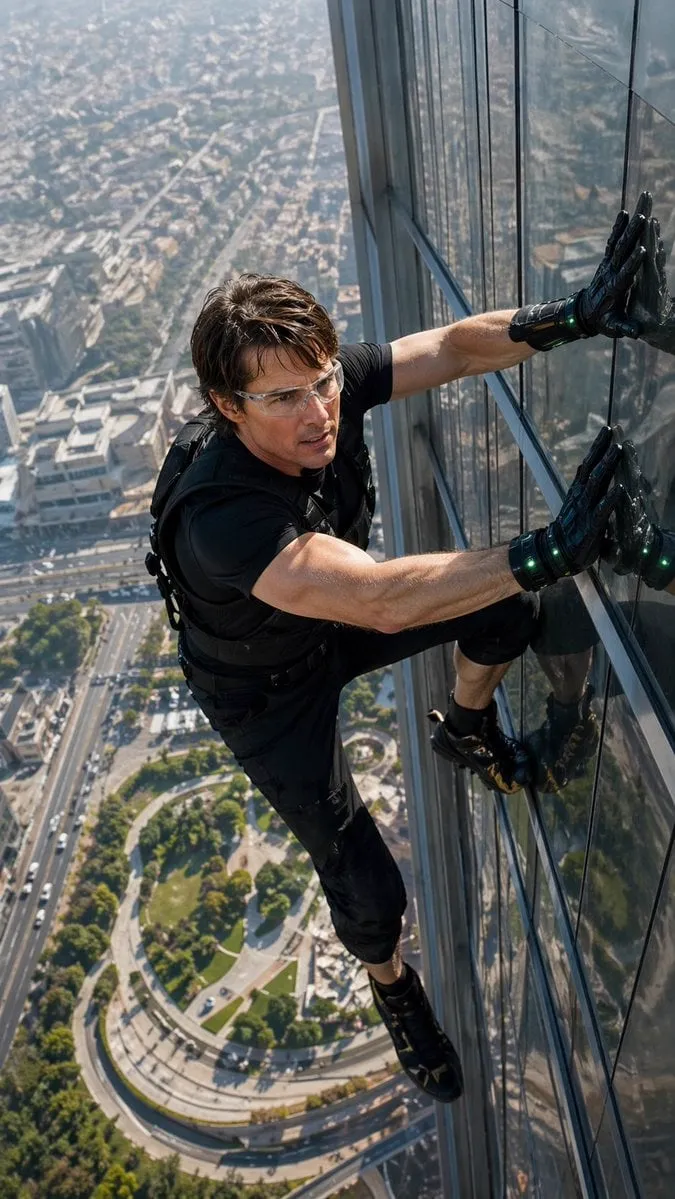
Most AI-generated videos have the same problem, and it is not resolution, physics, or uncanny faces. It is flatness. The images are technically good, but they feel like a slideshow of pretty pictures rather than a film. The difference between a clip and a scene is direction: deliberate choices about camera, light, composition, and continuity. Filmmakers spent a century developing these choices, and AI video has inherited all of that vocabulary. This guide breaks down the directing techniques that make AI videos look professional: how to structure a cinematic prompt, control camera and lighting, keep characters consistent across shots, and build a production workflow that survives the edit.
Why Most AI Videos Look Flat
A flat video is not a technical failure; it is a direction failure. The model followed the prompt, but the prompt described a subject without describing how to see it. "A woman walks through a market" produces an image of a woman and a market. "A woman walks through a bustling night market, low camera angle, slow tracking shot, neon reflections on wet pavement, shallow depth of field" produces a scene. The difference is intentional visual information.
Viewers cannot tell you why one AI video feels cinematic and another feels generic, but they feel it immediately. The brain reads camera height, lens behavior, lighting direction, and motion as signals of intention. When those signals are absent, the video reads as random; when they are consistent, the video reads as directed. The rest of this guide is about supplying those signals deliberately, at every step of the pipeline.
Structuring a Cinematic Prompt
The Four Axes of a Scene Description
A cinematic prompt is not a sentence; it is structured metadata. Professional results come from covering four axes consistently: camera setup, lighting environment, lens choice, and scene composition. Camera setup includes height, angle, distance, and movement. Lighting environment covers the key light direction, the mood, and the time of day. Lens choice sets the field of view and depth of field behavior. Scene composition describes what is in the frame and how the elements relate.
Write prompts in a consistent order so the pattern becomes a habit: location, subject action, camera, lighting, mood. For example, "rooftop at dusk, the detective examines a photograph, overhead crane shot descending slowly, cool blue key light with warm window accents, tense and isolated." Every element answers a question the model would otherwise answer randomly.
Translating Intent Into the Prompt
The deeper skill is translating intent. A director knows why the camera is low: to make the character feel powerful or threatened. A director knows why the light is hard: to create shadows that hide information. When you write prompts, you are not describing a picture; you are encoding decisions. Ask yourself, for every shot, what the audience should feel, and then choose the camera and lighting that produce that feeling. This habit is what turns prompt-writing from a technical chore into directing.
Directing with an AI Agent Director
The newest tool in the filmmaker's kit is the AI agent director: software that takes a rough creative intention and translates it into a structured, production-ready prompt. Where a beginner writes "make it look cool," an agent director analyzes the intention and fills in the cinematic axes, choosing camera movements, lighting setups, and composition rules that fit the mood.
The agent does not replace the director; it replaces the typing. The human still decides the story, the emotion, and the look. The agent handles the translation of those decisions into the structured language the models understand best. For teams, this is a huge efficiency gain: a creative brief can become a batch of scene prompts, each already dressed in cinematic vocabulary, without every person on the team needing to master prompt syntax.
Camera Motion and Lens Effects
Camera motion is the most visible signal of cinematic intent. A locked-off static shot and a slow dolly-in tell completely different stories, and AI video models can now produce both convincingly. The practical vocabulary includes: push in (camera moves closer, builds intensity), pull out (reveals context, releases tension), tracking (camera follows the subject, creates energy), crane or drone moves (establish scale, add grandeur), and handheld (adds documentary realism or unease).
Lens effects operate alongside motion. Wide-angle lenses exaggerate perspective and can make spaces feel vast or characters feel small. Telephoto compression flattens depth and isolates subjects from backgrounds. Shallow depth of field directs attention to a single subject; deep focus lets the viewer explore. When you specify a lens, you are deciding how the audience relates to the space. Use these tools with intent: a quick zoom on a reveal, a slow push-in on a decision, a wide establishing shot before a close-up.
Tone and Manner: Lighting and Color Consistency
Cinematic lighting is continuity's best friend. In traditional film, a production maintains a tone and manner, a consistent lighting and color language, so that every shot feels like part of the same world. AI video needs the same discipline, because a model left alone will invent different lighting for every shot: golden hour in one scene, fluorescent office in the next.
Establish a lighting signature early: key light direction, color temperature, contrast level, and shadow behavior. Put it in every scene prompt, and reinforce it with style references when your tool supports them. After generation, apply a consistent color-grade pass across all shots so white balance and contrast feel continuous. The audience will not notice the grade when it works; they will notice instantly when it does not.
Sound Design and Audio-Visual Sync
Cinematic is as much audio as visual. A video with no sound design feels dead, no matter how good the images are. The professional workflow builds audio into the pipeline from the start: a voice with consistent character, music that follows the emotional arc, ambient sound that belongs to each location. AI voice and music tools can produce all of these, and they should be treated with the same consistency standards as the visuals.
Sync is the detail that separates professionals. If a character speaks on screen, generate the voice first and use it as reference for the scene, or accept the lip-sync mismatch and cut around it. If narration carries the story, cut the edit to the narration's rhythm. A simple discipline, the voice at least ten decibels above the music in spoken passages, keeps the mix clean. Sound is the cheapest way to elevate perceived quality, and the most neglected one.
Character and Style Consistency Across Shots
Multi-shot consistency is where AI filmmaking either lands or falls apart. The tools are now mature: a small set of reference images of the character, taken from different angles, locks identity across scenes, and a style reference locks the rendering look. Together they turn the character from a description into a constraint that every scene must satisfy.
The workflow is the same discipline as everything else in this guide: decide first, enforce always. Decide the character's look, build the reference set, and write scene prompts that focus on action and mood instead of re-describing appearance. Decide the style, build the style reference, and keep it constant across scenes. Then inspect every shot before moving on. Drift caught at generation costs one regeneration; drift caught at the edit costs a re-shoot of the whole sequence.
A Production Checklist for Short Cinematic Films
For a short cinematic piece, the checklist is compact and repeatable. Define the story in one sentence, including the emotion the audience should feel at the end. Break it into scenes, and for each scene write the four-axis prompt block. Choose camera and lighting for emotion, not for variety. Build the character reference set and the style reference before generating anything. Generate scene by scene, inspecting identity and style drift in each shot. Generate audio to match, cut the edit to the narration and music, and apply a final color and audio pass across the whole piece.
Shot-to-Shot Continuity with Reference Sets
The techniques above produce beautiful individual shots, but a film is a sequence, and sequence demands continuity. The professional tool for this is the reference set: a small collection of images that define the character and the style, used as anchors for every generation.
Start with the character set. Collect three to seven images of the character from different angles and expressions, all with consistent wardrobe and lighting. This set becomes the identity contract: every scene is generated against it, so the character stops being a description and becomes a constraint. Scene prompts then focus on action, environment, and emotion, never on re-describing the face. If the character drifts, expand the set with the missing angle instead of switching models.
The style reference works the same way for the look. Choose one frame that captures the intended rendering, palette, and texture, and use it to keep every scene in the same visual language. A character can be perfectly consistent and still look like they belong to a different film in every shot; the style reference prevents that.
The third anchor is the shot list itself. Plan each scene's start and end frame, and use keyframe control so that a shot begins where the previous one ended. This is how sequences cut together instead of feeling like a shuffled deck of clips. When you generate, do it in story order, verifying each shot against the character set, the style reference, and the continuity of the previous shot before moving on.
This discipline is not glamorous, but it is the difference between AI clips and AI filmmaking. The audience will never know a reference set existed; they will simply feel that the video holds together, that the world is coherent, that the characters are the same people from the first frame to the last. That feeling is the entire point of cinematic technique, and it is now available to anyone willing to build the references and check the shots.
FAQ
Do I need to know filmmaking to make cinematic AI videos?
It helps enormously, but the vocabulary is learnable. Start with the four axes: camera, lighting, lens, composition. Watch your favorite films with the sound off and notice the camera height and movement. Then practice encoding those observations into prompts.
What is the most important element of a cinematic prompt?
Camera and lighting. A subject described without a camera setup and a lighting environment will produce a flat image regardless of how good the subject description is. These two axes carry most of the cinematic signal.
How do I keep the same character across all shots?
Build a reference set of three to seven images of the character from different angles, and generate every scene against that set. Stop re-describing the character's appearance in prompts; let the references carry identity while prompts carry story.
How do I keep lighting consistent between scenes?
Establish a lighting signature and put it in every scene prompt: key light direction, color temperature, contrast. Reinforce it with a style reference if the tool supports it, and apply a consistent color grade across all shots in post.
Is AI filmmaking cheaper than traditional video production?
For many use cases, yes, dramatically. The cost shifts from equipment, locations, and crew to compute and iteration. The budget that remains should go into direction: references, style kits, and audio, which is where professional results actually come from.
Conclusion
Cinematic AI video is not about a better model; it is about better decisions. The models can execute almost anything, but they execute what you direct: camera, light, lens, composition, and continuity. Structure your prompts with the four axes, use the directing tools available, lock your characters and style with references, and treat audio as part of the picture. Apply those disciplines consistently, and your videos will stop looking like AI experiments and start looking like films. That is the whole secret, and it is available to anyone willing to direct.
