
When every brand starts to look the same
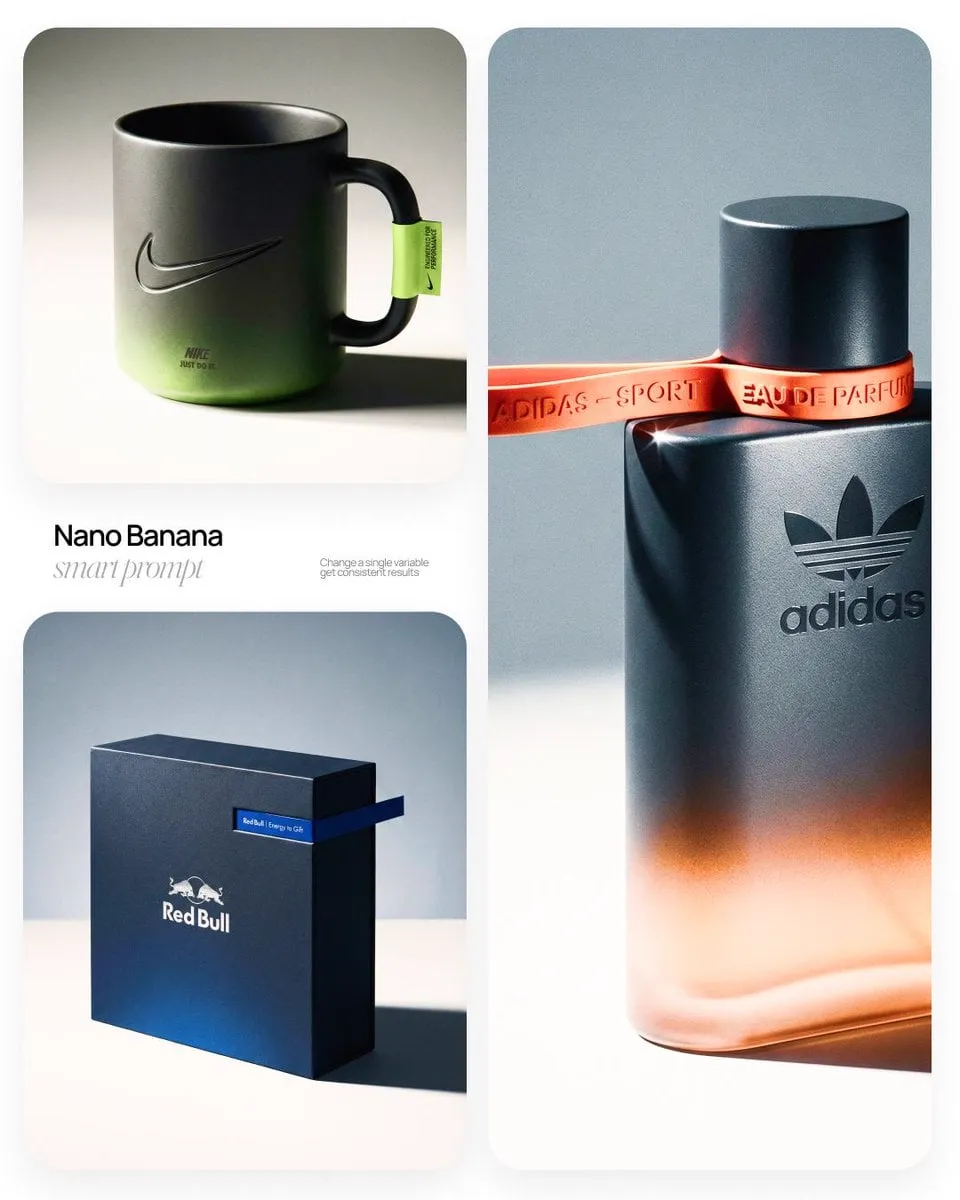
The painful reality of modern marketing is that most brands share the same visual language. Polished product shots, the same fonts, the same transitions, the same careful colors. Audiences have seen it all, and their brains have learned to skim straight past it. Differentiating yourself on a saturated feed is not about being slightly better at the same thing. It is about being recognizably different in a way that feels worth stopping for.
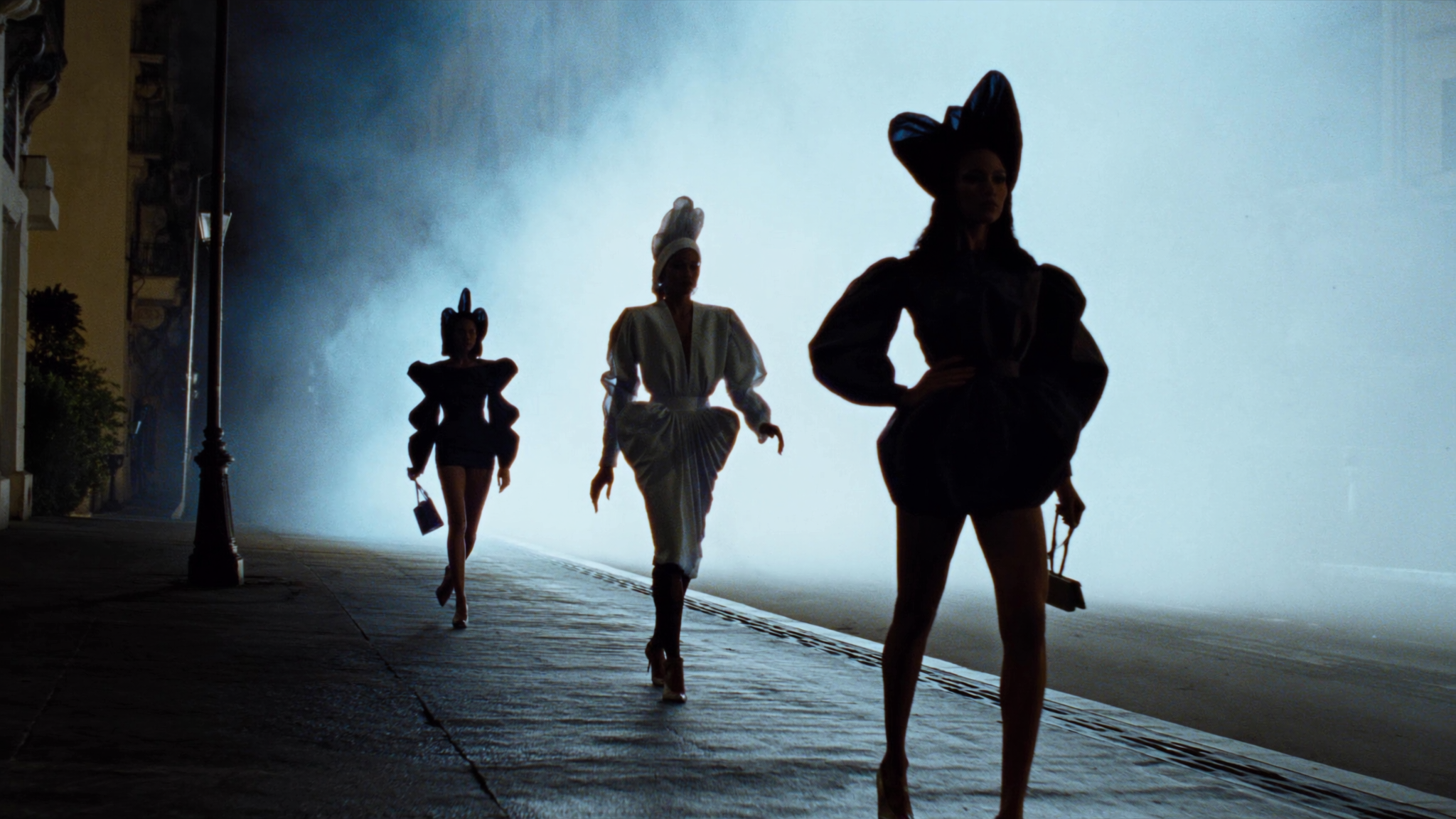
Short-film style marketing takes the opposite approach. Instead of a quick product pitch, it treats a brand message as a tiny story, with atmosphere, emotion, and a point of view. And when you combine that storytelling instinct with modern AI visual effects, small teams can produce cinematic footage that used to require serious studio budgets.
This guide is about doing exactly that: using narrative thinking and AI-generated visual effects to make your brand content impossible to ignore.
Why attention is the real currency
Consumer attention spans have collapsed, and the economics follow. Short video consistently earns higher engagement than almost any other format because it respects the viewer's time and delivers value fast. But the format is also brutally competitive, because every brand has access to it.
The brands that win are not the ones that post the most; they are the ones that earn the longest watch time by being genuinely interesting in the first few seconds. Film-style storytelling is a powerful tactic here because stories hold attention in a way that feature lists cannot. A story gives the viewer a reason to stay, even in a 30-second spot.
What "special effects" really buys your brand
Visual effects, generated or otherwise, are not just decoration. Used well, they serve concrete marketing goals.
Differentiation through imagery
When your visuals look like nothing else in the feed, you get a second look for free. Striking, unexpected imagery purchases attention other brands have to buy with ad spend.
World-building and brand atmosphere
Every brand has a feeling it wants to evoke. Effects help you construct that world consistently, from the environment to the lighting to the way objects behave. Consistent world-building makes a brand feel bigger and more considered than it is.
Physical and lens realism
Beware of effects that look fake; they destroy credibility. The most effective use of AI effects is realistic simulation of physics and lens behavior, so the impossible moments feel plausible and cinematic rather than gimmicky.
How this fits a realistic budget
The traditional path to cinematic effects required expensive shoots and long postproduction, which priced most small brands out. The generative approach changes the economics: the expensive part shifts from production to the thinking and craft on the front end. You spend your effort on story, references, and iteration rather than on a big crew and a physical set. For a small team, that rebalancing makes cinematic, differentiated marketing genuinely attainable for the first time.
The storyteller's checklist before you generate
Before any tool produces a frame, settle the fundamentals of the story you are telling.
- What is the emotional payoff? What should the viewer feel at the end?
- Who is the protagonist? A person, a product, an abstract idea? Give the story a center.
- What is the world? Where does this moment take place, and what is the mood of that place?
- What changes? Every story needs a shift or a reveal, even a tiny one, to feel like a story at all.
Answer these first, and the AI work becomes dramatically easier because you will know exactly what you are trying to build.
Generating effects that stay coherent
Single impressive shots are easy. What kills marketing projects is incoherence: the character that changes appearance, the color that drifts between scenes, the effects that feel pasted on top of the footage rather than part of it. Coherence is the difference between a clip and a film.
The modern answer is reference-based generation. Define the style, characters, and environments once with a strong reference set, and reuse it across every shot. Plan the film in order and check that each new clip matches the established world before you commit. Small upfront discipline avoids a cascade of inconsistent footage later.
Planning a campaign vs. producing a single ad
Film-style marketing works best when it is planned as a small campaign rather than one-off pieces. A coherent visual identity across several related posts builds recognition and compounds attention, whereas orphan one-offs are quickly forgotten.
Design a reusable format your audience learns to recognize. Keep the protagonist and world consistent while varying the story each time. This gives you the novelty of fresh stories with the compounding power of a recognizable brand look.
Fitting a story into a social format
It helps to approach campaign planning with the format in mind. Decide the ideal length and cadence before you write, and design the story so it arcs satisfyingly within those limits. Some campaigns work as a single tight spot, while others rewarded a small series across a few days. Knowing the container from the start lets you craft the narrative to fit it rather than forcing a finished piece into an awkward slot afterward.
Working with realistic physics and lenses
Nothing breaks a viewer's trust faster than effects that ignore how the real world behaves. Objects should fall predictably, light should wrap around surfaces, and camera movement should feel like a real camera. Modern AI tools let you specify lens behavior, depth of field, and motion blur so the impossible scenes still feel physically believable.
This realism is what separates cinematic marketing from pure spectacle. Dreamlike or surreal, the imagery only works if it obeys enough physical rules to feel grounded. That grounding is what makes the audience lean in instead of rolling their eyes.
Keeping up your production pace
A great one-off is a treasure, but sustained visibility needs cadence. Build a pipeline that lets you move from story idea to finished post quickly, then repeat. Batch your visual generation, keep a consistent reference kit, and separate the creative planning from the production grind.
When your system is repeatable, each new story is mostly about the idea and the script, while the heavy lifting of look and effects stays consistent. That is how small teams keep producing film-quality work at social-media speed.
Building a campaign with a visual identity kit
The strongest cinematic marketing does not rely on a clever one-off scene; it builds on a recognizable visual identity carried across every asset. Create a small identity kit before your first post: the core palette, the signature environment, the recurring protagonist or motif, and a consistent grade. This kit becomes the shared language of your whole campaign.
Every new piece starts from the same reference set, so the audience immediately recognizes your world even as the individual stories change. That recognition is what turns a scattered set of impressive videos into a brand presence. Consistency of identity is the quiet engine behind perceived professionalism, and it costs nothing to establish besides a little up-front planning.
Storyboarding before you generate a frame
The cheapest place to fix a film is on paper, before a single frame is rendered. Sketch the beats of your short story in order, even with rough stick-figure frames, and map each beat to the kind of shot and effect it needs. This forces you to think about continuity, pacing, and reveal timing before you spend time generating or animating.
A good storyboard also tells you exactly what references you need and in what order to build them, which makes the whole production more efficient. Know the sequence before you start, and both the generation and the editing phases respect the plan instead of improvising from frame zero.
Choosing effects that serve the story
Resist the urge to fill every scene with the flashiest effect available. Effects should be chosen because they carry meaning or emotion, not because they look impressive in isolation. A single, well-timed reveal or a small atmospheric touch can do more than a constant barrage of visual noise. Ask of every effect: does this tell the viewer something, or is it decoration? If it is only decoration, cutting it usually tightens the piece.
This restraint also protects your craft. When effects are rare and purposeful, the moments you do use them land harder and feel more cinematic. Overuse cheapens the impression; selective use builds it.
Sound design as part of the filmic feel
Cinematic marketing is not only a visual discipline; sound carries as much atmosphere as the image. A minimal but thoughtful audio bed, subtle room tone, and effects timed to the on-screen action can transform generated footage. Plan the audio alongside the visuals rather than bolting it on at the end, and let the sound reinforce the emotional turn of each beat.
Whether you lean toward quiet, suspenseful, or bold and energetic sound, consistency matters. A themed sound identity across the campaign ties the pieces together as much as the look does, and it is the detail audiences feel even when they do not name it.
Pacing and the science of the first second
In short-form marketing, the first second decides whether the rest of your film ever gets watched. A slow, generic opening loses the viewer before the story begins, while a clear, curious, or visually surprising first frame buys you the attention you need. Treat the opening as its own design problem and dedicate real effort to it, testing a couple of variations before you commit to a final.
Pacing matters throughout as well. Short-form budgets attention ruthlessly, so keep each beat moving and cut anything that does not pull its weight. A tighter piece with strong rhythm reads as more professional and earns higher completion, which is exactly the outcome you are optimizing for.
Measuring brand impact, not just views
Cinematic marketing should be judged by whether it builds the brand, not only by how many watched. Track follower growth, repeat visits to your content, and whether people can recall and associate your visual style after viewing. These brand-health signals accumulate slowly, but they tell you whether your storytelling is creating durable value rather than a one-time spike of attention.
Use that feedback to refine both the narrative and the look. When you learn which stories your audience connects with, you build a bank of effective motifs and formats. Over time, recognizable, emotionally resonant film-style marketing becomes a genuine brand asset, and that is where the real return lives.
Frequently asked questions
Do I need a filmmaking background to use AI effects?
No, but a little awareness of framing, composition, and lighting goes a long way. The tools handle the heavy rendering; taste handles the shot selection.
Will AI-generated effects look fake?
They can, if you ignore physics and lighting consistency. The key is grounding effects in realistic behavior and matching the reference world across shots.
Is this just for big brands?
No, it is the opposite. AI tools level the playing field, so small teams and solo creators can now reach studio-level visual quality that was once exclusive to large organizations.
How do I keep effects consistent across a full campaign?
Use a shared reference set for characters, style, and color, and check every shot against that established world before finalizing.
Final thoughts
In a world where every brand broadcasts to the same switch, the ones that win are the ones that give people a reason to stop and feel something. Short-film style marketing, powered by modern AI effects, lets you do that with production value that was previously out of reach.
Tell a real story. Build a consistent world. Ground your effects in believable physics and lens behavior. Plan a campaign rather than a single post. When you combine narrative ambition with capable tools and disciplined consistency, you stop competing on the same bright, forgettable content and start creating work people actually remember. That is the kind of marketing that turns attention into brand value.
