
The volume of AI video tools has exploded, but knowing how to direct them effectively is the real bottleneck. Anyone can generate a clip; few can string clips together into something that feels like cinema. Viewer tolerance for erratic, contextually disconnected AI-generated content is rapidly diminishing — success now depends on cinematic fluency: applying established filmmaking principles to synthetic media. An AI director bridges that gap, translating high-level narrative intent into concrete, executable decisions. Here's how it works and how to use it.
From prompts to direction
A prompt enhancer suggests better wording. An AI director does something deeper: it analyzes the narrative arc of your scene and decides what kind of shot serves the story — a wide shot to establish context, a close-up for emotional impact, a tracking shot to build tension.
It maps your script onto segmented generation tasks and ensures scene continuity regardless of which model generates each clip. Instead of manually iterating between tools, you describe the story once, and the director handles the shot sequencing, pacing, and model selection.
Applying visual grammar automatically
Cinematic storytelling rests on visual grammar — the rules governing how shots are composed and moved. These rules are now codified and applied automatically.
Composition that follows the rules
The system interprets your scene description and suggests framing that adheres to established principles: the rule of thirds, leading lines, symmetry. Abstract text becomes a tangible visual framework, so your shots look intentional rather than accidental.
Color and mood consistency
When different scenes are generated by different models, color grading can drift. An AI director manages color intent across scenes, ensuring the vibrancy of one shot doesn't clash with the muted palette of the next. The result is a unified look that feels professionally graded.
Camera movement with intent
Complex camera maneuvers that are normally resource-intensive become simple: "slowly push in on the character's face" translates into precise trajectory coordinates, optimized for efficiency. You get cinematic camera work without a cinematographer.
The consistency problem, solved
The biggest technical hurdle in multi-model video production is maintaining character and object consistency during model handoffs. A character generated by one model must look identical when a different model takes over the next shot.
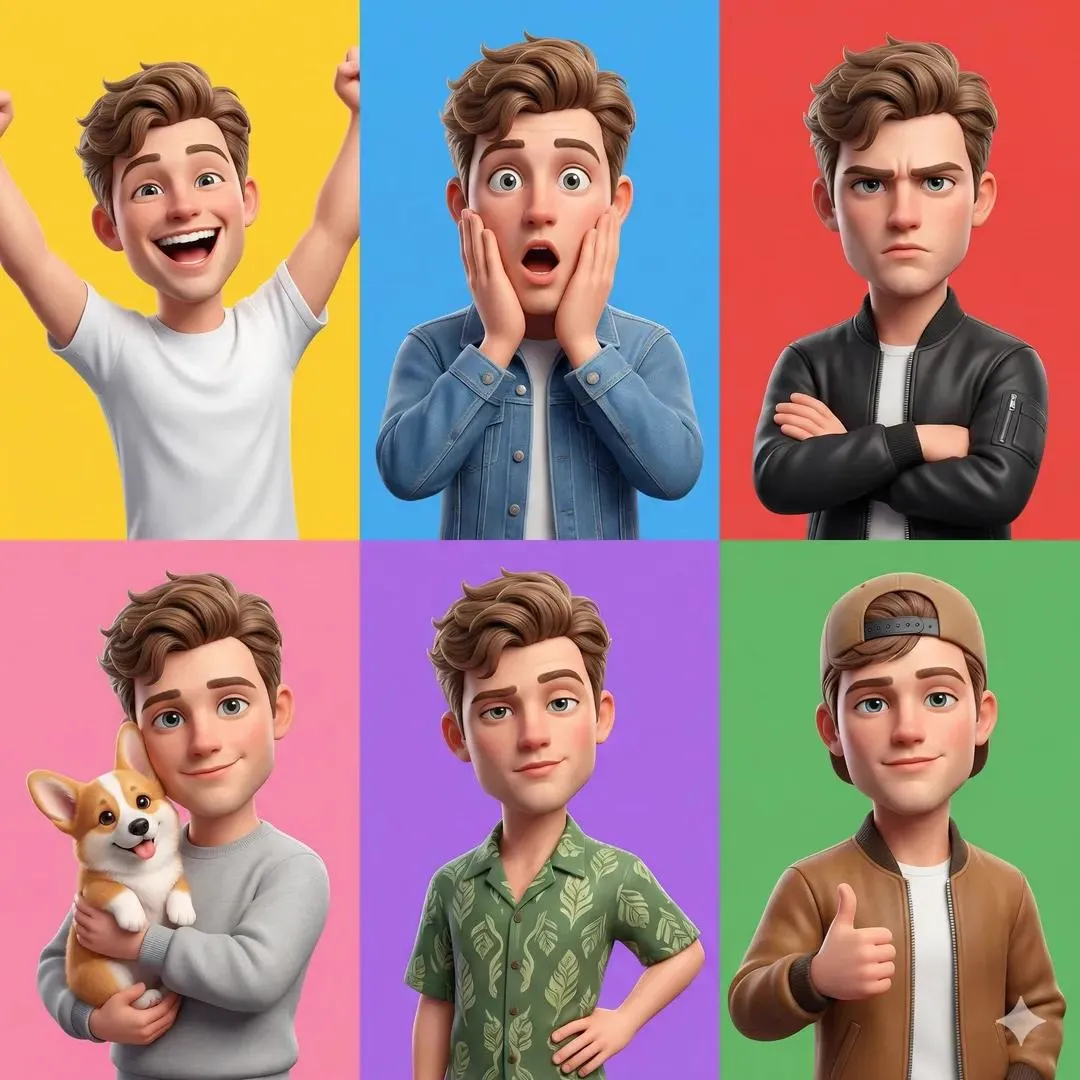
Reference-based techniques solve this: you provide several images of the character, and the system maintains its identity across every scene — facial features, clothing, and environment details stay locked. This works even when you switch between models with very different rendering styles, which is essential for anything longer than a single clip.
A practical workflow for cinematic AI video
1. Write a story, not a list of clips
Start with a proper narrative: a beginning that hooks, a middle that builds, an ending that lands. The director will use this structure to decide shot types and pacing.
2. Define your visual anchors
Generate reference images for characters and key locations. These anchors keep your story visually consistent from scene to scene. An AI image generator is the fastest way to establish them.
3. Direct scene by scene
Break the story into scenes and describe each one with direction in mind: camera angle, movement, lighting, mood. Use text-to-video generation for scenes you're building from scratch, or image-to-video conversion to animate your references.
4. Review with an editor's eye
Watch the assembled sequence and evaluate it like a director: does the pacing work? Is the character consistent? Are the transitions smooth? Iterate on the scenes that don't land — this is where the quality bar is set.
Who benefits most
Short-form creators
For Reels, Shorts, and TikToks, cinematic fluency is a differentiator. A hook that uses proper framing and rhythm stands out in a crowded feed. An AI director helps you produce polished short content consistently and quickly.
Brand and marketing teams
Brand content needs a unified visual language across every asset. With an AI director, every video follows the same composition rules, color grading, and narrative structure — reinforcing brand identity with every post.
Indie filmmakers
Independent filmmakers can pre-visualize scenes, build storyboards, and test shot ideas before committing to production. The ability to iterate visually at near-zero cost is a creative superpower.
Getting started
- Start small: Take a 30-second story and run it through the full workflow.
- Build your anchor library: Create reference images for recurring characters and settings.
- Compare models: Generate the same scene with different models and pick the combination that matches your aesthetic.
- Iterate deliberately: Improve one element at a time — pacing, then color, then camera — and reassess after each change.
Conclusion
An AI director brings the discipline of filmmaking to AI video creation. It handles narrative structure, visual grammar, and consistency — the elements that separate amateur clips from cinematic storytelling. Combined with a solid AI video generator and thoughtful direction on your part, it lets you tell stories that audiences trust and remember. The tools are ready; the director's chair is yours.
