
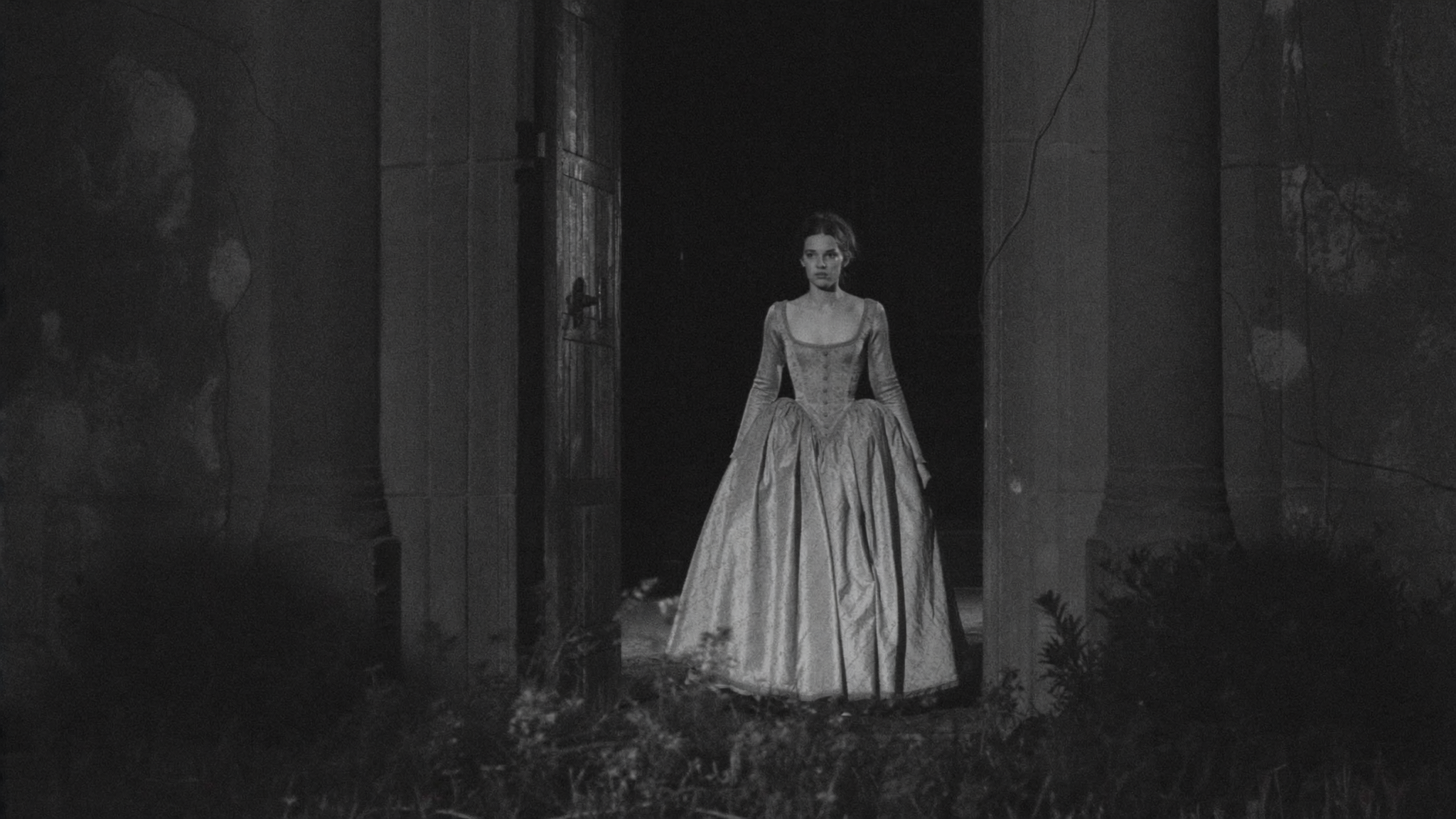
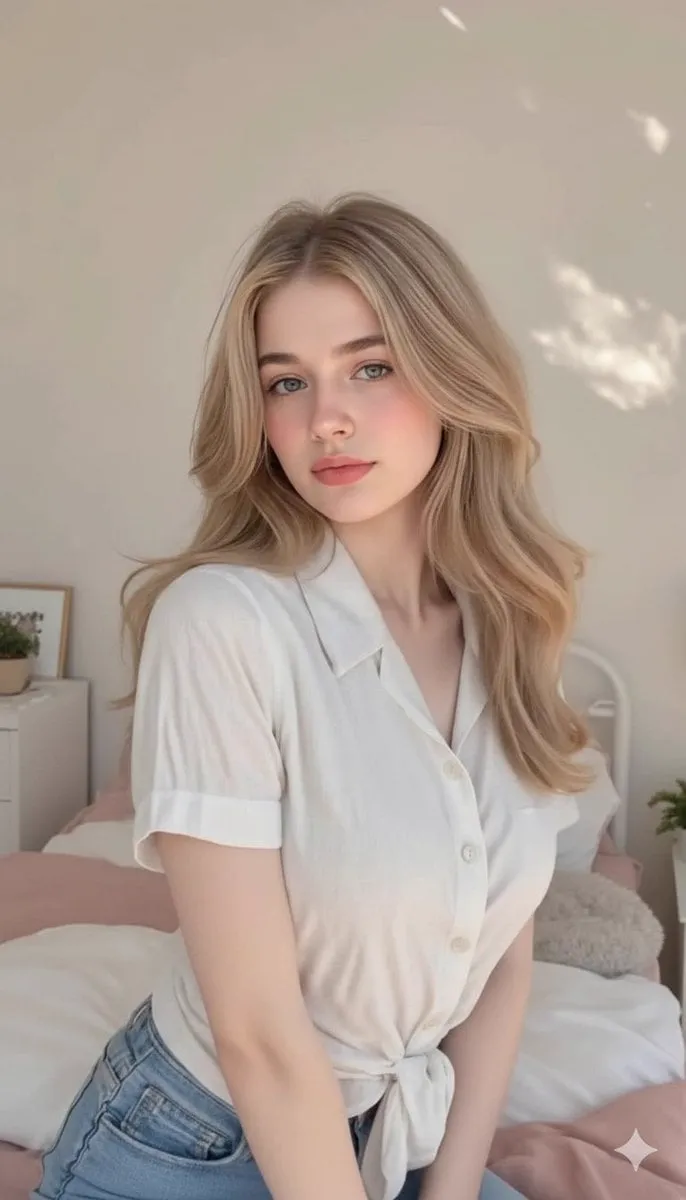
AI has stopped being a novelty generator and become a collaborator. In video production, that shift is unmistakable: the demand for high-quality, narrative-driven content is outstripping what traditional pipelines can produce, and more of that content is born from a text prompt than from a camera. But there is a wide gap between asking a model to "make something cool" and asking it to deliver a specific, emotionally legible story. That gap is closed by prompt engineering.
This workshop is practical. We will deconstruct the language of cinema so you can translate it into instructions a model understands, build a reliable prompt structure you can reuse, control motion and fidelity, keep characters and scenes consistent across many generations, and pick the right model for the emotion and look you want. By the end, you should be able to plan and produce a short narrative clip with intention rather than luck.
A Note on How to Work Through This Guide
Every section below includes a concept, an example, and an exercise. Do not just read the examples — run them. Take one short idea you would like to see as video, and carry it through each technique as we go. The difference between knowing about prompt engineering and doing it is exactly the difference between one clip and twenty.
The Current Landscape: Models Are Specialists, Not Generalists
The first thing to understand is that "AI video" is not one thing. We have moved past general-purpose synthesis into an era of hyper-specialization. One model excels at photorealism but animates poorly. Another produces stunning animated motion but cannot do believable hands. A third handles long coherent sequences better than single dramatic frames.
This has a practical consequence: the biggest creative win in AI video is not better prompting alone, it is routing. You should think of the model library as a stable of specialists you hire per shot, exactly as a director assembles a crew. Your job as a storyteller is to know which specialist serves each emotional beat and to write prompts in the language that specialist responds to best.
Deconstructing Cinematic Language for AI Translation
Cinema has its own grammar — framing, lighting, movement, rhythm — that an audience reads instinctively. Models that were trained on enormous amounts of footage have internalized something of that grammar, but only if your prompt speaks it explicitly.
Too many prompts describe the subject and stop. "A knight on a horse" leaves the camera, the light, and the mood to chance. A cinematic prompt adds the grammar: "a lone knight on horseback, low-angle heroic shot, golden backlight with atmospheric haze, slow push-in."
The lesson is that every cinematic variable you name is a variable the model stops guessing. Naming more of them — position, lens, light, motion, color — is the difference between a snapshot and a shot.
Establishing the Foundational Prompt Structure: The 5 Cs
You need a repeatable skeleton so quality does not depend on mood. A reliable prompt structure for cinematic video uses five anchors; call them the 5 Cs:
- Character — who is in the frame and what are they doing. Be specific about appearance, action, and intention.
- Context — where and when. The location, the era, the time of day, the weather. Context is how you avoid the generic studio void.
- Camera — the lens and the movement. Shot size, angle, focal length, and the move (push-in, crane, handheld, pan).
- Composition — how the frame is arranged. Subject placement, framing devices, depth, negative space.
- Color and light — the emotional temperature. The scene's palette, key light position and quality, overall mood.
Write them in a consistent order every time. Consistency in your own prompt format makes it far easier to compare two outputs, isolate what a change did, and debug why a clip drifted off from your intent. A structured prompt is a reproducible experiment; a loose one is a guess.
Advanced Parameter Injection: Controlling Motion and Fidelity
Beyond the sentence structure, most tools expose parameters that shape the output mechanically. Control these consciously rather than leaving them at defaults.
Motion is one of the most important. Many systems offer a motion or dynamics control that trades between calm, locked-off shots and exaggerated, fast movement. A horror sequence wants slow, creeping motion; a product launch wants confident, smooth travel. Choosing the motion character up front steers the feel far more than any adjectives.
Fidelity or detail parameters govern how hard the model pushes toward realistic texture versus a softer, more stylized interpretation. For faces, err toward detail; for abstract backgrounds, a freer hand often yields more elegant results. Resolution, aspect ratio, and duration round out the mechanical knobs — short and square for social, long and wide for narrative. Every parameter is a storytelling decision in disguise.
Achieving Visual Cohesion Across Scenes and Models
Story is the accumulation of consistent moments. A sequence of beautiful but unrelated images is a slideshow; a sequence of related images with internal continuity is a film. Cohesion is where most prompt engineers lose the thread, so here is how to hold it.
Build a reference sheet before you start generating. Decide the character's definitive look and the world's palette and light once, then restate them in every prompt. Treat consistency as copy-paste with intention, not as remembering what you said earlier.
Character keyframe consistency
The hardest thing to keep stable is a character. The most reliable technique is multi-image fusion: provide several reference images of the same subject from different angles and expressions, and let the model use them as anchors instead of inventing the face each time. Combined with keyframing — defining which fixed frames must look a certain way — this dramatically reduces drift.
Design shots around the character's stable features. A defining silhouette, a signature hairstyle, a strong wardrobe piece all survive generation better than a flickering micro-expression. Give your character an identity that is legible and repeatable, and the model will reward you.
Contextual scene linking and environmental anchoring
The world needs the same treatment. Pick a palette and stick to it; pick defining environmental elements (a window, a neon sign, a distinctive skyline) and reuse them as anchors across scenes. When shots share these environmental threads, the audience's brain stitches them into one space even without an explicit establishing visual.
Recognize that money shots benefit from a dedicated model, but connecting footage and wide establishing shots may only need a lighter, faster one. Cohesion is achieved in the edit and in the references you carry across models, not by one perfect render.
Using Model-Specific Strengths for Maximum Impact
Once your workflow routes shots to specialists, you can play to their advantages. For photorealism and fine detail, reach for the premium fidelity models — anything that must survive close inspection. For stylized, animated, or explosively mobile content, the faster creative engines often deliver more personality with less cost. For long, connected sequences, favor the models known for temporal coherence even if a single frame is less striking.
The unglamorous but decisive habit is documentation. Record which model, which parameters, and which prompt produced each accepted shot. When a model updates or your output shifts, your notes are the only way to know what changed and to restore the look. The creators who ship consistently treat their prompt library as a first-class asset.
Directing the Camera: Frame Control and Creative Direction
The most cinematic techniques are often the simplest to apply once you speak the language. Direct camera dynamics explicitly: tell the model when the camera moves and when it holds. A slow push-in builds tension; a quick handheld jitter signals urgency; a locked off wide shot betrays authority and scale. Naming the camera move is one of the highest-value edits you can make to any prompt.
Frame control lets you lock beats of a sequence and interpolate the motion between them. Fix the opening moment and the closing moment as defined frames and let the model animate the transition. This is how you guarantee that a shot ends where the next one must begin — the mechanical glue that turns generated clips into a montable scene.
The Craft of Selecting and Assembling Your Best Shot
The beginner instinct is to keep the first clip that works. The professional instinct is to treat selection as a deliberate craft, because the single most reliable way to raise the quality of any AI piece is to reject aggressively and keep only the clips that earn their place.
For every planned shot, generate a small batch of variations — four to eight is a practical range. Do not judge them in isolation or on your phone screen; put them side by side against the shot's brief and evaluate against the three things that matter for narrative: does it obey the instruction, does it keep the character and world consistent, and does it carry the intended emotional beat. A beautiful clip that breaks continuity is worse than a plain one that fits the sequence.
Selection is also where the editor contributes. In many production tools, you can draw masks, overlay a specific face or a corrected element, or regrade the light after generation. When a clip is ninety percent right but has a single flaw, decide whether to accept it with a small fix in post rather than rerolling for a perfect raw render that may never come.
This discipline compounds. Every strong selection becomes an anchor and a reference for the shots around it. The sequence you assemble reads as coherent because you deliberately picked clips that agree, not because the generator cooperated. Selection is the quiet second half of prompt engineering.
Building a Scene Sequencing Habit
Once individual prompts are under control, the real craft of storytelling is sequencing — deciding what happens when, and making each shot flow into the next. This is where AI video either reads as a film or as an unrelated gallery of clips.
Think in beats rather than in shots. A beat is a unit of story intention: the scene is introduced, the danger is revealed, the character reacts, the moment resolves. Map the sequence of beats before you enumerate shots. Usually each beat needs one or two shots at most, and naming the beat first prevents you from generating a pile of beautiful footage with no dramatic spine.
Enforce continuity rules across the sequence. The camera should travel in a believable way — a jump between an extreme wide and an extreme close with no connecting shot is jarring unless it is intentional. The lighting time of day should stay consistent unless the scene moves through time on purpose. The character's emotional trajectory, tracked through expression and framing, gives the sequence a rising and falling rhythm that audiences feel even when they cannot name it.
Use transitions deliberately. A dissolve still suggests the passage of time; a hard cut creates urgency; a match cut links two moments through a shared element. If you want a sophisticated feel, describe the transition even before selecting clips, so the model knows it is building toward a match rather than a pile of standalone shots. Sequencing is where prompts become story.
From One-Take to a Repeatable Workshop Method
The final layer of this workshop is turning everything you have learned into a repeatable method you can run again and again without reinventing the wheel each time you sit down to make something.
Start with a working brief template you fill in for every project: the intent sentence, the character reference, the palette, the camera grammar, and the beat map. A template forces you to make the decisions that save time later, and it guarantees your outputs stay consistent with the project before you begin.
Keep a private library of the prompts, seeds, and settings that worked. When a shot succeeds, record why. When a model updates and your results shift, you can compare against these notes instead of re-learning from scratch. Your prompt library is the single most valuable file you will accumulate, because it is the direct evidence of your growing craft.
Finally, review your own work like a critic. Watch your assembled sequence cold, ideally a day after you made it, and note what holds and what breaks. Iterate on the weakest shot rather than re-rendering everything. A short piece improved in focused passes will consistently outshine a sprawling one made in a single burst of generation. The repeatable method is what turns a momentary win into reliable, professional output.
Frequently Asked Questions
I do not have a film background. Can I still use these techniques? Yes. The vocabulary is learnable in an afternoon, and naming camera, light, and composition is a skill you improve with every clip. The structure does the heavy lifting for you.
Why do my results change even with the same prompt? Most tools are non-deterministic. Freeze any seed parameter your tool offers to get reproducible output, and always generate a small batch so you can choose rather than hope.
How many prompts does a good short film need? It varies, but plan on many revisions per shot. Settle for a strong clip per shot, then assemble. The magic happens in the selection and the edit, not in a single perfect generation.
How do I keep a character recognizably the same throughout? Use multiple anchor images, prefer keyframed shots, and design the character with stable, legible features. Consistency is a workflow, not a toggle.
Do I need to know programming to engineer prompts? No. Prompt engineering here is structured writing, not code. Parameters come through simple controls in the interfaces, and the 5 Cs keep your sentences disciplined.
Conclusion
Cinematic AI storytelling is a craft with a learnable method. By treating the model library as a crew of specialists, structuring every prompt through the 5 Cs, controlling motion and fidelity as narrative choices, and anchoring characters and worlds with references and keyframes, you transform AI video from a gamble into a discipline you can direct. The skills compound: every clip teaches you the language a little better, and every structured prompt is a reproducible experiment you can build on. Take one idea, run the workshop end to end, and let twenty iterations teach you more than a thousand tips ever could.
