
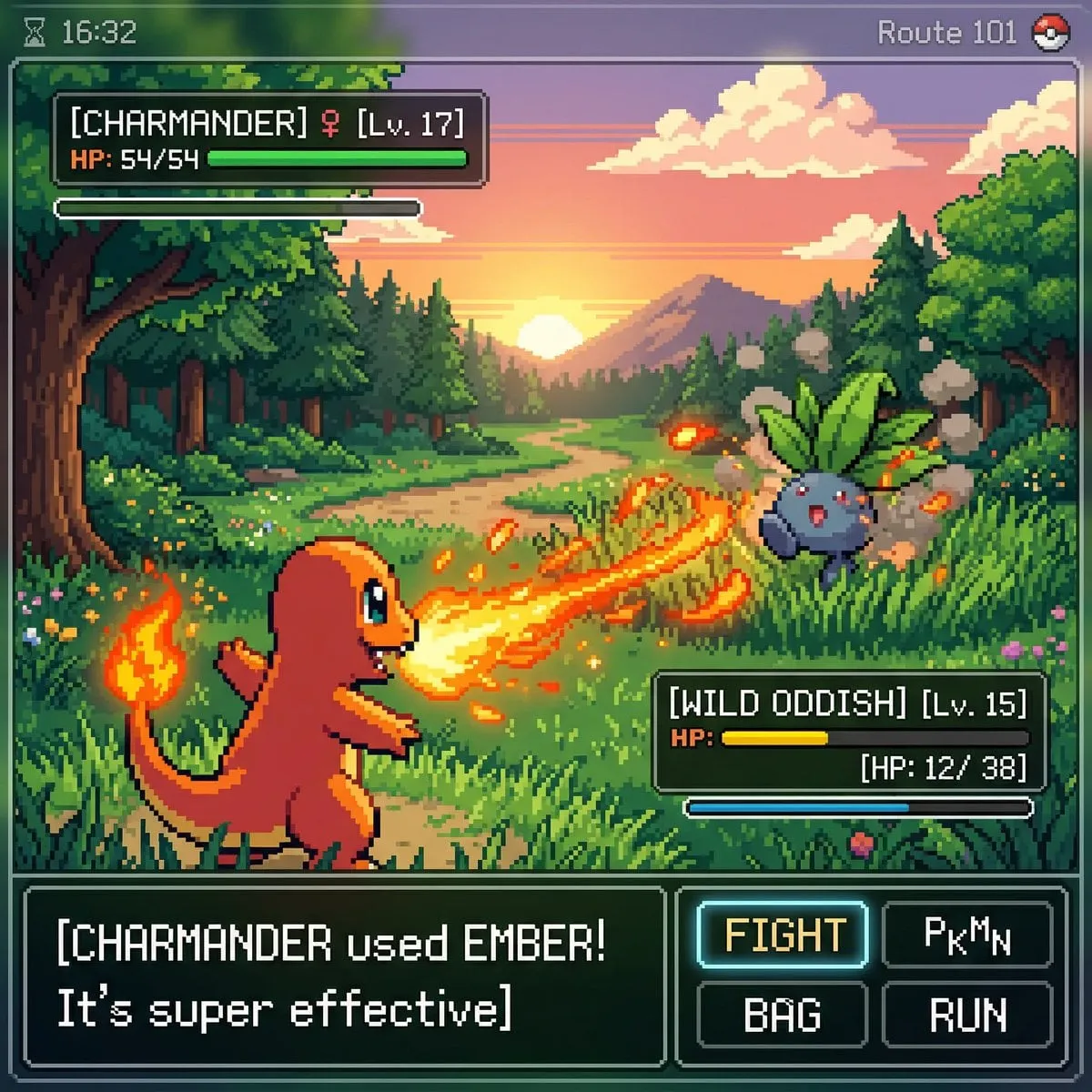
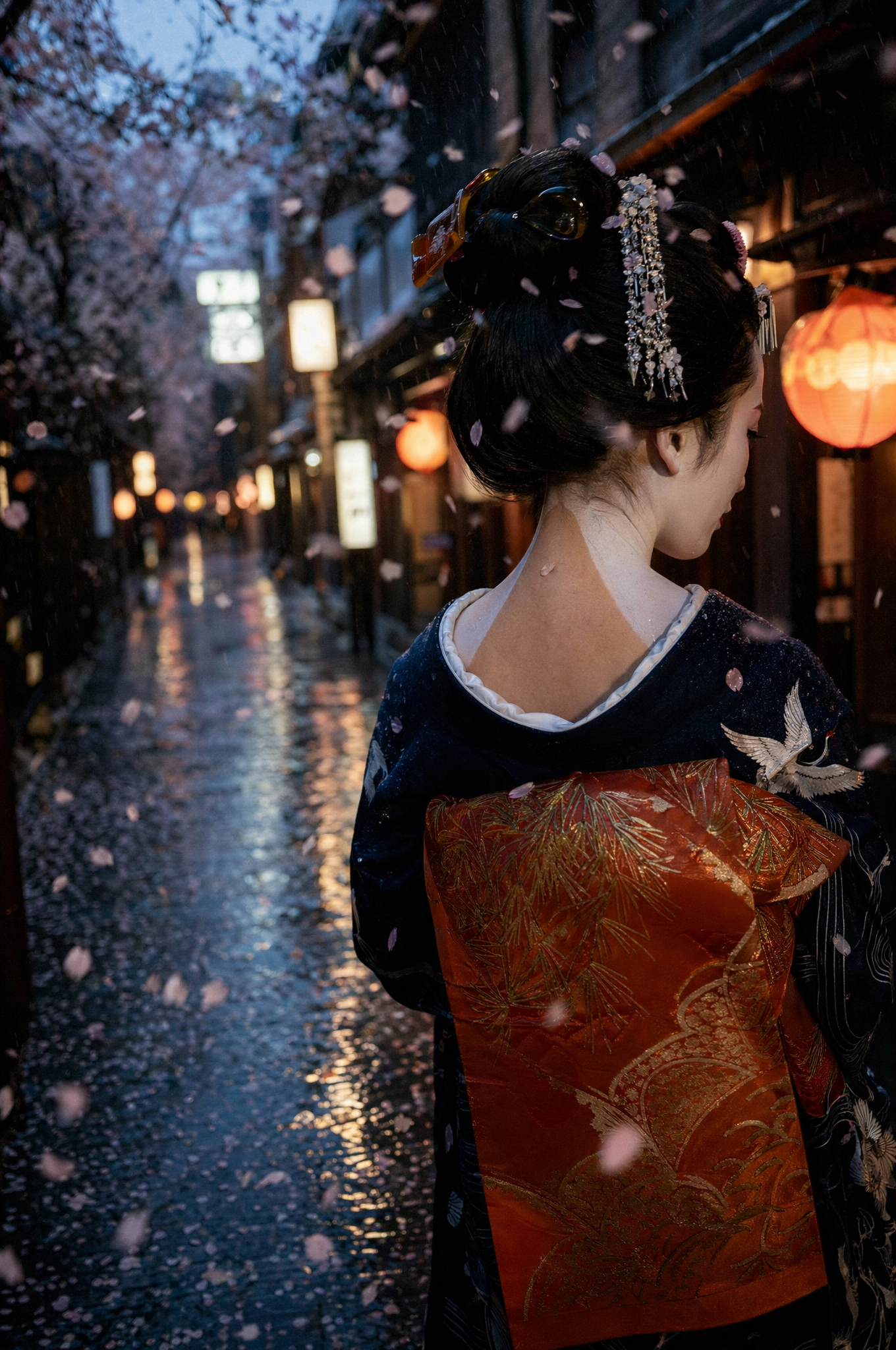
Cinematic storytelling is the craft of making an audience feel a scene rather than just see it. For most of film history, that craft lived behind a wall of experience: you needed to know lens choice, blocking, lighting, and camera movement, and you needed a crew to execute it. AI video generation has not torn down that wall, but it has opened a door. The knowledge is now encoded in tools, and the execution cost has dropped to the price of a prompt.
This guide walks through how to design cinematic scenes with AI, from interpreting a script to exporting finished footage. It is written for creators who want their AI videos to feel like films, not slideshows.
From Script to Visual Plan
Every cinematic scene starts as text, and the first job is translation. A script says what happens; a visual plan says how the audience sees it. The gap between the two is where most AI videos lose their cinematic quality.
Begin by extracting the emotional core of the scene. What should the audience feel at the end of it? Fear, warmth, awe, tension? Write that feeling down as a single sentence. Every visual decision that follows should serve that sentence.
Next, break the scene into beats. A beat is a unit of meaning: a look, a movement, an event. A one-minute scene usually contains four to eight beats. List them in order, then decide how much screen time each beat deserves. This is the skeleton of your shot list, and it is worth doing on paper before any generation begins.
Finally, define the visual anchors: the characters, the location, and the time of day. These anchors stay fixed across every shot, and they are the references you will feed to your generation tools.
Automated Cinematography: Camera as a Character
The fastest way to make AI footage look cinematic is to treat the camera as a participant in the story rather than a neutral observer. A static wide shot feels like documentation; a slow push-in feels like an invitation; a tracking shot feels like momentum.
Most modern video models accept camera language in their prompts, and the vocabulary is the same one directors have used for decades. A dolly-in concentrates attention on a detail. A crane shot reveals scale and creates awe. A handheld-style tracking shot adds urgency. A subtle parallax move, where the background moves differently from the subject, instantly adds depth.
The discipline is to assign each beat one camera idea and not mix them casually. A common beginner mistake is describing camera movement in every prompt, which produces restless footage. Instead, let static shots breathe between moving shots. The contrast is what makes the movement feel meaningful.
Composition rules still apply inside the frame. The rule of thirds places subjects off-center for visual tension. Leading lines draw the eye toward what matters. Negative space supports loneliness or anticipation. You can describe these choices directly: a subject positioned on the left third with a window as the leading line will usually be composed that way by a capable model.
One more principle deserves its own sentence: restraint. The most cinematic AI scenes usually use fewer camera moves, not more, because each move then carries meaning. If you find yourself describing a new camera trick for every beat, cut the moves in half and watch the scene gain weight. Motion is a currency, and spending it sparingly is what makes it valuable.
Choosing the Visual Language: Matching Models to Scenes
The same scene can be rendered by many models, and the choice changes the result more than any prompt tweak. A good director builds a small palette of models and knows which one to reach for at each beat.
For scenes that live on physical realism, water, fabric, skin, and believable weight, prioritize models with strong physics and material handling. For scenes that depend on controlled camera work, prioritize models with explicit motion control. For emotional performance, prioritize models known for natural human movement and facial nuance. For speed and iteration, keep a fast model in the rotation even if its peak quality is lower.
The key insight is that a single project can use several models as long as the style anchors, lighting, and color grading are consistent. The audience does not know or care which model produced which shot; they care that the world feels like one world. Keep a style sheet, a short document describing the look you are after, and check every shot against it.
Keyframes and Multi-Image Reference
Cinematic consistency is won in the references, not the prompts. Before generating a single moving shot, lock the look with still images.
Start with keyframes: one image per major story beat that fixes composition, lighting, and blocking. These are your blueprints. Then build a reference set for every recurring character and location, including multiple angles and lighting conditions. This is the material that multi-image fusion uses to keep identity stable across shots.
When a character must appear in a scene with new lighting or a new angle, generate the character reference first, then build the scene around it. When a location must appear consistent across shots, generate a location reference set and reuse it. This discipline feels slow at first, but it is the difference between a project that assembles into a film and a project that assembles into a highlight reel.
Planning and Executing the Generation Run
With the plan and references ready, the production phase becomes an execution problem rather than a creative one.
Generate in the order of the shot list, not in the order of inspiration. For each shot, start with the fixed anchors: character references, location references, and the style sheet. Then add the camera instruction, the action, and the lighting. Generate several variations of each shot in one batch, because the first take is rarely the best take.
Keep a log of what you generated, including the model, the settings, and which variations worked. This log is your insurance against rediscovery: when a combination works, you can reproduce it; when it fails, you can avoid it.
Resist the urge to accept a mediocre take because it is close enough. In AI production, regeneration is nearly free compared with the cost of a scene that breaks the illusion in the final edit. Take the extra pass on the shots that matter most.
A Three-Phase Scene Design Workflow
To make the theory concrete, here is a repeatable three-phase workflow for designing a cinematic scene with AI.
Phase one: define the tone and style anchor. Write the emotional core of the scene, choose the reference images that define the look, and decide the model palette. Output: a one-page style sheet and a reference set. This phase is finished when you could hand the materials to another creator and they would produce a recognizably similar scene.
Phase two: build the scene dynamically. Convert the beats into a shot list with camera language, generate keyframes for each beat, approve the keyframes, and then generate the moving shots with the references attached. Iterate on the shots that miss the emotional target. Output: a set of takes per beat, with the best ones identified in your log.
Phase three: post-process and deliver. Assemble the approved takes in an editor, cut for rhythm, apply a consistent color grade, and add music and sound design. Check the scene against the emotional core one last time, then export. Output: a finished scene that holds up on a phone screen and a cinema screen alike.
The three phases map cleanly onto the classic production roles: the style sheet is the art direction, the shot list is the storyboard, the keyframes are the look book, and the generation run is the shoot. You are performing all of those roles, but the structure keeps them separate, which is what prevents one weak decision from contaminating the whole scene. When a scene fails, the three-phase structure also tells you where it failed: the emotion was unclear in phase one, the plan was weak in phase two, or the delivery was rushed in phase three. Knowing where the problem lives is most of the fix.
The Technical Foundation of Consistency
The tools that make this workflow possible rest on infrastructure most creators never see, but its quality affects you directly. Reliable job queues mean your generations finish predictably. Modular services mean new features arrive without breaking the ones you rely on. Honest resource management means you are never surprised by long waits or silent failures.
When you choose a platform for cinematic work, run a consistency test rather than a beauty test. Generate one character across three scenes with references, and see how stable the identity is. If the platform's plumbing is weak, the cinematic promise will fall apart on the second shot, no matter how good the first one looks.
Lighting and Color as Scene Language
Light is the fastest way to tell the audience how to feel, and it is fully controllable in AI prompts. The same subject, the same camera move, and a different lighting description will produce a different emotional scene.
Golden hour light, warm and low, reads as nostalgia, intimacy, and beauty. It is the default choice for love stories, family moments, and hero product shots. High noon light, hard and shadowless, reads as documentary truth, harshness, or neutrality; it suits realism-heavy scenes that must not feel romanticized. Night and neon light, with color contrast and reflections, reads as tension, mystery, and urban energy; it is the vocabulary of thrillers and music videos.
Color temperature and contrast do the rest of the work. Warm palettes pull the audience toward comfort; cool palettes push them toward distance and alertness. Low contrast feels soft and safe; high contrast feels dramatic and dangerous. A horror scene in bright pastel colors would fail not because the model could not render it, but because the palette fights the emotion.
The practical habit is to decide the lighting direction before writing the prompt, then name it explicitly: warm backlight with soft shadows, cold key light from above, neon fill from the left. Keep the lighting direction consistent across the shots of one scene, and keep the overall grade consistent across the whole video. When every shot of a scene shares the same light logic, the scene feels like one continuous moment rather than a collection of clips.
Frequently Asked Questions
Do I need to study filmmaking to use AI for cinematic scenes?
It helps, but the tools now encode much of the knowledge. Learn the basics: shot types, camera moves, composition rules, and lighting language. That vocabulary is enough to direct AI models effectively.
What is the most common reason AI cinematic videos fail?
Inconsistency. Characters change between shots, locations drift, and lighting jumps around. Almost every failure traces back to weak references or an inconsistent style sheet, not to the models themselves.
How long should a cinematic AI scene be?
Start with fifteen to sixty seconds. Short scenes let you control quality and iterate quickly. Once your workflow is stable, extend the scene length and the number of beats.
Can I mix footage from different models in one scene?
Yes, and professional projects routinely do. The condition is consistent style anchors: similar lighting, matching color grade, and the same character references. If the world feels coherent, the audience will not notice the seams.
What should I fix first in post-production?
Color and sound. A consistent grade unifies clips from different models, and music plus sound design carries more emotional weight than any single visual effect. A scene with weak visuals and strong sound will beat strong visuals and no sound.
Cinematic storytelling is not a feature of any single model; it is a discipline. The plan, the references, the camera language, and the workflow do the work. AI removes the execution cost of making something look like a film, but it does not remove the responsibility of deciding what the film is about. Define the feeling, protect the consistency, and the tools will meet you there.
