
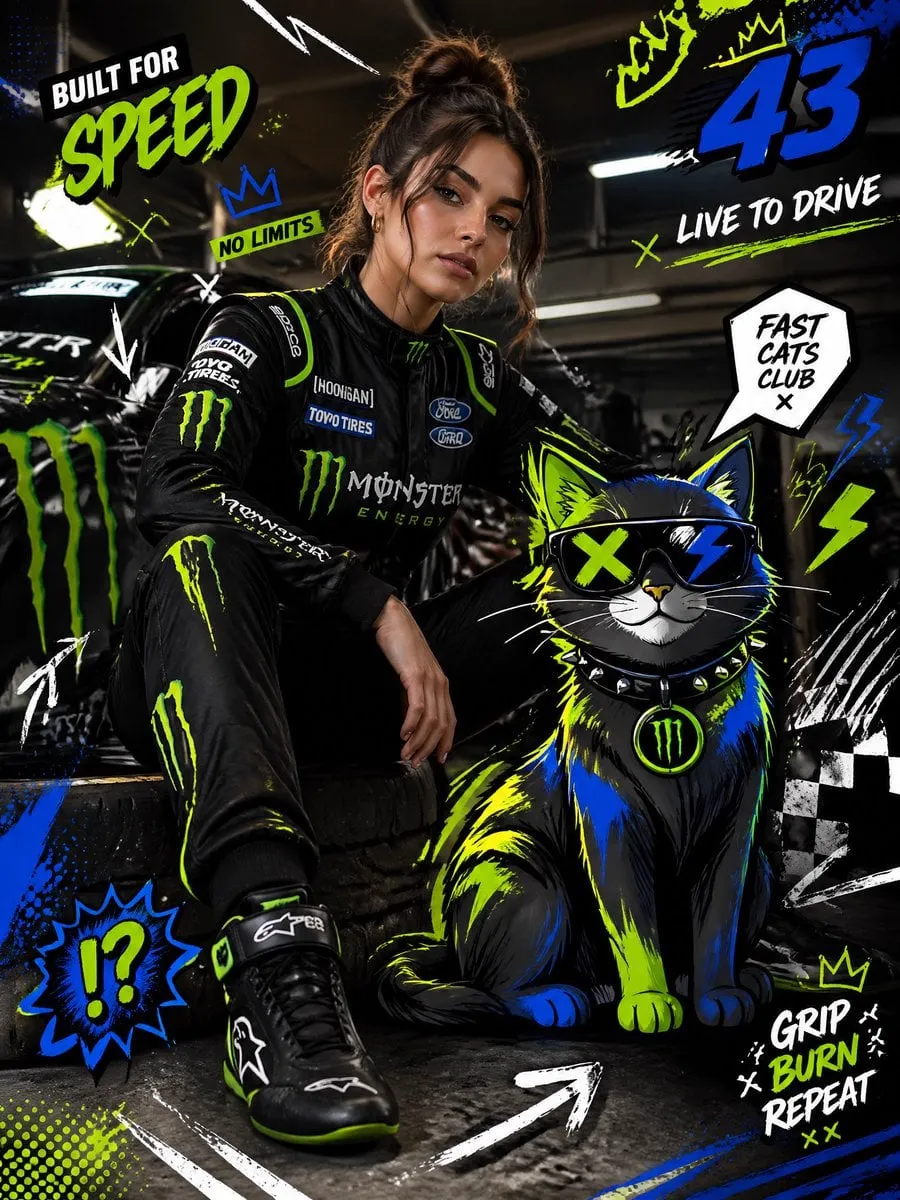
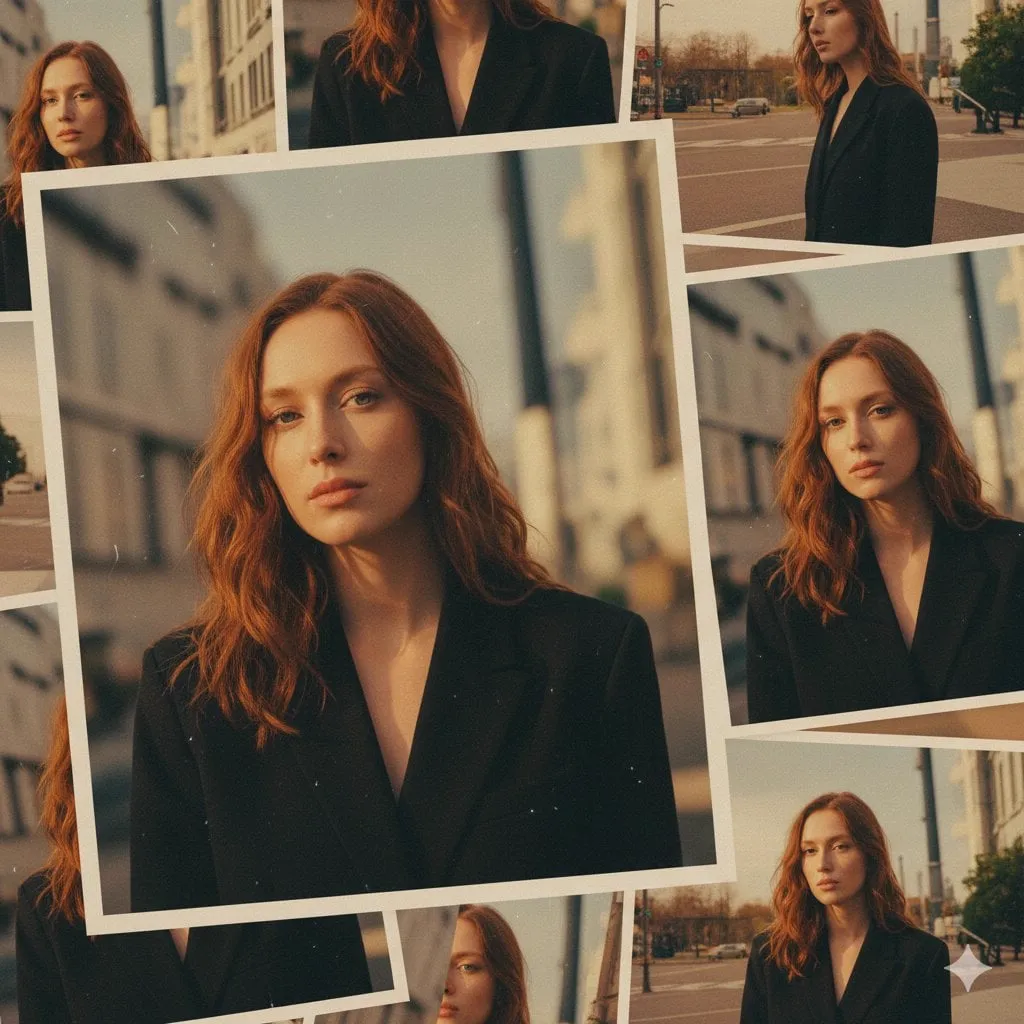
Every creator knows the feeling: you publish a video, the views trickle in, and then the feed moves on. Meanwhile, other videos from accounts you have never heard of take off overnight. The difference is rarely luck. It is usually structure, rhythm, and a story that earns attention. Cinematic storytelling, once the domain of film schools and big production houses, is now accessible to anyone who understands its principles and has the right tools. With AI handling the heavy production lifting, the bottleneck has shifted from execution to narrative craft. This guide shows you how to think like a director, use AI tools effectively, and build a repeatable system for viral video success.
Why cinematic storytelling matters more than ever
We are drowning in content. Every platform is saturated, and viewers have become experts at ignoring videos within the first second. In this environment, production value alone no longer stops the scroll. What stops it is a moment of narrative tension: a question, a surprise, a promise, a character you want to follow.
Cinematic storytelling is a set of tools for creating those moments deliberately. It includes the hook, the escalation of stakes, the pacing of reveals, and the emotional payoff. These are not abstract film school concepts; they are concrete decisions you make before you generate a single frame.
The global AI video generation market is growing fast, and the quality bar keeps rising. Viewers have seen what Sora, Runway, and Kling can do, so their expectations for visual quality are already high. Visuals get you into the game; narrative keeps you in it. The creators who understand this pairing, strong images plus a story that earns attention, are the ones building audiences that last.
Choosing the right generation engine for your story
The first directorial decision happens before you generate anything: which model should carry which part of your story. No single engine is best for everything, and the choice affects not just the look but the narrative possibilities.
Models like Runway and the Sora series set the benchmark for cinematic quality and narrative coherence. They excel at complex scenes, long takes, and physical realism. If your story depends on a believable environment, a dramatic light change, or a continuous action sequence, these are your primary tools. Their cost and render time are higher, so reserve them for the scenes that carry the most narrative weight.
The Flux family brings different strengths: precise style control and strong adherence to reference material. When your story demands a consistent visual identity, a specific character design, or a brand style that must not drift, Flux-style models give you the control you need.
Kling and similar models add regional strengths and distinctive aesthetics. For stories that lean on specific cultural textures or stylized motion, they can be the best fit. The practical rule: define what each scene must accomplish emotionally, then pick the engine that delivers that effect with the best quality-to-cost ratio. Prototype with fast, cheap models and finish with premium ones.
Harnessing breakthrough models for narrative scope
Some stories need more than a single beautiful scene; they need scope. A chase across a city, a time-lapse of a season, a character aging over decades, these are the moments where breakthrough models earn their reputation.
Long-form narrative coherence is the key capability. Modern models can maintain a consistent world across multiple shots, which matters when your story spans locations and time. The ability to simulate physics, crowds, weather, and light changes gives you the visual vocabulary of a real production without the crew.
The strategic insight is to use these capabilities sparingly. One sweeping establishing shot can set the entire tone of your video; a dozen of them will bore the viewer. Identify the two or three moments in your story where scale and realism will have the maximum emotional impact, and spend your premium generation budget there. The rest of the video can be simpler, because the audience's memory will be shaped by those peak moments.
Visual control: how references and keyframes shape the story
The director's job is control, and modern AI tools give you more of it than ever. The two most powerful controls are reference images and keyframes.
Reference images let you fix the identity of characters, products, and environments. Feed the model several angles of your protagonist, and it keeps that face consistent across scenes. For brand content, this is how the logo, the packaging, and the color palette survive the transition from one shot to the next. Reference control is what turns a collection of pretty clips into a coherent film.
Keyframes let you direct the motion itself. By defining the starting frame and the ending frame of a shot, you tell the model exactly where the scene begins and where it lands. This is invaluable for storytelling because so much of narrative is about change: the character enters the frame, the camera pushes in, the light shifts. Each of those movements can be planned as a keyframe transition, which means your storyboard is no longer just a suggestion; it becomes the production specification.
Multi-reference workflows take this further by combining several inputs at once: product photos, style examples, and color palettes. The result is that brand assets become reusable production inputs, and every new video starts from a validated baseline instead of a blank prompt.
How an AI director agent changes the workflow
The most interesting evolution in AI video production is the emergence of director agents: AI systems that translate narrative intent into production decisions. Instead of writing isolated prompts, you describe the story or the goal, and the system proposes scene breakdowns, shot lists, camera moves, and pacing.
A well-designed director agent behaves like a first assistant director. Give it a script, and it segments the story into logical sequences, suggests the shots needed to tell it, and even recommends which generation model fits each scene. For an action beat, it may propose quick cuts, low angles, and motion blur. For an intimate dialogue, it will suggest close-ups and gentle transitions.
The value is speed and structure. What used to take an experienced editor hours, shot composition and camera work suggestions, now takes seconds, and the structure it provides prevents the common failure mode of generating beautiful but disconnected clips. You remain the final director: you review the breakdown, keep what serves the story, and discard what does not. The agent accelerates the journey from intent to footage; the taste is still yours.
Structure correction and pacing: the invisible craft
Pacing is the least visible and most powerful element of cinematic storytelling. Two videos with identical footage feel completely different depending on how the cuts land, how long each shot holds, and where the silence sits.
AI tools increasingly help with pacing in two ways. First, they can analyze a sequence and flag rhythm problems: shots that hold too long, transitions that feel abrupt, or a buildup that lacks escalation. Second, they can suggest alternatives: where to insert a reaction shot, when to change the tempo, how to time a reveal for maximum impact.
Use these suggestions, but verify them against your audience. Pacing is not a universal formula; it depends on platform, genre, and audience tolerance. A documentary audience accepts slow builds; a short-form audience punishes them. Test different pacing in different formats and let the data tell you what your specific audience rewards.
Building a repeatable production pipeline
Viral success is not a single hit; it is a system that produces hits with increasing probability. A repeatable pipeline has four stages.
Pre-production: define the story, the hook, and the emotional arc. Write the script, choose the visual style, and collect references. This stage decides 80 percent of the outcome.
Prototyping: generate fast, cheap versions of the key scenes to validate direction. This is where you discover that the character design is wrong or the tone is off, before you have spent premium budget.
Production: generate the final scenes with the models selected for each shot. By this stage, every scene has its model, its prompt, and its references defined, so the process is execution rather than exploration.
Post-production and iteration: edit for pacing, add sound and captions, publish, and study the metrics. Feed what you learn back into the next pre-production round. Each cycle makes the system smarter.
Consistency across scenes: the technical glue
Nothing breaks a story faster than visual inconsistency. A character whose face changes between scenes, or a color palette that shifts mid-video, instantly destroys the suspension of disbelief.
The technical toolkit for consistency has matured. Multi-image fusion keeps character identity stable across scenes and lighting conditions. Video fusion techniques blend outputs from different engines so that color space, lighting, and texture remain aligned even when multiple models contributed to the video. Keyframe locking forces alignment at critical transition points, which is essential when a scene is composited from different sources.
Treat consistency as a system, not a single setting. Define the style baseline first, secure character and product identity with references, and only then apply per-scene refinements. Document the settings and references you used, because consistency across a series of videos matters as much as consistency within one.
Monetization and community: the business of attention
Storytelling that builds an audience can also build a business. The paths are familiar but worth revisiting with AI economics in mind.
Services are the fastest entry: AI-assisted video production for brands that cannot produce it themselves. The market values speed and narrative quality, and your ability to deliver both is your pitch. Products are the scalable path: templates, style packs, and model variations that other creators license for their own work. Community is the moat: creators who share their process, teach their methods, and build a recognizable style attract audiences that follow them across platforms.
Whatever path you choose, the currency is consistency. A portfolio with a recognizable narrative voice is worth more than a hundred scattered experiments. Document your workflow, publish your best work regularly, and let the compounding effect of a coherent body of work do its job.
Deconstructing what makes a video go viral
Viral videos are not random, and you do not need to reverse-engineer them from scratch. The pattern is consistent enough to study and repeat.
The first element is the hook, the opening that stops the scroll. The best hooks create an open loop: a question, a contradiction, a promise of transformation, a glimpse of something unusual. The viewer must feel that they are missing something by leaving. Study the first three seconds of videos that perform well in your niche and write hooks that open the same kind of loop.
The second element is the escalation. A video that stays at one level of intensity loses people. The structure should climb: each section raises the stakes, reveals new information, or shifts the emotional register. This is where pacing tools earn their keep, because the AI can suggest where the tempo should change, but you decide whether the change serves the story.
The third element is the payoff, the moment that resolves the loop the hook opened. It does not have to be a surprise twist; it has to be satisfying. A clear takeaway, an emotional beat, a memorable image, or a call to act with a reason to act. The payoff is what makes viewers share, because sharing is how viewers say "this was worth my time."
The fourth element is the loop itself: the shareable structure that invites comments and saves. Questions that invite opinion, frameworks viewers want to bookmark, or a series format that promises more all extend the life of a video beyond the initial view. Design for the comment section as deliberately as you design the visuals.
Frequently asked questions
Do I need film experience to use these techniques? No. The principles are simple: have a clear story, hook the viewer early, control the pacing, and keep the visuals consistent. The tools handle the technical execution; you provide the judgment.
Which model should I start with? Start with a fast, inexpensive model to learn the workflow, then add premium models for the scenes that carry the most narrative weight. Master one tool before expanding.
How long does it take to produce a short cinematic video? With a defined story and references, a 30-60 second video can go from script to export in a few hours. Prototyping and iteration time depends on how quickly you can evaluate your own work.
Is AI-generated video good enough for professional use? For many use cases, yes, especially when combined with solid storytelling and careful post-production. Review the platform's terms for commercial use and be transparent where required.
What is the biggest mistake to avoid? Generating lots of footage without a story. Beautiful clips that do not connect are wasted effort. Decide what you are saying before you decide what you are showing.
