
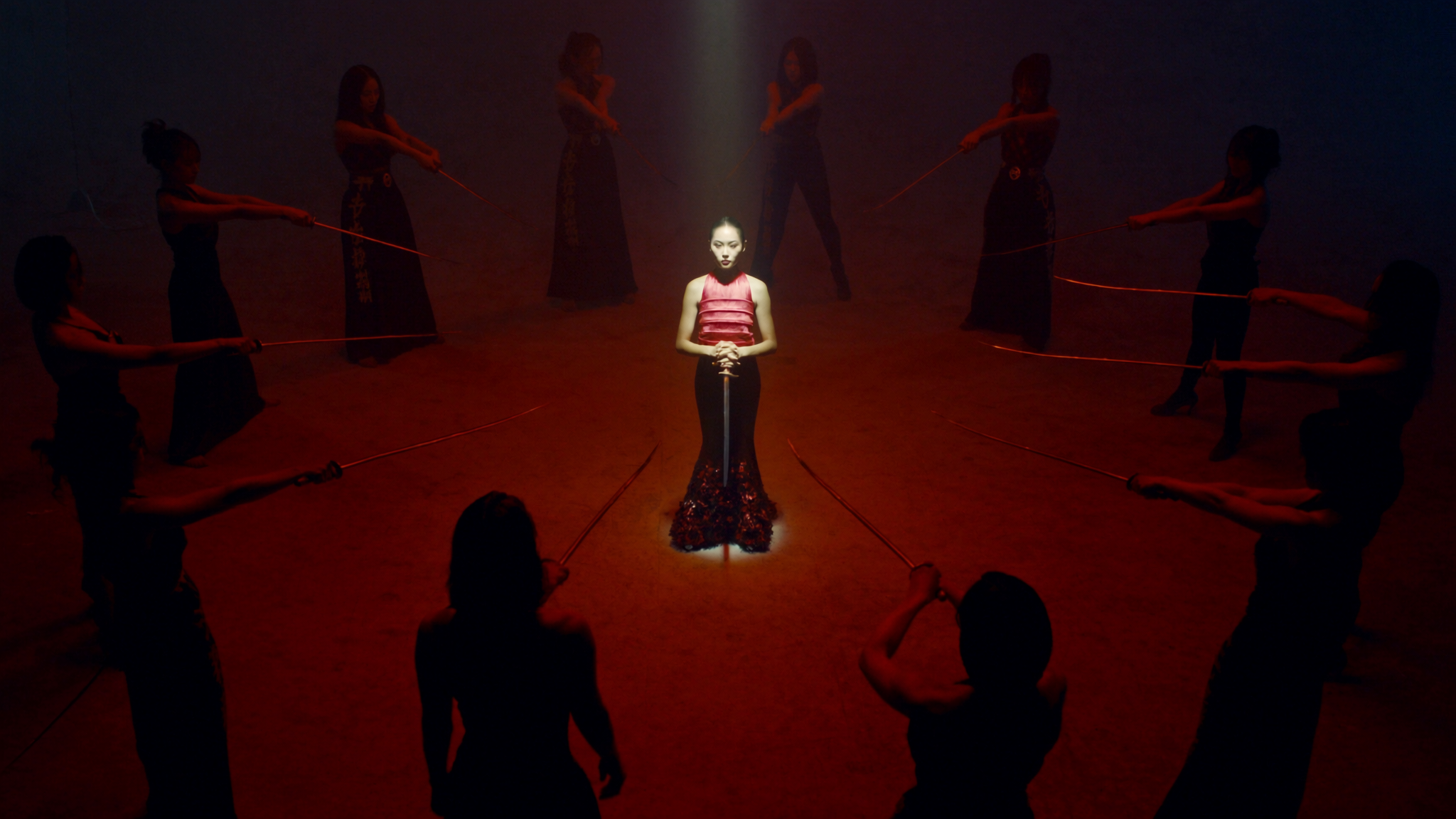
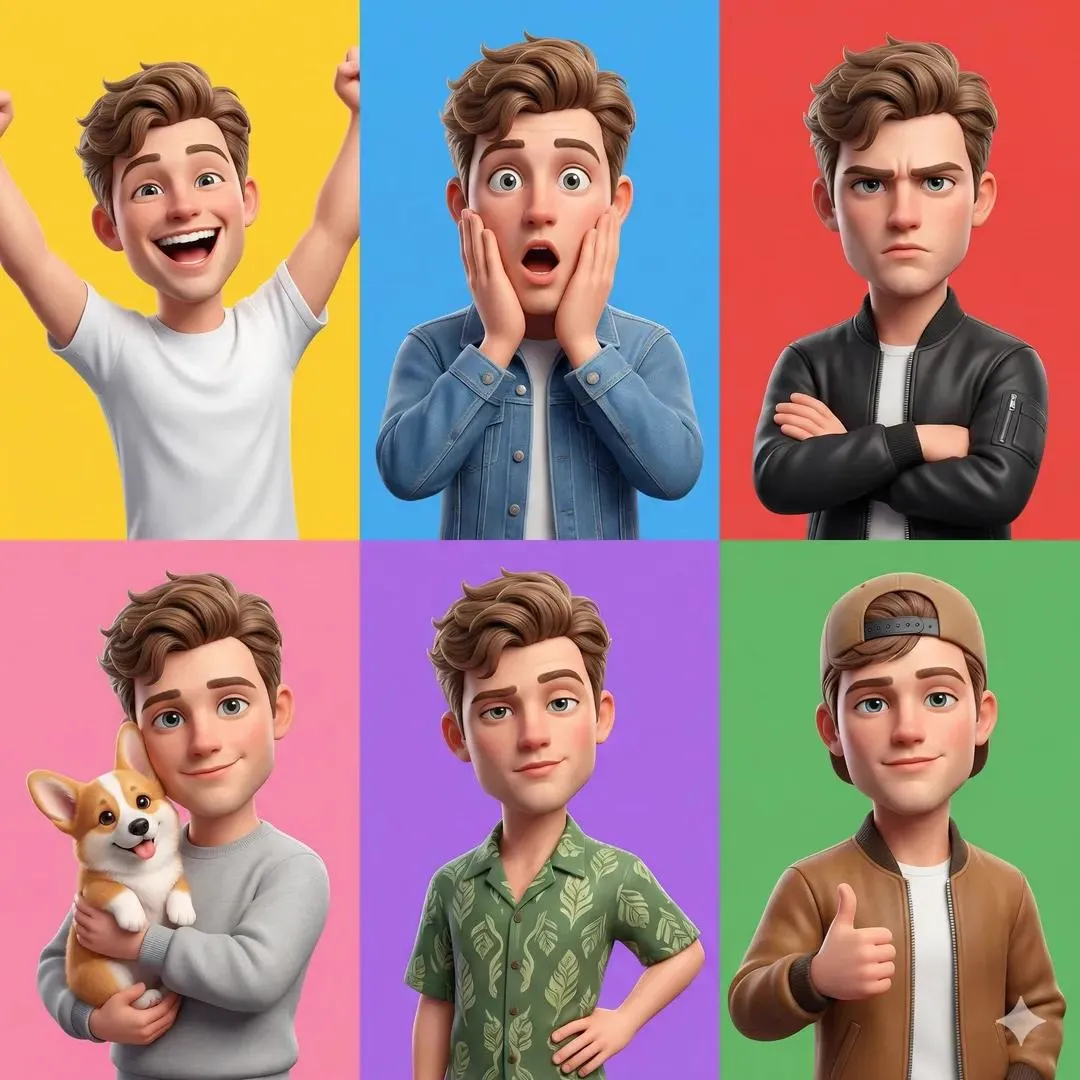

Cinema has never been an accident. The best shots on screen feel effortless, but they are the product of deliberate decisions about framing, movement, light, and rhythm stacked on top of each other. What is changing is how accessible those decisions are becoming. Direction-assist software now translates a script into shot lists, suggests camera moves, and shapes pacing before a frame is generated, handing a level of cinematic literacy to creators who never spent a decade on set. This guide is about mastering that craft: understanding what makes a shot read as intentional, and building a workflow in which every frame you generate arrives with a purpose.
Reading a Scene Like a Director
A director does not see an image; they see a chain of choices. When you look at a scene, the first decision is coverage: which shots establish the space, which capture the emotion, and which carry the action forward. Divide the scene into hooks, beats, and exits, then assign at least one shot to each. A hook earns attention, a beat deepens, and an exit releases tension so the next scene can start fresh.
Framing is the next layer. The distance and angle of a shot change what an audience believes. A close-up draws you into intent and vulnerability, a medium shot balances subject and context, and a wide shot communicates scale and isolation. Ask what the moment needs emotionally, then choose the frame that serves it. Directors who decide this before generating never have to salvage a shot that reads as accidental.
The Geometry of the Frame
Composition is where intention becomes visible. Two tools do most of the heavy lifting: rule-of-thirds placement and the deliberate use of negative space. Placing a subject off-center creates tension and movement, while a centered composition delivers stability and authority. Leading lines and foreground layers both add depth, guiding the eye exactly where you want it.
Balance is equally important. A character anchored to one side can be counterweighted by background elements or an asymmetrical pool of light. Even when the image feels calm, the eye should trace a clear path across the frame. Before you generate, sketch the geometry in your head: where is the subject, where is the light, where does the eye rest? A frame with an intentional path is a frame that reads.
Motion as Language
Camera movement is vocabulary, not decoration. A slow push-in narrows focus and builds pressure, a gentle dolly grants reflection and perspective, and a quick truck or whip communicates energy and disorientation. Each movement should have a motive, or it becomes noise. When planning a shot, name the emotion the movement carries before you write the prompt for it.
Pacing deserves the same treatment as physical motion. The same scene at ten seconds and at forty seconds is a different piece of content. Tight timing suits social platforms where the first second decides everything, while slower cuts let moods settle for narrative work. Treat duration as a creative lever: accelerate for urgency, hold for weight, and vary the rhythm so the sequence breathes instead of pulsing monotonously.
Translating Vision Into a Generation Prompt
A director's notes only help if they reach the tool intact. The bridge is the prompt, and the discipline is translating cinematic language into dense, unambiguous instructions. State the subject, the framing, the light source, the camera motion, and the mood explicitly. Avoid vague adjectives in favor of concrete guidance a model can actually act on.
Consistency across shots follows the same logic. Reuse the same reference image and the same seed for a character or location so the identity is locked before you fine-tune anything else. When multiple shots must agree on look, palette, and space, establish canonical references first. A director who locks the look has already won half the battle, because every later render inherits the correct visual language automatically.
Building a Reusable Shot Library
The value of a disciplined workflow compounds when you build reusable assets. Instead of re-describing a brand or a hero character for every project, maintain a small library of canonical references: clean images, their seeds, and the prompts that produced them. Each entry becomes a building block that new projects stack and resize without reinventing the look.
This library also preserves the lessons you learn along the way. When a framing technique works, document it; when a prompt misbehaves, note what to avoid. Over time, a personal collection of proven shots and language is more valuable than any single model upgrade. It is your continuity archive, your style guide, and your training ground, all in one folder.
Making the Craft Routine
None of this demands a team. A repeatable director's workflow fits in a simple loop. Warm up by blocking the scene on paper: define coverage, name the feeling of each move, and choose the frames. Then lock references and seeds, generate quick test passes to verify stability and mood, and only commit to the final render once the direction holds. Finish with an honest review: did the shot read as intentional, and what would you change next time?
Protect the routine from becoming rigid. Leave room to follow a strong accident, because inspiration still overturns a plan now and then. The point of the craft is not to eliminate surprise but to ensure that every shot that survives into the cut has earned its place through clear intent.
Frequently Asked Questions
Do I need to study years of film theory first?
No. A working grasp of coverage, framing, and motion gets you a long way, and every project teaches you more. The tools scaffold the theory while you practice.
What is the single most reliable way to improve my shots?
Decide the intent before you generate. Naming the emotion and purpose of a shot before prompting consistently produces stronger frames than iterating on vague requests.
How do I keep multiple shots of the same moment consistent?
Lock a shared reference image and seed, then vary only what legitimately changes between shots. Consistency lives in the anchor, not in a fresh description each time.
Is close-up or wide better for short-form content?
It depends on the platform and the beat. Close-ups grab attention fast, while wides establish stakes. A strong sequence usually mixes both rather than committing to one.
Will direction assistance remove the need for my own taste?
No. The tools propose, you decide. The more clearly you know what you want, the more effectively the assistance serves you.
What makes a frame recognizable as "intentional"?
Intent tends to show up in three places: a clear focal path through the frame, light that supports rather than fights the subject, and motion that agrees with the mood of the beat. Nail those and a shot reads as designed.
Light as a Narrative Tool
Light does more than illuminate; it assigns meaning. A hard, directional source carves out drama and shapes, while a soft, diffused light flattens tension and feels gentle. The position of the source changes what a face tells the audience, and the color temperature sets the emotional register before any action begins. Directors read light as subtext, and you can too, by naming the feeling the source should carry before it is generated.
Thinking about light early pays off richly in consistency. If every shot in a sequence agrees on the direction and quality of the key light, the scene feels like a real place, and the audience accepts the geography without noticing. When light drifts from shot to shot, the frame reads as assembled rather than filmed. Deciding the lighting plan up front ties the whole sequence together and makes each generation more predictable.
Composing for the Platform, Not Just the Story
A beautiful frame for a cinema screen is not automatically a great frame for a phone. Aspect ratio changes everything about composition: vertical formats reward subjects that occupy the frame boldly and readable foregrounds, while wide formats allow more spatial storytelling and negative space. Know where the shot will live before you compose it, not after.
This is especially relevant for short-form work, where the first seconds decide whether anyone stays. Lock the hook in the opening frames, keep the subject well inside the safe margins, and make sure essential information is never cut off by platform overlays. Composing for the platform is not a sacrifice of craft; it is craft applied to a specific reality. The same intent can be realized in different frames, as long as you design each one deliberately.
Building Tension Through Contrast and Restraint
Cinematography is as much about what you hold back as what you show. A frame packed with information overwhelms; a quiet frame with generous negative space lets the viewer lean in. Alternating moments of density and restraint creates a rhythm that sustains attention and gives the story room to breathe. Think of it as pacing made visible.
Restraint also applies to motion. A sequence that only ever moves fast or slowly becomes monotonous; the jarring contrast between a held shot and a sudden dynamic cut is what produces impact. Plan the alternation rather than letting it happen by chance. When contrast is deliberate, the emotional beats land harder, and the entire piece feels composed instead of generated.
An Editing Mindset at the Prompt Stage
The most efficient editors think forward: every shot is generated with the cut already in mind. That means useful overlap, spatial continuity for eyeline, and the kind of coverage that future shots can build upon. A prompt that anticipates how the clip will be used saves editing time later, because the footage arrives ready to assemble.
It also protects against a common failure: generating a stunning clip that does not fit anything. By the time you prompt, know the shot that comes before and after it, and match their mood, light, and motion. This forward-thinking discipline transforms isolated outputs into a plan. The result is a sequence with real flow, not a drawer full of beautiful fragments waiting for a story that never arrives.
Keeping the Hero of the Story in Frame
Amid all the technique, it is easy to forget that the audience watches a subject, not a composition. A flawless frame that buries its protagonist signals something off, even when the viewer cannot name it. Protect the hero: give them the clearest light, the anchor in the frame, and the visual weight of the moment. Every other element should support, not compete.
This is also a consistency rule in disguise. When the hero is consistently the most legible element, the eye knows where to look and the character reads as stable across shots. Test each pending frame against a simple question: is the hero unmistakable here? If the answer is no, simplify the background or increase the contrast before generating. Keeping the subject the center of gravity is a small habit with outsized impact on the perceived quality of a sequence.
Knowing When a Shot Should Not Move
Motion is a tool, and like any tool it can be overused. Some of the most affecting frames in cinema barely move at all, because stillness itself communicates weight, grief, calm, or danger. A sequence that never rests wears out its audience, while a deliberate moment of held stillness creates a contrast that makes the surrounding motion land harder.
Choosing stillness is as intentional as choosing motion. Ask what the beat needs: sometimes the strongest choice is a freeze that lets the audience absorb reality. When you generate a quiet frame on purpose, protect that restraint against the temptation to add flourish. The craft of the director is knowing when to move and, just as importantly, when to hold still. Mastery of both is what gives a sequence its rhythm and its resonance.
Where Cinematic Intent Leads
Cinematic storytelling is not the preserve of a lucky few with film degrees. It is a set of learnable choices, and generative tools have made those choices practical for everyone. Read the scene, design the frame, give the camera a motive, translate your notes into precise prompts, and lock the look before you render. Each discipline is small, but together they change the output from a sequence of pretty pictures into a sequence of decisions. That is what separates occasional luck from reliable craft, and it is a craft anyone can build, one shot at a time.
