
It used to be that achieving a cinematic look required a film crew, expensive cameras, and years of experience. That barrier has fallen dramatically. Today, a single person with the right skills can generate footage that looks like it came from a professional production, using artificial intelligence. But here is the catch: AI video generators do not make footage look cinematic by themselves. They simply follow instructions. The cinematic quality comes from you — from understanding the visual language of film and translating it into the inputs the model understands.
This guide breaks down the cinematic techniques that matter most when working with AI video. We will look at how composition, lighting, camera movement, and color grading work together, and how to describe them so your generated clips carry real emotion and polish. You do not need to be a director to benefit; you just need to learn to think like one.
Why Cinematic Skill Is a Competitive Advantage
The AI content space is crowded. When every creator has access to similar models, the difference between forgettable footage and memorable footage comes down to taste and technique. Standard, mid-quality AI output is everywhere. Audiences are developing a radar for it: bland framing, flat lighting, generic colors. To stand out, you need to say something with your images, not just generate an image.
Cinematic technique is precisely that differentiator. It gives your work intention. A slow push-in tells the viewer that something important is happening. A wide, high-angle shot makes a subject feel small. A warm, desaturated palette can evoke nostalgia. When you can control these elements, you are no longer just generating video; you are directing it.
Mastering the Visual Language: The Foundations of Cinematic Imitation
Cinematic imitation is not about picking a fancy filter. It is about understanding how composition, camera movement, lighting, and editing work together to convey meaning and emotion. If you can recognize these elements in your favorite films, you can describe them well enough for an AI model to reproduce them.
Semantic Prompting for Style Accuracy
The words you choose shape the output more than almost anything else. When you want a cinematic style, be specific and use the vocabulary of filmmakers. Instead of saying "a nice shot," describe the framing (close-up, medium, wide), the lens feel (shallow depth of field, wide angle), the lighting (golden hour, hard side light), and the mood (tense, dreamy, melancholic).
Good cinematic prompts are layered. Start with the subject, then add the action, then layer in the lens and lighting, then describe the emotional tone. For example, instead of "a person walking in the rain," try "a close-up of a woman in a dark coat walking slowly through heavy rain at night, shallow depth of field, cold blue tones, streetlights reflecting off wet pavement, moody and tense." The extra detail guides the model toward a coherent cinematic result.
Achieving Visual Consistency: The Key to Professionalism
One of the hardest problems in AI video is keeping a consistent look across multiple clips. A single impressive shot is nice, but a string of unrelated images does not feel like a film. Consistency is what makes a collection of shots feel like one story.
To achieve this, fix your visual parameters early and reuse them. Decide on your color palette, your aspect ratio, your lens style, and your lighting setup once, and then echo them across every prompt. If you want a muted, teal-and-orange look, describe it consistently. If you are using reference images, keep them consistent throughout the process. The more predictable your inputs, the more coherent your output.
Directing Camera Movement with AI
Camera movement is one of the most powerful cinematic tools. It guides attention, reveals information, and sets pace. In AI video, you can request all kinds of movement: a slow push-in, a tracking shot following a subject, an overhead crane shot, a handheld shake for tension, or a slow orbit around a subject.
When you describe camera movement, be precise about speed and direction. A slow, steady push-in creates intimacy; a fast whip camera creates energy. Pair movement with motivation: the camera should move for a reason that supports the story. If everything moves all the time, the effect is lost. Restraint is itself a cinematic skill.
Working with Key Cinematic Elements Individually
Let us look at the building blocks you will use most often. You can treat these as a mental checklist before you generate any clip.
Framing and Composition
Composition decides what the audience's eye sees first. Use classic rules as starting points: rule of thirds, leading lines, headroom, negative space. Decide whether the shot is an establishing wide, a medium, or a tight close-up, and let the composition serve the emotion. A subject placed off-center can feel more interesting than one dead center; a lot of negative space above a subject can create a feeling of isolation or insignificance.
In AI prompting, name the shot type explicitly and describe what surrounds the subject. Mention foreground elements that create depth, background context, and the balance between the subject and its environment. Strong composition rarely happens by accident; it has to be intended.
Lighting and Atmosphere
Lighting sets the emotional tone more than any other single element. Soft, diffused light feels gentle and approachable. Hard, directional light creates drama and shadow. Golden hour light feels warm and romantic. High-contrast, low-key lighting feels mysterious or dangerous. The color of the light—warm tungsten, cool moonlight, harsh neon—also shapes the mood.
Describe your lighting with the filmmaker's vocabulary: softbox, practicals, rim light, backlight, silhouette, hazed atmosphere. If you want a specific time of day, say it. A simple change in lighting description can transform the same subject from upbeat to ominous.
The Role of the Lens and Depth of Field
The look of the lens is a powerful stylistic marker. Shallow depth of field, where the background blurs into soft bokeh, is often associated with cinematic feel because it isolates the subject and draws the eye. Wide-angle lenses exaggerate space and can feel dynamic; telephoto lenses compress distance and can feel intimate or documentary-like.
You can request these qualities in your prompt: "shot on an 85mm lens at f/1.4," "wide-angle with slight distortion," "anamorphic look with lens flares." Models increasingly understand these terms, and they contribute a great deal to the finished look. Just be realistic: the model interprets lenses loosely, but the hint nudges it in the right direction.
Color Grading and Mood
Color grading is the invisible hand that ties a film together. It is often the difference between footage that looks like a raw clip and footage that looks finished. A teal-and-orange palette, a desaturated muted grade, warm nostalgic tones, or cold desaturated blues all communicate specific feelings.
When generating AI video, describe the color grade as part of your prompt. Mention the dominant colors, the contrast level, whether the image is warm or cool, and the overall saturation. If you plan to edit further, you can leave the grade slightly neutral and color-correct later, but a strong base grade in the generation step gives you a better starting point.
Recreating Specific Director-Style Techniques
Beyond the single-shot level, cinematic imitation often means evoking the feel of particular genres or school of filmmaking. You can describe these clearly to AI.
- Slow-burning tension: long takes, static or slowly creeping camera, minimal lighting, silence punctuated by diegetic sound.
- Dreamlike surrealism: soft focus, gentle flicker, washed-out pale colors, floating camera, overlit whites.
- Gritty realism: handheld shots, natural light, imperfect framing, muted earthy tones, intentional grain.
- Polished advertising look: bright even lighting, saturated pops of color, glossy surfaces, steady dolly movements.
When you ask for one of these styles, anchor it with concrete visual details rather than a vague genre name. The model will interpret "hero product shot with soft sweep" more reliably than "commercial style."
From Composition to Editing
Finally, remember that cinematic feel continues into the edit. Even if you generate individual clips, how you cut them together determines pacing and rhythm. Match the camera movement and color across shots, respect continuity, and let the edit breathe. A sequence of well-composed, consistently lit, intentional shots, cut with restraint, reads as cinematic in a way no single clip can guarantee.
A Practical Workflow for Cinematic AI Video
- Define the feeling first. Write one sentence about the emotion the scene should create.
- Decide the shot type. Choose wide, medium, or close-up to match the emotional need.
- Lock your look. Write down palette, lens, lighting, and grade, and reuse these across all your prompts.
- Write layered prompts. Subject, action, lens, lighting, mood, in that order.
- Direct the camera. Choose one motivated movement per shot.
- Iterate on consistency. Compare outputs against your reference and revise until the series feels unified.
- Finish in the edit. Cut with intention and let the color grade unify the final result.
Common Mistakes to Avoid
- Relying on filters. A filter can never replace intentional composition and lighting.
- Overloading the prompt. Cramming ten ideas into one prompt usually produces chaos. Prioritize.
- Ignoring consistency. Changing palette and lens on every clip makes a series feel like random samples.
- Too much camera movement. Restraint is cinematic; constant motion is exhausting.
- Forgetting the story. Technique without intention is decoration, not cinema.
Practical Prompt Recipes to Try
To make the theory concrete, here are a few proven starting points you can adapt to your own project. Do not copy them blindly; use them as templates to understand how layers of description translate into cinematic output.
- The moody close-up: "Extreme close-up of a weathered hand on a glass of cold tea, light from a single window raking across, shallow depth of field, muted teal grade, slow breathing atmosphere, contemplative."
- The golden-hour wide: "Wide shot of a lone figure walking across a misty field at sunrise, backlit rim light, soft warm haze, birds circling in the distance, gentle steadicam glide, serene and nostalgic."
- The tense street: "Tracking shot down a narrow rainy alley at night, neon reflections on wet cobblestone, high contrast, cold blue and magenta palette, handheld with subtle shake, a silhouette moving ahead, suspenseful."
- The product hero: "Sleek product rotating on a glossy pedestal, bright softbox lighting, shallow focus, subtle lens flare, pristine white studio background, smooth slow orbit, premium and polished."
Notice how each recipe names the shot type, the lighting, the palette, and the emotional tone. When you write your own prompts, keep those same four layers present. You will find that consistent, layered descriptions produce far more reliable cinematic results than vague adjectives.
Refining Iteration Instead of Rolling the Dice
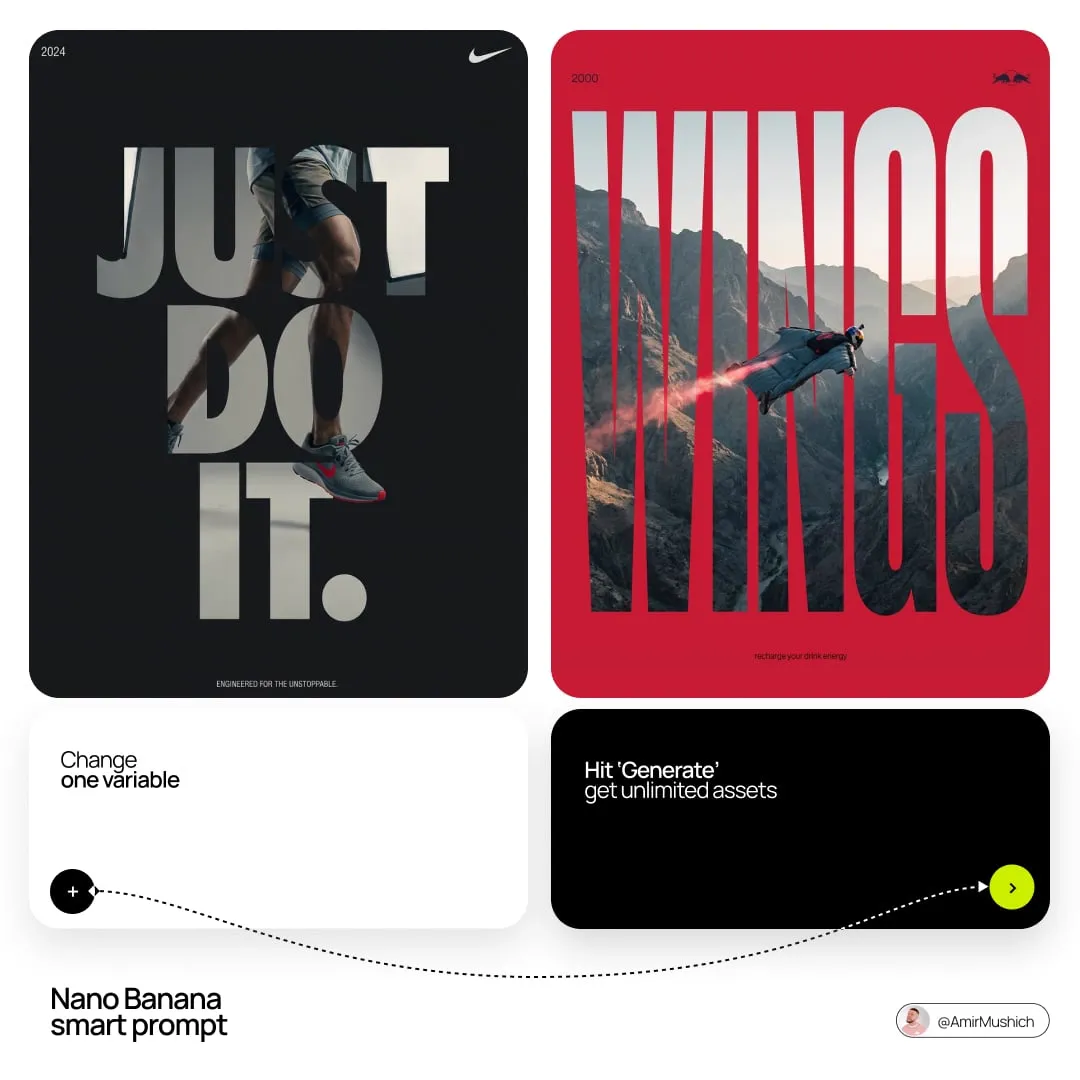
A common beginner mistake is to change everything at once when an output is not right. Instead, change one variable at a time. If the framing is correct but the colors are flat, adjust the palette first and keep the rest identical. If the lighting works but the camera movement is distracting, adjust only the movement. This disciplined approach lets you learn what each input actually does, and it dramatically improves your ability to hit the mark on repeated passes.
Frequently Asked Questions
Frequently Asked Questions
Do I need film experience to get cinematic AI video? No, but you need to learn the basics of framing, lighting, and movement. These skills transfer directly into better prompts and better results.
Should I describe camera lenses in my prompts? Yes, models often respond well to lens language like "85mm f/1.4" or "anamorphic." It is a helpful hint even if the model interprets it loosely.
How do I keep a consistent look across many clips? Fix your color palette, lighting, and lens style once and reuse those exact descriptions in every prompt. Use consistent reference images where possible.
Is color grading possible in AI generation? You can strongly influence it with prompts that describe the palette and mood. For precise control, generate a slightly neutral base and finish the grade in an editor.
What is the most important cinematic skill for AI? Intention. Decide what you want to communicate and translate that into clear, specific, layered instructions.
Final Thoughts
Cinematic AI video is not about magic prompts or secret models. It is about applying the timeless principles of visual storytelling. Composition directs the eye, lighting sets the mood, camera movement controls pace, and color grading unifies the whole. When you can articulate these choices clearly, you give the AI everything it needs to produce footage that looks and feels intentional.
The field is still young, and the creators who invest in genuine craft — not just in tooling — are the ones who will keep standing out as AI output becomes more abundant. Learn the visual language, practice describing it precisely, and hold yourself to a high standard of consistency. That discipline is what will turn your AI-generated clips from disposable novelty into work you are proud to call yours.
