
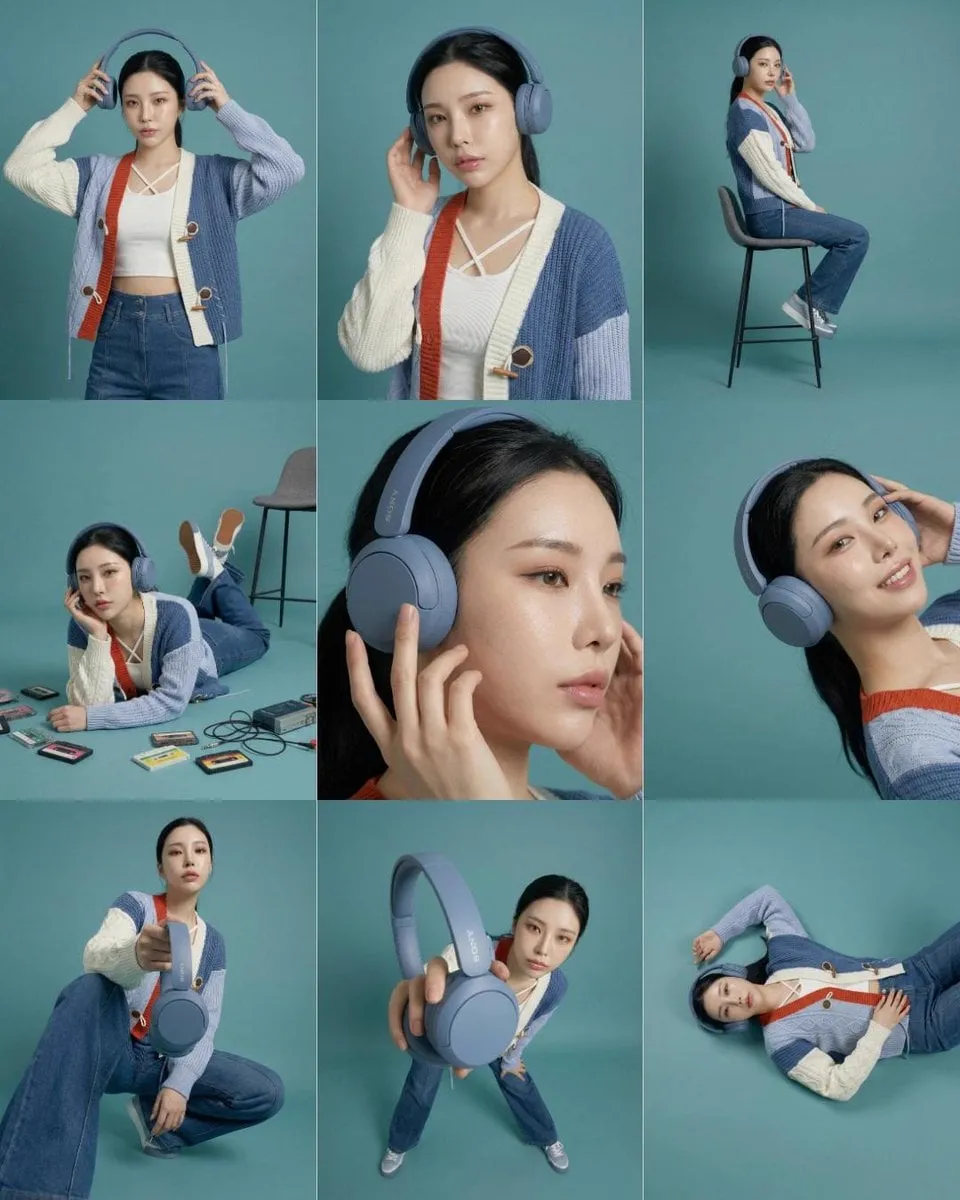
Every frame carries an intention. In today's fast-moving video landscape, audiences no longer stop for information alone; they stop for experience. The shots that hold attention feel less like recordings and more like memories, glowing, composed, emotionally charged. Filmmakers and content creators have a name for that quality: the dream shot. This guide breaks down the cinematography and production techniques that make those shots possible, from camera movement and lighting to character consistency and post-production, with practical steps you can apply whether you work with a full crew, a mirrorless camera, or generative AI tools.
What Makes a Shot Feel Like a Dream
A dream shot is not a resolution target or a color grade. It is a feeling, a moment where visuals, motion, and sound align so tightly that the audience forgets they are watching a screen. Dreams are soft at the edges and precise at the center; they move with a logic of their own; they are lit by sources that do not exist in the real world. The techniques that create this effect have been refined for decades, and they all share a few common traits.
First, intention: every element in the frame exists for a reason. A chair, a window, a reflection, all of them are placed to serve the story. Second, rhythm: the pacing of movement and cuts carries emotion, so a dreamy sequence breathes where an action sequence rushes. Third, texture: light, grain, and color build a physical sense of atmosphere that makes the unreal feel tangible. When you understand these traits, you can design a dream shot deliberately instead of hoping one appears by accident.
The Building Blocks of a Dream Shot
Cinematic Language, Not Just Pixels
High resolution does not make a shot cinematic. What makes a shot feel intentional is the vocabulary of filmmaking itself: shot size, lens choice, depth of field, camera angle, and the relationship between the subject and the environment. A close-up tells a different story than a wide shot, and a low angle changes how the audience judges a character. Before you worry about software, learn to read your frame as a set of choices, not a rectangle to fill.
Emotion First, Equipment Second
The best dream shots start with a simple question: what should the audience feel? If the answer is longing, the camera drifts slowly; if the answer is wonder, the reveal should be staged with patience. Equipment only serves that decision. A phone with good light can outshoot a cinema camera with none, so commit to the emotional goal before touching the gear. This is the discipline that separates memorable work from technically correct but forgettable footage.
Camera Movement That Guides the Eye
Camera movement is the main tool for controlling the flow of a story and the attention of the viewer. A static shot can express calm or tension, while a smooth dolly or crane move adds momentum and scale. Traditionally, these movements required expensive rigs and an experienced camera crew. Today, the same grammar is available to solo creators, and increasingly to AI-assisted tools that can interpret written direction.
Choosing the Right Kind of Motion
Match the movement to the mood. Slow push-ins create intimacy and focus, slow pull-backs reveal context and isolation, lateral tracking conveys travel and discovery, and subtle handheld movement adds documentary energy. The common failure is movement without motivation, a camera that floats because someone wanted motion, not because the story needed it. Ask what the move communicates, then execute it cleanly. Fewer, purposeful moves always beat a shot list packed with pointless motion.
Directing Movement with AI Assistance
Generative video tools now accept descriptions of camera motion directly in their prompts, such as a slow dolly toward the subject or a rising crane shot over a landscape. The practical trick is to describe the movement as an instruction about the audience's perspective, not just the camera. Instead of writing "camera moves left," write "the frame glides left to reveal the character waiting at the window." The model then treats the motion as storytelling, which produces far more convincing results. Keep a short vocabulary of moves you understand, and reuse it consistently across a project so the footage feels like one film rather than a collage.
Lighting and Mood: The Emotional Layer
Lighting does most of the emotional work in a dream shot. In real life, light is practical; in cinema, light is psychological. A dreamlike scene usually leans on soft, diffused sources, motivated highlights, and shadows that hide as much as they reveal. Think about the time of day you want to suggest, the color of the light, and where the audience should look first. Even with AI-generated footage, you can steer the mood by specifying warm window light, cool moonlight, or a single practical lamp in the corner of the frame. Consistency matters too: if the first shot of a scene is lit from the left, the rest of the scene should honor that direction or the audience will feel that something is subtly wrong.
Color follows the same logic. Desaturated palettes with a single accent color feel melancholic and cinematic; warm gradients feel nostalgic; high-contrast black and white feels timeless. Choose a palette for the piece and grade toward it rather than chasing "realism," because the goal is a convincing atmosphere, not a faithful reproduction of a location.
Composition and Framing for Balance
Composition decides where the eye lands and how long it stays. The classic rules still apply: the rule of thirds, leading lines, negative space, and framing within the frame. Dream shots often use negative space generously, letting the subject breathe inside a large environment, which creates scale and solitude. Symmetry can feel formal and eerie; asymmetry feels natural and alive. Whatever you choose, keep the hierarchy clear: the most important element in the frame should be the most visually dominant, whether through size, light, focus, or contrast.
A useful practice is to check every frame as a still image. Pause your video, look at the frozen frame, and ask if it would work as a photograph. If the still is weak, the moving image will rarely save it, because audiences constantly pause, skim, and replay. Strong composition per frame is the cheapest quality upgrade available to any creator.
Consistency: Characters and Worlds That Stay Credible
Character Keyframes and Style Consistency
Nothing breaks a dream faster than a character who changes appearance between shots. In traditional production this is solved by continuity teams; in AI-assisted production it is solved by reference images and careful prompting. Establish a keyframe for the character, a single image that defines face, hair, wardrobe, and palette, and reuse it as the anchor for every subsequent shot. When you vary the scene, keep the anchor fixed. This is the same principle animation studios have used for decades, applied to generative workflows, and it is the difference between a series that feels like one world and a sequence that feels like a glitch.
Environmental Continuity Across Shots
The world around the character deserves the same discipline. If a scene takes place in a specific room, the furniture, wall color, and light direction should survive every cut. Keep an environment reference as well as a character reference, and describe locations with consistent vocabulary across prompts. When you need a new angle on the same space, change the camera language, not the room itself. Small details, like the same painting on the wall or the same lamp, will read as intentional to viewers even when they cannot say why, and that is exactly the feeling a dream shot is built on.
A Practical Workflow: From Idea to Final Frame
Define the Emotional Goal
Write one sentence that describes how the audience should feel at the end of the shot. Everything downstream, movement, lighting, composition, sound, should serve that sentence. If a choice does not serve it, cut it.
Write the Shot List
Break the scene into individual shots and describe each one in plain language: what is in frame, what the camera does, what the light feels like, and what happens. A good shot list is a contract between you and your tools, and it makes AI generation dramatically more predictable because each prompt inherits the decisions you made on paper.
Generate, Refine, Repeat
Treat the first generation as a draft. Review it against the emotional goal, identify the weakest element, and regenerate with a tighter description rather than accepting the first pass. In practice this means one or two focused iterations per shot, and it consistently outperforms generating dozens of random variations and hoping one lands.
Post-Production Polish
The final pass ties the sequence together. Stabilize the motion, adjust the grade to match the chosen palette, add grain or softness for atmosphere, and place sound design, music, and voice precisely on the visual beats. In dream shots, audio is not decoration; it is half of the emotion. A subtle score swell on a camera move, or silence before a reveal, can transform footage that looks identical on paper.
Common Mistakes and How to Fix Them
The most common failure is overproduction: too many moves, too many effects, too many colors, all competing for attention. Fix it by returning to the emotional goal and deleting everything that does not serve it. The second mistake is inconsistency between shots, which erases the dreamlike coherence that makes a sequence feel authored. Fix it with reference images and a written style guide. The third mistake is treating AI output as final product instead of raw material; every generation needs a human eye, and the difference between a compelling cut and a collection of impressive clips is almost always editing judgment.
Sound and Music: The Invisible Half of a Dream Shot
Visuals receive the praise, but sound does half of the emotional work in a dream shot. A scene reads as gentle or ominous depending almost entirely on the audio bed beneath it. When you design a sequence, decide the sound language at the same time as the visual language: a warm ambient texture for intimacy, a low drone for unease, a swelling theme for wonder. Sync the sound to the visual beats you already planned, so a camera move arrives with a musical rise and a reveal lands on a moment of near-silence. This pairing of audio and visual intention is what makes a shot feel finished rather than merely executed.
Building a Reference Library for Recurring Work
The fastest way to speed up future projects is to archive the decisions that worked. Keep a folder for every project with the character keyframes, environment references, style keywords, and prompt snippets that produced the best shots. When a new project shares a mood or location, reuse the relevant pieces instead of starting from zero. A reference library does not reduce creativity; it removes the repetitive part of the work so your energy goes into the choices that are actually new.
Frequently Asked Questions
Do I need expensive equipment to create dream shots? No. The techniques that matter, intention, lighting, composition, and rhythm, are available with any camera. Expensive gear makes some things easier, but it cannot create emotion by itself.
How do AI tools fit into a traditional production workflow? Use them where they save time: concept visualization, establishing shots, complex environments, and motion that would be expensive to shoot. Keep human direction over story and performance.
How do I keep a character consistent across AI-generated shots? Anchor every generation to a single reference keyframe and reuse the same descriptive vocabulary for appearance, wardrobe, and palette. Change the scene, never the character.
What is the fastest way to improve my shots? Review every shot as a still image, cut anything that does not serve the emotional goal, and grade toward one consistent palette. Those three habits will lift almost any footage quickly.
Is there a minimum length for a dream shot? No fixed rule exists. Some of the most powerful dreamlike moments last two seconds; what matters is that the shot fully commits to its mood, so even a short moment feels complete rather than truncated.
