
Cinematography is the art and craft of telling stories with light, camera movement, color, and composition. It is the discipline that turns a script into images that move an audience, and in the Indian context it carries a specific weight. Indian cinema has developed its own visual vocabulary, shaped by a vast culture of song, dance, festive color, dramatic light, and emotional storytelling. This guide walks through the principles of cinematography and explains how they apply when you are working in an Indian setting, whether you are a short-film student, an OTT-series enthusiast, or an independent creator who wants their footage to stop looking flat and amateur.
The Foundations: Light Is the Story
Cinematography begins with light, because light is what the camera actually records. Everything else, composition, movement, color, is a decision about how to use that light. A skilled cinematographer does not just make a scene visible. They use the direction, quality, and color of light to tell the audience where to look and how to feel.
In Indian filmmaking, light has traditionally served double duty. On one hand it draws on natural sources, the harsh midday sun, the soft glow of a courtyard at evening, the flicker of festival lamps. On the other hand, Indian cinema is famous for dramatic, saturated lighting that pushes emotion over realism. The same festival scene can be shot with hard light and deep contrast to create tension, or bathed in warm diffuse light to feel celebratory. The choice is a storytelling decision.
Three qualities of light matter most. Direction tells you where the key light comes from and shapes the face and reveals texture. Quality refers to whether the light is hard, casting sharp shadows, or soft, wrapping gently around the subject. And color temperature sets the mood, warm for intimacy, cool for loneliness or night. Get these three under control and you have taken the largest step toward professional-looking footage.
Composition: Where the Eye Goes
Composition is the arrangement of elements within the frame, and its job is to guide the viewer's attention. The most reliable tools are the rule of thirds, leading lines, framing within the frame, and careful handling of negative space. The rule of thirds divides the frame into a three-by-three grid and suggests placing key elements on the lines or their intersections, which often feels more dynamic than centering everything.
Leading lines use real lines in the scene, a road, a row of pillars, a temple boundary, to draw the eye toward the subject. Indian architecture offers exceptional opportunities here, from the corridors of old forts to the rows of a bazaar. Framing within the frame uses an element in the foreground, a doorway, an arch, a curtain, to enclose the subject and add depth and context. Negative space, the empty area around the subject, can suggest isolation or freedom depending on how it is used.
A common mistake for beginners is to keep the subject glued to the center of every shot, which feels static after a while. Move the subject off-center, include layers of foreground and background, and give the eye a clear path. Watch a few minutes of any well-shot Indian feature and notice how rarely the subject sits exactly in the middle of the frame.
Choosing Movement That Serves the Scene
Camera movement should always have a reason. A static tripod shot can convey calm and stability, a slow dolly can build intimacy or reveal space, a handheld shot can inject energy and anxiety, and a whip pan can bridge two moments dramatically. When movement does not serve the story, it just distracts.
Indian filmmaking is famous for energetic movement, especially during musical numbers where the camera glides alongside dancers to amplify the choreography. But restraint matters just as much. In a quiet conversation, a subtle push-in toward a character at the moment of an emotional realization communicates more than constant motion. Ask yourself each time you plan a move: what is the audience supposed to feel, and does this movement create that feeling?
Smoothness is also a craft. A tripod is your friend for locked-off takes. For handheld realism, use your body to dampen motion and keep the camera at eye level with the subject. For moving shots, plan the path before you press record. Stabilizing in post can help, but a moment shot with intention on set will always beat footage rescued by software.
Working in Indian Light
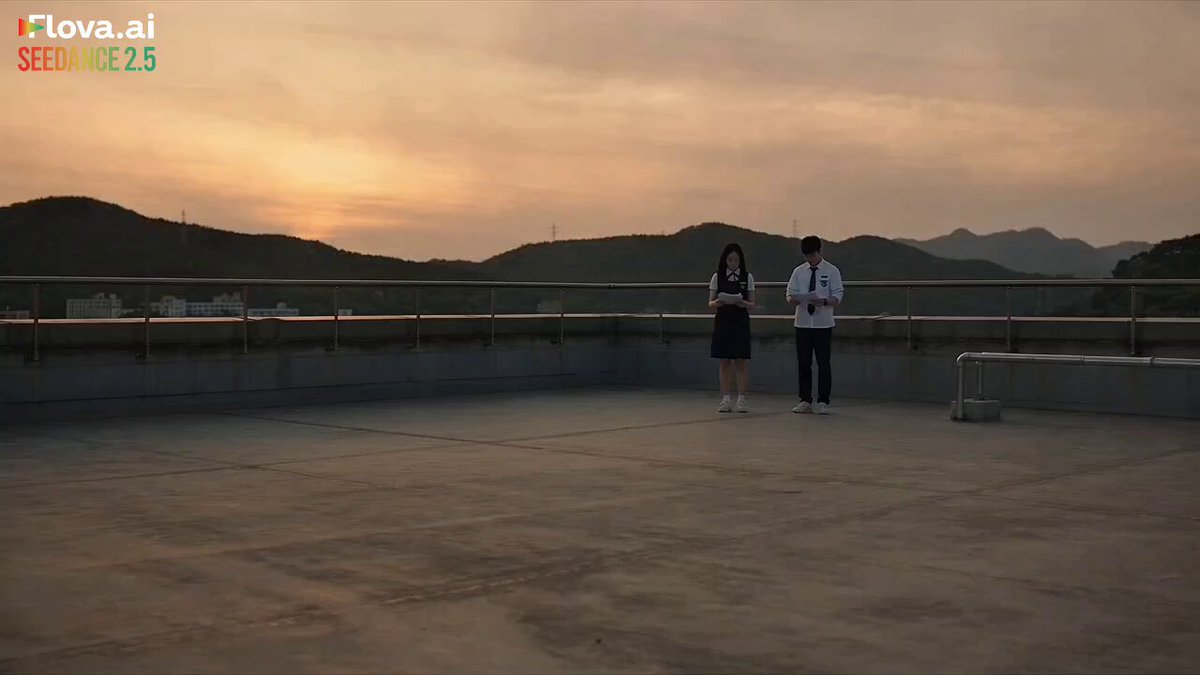
India offers some of the most beautiful, and most challenging, natural light on the planet. The brutal high-noon sun produces harsh shadows and blown-out highlights, while golden hour, shortly after sunrise and before sunset, bathes everything in warm, flattering light. The low-budget or independent cinematographer learns to schedule around these windows.
When you must shoot in harsh midday light, look for shade, use a diffuser to soften the source, or reposition the subject so the sun comes from the side rather than straight overhead. Interior spaces in Indian households and heritage buildings are often dimly lit with mixed light sources. Balance daylight from windows with warm interior lamps, and work to avoid a single fluorescent tube dominating the scene with an unflattering green cast.
Practical lights in the frame, a lamp, a diya, a string of festival lights, serve double duty as both illumination and storytelling. They give characters a believable reason for the lighting and add texture and warmth to the frame. Using them thoughtfully is one of the fastest ways to make a modest setup look intentional.
Color Theory and the Indian Palette
Color is a mood language. Warm tones, red, orange, amber, feel energetic and celebratory and are deeply present in Indian visual culture, from wedding décor to Durga Puja installations. Cool tones, blues and greens, suggest calm, sadness, or the mystery of night. The conscious use of a color palette tells the audience how to feel before a single line of dialogue.
A saturated, warm palette suits festival, romance, and celebration. A desaturated, muted palette suits drama, period pieces, or scenes of hardship and introspection. The trick is to be consistent within a scene and a film so the color has meaning rather than being random. Pick a dominant hue and a supporting set, and grade all the shots in a sequence to feel like they belong to the same world.
Contrast is the counterpart of color. High contrast creates energy and reveals texture, while low contrast feels softer and more intimate. Indian cinema spans the entire range, from the deep black-and-white contrasts of classic art films to the vibrant, saturated look of commercial dance numbers. Match the contrast to the emotional register of the scene.
The Modern Cinematographer and AI Assistance
Cinematography is no longer limited to physical cameras. Independent creators increasingly lean on AI-assisted tools to plan shots, generate concept frames, and even produce footage that matches a desired look. These tools are not replacements for the cinematographer's eye, but they can dramatically shorten the distance between an idea and a usable frame.
The most useful skill an AI-assisted creator can have is the ability to describe light and composition precisely in words. Instead of telling a generator to make a cinematic shot, describe the direction of light, the color of the environment, the framing of the subject, and the camera movement. Tools that compose scenes can generate a mood board for a whole project, letting the cinematographer previsualize light and color before stepping onto a set.
Consistency is the other gift AI offers. When a series needs the same character or the same look across dozens of scenes, multi-image fusion and reference frames keep the visual identity stable. This is directly supported by solid cinematography fundamentals: if you define the lighting direction and color palette clearly, the generated output is far more likely to be consistent and polished.
Building a Cinematography-Driven Workflow
A good shoot is planned before it is lit. Start with a short treatment that states the mood of every scene, then build a look book of reference images for light, color, and composition. Decide on the palette and the dominant lighting direction before the first setup. This preproduction discipline is what separates an intentional look from a lucky one.
On set or on location, light the shot in layers. Establish the key light first, then fill, then the background or practical elements. Check the monitor from the camera position, not from a comfortable chair. Review the highlights and shadows, and confirm that skin tones look healthy. Simplicity in setup is a strength; a single well-placed source with a reflector often beats a wall of equipment.
After capture, keep the grade consistent. Apply the look across the whole edit and check it on more than one monitor. If you are using AI generation for pickups or concept frames, match them to the same palette and light direction so every shot feels like part of the same film.
Framing the Body, Not Just the Scene
Composition is not only about where objects sit in the frame; it is also about how the human figure is placed and sized. In Indian cinema, the body carries enormous emotional weight, through posture, dance, and expressive faces. Deciding between a wide, full-body frame, a medium shot that includes the hands and chest, a close-up of the face, or an extreme close-up on the eyes is a storytelling decision every bit as important as lighting.
A wide shot shows a character in their environment and establishes scale and context, ideal for opening a scene inside a grand heritage interior or a crowded festival street. A medium shot balances the person and the surrounding space, comfortable for dialogue and everyday action. A close-up isolates emotion and directs attention to expression. When you plan a sequence, vary these sizes deliberately so the edit has natural rhythm instead of feeling like a string of identical frames.
Headroom and looking room matter too. Leave appropriate space above the subject's head, and leave more space in the direction the character is looking than behind them. Small refinements like these make a frame feel composed rather than accidental, and they are easy to get right once you are aware of them.
Depth and Layering in Indian Location Scenes
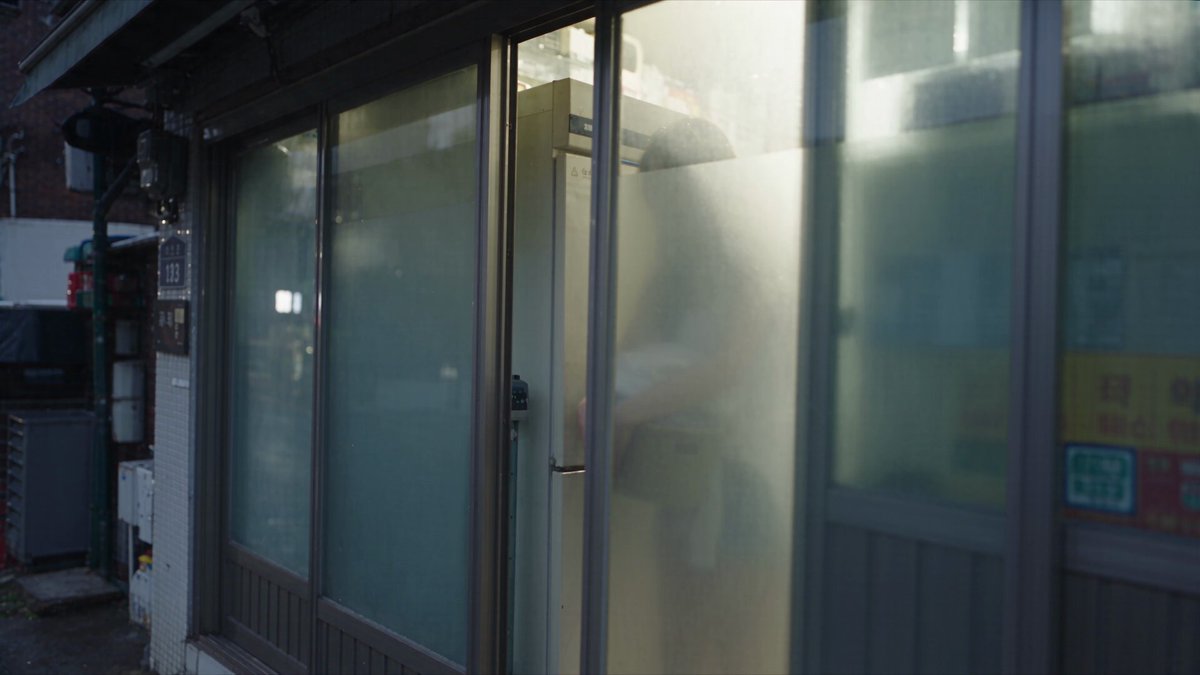
Many of the most striking Indian frames are not about a single subject but about depth, where foreground, midground, and background each carry information. A shot through an archway that shows a character in the middle while a procession moves behind them, or a conversation framed with a hanging lamp in the foreground, rewards the eye and makes the world feel real and inhabited.
The practical keys to depth are finding or creating a foreground element, keeping the plane of focus meaningful, and avoiding flat, busy backgrounds that compete with the subject. A shallow depth of field that blurs the background can isolate a face, while a deep focus that keeps everything sharp can emphasize a vast, layered scene. Decide which you want based on whether you are focusing attention inward or giving context outward.
In location work, look for natural layers in architecture and daily life, rows of columns, market awnings, doorways, and the movement of people near the camera. These real-world depth cues cost nothing and immediately make footage feel more cinematic than a plain, perfectly clean background ever does.
Previsualization: Concept Frames Before You Commit
One of the smartest habits a modern cinematographer can adopt is previsualization: deciding what a shot should look like before it is ever captured or generated. For physical shoots, this can mean simple sketches, storyboards, or reference stills. For AI-assisted work, generating concept frames from the same light and color description lets you see the intended look and agree on it with a team before spending production money.
A detailed previsualization brief might state the location type, the time of day and direction of light, the dominant color palette, the shot size, and the camera movement. From that brief, concept frames give you a shared target. When the real shoot or generation matches the plan, the whole project feels intentional rather than improvised.
Previsualization also exposes problems early. If a concept frame reveals that a proposed location will fight your palette, or that a lighting plan will not produce the mood you want, you discover it cheaply on the planning page instead of discovering it live on a costly day of shooting. Every minute spent planning the look saves several times that in production and post.
Frequently Asked Questions
Do I need an expensive camera to learn cinematography? No. A modern smartphone can shoot footage that looks good, and the fundamentals of light and composition apply at every price point. Learn to control light and frame well on whatever you have, and the skills transfer when you upgrade.
Is golden hour really that important? Yes. It is the most flattering natural light for skin, and it is free. Scheduling key shots around it is one of the cheapest ways to elevate quality.
How do I keep color consistent across a project? Decide on a palette upfront and grade every shot in a sequence together against a reference frame. Avoid changing the look midway through a scene.
What is the fastest way to improve my footage? Master the direction and quality of your light, and keep your subject off-center with a clear visual path for the eye. Striking lighting and intentional composition fix most amateur-looking footage.
Can AI help me plan shots? Very effectively. Generating concept frames and mood boards from precise light and color descriptions lets you visualize and agree on a look before you spend time shooting or generating final footage.
How much should I rely on stabilization? Use it to save footage, not to plan lazy moves. A shot framed and moved with intention on set nearly always beats one that depends on heavy post-processing to look right.
