
Cinematography is the art of telling a story through pictures. Long before there was software to help, directors and cinematographers were making deliberate choices about where the camera sits, how the light falls, and what stays in focus, all in service of emotion and narrative. Those principles did not change when AI arrived; if anything, they became more relevant.
The interesting development is that generative AI now gives almost anyone access to a cinematographer's toolset, not in hardware but in control. With the right guidance, a lone creator can direct sophisticated looks, hold a consistent visual identity across scenes, and shape light and motion that would once have required a full crew and expensive equipment.
This article bridges theory and practice. It explains the timeless foundations of visual language and then shows how modern AI tools let you put those foundations to work, whether you are making a short film, a brand video, or an animated story. The goal is not to replace the craft but to make it more reachable.
Why visual language is worth mastering
In a crowded feed, the difference between content that stops the scroll and content that is skipped is often not the subject but the way it is shot. Strong visual language creates an immediate, almost instinctive sense that what you are watching is considered and worthwhile. It communicates competence before a single word is spoken.
This is why cinematography is universally valuable. Even a talking-head video benefits from deliberate framing, controlled light, and confident camera movement. When you understand the language, you can apply it in any medium, film, photo, animation, or AI generation, and every piece of work you make becomes better for it.
AI does not make this knowledge obsolete; it makes it more precious. Because the tools are now open to everyone, the advantage belongs to whoever can direct them well. A person who understands composition and light will get dramatically better results from the same model than someone who types whatever comes to mind. Understanding is what turns a tool into a voice.
The architecture of the image
Every frame you shoot is a composition, an arrangement of elements that guides the viewer's eye. The principles are simple to name and harder to master: balance, focus, line, and the relationship between subject and frame. Get these right and your images feel intentional; get them wrong and even expensive footage can look accidental.
Classic rules, like the rule of thirds, provide a reliable starting point, but the goal is not to follow formulas blindly. It is to understand why certain arrangements feel stable, dynamic, or unsettling, and to use that understanding deliberately. When you control composition, you control where the audience looks and, by extension, how they feel.
The same logic extends to AI. When you direct a generative model, describing a composition is not decoration; it is the instruction that determines whether your frame reads as a considered shot or a happy accident. Being specific about subject placement, foreground, background, and framing pays off directly in the quality of what comes out. Learn to see the frame, and you learn to direct it.
Light as a storyteller
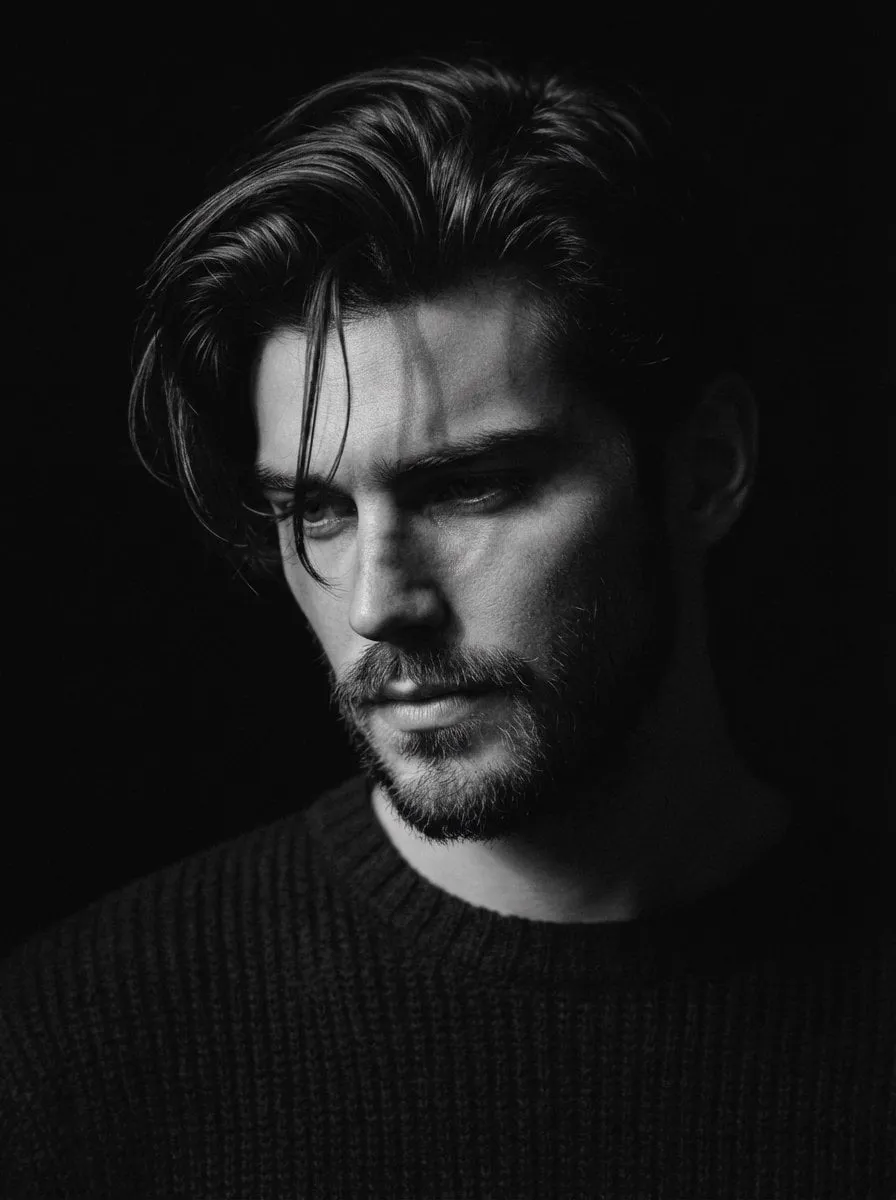
Light is the most powerful tool a cinematographer has. It reveals form, sets the mood, and tells the audience where to look and what to feel. A hard, low light creates tension; a soft, diffused light reads as warm and safe. These associations are instinctive to viewers, and filmmakers exploit them constantly.
Thinking about light as a narrative element means deciding what each scene needs emotionally before you worry about the technical setup. Is this a moment of unease, of hope, of intimacy? The lighting you choose, or describe, should reinforce that feeling.
With AI generation, describing light is often enough to change the entire character of an image. Words like "soft window light," "hard shadows," "golden hour glow," or "cool evening tint" carry strong visual meaning to a model. Learning to speak this language is one of the quickest ways to elevate your results from generic to cinematic. Pay attention to how different light directions, front, side, backlight, shape the subject, and you will find your prompts becoming far more expressive.
The language of the lens
Beyond framing and light, the lens itself speaks. Depth of field controls what is sharp and what is soft, guiding attention and conveying intimacy or scale. Camera movement adds dynamic meaning, whether a slow push-in builds tension or a handheld sway signals urgency and energy.
These choices form a visual language that audiences understand implicitly. In practice, you want your camera language to match the story. A stable tripod shot suggests control and observation; loose, moving camerawork suggests immediacy and chaos. Consistency in this language is what makes a film feel authored rather than assembled.
Generative AI responds to camera direction too. Terms like "shallow depth of field," "crane shot," "tracking shot," and "wide-angle" all shift the output meaningfully. By describing both what the camera does and what the lens implies, you give a model the information it needs to produce footage that feels deliberately directed. Master the motion vocabulary, and everything you generate gains intention.
Planning a consistent visual identity
Before you generate or shoot a single frame, decide how your film should look as a whole. Pick a palette, choose your lighting mood, and outline your camera style. This shared reference becomes the contract every scene must follow, and it is the single most effective way to ensure the final piece feels cohesive.
The discipline applies to both live action and AI. When you build a short, define the world once and then test each scene against it. If a frame breaks the palette or drifts from the intended mood, it stands out immediately. An audience may not name the reason, but they will feel that something is off.
Establishing a clear visual identity up front also speeds everything up. You stop making a thousand separate decisions and start making one decision that guides a thousand outputs. It is the difference between a film that feels assembled shot by shot and one that feels shaped by a single director's hand.
Using references and keyframes in AI generation
Consistency is where manual prompting most often fails, and it is where AI tools have built real solutions. Reference images let you lock a character, a location, or a style so that every generation draws from the same foundation rather than starting fresh. The more deliberate your references, the less your results drift.
Keyframes take this further by anchoring the start and end of a shot. Instead of asking a model to invent an entire motion from scratch, you define the important moments and let the model fill in the transition. This gives you far more control over the outcome and reduces the chaos that makes AI sequences feel unpredictable.
The lesson from traditional cinematography applies directly: prepare your frames. The sets, the references, and the storyboards are not busywork; they are the foundation of control. Directors in the AI era who invest in these artifacts consistently get results that feel designed rather than accidental.
Maintaining narrative and visual coherence
Coherence is the quality that lets an audience stay immersed from beginning to end. It has two halves. Visual coherence keeps the look, the lights, the lens language consistent. Narrative coherence keeps the emotion and the story logic moving in the right direction. Both matter, and both are harder than they look.
In AI production, visual coherence comes from references and consistent prompting. Narrative coherence comes from direction. An intelligent assistant that understands your story can apply your mood and pacing to every scene, so that the emotional arc you designed in the outline survives into the finished shots.
When the two work together, the result is transformative for a solo creator. You stop fighting the tools and start directing them, and the film you produce holds a viewer's attention the way a carefully crafted piece of cinema should.
Choosing the right models for each task
Professional results rarely come from one model. Different engines have different strengths, and the best work comes from knowing which tool to reach for. Some models render realistic faces beautifully, others excel at stylized worlds, and still others are built for speed and iteration.
With a unified studio, you can switch models per shot without losing context. Test an idea with a fast engine, then produce the final shot with a premium model that handles fidelity and motion better. A model library behind one interface removes the busiest part of the old workflow, constant exporting and re-prompting, and lets you stay focused on directing.
Treat model choice as a craft. Ask what each shot needs, fidelity, style, or speed, and pick accordingly. The professionals who combine a strong understanding of visual language with the right tool choices are the ones producing truly cinematic AI work.
Building a workspace that scales
When a project grows from a handful of shots to many, the mechanics of production can overwhelm the creativity. If you are juggling dozens of files, formats, and mid-project changes, you have less energy for the actual directing. A well-organized workspace keeps the creative energy front and center.
Look for a platform that manages your queue, organizes your references, and handles the heavy processing in the background. When the technical burden is managed well, you can scale from one short to a whole series without a proportional increase in stress or busywork. The efficiency becomes part of how you work.
In practical terms, this means less time fighting tools and more time making choices. The craftspeople who thrive in the new era are the ones who set up workflows that let their attention live on the story, not on the plumbing.
Frequently asked questions
Do I need to study classic film theory before using AI video tools?
It helps enormously. Understanding composition, light, and camera movement directly improves your prompts and your editing judgment. You can learn both in parallel.
Can AI really understand cinematography terms?
Modern models respond well to specific visual language. Describing lighting, framing, depth, and camera movement gives you far more control than vague prompts.
Is cinematic quality achievable without a camera team?
For many projects, yes. AI lets you direct light, depth, and motion that would otherwise require full production resources, especially when you combine it with solid theory.
How do I keep my style consistent across a long project?
Establish a visual foundation of characters, palette, and look up front, and keep every shot in service of it. Reference images and an assistant that remembers your choices help a lot.
How long does it take to learn the visual language?
You can learn the core principles, composition, lighting, and movement, in a matter of weeks of conscious practice. Building the instinct takes longer, but even early understanding improves your results immediately.
What is the fastest way to improve AI prompts?
Stop typing random adjectives and start describing like a cinematographer: subject, framing, lighting, depth, and motion, all tied to the emotion you want to convey. That shift alone changes the quality of output.
Final thoughts
Cinematography has always been about control, the ability to shape light, framing, and motion so that a picture carries meaning. AI does not change that goal; it changes access. The skill, once confined to studios with big budgets, is now something any determined creator can practice and master.
Marry the timeless principles of visual language with the reach of modern tools, and you have a rare advantage. Learn what makes an image work, express it with intention, and let the technology remove the barriers between your idea and the screen. The result is filmmaking at its most accessible, and its most personal. The craft endures; what changes is who gets to practice it. Start small, study a single frame, and give your next project the gift of an intentional look, and the language will grow with every scene you make.
