
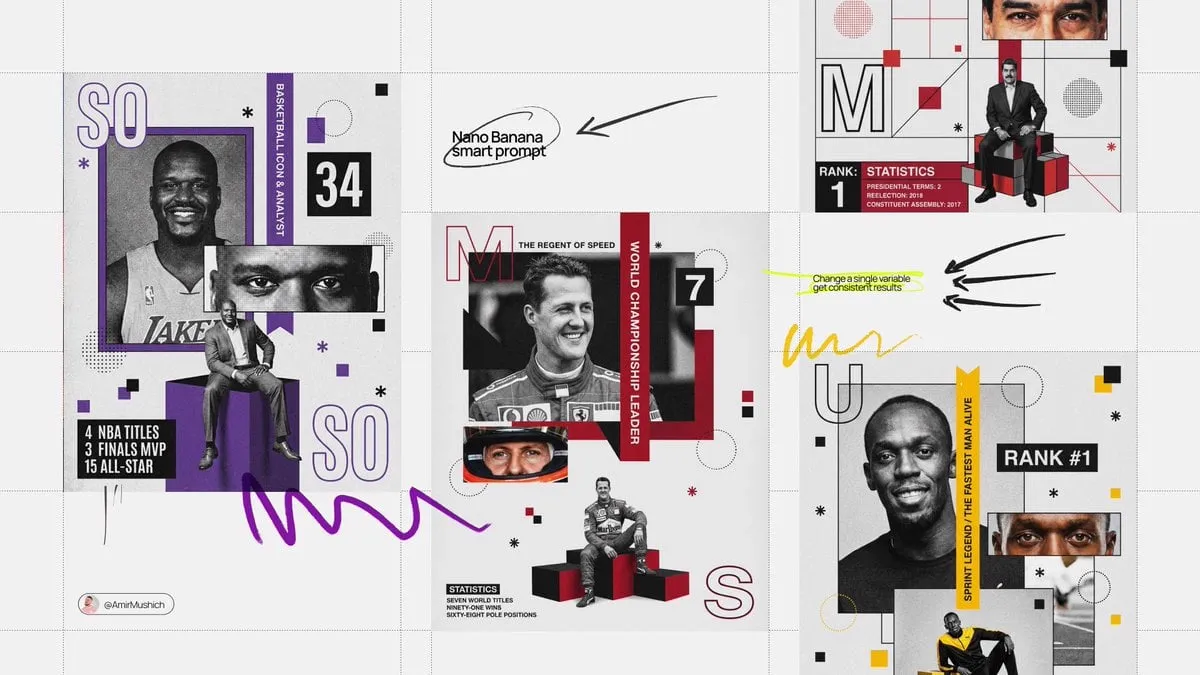
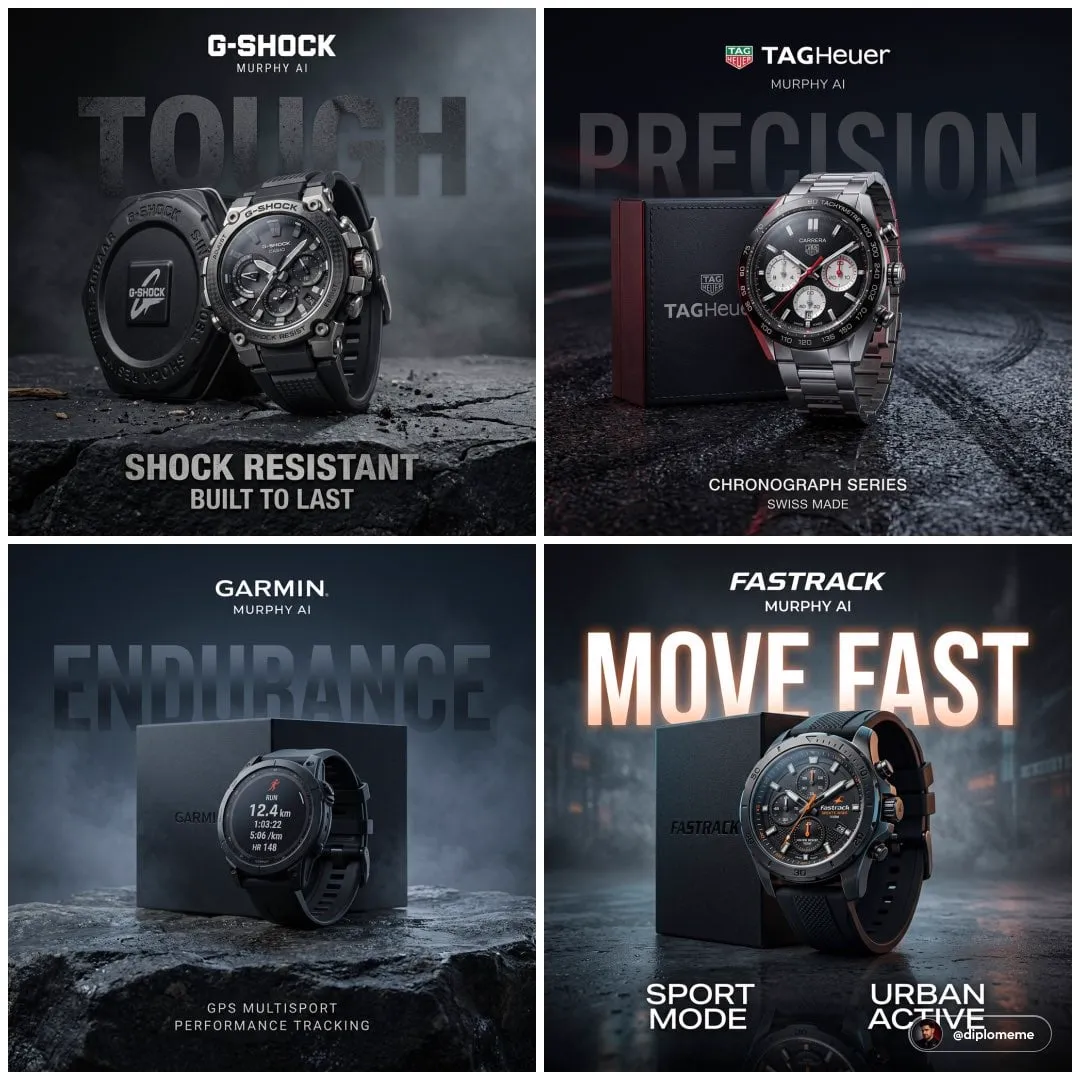
Producing video content has always required substantial time and resources, especially when the goal is to keep a character looking consistent across different scenes. In the past, this meant elaborate 3D modeling or expensive location shoots. Today, the multi-image fusion technique offers a strikingly different path: you can build a coherent, character-consistent story video starting from just a handful of input photographs.
This guide explains how this technique works, which models and creative controls to use, and how to follow a step-by-step workflow to turn a small set of still images into a narrative video. Whether you are a filmmaker prototyping a concept, a content creator building a series, or a brand producing a campaign, this method helps you get more narrative value from the assets you already have.
What multi-image fusion actually is
Multi-image fusion is a modern approach to visual content generation that lets you build cohesive videos from multiple input images. Rather than describing a scene from scratch with text, you provide a set of reference photos, and the system learns a stable visual identity from them that it carries through every generated scene.
This is a significant departure from earlier tools. It is not a simple visual average of the pictures you provide. The process involves a deep understanding of the core identity present in a set of input images. The model extracts the essential traits of your subject, of the setting, of the lighting, and treats these as anchors it will not violate during generation.
The result is a level of consistency that feels almost like working with a real actor and a real location: the character stays recognizable, and the world holds together across cuts.
Why character consistency has become so important
A story video only works if the audience can follow the same protagonist from one scene to the next. When a character's face, clothing, or build visibly changes between shots, the immersion breaks and viewers lose trust in the narrative. Character consistency is not a technical nicety; it is the backbone of visual storytelling.
In recent years this need has grown even more pressing. Audiences now expect high levels of style fidelity and customization even from minimal inputs. They want a character to look the same whether they are walking through a market at noon or standing on a rooftop at dusk, and they want the environment to feel continuous. Multi-image fusion is the technique that makes this possible from limited source material.
The core principles of consistent image generation
Underneath the surface, several principles make multi-image fusion work well. Understanding them helps you use the tools more intentionally.
Extracting the fundamental identity
When you provide several photos of the same person from different angles, the system does more than memorize pixels. It decomposes the images into their fundamental components: the shape of the face, the color of the hair, the style of the clothing, the texture of the environment. It builds a compact representation we can think of as an "identity vector."
This identity vector is what the model calls on each time it generates a scene. Because it is stable and reusable, the character remains himself no matter what action, pose, or setting you place him in. This is the technical heart of character consistency.
Beyond visual aesthetics: narrative coherence
Consistency is not only about how things look; it is about how the story hangs together. A scene in the middle of the story should feel like a natural continuation of the scenes that came before. This means keeping not just the character stable, but also the world, the light, and the emotional through-line.
When you plan your video as a sequence rather than a series of separate images, you give the model the context it needs to produce narrative cohesion. The technique rewards thinking like a director who knows the whole story, not just a single shot.
Using character keyframes to anchor your story
One of the most powerful tools in this workflow is the character keyframe. These are the images that clearly define the main identity of your character from different angles or with different emotions, before the rest of the story is generated.
Think of keyframes as the visual backbone of your story. They say: this is who the protagonist is, this is what he looks like from the side, this is how his face changes when he is frightened or joyful. By establishing these anchor points early, you give the model a solid foundation to fill in every other moment consistently.
Building a keyframe set
Start with a front-facing portrait that clearly shows the face. Add a profile view to capture the side of the head and jawline. Include a full-body shot to establish proportions and clothing. Finally, add an expression study to show how the face moves with emotion. These four to six images form a rich enough identity profile for most projects.
Keep this set stable across your entire production. If you change the references halfway through, the character will change too. The discipline of holding these anchors constant is what makes long-form consistency achievable.
Choosing models that preserve identity
Not every AI model handles multi-image fusion equally well. Some are specifically designed to hold character identity across frames, while others are better at producing a single beautiful image. For storytelling, you want tools that put a premium on identity preservation.
Test your models with a simple experiment: generate the same character in two very different scenes and compare how well their face, clothing, and build survive the change. The models that hold up are your core tools for narrative work. Build your pipeline around them, and reserve specialized one-shot generators for individual stills if needed.
Using multiple references to define precise identity
The strength of multi-image fusion scales with the quality and diversity of your references. Providing multiple references, including the same character in different wardrobe or the same location in different light, lets the model understand what is truly fixed and what can vary.
This nuance matters. A single reference image can make the model rigid; it may lock in incidental details like a shadow or a minor prop. Multiple references help the system learn which elements are essential and which are meant to change. The richer your reference set, the more flexible and accurate your results become.
Directing scenes with an AI agent
Beyond generating consistent characters, modern systems include "agents" that behave like directors. They take your story description, break it into scenes, decide the order and pacing, and assign each shot an appropriate camera movement.
Using an agent changes the nature of your work. Instead of crafting individual prompts, you describe the whole narrative arc, and the agent orchestrates the composition. This is especially valuable when you have several scenes built from the same set of photos, because the agent keeps the visual system coherent across them all.
Structuring scenes for emotional flow
A director agent can also help you structure scenes so that the emotional flow works. It can suggest how many shots a scene needs, where to cut, and how to build tension toward a high point. Delegating this structural thinking lets you focus on the creative intent, secure in the knowledge that the technical coordination is handled.
A step-by-step guide to building your story video
Let us bring everything together into a practical, repeatable workflow.
Step one: curate your key image set
Start by selecting your most important photographs. Filter out any that are blurry, poorly lit, or conflict with each other in style. Your goal is a small, high-quality set that clearly and consistently defines your subject and your world.
Step two: write the narrative brief
Describe the story in a few sentences: who is the character, where does the action take place, what changes over the course of the video. This brief becomes the creative contract for all your generation.
Step three: define the character keyframes
From your curated photos, assemble the character keyframes: portrait, profile, full body, expression. Lock these as your permanent identity anchors. Also collect a couple of environment references so the setting stays stable.
Step four: plan the scene breakdown
Break the story into individual scenes or shots. Assign each a clear goal and a camera movement. Let your AI director agent review the list and keep the narrative sequence coherent.
Step five: generate and iterate
Produce a master shot first to validate identity and style. If the character is off, strengthen your references or adjust the prompt before continuing. Work scene by scene, keeping the same keyframes at the center.
Step six: assemble and refine
Combine the approved scenes in your editing workflow. Check character, environment, and light across cuts, adjust pacing, and export the final video.
Common mistakes and how to avoid them
Several errors will undermine your consistency if you are not careful. The first is curating a weak or contradictory image set, which makes it impossible for the model to find a stable identity. Invest time in your references.
The second is changing keyframes partway through production, breaking the character. Commit to a fixed identity profile for the whole project. The third is ignoring narrative flow and building a beautiful string of unrelated shots. Always generate with the full sequence in mind so the video reads as one story.
Finally, do not over-describe the character's appearance in your prompt. The model already sees the character in the reference images; use your prompt words for motion, atmosphere, and camera instead.
Questions and answers
How many photos do I need to start?
A handful is enough. Three to six well-chosen, high-quality images of your subject from different angles, plus a couple of environment shots, can establish a solid identity for a narrative video.
What if my character still changes appearance between scenes?
Return to your references. Stronger, more consistent keyframes reduce drift, and keeping motion amplitude conservative helps the face stay stable. Test small changes one at a time to isolate the cause.
Can this technique work for real-life footage?
The methods are designed for AI-generated video, but the underlying principle of anchoring identity transfers well to any project that needs consistent visual storytelling.
Do I need an AI director agent?
Not strictly, but it makes multi-scene production much more manageable. Without it, you orchestrate the sequence manually; with it, the structure remains coherent automatically while you focus on creative direction.
The multi-image fusion technique represents a genuine breakthrough for storytellers working with limited assets. Starting from just a few photos, you can build a video that maintains character identity, sustains a coherent world, and tells a story with narrative flow. The methods are learnable, the tools are mature, and the payoff is the ability to say more with less. By curating strong references, locking your keyframes, using multiple models wisely, and directing your scenes with an agent, you transform a small image library into the raw material of real visual storytelling. That is what makes this technique worth mastering.
