
Introduction: The Consistency Problem in AI Video
If you have spent any time generating video with artificial intelligence, you have seen it happen: a character looks perfect in the opening scene, then subtly changes face in the next cut. A jacket changes color between shots. A room rearranges itself for no reason. These small breaks in visual consistency are the single biggest obstacle between "AI video" and "professional video."
In 2025, audiences have become remarkably good at spotting these flaws, even when they cannot explain what feels wrong. A character that shifts appearance across scenes destroys immersion, and immersion is what separates content people watch from content people scroll past.
The good news is that the industry has developed a practical answer: image fusion. Instead of asking the model to invent a character from a text prompt every time, you give it a set of reference images and let it merge them into a stable visual identity. This guide explains how fusion works, how to use it well, and how to avoid the common mistakes that still trip up even experienced creators.
What Fusion Actually Does
The term "fusion" gets thrown around a lot, so let us be precise. Traditional image-to-video tools accept one reference image and do their best to keep it consistent. Fusion goes further: it accepts multiple reference images and merges their essential features into a single coherent representation.
Think of it like a police sketch artist meeting several witnesses. One witness saw the character from the front, another from the side, a third remembers the clothing, and a fourth can describe the lighting of the scene. Alone, each description is incomplete. Together, they produce a reliable identity.
Technically, the platform extracts latent features from each reference image — facial structure, skin tone, hair, clothing, posture, background style — and blends them into one representation. When the video model generates each frame, it works from that merged identity rather than from a single snapshot.
The practical result is simple: the same character can appear in different scenes, different lighting, even different outfits, and still look like the same person.
Why Consistency Matters More Than Ever
Several forces have pushed consistency to the top of every creator's priority list:
- Short-form platforms reward series. A character who returns in video after video builds recognition and loyalty.
- Brands need their mascots, products, and spokespeople to be instantly recognizable in every asset.
- Story-driven content — from ads to mini-dramas — falls apart when the protagonist changes appearance mid-story.
- Audiences are savvier. The "AI look" is no longer acceptable as an excuse for sloppy results.
Consistency is not a luxury feature. It is the difference between content that feels designed and content that feels generated.
Setting Up Your References Correctly
Fusion is powerful, but it is not magic. The quality of the output depends heavily on the quality of the input. Follow these rules when assembling your reference set.
Use Multiple Angles
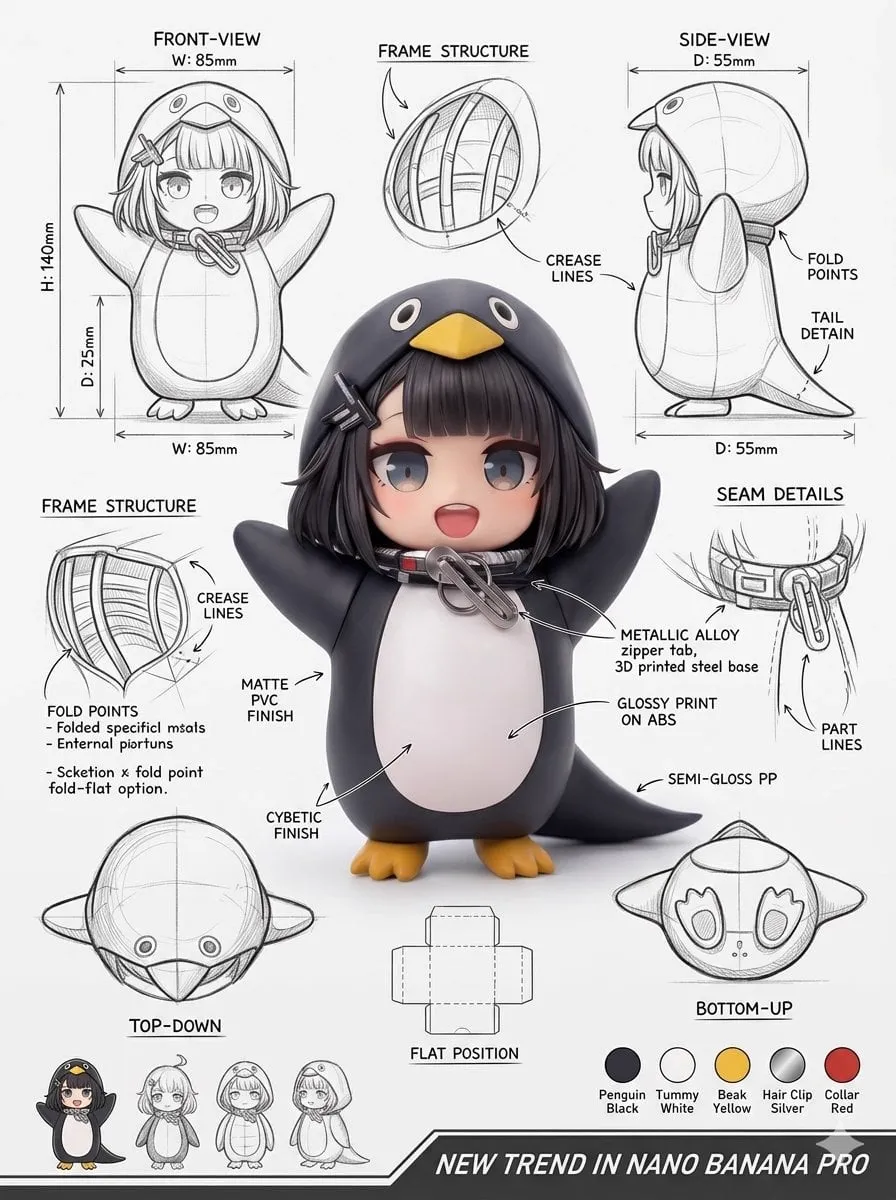
One front-facing image is not enough. Provide at least three angles: front, three-quarter, and side profile. The more angles you give, the better the model understands the character's three-dimensional identity.
Keep Lighting Consistent
If one reference is shot in bright sunlight and another in a dark room, the model will struggle to decide what the character "really" looks like. Shoot or generate all references under similar lighting conditions, ideally neutral and even.
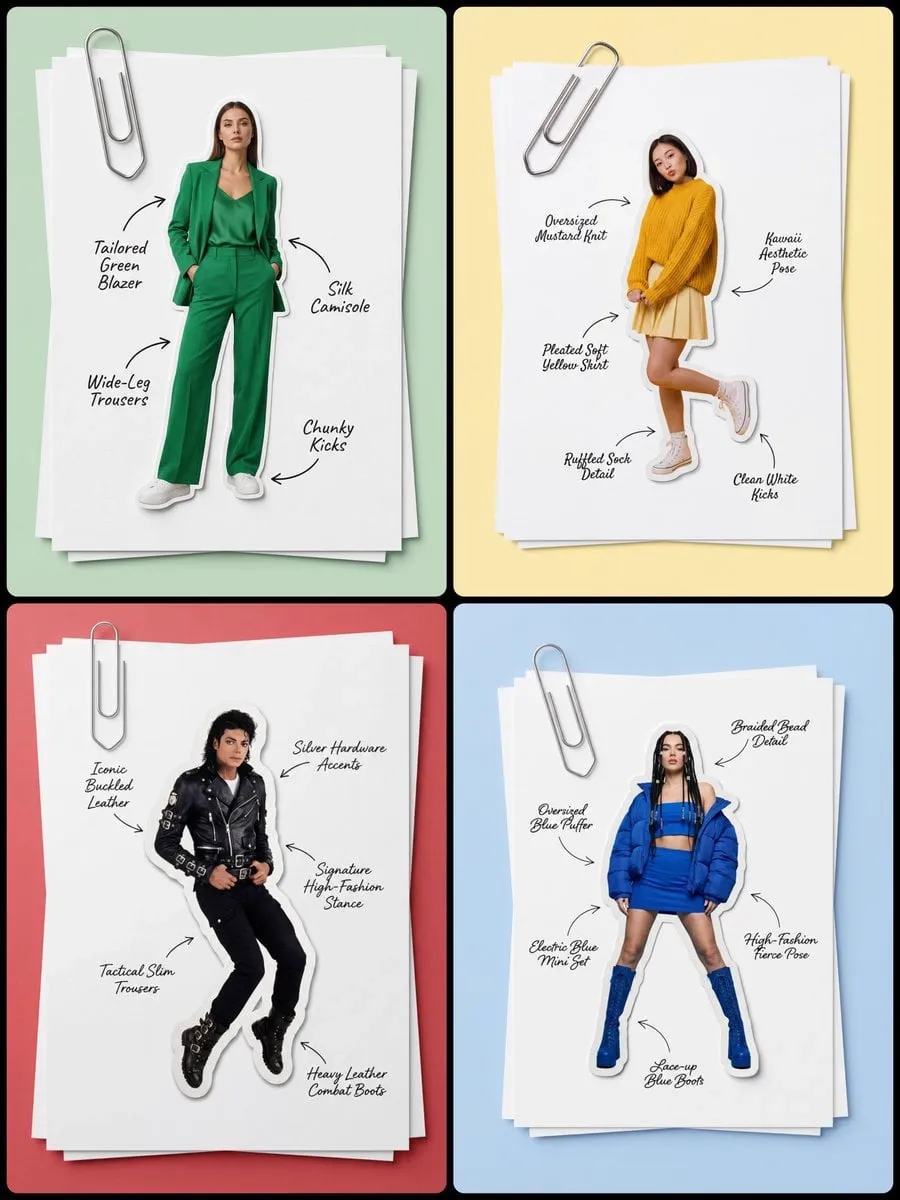
Separate Character from Clothing
A common mistake is tying the character to a specific outfit. If you want the same person wearing different clothes across scenes, include references with varied outfits and make sure the face stays the focus. Some platforms let you prioritize which features to lock — face first, clothing second.
Include Expression Range
Generate references showing neutral, smiling, and serious expressions. This gives the model the emotional range it needs without losing identity.
Mind the Resolution
Low-resolution references produce soft, blurry characters. Generate your references at the highest resolution the platform allows, then let the fusion step handle the rest.
Keyframe Control: Directing the Scene
Fusion solves the identity problem, but it does not solve the motion problem on its own. That is where keyframe control comes in.
A keyframe is a moment in the video that you define explicitly. You say: "at frame 1, the character is standing at the door; at frame 40, she is sitting at the desk." The model fills in the movement between those fixed points.
Keyframes and fusion work together beautifully:
- Use fused reference images to establish who is in the scene.
- Use keyframes to establish where they are and what they are doing at critical moments.
- Let the model interpolate the motion between keyframes.
This combination gives you directorial control without forcing you to animate every frame by hand.
A Practical Keyframe Workflow
- Write a shot list for your video, scene by scene.
- For each scene, decide the starting and ending composition.
- Generate or select the reference images for those compositions.
- Set the keyframes at those points.
- Generate the full sequence and review the transitions.
The payoff is smooth, deliberate motion instead of the random camera drift that plagues unguided generation.
Handling Minor Inconsistencies After Generation
Even with fusion and keyframes, occasional glitches happen. The difference between a professional and a beginner is how they handle the cleanup.
Identify Before You Regenerate
Look at the full sequence first. Is the problem a single flickering frame, a slow drift in appearance, or a full identity break at one cut? Regenerating the entire video for a single bad frame wastes time and often introduces new errors elsewhere.
Regenerate Locally When Possible
Many platforms let you regenerate a specific segment or shot rather than the whole video. Use that. Keep the frames that work and fix only the broken section.
Lock the Style, Then Adjust
If the character drifts but the scene is fine, re-run the segment with the fused reference images re-supplied. If the scene is wrong but the character is right, adjust the prompt or keyframes instead.
Post-Processing as a Last Resort
Some creators use standard editing tools to blend a bad frame or two, or to apply a consistent color grade across the video. A subtle grade can mask small inconsistencies and give the whole piece a unified look. Do not overdo it; masking problems is not the same as fixing them.
Choosing the Right Model for Fusion Work
Not all video models are equally good at honoring fused references. As you build your workflow, evaluate models on four criteria:
| Criterion | What to look for |
|---|---|
| Reference adherence | Does the output match the reference images closely, or drift toward generic looks? |
| Temporal stability | Does the character stay consistent across many frames, not just the first few? |
| Motion quality | Are movements natural, or robotic and jittery? |
| Style preservation | Does the model respect the visual style of your references, or impose its own? |
Test each candidate model with the exact same reference set and compare the results side by side. The best model for your project is the one that passes all four tests, not the one with the biggest marketing budget.
Matching Model to Project
- High-fidelity, photorealistic models: best for product ads, corporate content, and anything where realism sells the idea.
- Fast, high-volume models: best for social media tests, rough drafts, and exploring many directions quickly.
- Stylized models: best when your brand or series has a distinctive artistic look, such as anime, cel shading, or retro film.
A practical strategy is to explore with fast models and finish with the highest-fidelity model that passes the four tests above.
The Role of AI Director Agents
The newest layer of the workflow is the AI director agent. Think of it as an automated assistant that takes your creative intent and handles the technical orchestration: selecting models, sequencing scenes, applying fusion, and managing keyframes.
This solves a real productivity problem. Without a director agent, a creator must manually juggle dozens of settings and switch between tools for each step. With one, the workflow becomes a conversation:
- Describe the video you want — goal, audience, tone, duration.
- Review the proposed scene structure.
- Approve or adjust the references and keyframes.
- Let the agent generate and assemble the final piece.
The value is not just speed. The agent applies tested patterns of direction, reducing the learning curve for newcomers and the repetitive work for veterans.
Scaling Production Without Losing Quality
Once your fusion workflow works, the temptation is to crank up volume. Volume is good — consistency of publishing matters — but only if quality holds.
Build a Reusable Library
Keep your reference sets organized. A character sheet for your recurring mascot, a style sheet for your brand's color palette, a scene library for your most-used backgrounds. Reusing curated references keeps output consistent across weeks of production.
Batch by Scene, Not by Video
Generate all the scenes of a project in one session with consistent settings. This reduces variance and makes review easier. Compare scenes side by side while they are still fresh.
Review Before Publishing
Always watch the full sequence at least once before it goes live. Check for identity drift, weird motion, and broken transitions. A five-minute review can save your reputation.
Track What Works
Note which reference setups and models produced the best results for each type of content. Over time, you build a personal playbook that makes every new project faster than the last.
Common Mistakes and How to Avoid Them
- One reference image and hope: fusion needs multiple angles to build a stable identity.
- Inconsistent reference lighting: the model cannot decide what the character really looks like.
- Skipping keyframes: without them, motion becomes random camera drift.
- Regenerating everything for one bad frame: waste of time and tokens.
- Ignoring style: a character can be consistent yet still not match your brand's aesthetic.
- Reviewing only the first seconds: inconsistencies often appear in the middle or end.
FAQ
Do I need multiple reference images for every video?
For character-driven videos, yes. For abstract or atmospheric shots — clouds, waves, textures — a single reference or even text-only prompts can be enough.
How many reference images are ideal?
Three to six well-chosen images beat twenty random ones. Focus on angles, lighting consistency, and expression range.
Can fusion fix a character across an entire series?
Yes, if you reuse the same fused identity in every video. That is exactly why brands invest in character sheets and reuse them campaign after campaign.
Is fusion expensive to run?
Fusion itself is usually a lightweight preprocessing step. The cost comes from generating the video, so the real lever is choosing the right model and avoiding wasteful full regenerations.
Do I need to know machine learning to use this?
No. The platforms hide the complexity behind simple interfaces. What you need is visual judgment: knowing when a character looks right, when motion feels natural, and when a scene communicates what you intended.
Conclusion
Image fusion is the tool that finally lets AI video creators control what the camera sees. By building strong reference sets, combining them with keyframe direction, and choosing models that respect your references, you can produce video where characters stay themselves from the first frame to the last.
The workflow is not complicated, but it rewards discipline: good references, deliberate keyframes, careful review, and a reusable library. Master those habits and the "AI look" disappears, replaced by content that looks designed, intentional, and professional.
Start small. Build one character sheet, produce one short series, and compare the results against your previous work. The consistency you gain will show up in the first video you publish with the new process.
