
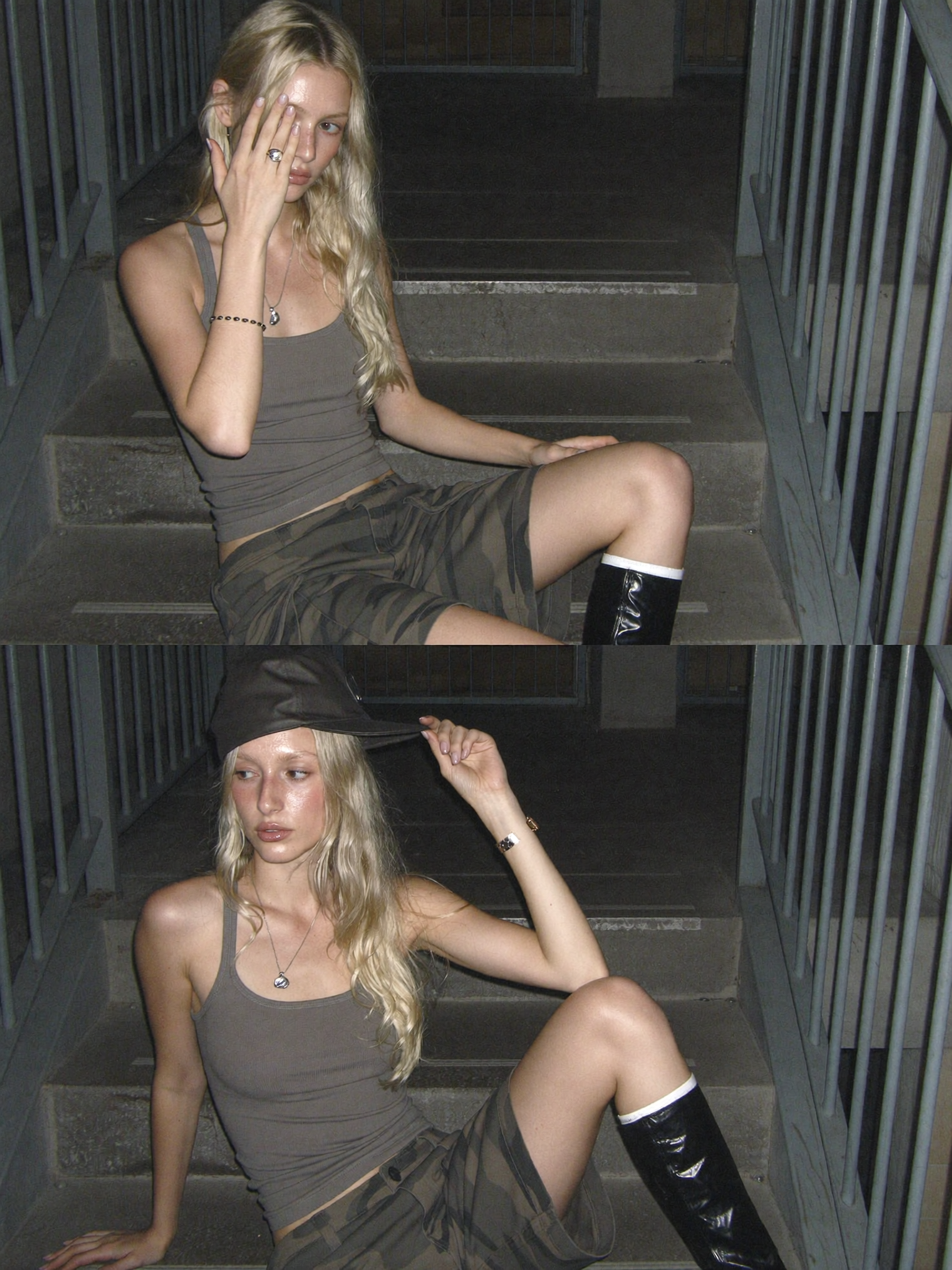
Storytelling does not happen only in the script. It happens in the frame. How you place your subject, where the camera looks down or up, what you leave in and what you leave out, and the colors you let dominate the image all communicate meaning faster than words ever could. This is the language of cinematography, and once you learn to read it, you can start to write with it.
This guide is for storytellers of every kind: filmmakers, video creators, social media managers, documentary makers, and anyone who wants their moving images to carry intent rather than accident. You do not need an expensive camera or a film school degree to benefit. The principles here are timeless, they apply whether you are framing a shot with a cinema camera, a smartphone, or an AI video tool. What matters is that you understand the choices available and use them deliberately.
The best part is that cinematography is learnable. A handful of compositional principles, combined with a working knowledge of framing, depth, and color, will already take your images a long way. Each of these is a decision you make before you press record or generate a frame, and together they turn a sequence of shots into a story.
Why visual grammar matters now more than ever
We live in a moment of overwhelming visual competition. Every day audiences see hundreds, sometimes thousands of moving images. Attention spans are short, and a frame has only a moment to earn a look and hold it. In such an environment, composition is not decoration; it is survival. A shot that is composed with intent draws the eye to exactly the right place, whereas a shot composed by accident competes with the noise and loses.
Video production has also become dramatically more accessible. Generative AI, smartphone cameras, and powerful editing tools have lowered the technical barrier so far that almost anyone can produce moving images. But the technical barrier falling means the artistic barrier rises: when everyone can make a video, the ones that stand out are the ones that reveal an understanding of visual language. The human eye and mind can tell when a frame was made with intention.
This is why cinematography matters. It is the craft that turns technical production into storytelling. The rules of composition, the psychology of camera height, and the meaning of color are the shared vocabulary between maker and audience. Learn them, and you are no longer just producing images; you are directing attention, emotion, and understanding.
Composition as the foundation of image grammar
Composition is the deliberate arrangement of elements inside the frame. It is the first and most fundamental decision a cinematographer makes. Before lenses, lights, or camera movement, you choose what goes in the frame and where. Everything else builds on that choice.
The goal of good composition is clarity and balance: guiding the viewer's eye to the subject while keeping the frame harmonious and expressive. A well-composed shot does not look random. It feels ordered, even when the subject is chaotic or emotional. This clarity of intention is what the audience reads as quality.
Great composition is also flexible. Different stories need different arrangements, and a skilled maker knows when to follow the rules and when to break them for effect. The principles below are starting points, not prison walls. Understand them enough to use them deliberately, then trust your storytelling instinct to know when to set them aside.
The rule of thirds and a sense of balance
The rule of thirds is the most famous compositional principle, and it is famous for a reason. Mentally divide the frame into a grid of nine equal rectangles with two vertical and two horizontal lines. The points where these lines cross are positions that tend to feel naturally balanced and visually interesting. Placing your subject on one of these points, rather than dead center, creates a more dynamic, pleasing image.
Putting the subject off-center also leaves room in the frame, which suggests space, motion, or an implied gaze. If a person is looking to the left, placing them on the right side of the frame gives them visual room to look into, which feels open and comfortable. The opposite arrangement can create tension or claustrophobia deliberately.
The rule of thirds is not absolute, but it is a reliable default. Center framing can be extremely powerful too, especially for symmetry, authority, or emotional intensity. The point is that you choose. When you place your subject, ask yourself whether the arrangement serves the emotion of the scene. If it does, you have composed well, whether or not you followed a grid.
Leading lines and negative space
Composition is about steering the eye, and nothing steers it more effectively than lines. Leading lines are real or implied lines in the frame that guide the viewer's gaze toward the subject. Roads, railings, rivers, building edges, a row of trees, a beam of light, or even a character's gaze can all act as leading lines. They give the image depth and pull the viewer into the scene.
The way your subject points also matters. Whether by gaze, body orientation, or motion, an implied direction creates a line the eye follows. Using that direction to point toward your subject, or toward empty space that suggests what lies ahead, enriches the story told in the frame.
Negative space is the empty area around the subject. Far from being wasted, it gives the image room to breathe and the subject room to matter. A lone figure in a vast landscape uses negative space to express isolation, scale, or freedom. Excessive clutter, by contrast, buries the subject and muddies the message. Choosing what to leave out is as deliberate as choosing what to include.
Framing and camera angles as the subjective voice
Composition arranges the frame; framing and camera angle determine the audience's relationship to the subject. Where the camera sits, in height and distance, authorizes a psychological point of view. A low camera angle, looking up at the subject, makes that subject feel powerful, imposing, or heroic. A high angle, looking down, makes the subject feel small, vulnerable, or diminished. Eye level feels neutral and grounded, putting the audience as equals with the subject.
These choices are not neutral. They are the director's commentary on the character. A villain shot from low angles throughout a scene reads as authority; a victim framed from above reads as helplessness. Simply changing the camera height can change the entire meaning of a moment, which is why camera placement is one of the most expressive tools in cinema.
The distance between camera and subject also shapes meaning through shot size. Close-ups isolate emotion and intimacy; wide shots establish place and context; mediums balance the two. The rhythm of shot sizes, cutting from a wide establishing shot to a tight close-up, is one of the ways filmmakers pace a story and control what the audience focuses on at any moment.
Using depth of field and focus to direct attention
The human eye cannot focus on everything at once, and neither can a camera. Depth of field, the zone of the image that appears sharp, is a powerful tool for directing attention. A shallow depth of field, where only the subject is sharp and the background blurs, isolates the subject and simplifies a busy scene. A deep depth of field keeps much more of the frame sharp, which suits landscapes, group scenes, and establishing shots that want to show detail everywhere.
Focus is a storytelling tool in motion too. A rack focus pulls the sharp zone from one subject to another within a single shot, re-directing the audience's attention and drawing a relationship between the two objects. This technique guides the eye precisely where the story needs it, without cutting.
Even the choice of what is sharply in focus, a face at the foreground while a significant detail lingers softly in the background, plants information the viewer can notice on a second look. Call these quiet narrative devices: they reward attention with depth and make a scene feel layered and real.
Color and light as the emotional architecture
Composition and light must be combined to give a story its emotional temperature. Color is the first thing many viewers feel before they consciously register an image. Warm tones, oranges, yellows, and reds, tend to feel inviting, intimate, or urgent. Cool tones, blues and greens, tend to feel calm, detached, or somber. A palette built on complementary opposites can create vibrant tension; a restricted, monochromatic palette can feel restrained and elegant.
Light shapes both mood and focus. Hard light with strong shadows creates drama and sculpts features; soft, diffused light flatters and soothes. The direction of light, key light from the front, back light creating a silhouette, side light carving form, changes how a subject reads. Light is rarely incidental; it is how a scene communicates whether a moment is harsh, tender, mysterious, or grand.
The point is to choose a palette and a light model consistent with the story and hold it across the work. Consistency is what makes the emotional message land. When the color and light in a film all point in the same emotional direction, they reinforce the narrative and give the whole piece a cohesive, confident tone.
Practical exercises to train your eye
Learning to see composition takes practice, and practice can happen anywhere. Try this simple set of exercises to build your instincts: first, watch a favorite film scene with the sound off and describe the composition of each shot. Notice where the subject sits, what the leading lines are, and whether the camera is high or low. This trains you to read framing deliberately.
Second, take still photographs or draw quick thumbnails of the scenes you imagine. Forcing the composition onto a small canvas clarifies what truly matters in the frame. Third, shoot the same subject from several distances and heights, then compare how the subject's meaning shifts with each choice. Nothing builds intuition faster than seeing the difference yourself.
Finally, when you generate video with AI tools, apply composition on purpose. Describe the frame deliberately: a low-angle shot of a hero, a wide establishing shot of a lonely figure, a close-up with a shallow depth of field. The same principles that guide a camera guide a generative model, and practicing them there sharpens your choices everywhere.
Building a visual identity across episodes
Storytelling rarely ends in a single image. Whether it is a series of short videos, a brand's content library, or a multi-scene film, coherence is what makes many images feel like one deliberate work. Start by defining a visual identity: a palette, a lighting model, a signature framing style, and a consistent way of treating subject. Then apply that identity to every frame you produce.
Consistency is not repetitive; it is recognizable. A series that always places its hero slightly off-center with warm, soft key light reads as a considered, on-brand body of work. When every shot feels part of the same visual world, the audience trusts the maker and the story gains authority.
This is where art direction briefs come in. Write down your choices, your palette, your lighting, your framing style, and reuse them for each new project or episode. Whether you are filming or generating, the discipline of a shared visual brief turns a scattering of shots into a portfolio, and a sequence of moments into a story.
Common mistakes and how to avoid them
The most common mistake is composing for the center by default, never considering where the eye should go. Always ask what you want the viewer to see first and place that subject accordingly. Another mistake is ignoring camera height, framing every shot at eye level and losing the expressive power of high and low angles. Let the meaning of the shot dictate where the camera sits.
A third mistake is over-cluttering the frame. Busy backgrounds bury subjects; give your focal point room through negative space and a manageable depth of field. A fourth is ignoring color consistency, letting the palette drift from shot to shot until the work feels fragmented. Commit to a palette and hold it.
Finally, many storytellers overlook the quiet power of focus. Content that is uniformly sharp everywhere rarely draws attention to anything specific. Use depth of field and focus pulls to tell the audience what matters. A few of these habits, applied deliberately, will separate your work from the flood of images competing for attention.
Frequently asked questions
Do I need a professional camera to learn these principles?
No. Composition, framing, and color all apply to a smartphone or an AI-generated frame. The principles live in the choices you make, not in the equipment you hold.
Which rule should I always follow?
None is absolute. The rule of thirds is a strong default, but breaking it deliberately can be more powerful. Understand why the rules work, then use them or break them to serve the story.
Can I use these ideas when generating video with AI?
Yes, and you should. Describe the frame deliberately, its camera height, composition, depth of field, and palette, so the model honors your visual intent.
How do I keep my shots consistent across a whole project?
Define a visual brief up front, your palette, lighting model, and framing style, and reuse it for every shot. Consistency is what turns many images into one work.
Is symmetry always wrong?
No. Symmetrical, centered framing is powerful for authority, formality, or emotional intensity. Use it when it serves the scene, and reserve off-center composition for when it adds dynamism.
The storyteller's path to confident imagery
Cinematography is not a mystery reserved for film crews; it is a set of decisions anyone can learn to make well. Composition places your subject with intention, leading lines guide the eye, camera angles set the emotional point of view, and depth, focus, color, and light shape how the audience feels. Each choice is a sentence in your visual story, and together they turn moving images into storytelling.
Start applying these principles today, to a still frame, a video you are editing, or a prompt you are writing for a generative tool. Choose your subject's position, decide on the camera height, pick a palette, and hold it across your project. As your eye sharpens, you will not just record scenes; you will compose meaning. And that is the difference between making a video and telling a story.
