
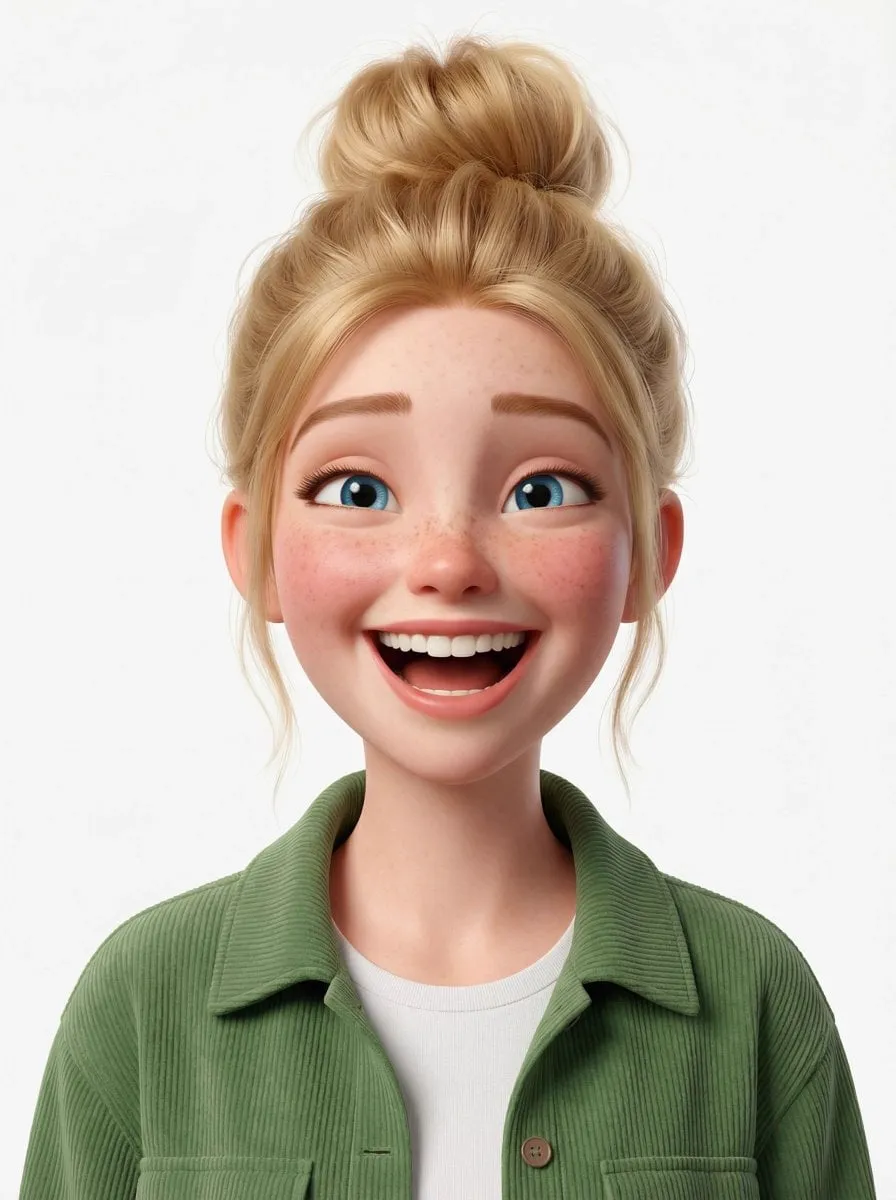
The most common question from creators starting an AI video series is not about prompts or models. It is about identity: how do I keep the same character looking like the same character across ten episodes? Episode one features a hero with a recognizable face; by episode three, the face has subtly changed; by episode six, the audience is asking who this new person is.
Long-form series multiply the consistency problem that single clips only hint at. When viewers invest in a character across episodes, every visual drift is a broken promise. The good news is that consistency is no longer a matter of luck. With a reference-set approach and multi-image fusion techniques, a single character can stay recognizable through an entire season. This guide lays out the full workflow.
Why Consistency Is the Hardest Problem in Long-Form AI Video
Short-form AI video can get away with inconsistent characters because the audience never has time to notice. A fifteen-second clip shows a face for a few seconds; the viewer's brain fills the gaps. Long-form is merciless. Characters appear repeatedly, in new scenes, under new lighting, wearing new clothes. Every appearance invites comparison with every previous one.
The technical reason this is hard is that generative models create every frame from probabilistic sampling. Nothing in the model remembers your character between generations unless you give it something to hold on to. Without anchors, each generation is a fresh roll of the dice — similar, but never identical.
The production reason it matters is trust. Series audiences bond with characters, not just plots. A stable character lets the story carry emotion; an unstable one constantly reminds viewers they are watching generated content. Consistency is not a technical nicety; it is the foundation of the entire viewing experience.
Building a Reference Set Before You Generate
The single highest-leverage step is creating a character bible before generating anything.
Collect reference images of your character from multiple angles and states: front, profile, three-quarter, close-up, full body. Include different expressions — neutral, happy, serious — and different outfits if the character changes clothes. If your series has a time span, include aged or alternate looks. Each reference image is a constraint that narrows the model's randomness.
Quality beats quantity. Five sharp, consistent, well-lit references are worth more than twenty blurry screenshots. Make sure the references agree with each other: if one reference has blue eyes and another has brown, the model will flip between them. Audit the set for internal contradictions before you build anything on top of it.
Document the set. Name each image clearly and write down what it anchors: "front-neutral," "profile-smile," "outfit-2-fullbody." When a generation drifts, the fix usually starts with the reference set, and you need to know exactly which anchor to adjust.
How Multi-Image Fusion Works in Practice
Multi-image fusion is the technique that lets a generation start from several images at once instead of one. Where a single reference anchors a face, multiple references anchor a complete identity: face, body, outfit, and environment details can all come from different sources in the same generation.
The practical pattern is to define roles for each input. The primary image carries the identity — face and key features. Secondary images carry context — outfit, pose, scene style. When you generate a new shot, the model fuses these inputs, preserving the identity from the primary while adapting the context from the secondaries.
The power of this approach for series work is obvious: you can keep the same primary identity image across every episode while swapping secondary images for new scenes and costumes. The character stays the same person, but the world around them can change freely.
Fusion has limits. The more inputs you pile on, the more the model has to reconcile, and reconciliation is where drift sneaks back in. Start with two or three inputs per generation. Add more only when the base is stable.
Writing Prompts That Preserve Identity
Reference images anchor identity, but prompts steer behavior. The two must agree, or the prompt wins and the character drifts.
Repeat the identity anchors in every prompt. Face structure, hair color and style, eye color, skin tone, distinctive marks — state them even when the reference image already shows them. Explicit repetition is cheap insurance against drift.
Describe the scene and action separately from the character. A prompt like "the character with short brown hair and a scar over the left eyebrow sits by a window in rainy light, wearing the gray jacket from the reference" gives the model both the identity to preserve and the new context to render. Mixing identity and action into one vague sentence invites the model to pick one and ignore the other.
Keep style tokens consistent. If your series has a defined visual style — color palette, lighting rules, texture — reuse the same style descriptors in every episode. Style consistency and character consistency are two legs of the same stool; neither stands alone.
Managing Style Across Episodes
A series has two kinds of consistency: the character must stay the same, and the world must feel like one world.
Define a series style sheet before production: the color palette, the lighting approach, the camera language, the texture and grain. Write it down in plain language and reuse it in every episode's prompts. The style sheet is your contract with the model.
Use the same base models for comparable shots. If episode one's hero shots came from a premium realistic model and episode two uses a stylized model, the character will read differently even with perfect references. Decide which models handle which shot types, and keep that assignment stable across the series.
Grade the episodes together. When you edit an episode, grade it against the series master, not in isolation. Matching white balance and contrast across episodes is what makes the audience feel the episodes belong together, and it covers minor generation variance that no prompt can eliminate.
Fixing Small Inconsistencies in Post
Even with a strong pipeline, small drifts will appear. The professional response is not to start over; it is to fix surgically.
Build a drift log. When you spot an inconsistency — a changed ear shape, a shifted skin tone, a wrong outfit detail — record what changed and in which shot. Patterns in the log point to the real cause: if the drift always happens in close-ups, your reference set probably lacks close-up angles.
Fix at the source first. If the drift comes from a weak reference or a prompt conflict, correct the reference set or the prompt and regenerate the affected shots. Regenerating a shot is usually cheaper than masking artifacts in post.
Use post tools for the residue. Inpainting and retouching can correct small facial details, and color tools can unify skin tones across shots. These are finishing touches, not substitutes for a stable generation pipeline. If you are doing heavy post-correction on every shot, your upstream pipeline is broken; fix that instead.
Production Planning for a Full Season
Consistency across ten episodes is a planning problem, not a per-episode problem. Plan the whole season before generating episode two.
Lock the character bible first and freeze it. Changes to the reference set mid-season are allowed, but every change should be deliberate and documented, because the audience will notice more than you expect.
Build episode templates. Standardize the shot list per episode — establishing shot, character intro, action beats, dialogue coverage, closer — so the same types of shots are generated with the same models and style tokens every time. Templates make consistency automatic rather than improvised.
Batch generation by character state. Generate all shots for a given outfit and scene together, then move to the next state. Batching reduces the number of times the model re-learns your character and makes drift easier to spot.
Review in series context. Watch each episode's assembly alongside previous episodes' assemblies, not alone. A shot that looks fine in isolation can break the series when placed next to earlier episodes. The grid review — character face across all episodes — is the single most useful quality check in series production.
Finally, leave room in the schedule for rework. Every season has a few shots that simply do not cooperate, no matter how solid the pipeline is. If you budget rework time as a normal part of production instead of treating it as a failure, the season stays on schedule and the quality bar holds. Consistency is a production discipline, and like every discipline, it is maintained by planning for the exceptions.
Tools That Support a Consistent Workflow
Consistency is easier when the tools around generation are chosen for the job. A small, deliberate toolkit beats a large, chaotic one.
Use a reference-management tool or a simple folder system for your character bible. Every reference image should be named, categorized, and versioned. When you regenerate a shot months later, you need to find the exact reference set you used the first time.
Keep a prompt library. Every prompt that produced a keeper should be saved with its settings, its model, and its outcome. Over a season, this library becomes your most valuable asset: it encodes everything you learned about keeping this character stable.
Consider a shot-tracking sheet. A simple spreadsheet with one row per shot — episode, scene, character state, model, prompt, status — gives you a bird's-eye view of the season. Drift patterns become visible in the sheet before they become visible on screen.
Use a consistent naming convention for generated files. Include episode, scene, shot, and version in every filename. When the edit needs "episode 3, scene 2, shot 4, take 2," the file should be findable in seconds, not after a hunt through unnamed exports.
Finally, standardize your grading pipeline. A saved color grade or a grading preset applied to every episode unifies the look of the season and masks the small variance that no generation pipeline can eliminate. The goal is that the audience never notices the machinery; they only notice the story.
FAQ
How many reference images do I need for a consistent character?
Start with five to eight well-audited images covering angles, expressions, and outfits. More is only better if the images agree with each other; contradictory references hurt more than they help.
What is multi-image fusion?
A technique that lets a generation use several input images at once, with a primary image carrying identity and secondary images carrying context like outfits and scenes. It is the backbone of scalable character consistency.
Why does my character drift even with references?
Drift usually comes from prompt conflicts, contradictory references, or changing models and style tokens between shots. Check those three before blaming the tool.
Can I fix character drift in post-production?
Small drifts can be corrected with retouching and color tools, but heavy post-correction signals an upstream problem. Fix the reference set and prompts first.
Should I use the same model for every shot in a series?
For comparable shot types, yes. Switching models between episodes changes the character's look even with perfect references. Assign models by shot type and keep the assignment stable.
How do I know if my series is consistent enough?
Grid-review the character's face across all episodes before publishing. If the character is recognizable in every thumbnail of the season, you are consistent enough for the audience.
What should I do when a new model comes out mid-season?
Do not switch models for comparable shots unless you test first. Run the same reference set through the new model, compare against your current output, and only adopt it if it improves consistency or quality without breaking the look of the season.
How much time should I budget for consistency work?
Budget more than you expect, especially for the first episodes. Building the reference set, tuning prompts, and setting up the tracking sheet take upfront time, but they pay back by making every later episode faster.
Is character consistency possible with free tools?
Partially. Free tiers often limit resolution, duration, or features like multi-image fusion. You can learn the workflow with free tools, but for a real series, budget for a paid tier on at least one reliable tool.
Does consistency matter more for some genres than others?
Yes. Character-driven genres — drama, romance, adventure, anything with a recurring hero — live or die by consistency. Looser genres like abstract visuals or landscape montages are more forgiving. Match your consistency investment to how central the character is to the audience's experience.
