
Anyone who has tried to produce a multi-scene AI video has hit the same wall: the first shot looks great, and the second shot looks like a different character entirely. The face shifts, the wardrobe changes, the lighting forgets what scene it is in. This is the consistency problem, and it is the single biggest obstacle between AI video and content that looks professional.
Multi-frame fusion is the technique that solves it. Instead of describing a character only with words, you give the model visual anchors from multiple frames and let it inherit the identity, style, and lighting from those references. This guide walks through how the technique works, how to build reference sets that actually hold up, how to choose models, and how to turn the whole thing into a repeatable production workflow.
Why Character Consistency Is the Hardest Problem in AI Video
Text-to-video models are brilliant at inventing worlds and terrible at remembering them. A prompt like "a young woman in a red jacket walking through a market" produces a beautiful woman, a red jacket, and a market, but if you run the same prompt twenty times you get twenty different women in twenty slightly different red jackets.
For a single clip that is fine. For a story, a product demo, a series, or a branded campaign it is fatal. Viewers notice inconsistency instantly: when a character's face changes between cuts, the illusion breaks and the content reads as cheap AI slop.
The deeper reason is that language is lossy. Words cannot carry the information needed to reconstruct a specific face, a specific costume, or a specific color grade. Images can. That is why the industry moved from purely text-driven generation to reference-driven generation, and why multi-frame fusion has become the standard for anyone who needs continuity.
What Multi-Frame Fusion Actually Does
Multi-frame fusion is a family of techniques that lets a generation model take one or more input images as visual anchors alongside your text prompt. The model extracts the features it needs from those images: identity, clothing, materials, color palette, lighting direction, composition — and uses them to constrain the output.
The practical effect is that the generated video inherits the look of the reference instead of inventing its own. Show the model three frames of your character and it will keep that character consistent in every subsequent generation. Show it frames of a scene and the new shots will match the scene's atmosphere.
There are two common modes. In character mode, the references are images of the same person or character from different angles, and the goal is identity stability. In style mode, the references are examples of a visual style, and the goal is aesthetic stability: the same palette, the same texture, the same mood. Most serious projects use both at once.
Building a Reference Set That Works
The quality of your references determines the quality of everything downstream. A weak reference set produces weak fusion, no matter how good the model is.
Choosing the right anchor images
Start with the character. Collect five to eight images of the character from different angles: front, three-quarter, profile, and at least one full body. All images should share the same outfit, the same hair, and the same approximate lighting, because the model will blend whatever it sees. If your character has a distinctive prop, include a clear shot of it.
Next, collect scene and style anchors. If the video takes place in a neon alley, include reference frames that establish the neon palette and the wet-street reflections. If the brand uses a specific color grade, include examples of that grade.
A useful test: if you squint at the reference set and cannot tell what the character looks like, neither can the model.
What makes a bad reference
Blurry or low-resolution images, mixed lighting, inconsistent outfits, and cluttered backgrounds all weaken fusion. The most common mistake is using a reference where the character is a small part of the frame. The model needs to see the face clearly to lock the identity. Crop tight, keep the subject centered, and keep the set small and coherent. Five strong images beat thirty random ones.
Picking the Right Model for the Job
Fusion is only as good as the model that performs it. Different models have different strengths, and the right choice depends on what you are producing.
High-fidelity models for hero shots
For the shots that carry the project, use models with strong prompt adherence and proven identity handling. Modern high-end models like the Flux family for stills and the Kling or Runway lines for motion are popular because they preserve details and respect references. Expect longer generation times and higher compute cost, and budget for several attempts per shot.
Fast models for drafts and volume
When you are exploring directions or producing large volumes of short clips, faster models are the pragmatic choice. They are excellent for testing: you can verify that a pose works, that a camera move feels right, and that the style direction is promising before committing to a premium render. Keep the reference set identical across tests, or you will be comparing apples and oranges.
The important habit is to document which model produced which result. When a shot works, you want to reproduce it, and that requires knowing exactly what combination of model, references, and prompt created it.
Stabilizing Identity: Face, Wardrobe, and Props
Identity stability is about more than the face. A character is a package: face, hair, skin tone, body proportions, clothing, accessories, voice in narration, and mannerisms. Fusion handles the visual package, but you need to feed it consistently.
Define the character once and freeze the definition. Write a character sheet that describes the outfit in detail, the props, and the key visual traits. Use the same language in every prompt so the text and the references agree. When the model has to choose between conflicting signals, it either averages them or picks one arbitrarily, and the result is drift.
For wardrobe changes between scenes, create a separate reference set for each outfit rather than asking the model to improvise a new costume. For props, generate a clean reference of the prop on a simple background and include it in the fusion. The more you control the inputs, the less the model improvises, and improvisation is where inconsistency comes from.
Controlling Style and Lighting Across Frames
Style and lighting are the second half of the consistency equation. Even a perfectly stable character looks wrong if every shot has different light.
Lock the lighting early. Decide whether the scene is golden hour, overcast, neon night, or studio softbox, and make sure your scene references agree. If you mix references with different lighting, the model will produce muddy, unconvincing light.
Color grading is a style anchor in its own right. If your project has a teal-and-orange cinematic grade, include graded frames in your reference set. If you are matching a brand, pull frames from the brand's existing content. The goal is that a viewer scrolling through your videos recognizes them as one series, not a random collection.
Making Cinematic Quality Repeatable
Consistency across a single video is table stakes. Consistency across a whole series is where the value is, and it requires a system, not luck.
Build a project kit for every recurring character or brand: the character sheet, the reference image set, the approved style frames, and a library of prompts that worked. Store them in a shared folder so every team member uses the same anchors. When a new episode is produced, the kit is the starting point, and the results match the previous episodes.
This is the same logic as a brand guideline, but for AI generation. Teams that skip the kit save an hour at the start and lose days at the end, redoing shots that drifted.
From Concept to Publish: A Workflow You Can Reuse
Here is a workflow that converts the theory into a repeatable process:
- Define the character and style. Write the character sheet and collect the reference set. Approve it before generating anything.
- Generate style frames. Produce still images to lock the look: character, key scenes, color grade. Fix everything here, where it is cheap.
- Storyboard as a shot list. Break the video into shots and write a prompt for each one, reusing the same character description.
- Generate drafts. Run fast models to validate composition, motion, and pacing. Reject early, refine prompts.
- Render finals. Switch to the high-fidelity model for the approved shots, using the identical references and prompts.
- Edit and grade. Assemble, add sound, and apply the final grade. Check every cut for character and lighting continuity.
- Publish and archive. Save the kit, the prompts, and the finals so the next episode starts ahead instead of from zero.
Troubleshooting: Flicker, Drift, and Style Bleed
Even with a good workflow, problems appear. Here is how to diagnose the three most common ones.
Flicker. Objects and textures shimmer between frames. Usually a model limitation on fine detail. Mitigate by simplifying busy textures, using consistent lighting, and rendering at higher quality. A small amount of flicker can also be cleaned in post with denoising tools.
Drift. The character slowly changes over the course of a video: the nose gets longer, the jacket changes shade. Usually a sign that the references are weak or the prompt contradicts them. Go back to the reference set, tighten it, and make the prompt agree with it.
Style bleed. One character picks up traits from another, or a scene inherits the wrong palette. Usually caused by mixing too many references or by a cluttered background in the anchors. Isolate characters in their own reference sets and keep backgrounds clean.
Advanced Techniques: Iterative Refinement and Multi-Reference Mixing
Once the basics work, two techniques separate good results from excellent ones.
Iterative refinement
Rarely does the first generation match the vision. Iterative refinement treats generation as a conversation: you generate, evaluate, adjust the prompt or the references, and generate again. The discipline is to change only one variable at a time. If you change the prompt and the references together and the result fails, you will not know which one caused it. Keep a log of each attempt: model, references, prompt, and a one-line verdict. After a few rounds, the log becomes a map of what works for your character.
Multi-reference mixing
Mixing lets you combine traits from different sources. You might take the face from one image, the costume from another, and the lighting from a third. The technique is powerful for characters that do not exist yet, like a historical figure reimagined in a science-fiction setting. The risk is dilution: the more sources you mix, the less stable the identity becomes. Start with two sources, verify the result, and add more only when the base holds.
Reference hygiene
Keep the reference set clean and versioned. When a shot works, save the exact set that produced it. When a shot fails, do not patch it with a new random image; go back to the version that worked and make one deliberate change. Most drift problems trace back to sloppy reference management rather than to the model itself.
FAQ
Do I need multiple images, or can one image hold a character? One image can anchor a look, but it struggles with angles and motion. Multiple images from different angles make the identity robust, especially for longer videos.
How many references is too many? If the set stops being coherent, it is too many. Aim for five to eight character images plus a few scene and style frames. Coherence matters more than count.
Can fusion keep consistency across different models? Yes, if the reference set is strong enough. Many teams generate stills with one model and video with another, and the references carry the identity across both.
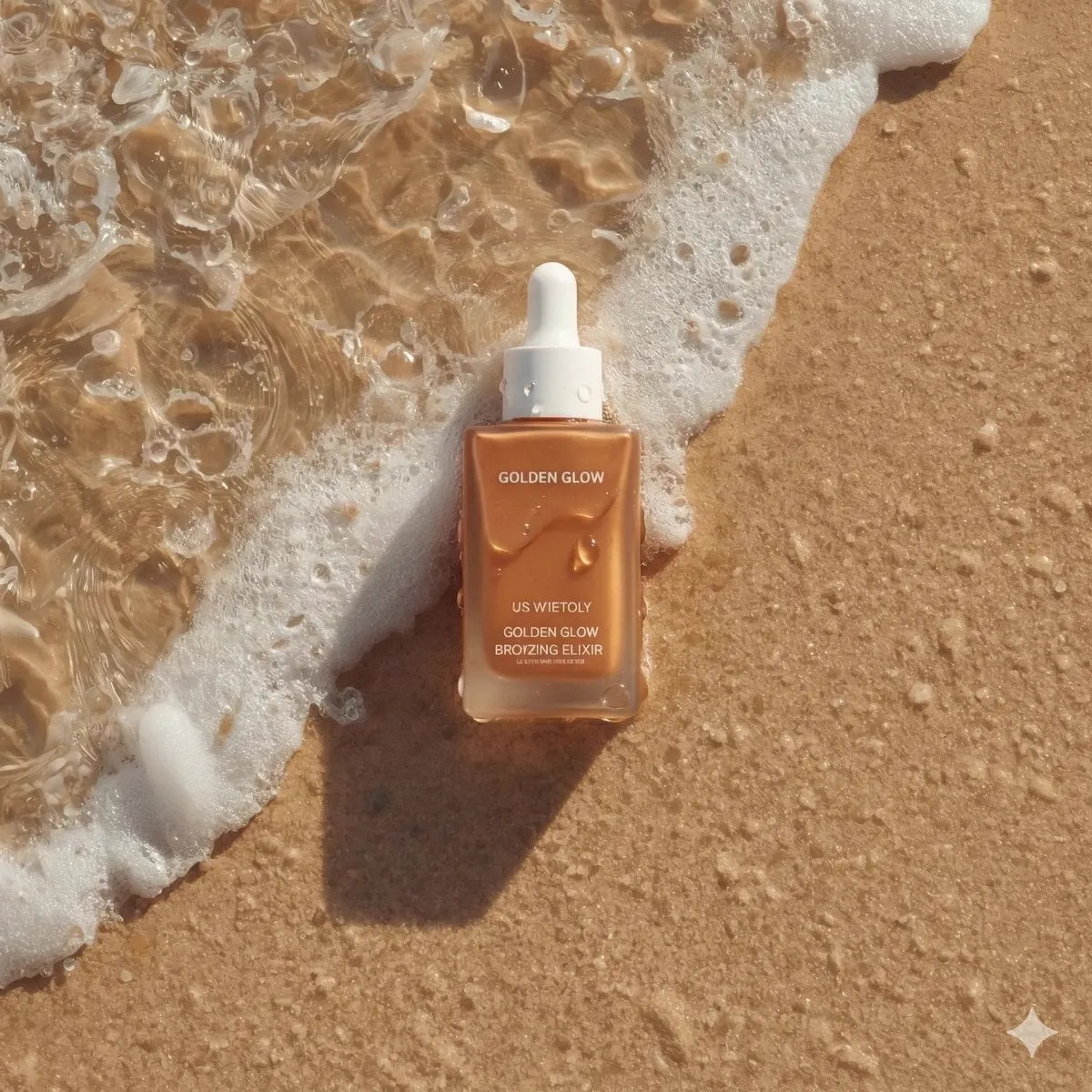
Is multi-frame fusion useful for non-character content? Absolutely. Products, environments, and abstract styles all benefit. The technique anchors any visual identity, not just people.
What is the best way to learn it? Run controlled experiments. Generate the same character with one reference, then with three, then with eight, and compare the drift. You will learn more in an afternoon of tests than in a week of tutorials.
Does multi-frame fusion work with real footage I filmed? Yes. Many creators generate AI scenes with a real person's likeness by using frames of their own footage as references. This is especially useful for pre-visualization and virtual production, where a real actor's identity needs to survive into generated environments.
How should I store references so a team can reuse them? Keep one folder per character with the approved images, a text file listing the exact prompts, and a version number. Name files by angle and purpose, and treat the folder as the single source of truth. When a new episode starts, the folder is the starting point.
The era of inconsistent AI avatars is ending. Multi-frame fusion gives creators the tool to build characters and worlds that survive across scenes, episodes, and campaigns. The craft now is in the references, the system, and the judgment — and those are exactly the skills that separate professional content from disposable clips.
