
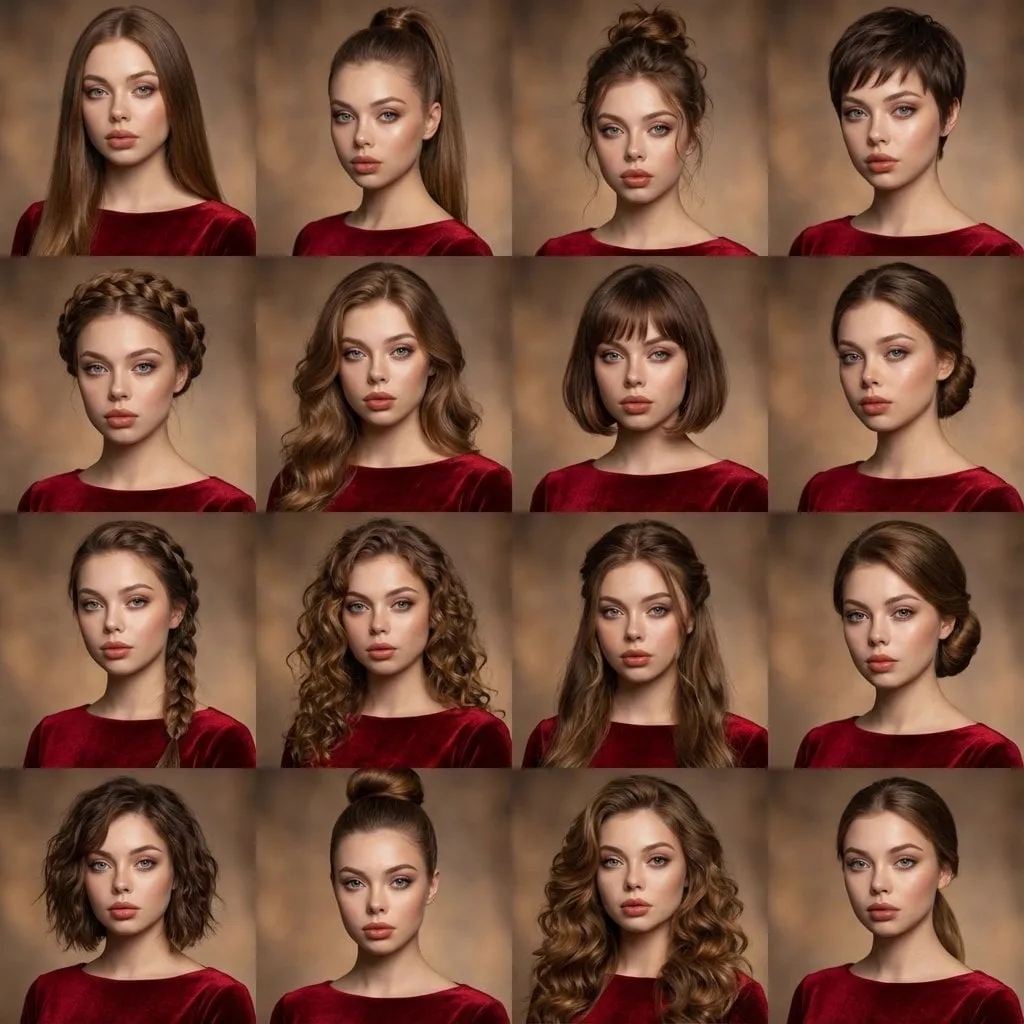
Every AI creator knows the frustration: you generate a character you love, but in the next scene their face has changed, their hair is different, and their clothes have magically altered. Character drift is the single biggest obstacle between AI creators and real storytelling. This guide introduces a practical solution: treating characters as modular assets, the way a game studio treats a character model. Instead of hoping the model remembers your hero, you build the hero from reusable, well-defined parts that stay stable across every shot.
The character drift problem
Generative models are brilliant at creating single images and increasingly good at creating single clips. What they struggle with is memory. A model asked to draw your character in a new scene has no idea who that character is unless you tell it with precision. Without references, it will invent a plausible-looking person, which is exactly why your protagonist changes appearance from scene to scene.
Drift is not a failure of the technology; it is a failure of process. The model is doing exactly what it was asked: creating a new image from a text description. The fix is to give the model a complete, stable definition of the character, and to repeat that definition at every step.
There is also a perceptual angle: viewers are more sensitive to inconsistency than creators expect. They may not name the problem, but they feel that something is off. Inconsistent characters break immersion and lower trust in the story, even when the individual shots are beautiful.
What modular character design means for AI
Think of a character as a set of building blocks, like a figure made of small, reusable pieces. Each piece is defined by specific parameters:
- Geometry: body shape, face structure, proportions.
- Texture: skin, hair, fabric, material quality.
- Lighting: how the character catches light, highlights and shadows.
- Expression: the range of emotions the face can show.
- Wardrobe: exact clothing, colors, and accessories.
When you define these pieces explicitly, you can control them independently. You can change the lighting without touching the face, or change the wardrobe without losing the nose. This modular thinking is what allows consistency at scale, because each piece becomes a stable input that the model can rely on.
The name of the approach matters less than the discipline behind it. Whether you call it modular design, a character sheet, or a pixel asset system, the core idea is the same: define the character precisely, once, and reuse that definition everywhere.
Defining character keynotes
Keynotes are the anchor points of a character: the features that must never change. Choose three to five of them and treat them as sacred. Good candidates:
- Face structure: jawline, eye shape, nose profile.
- Signature hair: color, cut, and how it moves.
- Eye color and shape: the most recognized feature in most characters.
- Distinctive mark: scar, freckles, tattoo, or unusual accessory.
- Core outfit: the outfit the character wears in most scenes.
Write these keynotes down in a short, repeatable description. Use the exact same wording in every prompt. If the character has blue hair with a white streak, write "blue hair with a white streak" every single time. Variation in wording is one of the silent causes of drift.
A good keynote is specific enough to be visual and short enough to repeat. "Mysterious hero" is a mood, not a keynote. "Black coat, silver eyes, white streak in dark hair" is a keynote, because every word can be drawn. Review your keynotes before every generation session. Descriptions drift over time, especially when you copy old prompts. A thirty-second glance at the notes prevents an error from repeating across ten generations.
Multi-image fusion: locking identity across shots
The most reliable way to lock identity is to show the model multiple views of the same character. Multi-image fusion works by extracting the core identity from several reference images and applying those features across all generations.
Build a reference set with these shots:
- Front-facing portrait with neutral expression.
- Side profile showing the silhouette and hairstyle from another angle.
- Three-quarter view, the most commonly used angle in storytelling.
- An expression shot, such as smiling or intense, to establish the range.
- A full-body shot showing the complete outfit and proportions.
More references are not always better. Five carefully chosen images beat twenty random screenshots. What matters is coverage: different angles, expressions, and lighting, with the same core features visible in every image.
Consistency between the references themselves is the hidden requirement. If your five images show three different hair colors or two different jacket styles, the model will average them into something new. Curate the set until every image agrees on the keynotes.
Character sheets and turnarounds for AI
Traditional animation studios use character sheets: a standard set of drawings showing the character from multiple angles with consistent proportions. The same idea translates directly to AI.
Create a turnaround set for your main characters:
- Front view, full body.
- Side view, full body.
- Back view, full body.
- Three-quarter portrait.
- Close-up of the face with neutral expression.
You can generate these with an image model, using one approved image as the seed, then verify that the five views agree. This becomes your official character asset. Every scene, every promo, every future project can start from this set.
For series with recurring characters, the turnaround set is the single highest-value asset you can create. It is the difference between starting each episode from scratch and starting from a tested foundation.
A practical asset preparation checklist
Follow this checklist before generating any scene:
- Name the character and write their keynotes in one paragraph.
- Collect or generate five reference images per the shot list above.
- Crop and clean each image so the character is centered and clear.
- Standardize lighting information in your notes: key light direction, mood, color temperature.
- Store everything in a project folder: images, keynotes, and the exact prompt template.
- Test the reference set with one simple prompt before starting real scenes.
The test step is worth the extra minutes. Generate one portrait and one full-body image with the new reference set. If the character looks right in both, the set is ready. If not, fix the references before wasting time on scenes.
Prompt templates that scale
Consistency is easier when your prompts follow a fixed skeleton. Build a template like this:
[Character keynotes] + [scene and location] + [action and emotion] + [camera and style]
An example: "Blue hair with white streak, silver eyes, black coat. Standing in a rainy alley. Looks back with a slight smile. Medium shot, cinematic, soft neon light."
The first block never changes. The other blocks change per scene. This template keeps the character stable while giving you freedom to vary the story. Write the template once, then fill in the blanks for each shot.
Keep your templates in the project folder next to the references. When you return to the project weeks later, you will remember exactly how the character was defined.
Working across models: what transfers and what does not
Every AI model interprets prompts differently, and character references do not transfer perfectly between them. Some models respect reference images closely; others treat them as loose inspiration.
What transfers well: keynotes in text form, the overall silhouette, the color palette, and the outfit description.
What transfers poorly: exact facial proportions, subtle style traits, and lighting behavior. A model trained on one aesthetic will reshape the character to fit its own style.
Practical approach: pick one primary model for the characters in a project and generate all character shots with it. Use other models for backgrounds, effects, or stylized elements that do not contain the character. If you must use a different model for a character shot, run a small test first and adjust the reference set or prompt until the result matches. If you must switch models mid-project, do it at a scene boundary, never inside a sequence. Generate a test shot first, compare it with the previous model's output, and only continue when the character still matches.
Verifying and fine-tuning consistency
Consistency is not binary; it is a scale. Set up a simple verification routine:
- Generate the character in three different scenes.
- Compare the faces side by side. Look for changes in eye shape, hairline, and jawline.
- Check the outfit: same colors, same accessories, same proportions.
- Check the lighting behavior: does the character react to light consistently?
When you find drift, do not re-roll randomly. Identify what changed and fix the source: add a missing reference angle, tighten the keynote wording, or reduce the scene description so it does not override the character.
Keep a log of what caused drift in each project. Most drift comes from a small set of causes: vague keynotes, mixed reference sets, or scene descriptions that contradict the character. Once you know your own failure patterns, consistency becomes routine.
Building a library of reusable characters
The modular approach pays off across projects, not just within one. Build a personal library of approved characters:
- Each character has its own folder: keynotes, reference set, prompt template, and approved samples.
- Add a thumbnail contact sheet so you can recognize the character at a glance.
- Tag characters by style: realistic, stylized, fantasy, cartoon, so you can find the right fit for a new project.
- Note which model and settings produced the best results for each character.
A library turns character creation from a weekly struggle into a fast selection process. When a new project needs a protagonist, you check your library first, adapt an existing character, and only build from scratch when nothing fits.
Managing a character across episodes
For long projects, add two practices:
- Keep a character bible: the keynotes, reference images, and approved looks, updated whenever the design evolves.
- Run a consistency check before each new batch of scenes. A five-minute check prevents hours of wasted generation.
The payoff is that each new episode does not start from zero. Your character is already defined, tested, and approved. You can focus on story and emotion, which is the entire point of building consistent characters in the first place.
If the character evolves over time, change the bible deliberately: update the keynotes and references at a defined moment, then regenerate the character in all new scenes with the new definition. Avoid gradual, accidental drift.
Advanced: expression and emotion control
Once identity is stable, the next level is emotional range. A consistent character who only has one expression becomes boring quickly.
Expand your reference set with an emotion sheet:
- A happy expression shot.
- An angry expression shot.
- A sad or thoughtful expression shot.
- A surprised expression shot.
Use these as secondary references when you need a specific emotion. The identity stays locked through the main set, while the emotion shot guides the performance. This two-layer approach is how you get a character that is both recognizable and expressive.
FAQ
How many reference images do I need?
Three to five well-chosen images are enough for most characters. More than that adds diminishing returns.
What if my character keeps changing hairstyle?
Add a profile and back view reference, and always include the hairstyle in the keynotes with the same wording.
Can I reuse a character across different styles?
Yes, but expect style adjustments. The keynotes transfer, while the exact look shifts to fit each model's aesthetic. Run tests before committing.
Is character consistency possible in real time?
For live streams and interactive content, real-time consistency is harder and depends on the tool. For pre-recorded production, the modular approach works reliably.
What is the fastest way to improve consistency today?
Write the keynotes in one fixed paragraph, build a five-image reference set, and test it before starting real scenes. Those three steps eliminate most drift.
Does this approach work for non-human characters?
Yes. Animals, robots, and fantasy creatures follow the same rules: define geometry, texture, and signature features, then keep them fixed across shots.
How do I store and organize character assets?
Use a clear folder structure: one folder per character with images, keynotes, templates, and samples. Name files consistently, for example front_v1.png, and keep an approved_samples subfolder.
