
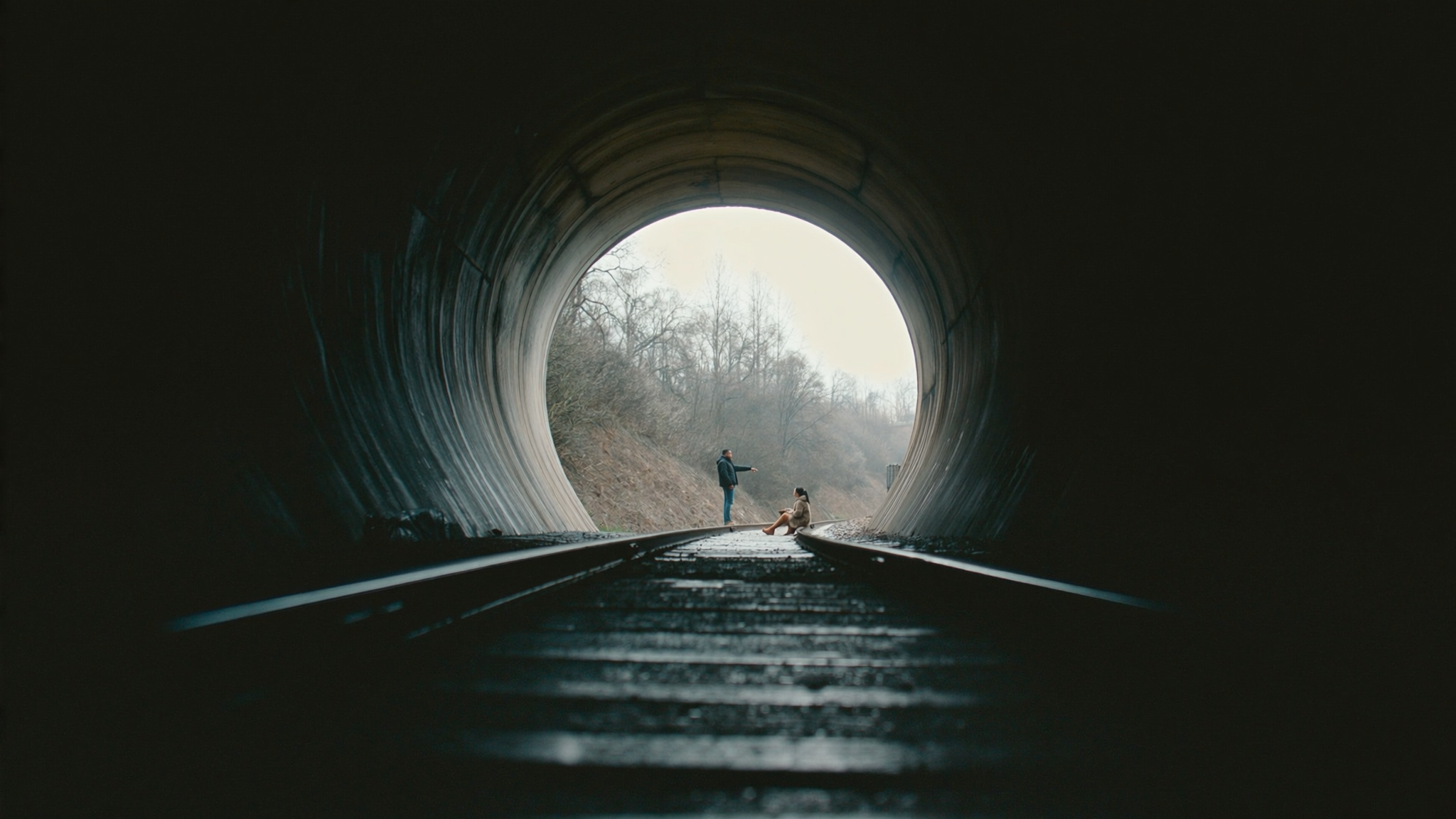
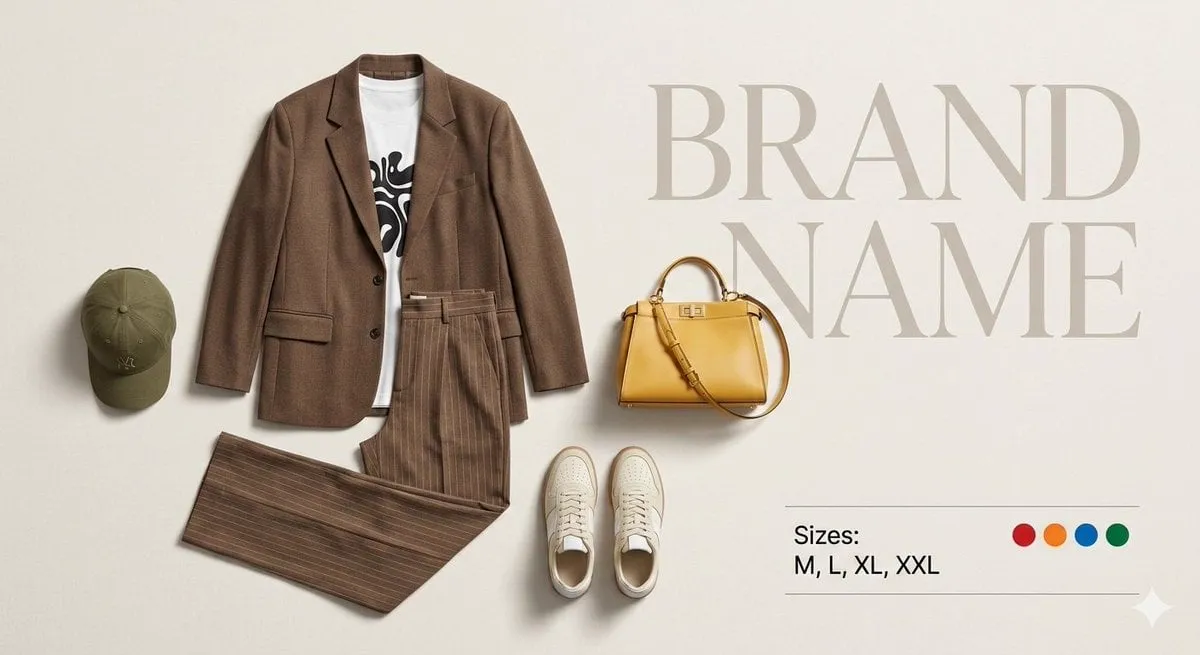
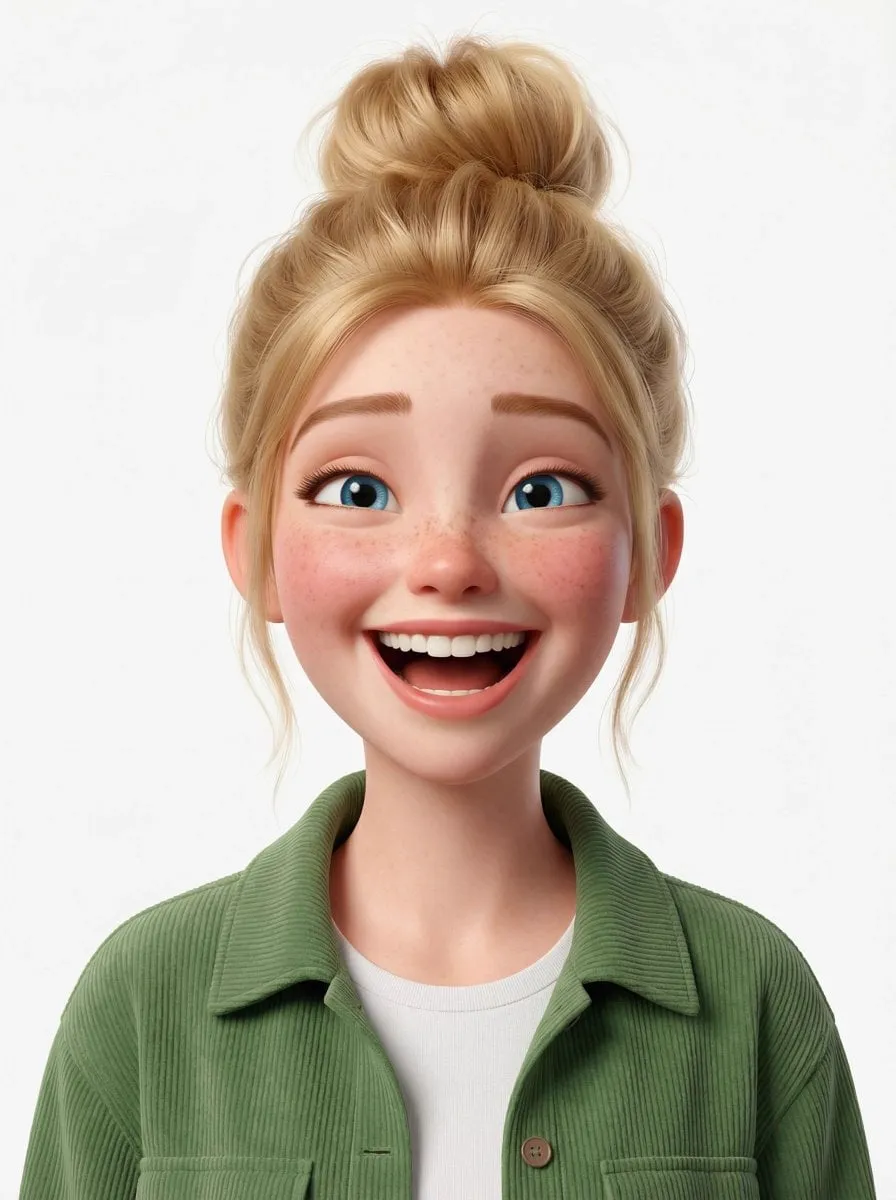
The hardest problem in generative art is not making one beautiful image; it is making the same character recognizable across twenty of them. Text-based models struggle to hold a face steady, so the same prompt often returns a different person each time. The breakthrough technique is multi-image reference: instead of describing who the character is with words, you show the model who they are with pictures. This tutorial explains how that works and gives you a repeatable method for generating consistent characters across images and full video sequences.
Why identity slips between generations
When a model generates purely from a text prompt, it is predicting a plausible image, not recalling a specific person. Small differences in wording, seed, and sampling change the outcome, which is why a character's hair, face shape, and wardrobe drift from shot to shot. This drift is the single biggest reason generative images feel incoherent in a series.
Advances in video generation, especially the latest series from major labs, have raised expectations for cinematic quality. Yet even the most photorealistic tools share the same weakness: identity continuity. Individual frames look stunning, but the character in frame one and the character in frame ten may not be the same person. Multi-image reference exists specifically to close that gap.
How multi-image reference works
Multi-image fusion takes several images as anchors. Give the model the same character shown from the front, the side, and at a different angle or expression, and the model learns the identity that all the images share. It extracts the stable features, the face shape, the distinctive marks, the wardrobe, and uses them as a constraint for anything you generate afterward.
More than a single reference
A single reference still leaves room for ambiguity. One photo shows one face in one light from one angle. When the model needs to generate a new pose, it has to guess what the other angles look like, that is, it has to invent. Multiple images narrow the invention. The more varied your reference set, the tighter the grip on identity.
The reference library as an actor on set
Think of your reference pack as the actor's contract with the film. It is the locked description of who this person is. As long as every generation draws on the same pack, everyone and every shot references the same facts. Build it once, keep it consistent, and you prevent most drift before it starts.
Building a high-quality reference pack
Every reliable character workflow starts with a strong pack. The following checklist produces a set you can trust across an entire project.
Capture the essentials
Include at least these views: a front-facing clear shot, a three-quarter view, a profile, and a close-up of the face. Add a full-body shot so the model understands the character's build and outfit. If the character has signature props, include them in their own images.
Vary the angles and expressions
A single neutral expression is not enough. Include a smile, a serious look, and a couple of angles the model will actually need. The more positions the model has seen, the better it can reason about turns and motion you are not showing it directly.
Keep lighting and resolution clean
Reference images should be sharp and evenly lit, with the subject clearly in frame. Cluttered or dark references confuse the model and dilute identity. If your references are generated, render them at a high resolution and remove anything that introduces unwanted variation.
Lock the wardrobe
Costume is part of identity. If the character wears a distinctive jacket, keep it consistent across the pack. Changing outfits between shots is fine, but if you want the default look stable, feed the model that same outfit repeatedly. Consistency in reference equals consistency in output.
Generating stills with the reference pack
Once the pack is ready, the workflow for producing consistent stills is straightforward.
Start from the anchor image
Use one strong reference as the base of each generation and add the others as supporting anchors. Describe the new pose, setting, and lighting in the prompt while letting the reference govern identity. This combination of a visual anchor and directed prompt yields controlled variety.
Test the model that fits the look
Different tools handle consistency differently. Some are tuned for photorealistic output, others for illustration or specific art styles. Match the model to the aesthetic you want before committing to a large batch. Quickly test a single pose across your shortlist of candidates.
Iterate on failures locally
When a result drifts, resist rewriting the whole prompt. Instead, strengthen the reference signal, use a sharper anchor image, or rerun with a different seed. Localized fixes preserve what works and move faster than wholesale changes.
Moving to consistent video
Character consistency becomes critical the moment you animate a sequence. Video multiplies the chances for drift because every frame is a fresh generation opportunity.
Anchor each shot to the pack
Every shot in a sequence should draw on the same reference pack. Starting each shot with a locked reference gives the video model a fixed identity from the first frame, keeping the character stable across cuts. Do not generate a whole scene from a vague prompt and hope it holds.
Use keyframes to plan the motion
Define the important moments of a shot with keyframes: the starting pose, a pivoting action, the final framing. The model interpolates the motion between them. When the keyframes carry the reference identity, the interpolated frames inherit it. This pairs control over motion with control over identity.
Review for drift during assembly
Assemble the approved shots into a timeline and watch specifically for identity drift: face shape, hair, or wardrobe suddenly changing between adjacent cuts. It is a different error from lighting mismatch. Mark every drifting shot and regenerate it using the reference pack before you commit to finishing.
Building a character pipeline for a series
Consistency matters most when a character reappears across episodes. Setting up a small pipeline at the start saves enormous rework later. The following steps turn an ad hoc process into something repeatable.
Decide on defaults before the first shot
Agree on the character's fixed attributes, the wardrobe, the palette, and the primary expressions before generating anything. Write them down as a one-page reference that every episode follows. This prevents drift across time and across the people working on the project.
Structure the reference library by character
Store each character's pack in its own folder with a clear naming scheme: the character name, the view, and the version. When the team needs a new pose, they pull from the same pack instead of rebuilding. A tidy library is what makes consistency scale.
Reuse assets across episodes
Approved keyframes and completed shots from earlier episodes are not throwaways; they are future reference. Reusing a proven take keeps the identity intact and speeds up new scenes. Keep the best versions organized so they are easy to find.
Build a review checklist into every batch
Add a short checklist to each generation batch: face unchanged, hair unchanged, wardrobe unchanged, expression matches intent, lighting consistent with the scene. A fast checklist catches most drift before it reaches the timeline, where fixing it costs more.
The payoff of a well-run pipeline
A character pipeline does its best work quietly. New scenes generate faster, the team wastes less time re-checking faces, and the audience never notices anything odd because there is nothing odd to notice. That invisible reliability is exactly what consistency is for: it lets the story hold attention instead of the artifacts.
Advanced tips for studio-level consistency
Once the basics are solid, these refinements push the quality higher.
Extend a character with trained or community models
For a recurring character across many projects, you can refine your setup to the point where new scenes feel automatic. Community shares and fine-tuned models can carry a consistent style so you spend less time re-anchoring and more time directing.
Keep a shared style across a series
Use the same reference pack and the same visual style anchors for every episode of a series. Treat the pack as part of your style guide. When the team adds new scenes, require them to draw on the same source assets.
Version your references
If a character evolves, version your reference packs instead of overwriting them. Keep the approved set for episode one distinct from the updated set for a later arc. This preserves the option to return and prevents accidental identity drift across an ongoing story.
Troubleshooting common identity failures
Even careful workflows hit problems. Here is how to diagnose the usual ones.
The face changes every few generations
Your reference signal is too weak. Add sharper, more varied angle images to the pack and always anchor generation to your strongest front-facing shot. Reduce reliance on text-only description.
The character repeats across different people
If different characters come out looking alike, the model is collapsing them into one identity. Give each character a distinct wardrobe, hair color, and build in both references and prompts. Separate packs for separate characters prevent blending.
Consistency works for stills but not video
Video multiplies the frames where drift can appear. Build keyframes that carry the reference identity, reduce the per-shot motion to what you actually need, and review each shot at several time points rather than only at the start and end.
Generated hands or limbs are distorted
This is a common weakness of generative models, not a consistency problem. Generate and regenerate the specific shot, or use negative guidance that discourages warping. Sometimes a simpler pose solves it by minimizing the surface the model must reason about.
Frequently asked questions
How many reference images do I need?
A solid minimum is four to six showing the character from different angles with clear lighting. More varied references help, but quality matters more than quantity. A sharp, well-lit set of five beats a blurry set of twenty.
Can multi-image references work for any style?
Yes. Cartoon, realistic, anime, and stylized art all benefit from the same principle: the model learns identity from the images it is given. Tailor the references to the style and the characters will hold.
Is this technique usable for multiple characters in one scene?
Yes, but it is harder. Build a separate reference pack for each character and keep their appearances strongly distinct. Generate interactive shots carefully and check that each character keeps their own identity.
Will this remove all consistency issues?
It removes most of them if applied well, but generative models are still imperfect. Expect to review and regenerate a share of shots. The technique turns an unreliable process into a controllable one.
What if my character needs to change outfits between scenes?
That is fine; keep the face and build anchored while changing only the wardrobe. Use the reference pack for identity and describe the new outfit in the prompt. Adding a separate reference for the new costume helps. Check that the face stays stable even as the outfit changes.
How do I handle side and back views of a character?
Feed the model those angles in the reference pack from the start. If the pack only has front views, the model invents the sides and back, which causes drift. Include a back and both side views so it can reason about turns confidently.
Does consistency work across different art models?
Consistency is anchored per generation. Each model applies the reference slightly differently, so switching models mid-project can change how a character looks. Lock one model per project or verify the pack still holds before switching. It keeps the identity stable project-wide.
Conclusion
Consistent characters made the difference between a collection of pretty images and a story someone can follow. Multi-image reference is the key that locks identity in place, across both stills and video. Build a strong reference pack, anchor every generation to it, plan motion with keyframes, and review for drift during assembly. Do that, and you move from begging a model to cooperate to directing it with confidence. The characters you generate will finally behave like actors, staying recognizably themselves from the first frame to the last.
