
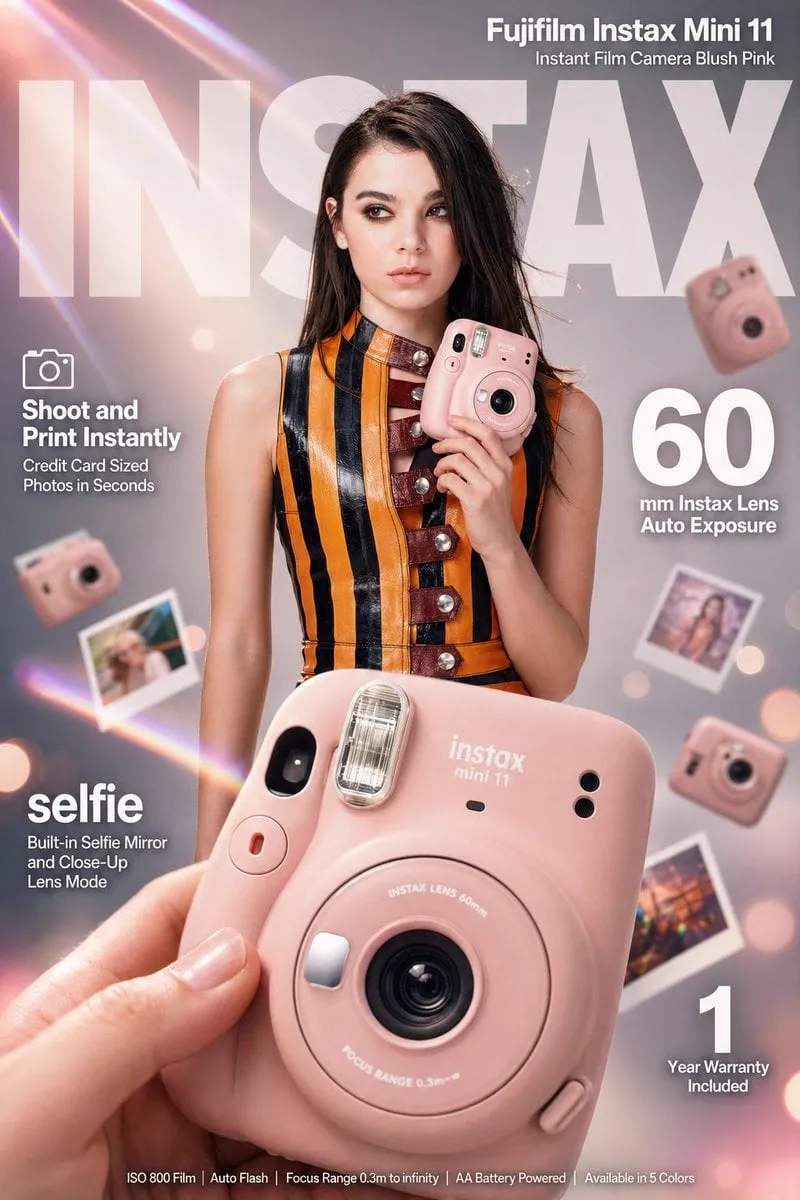
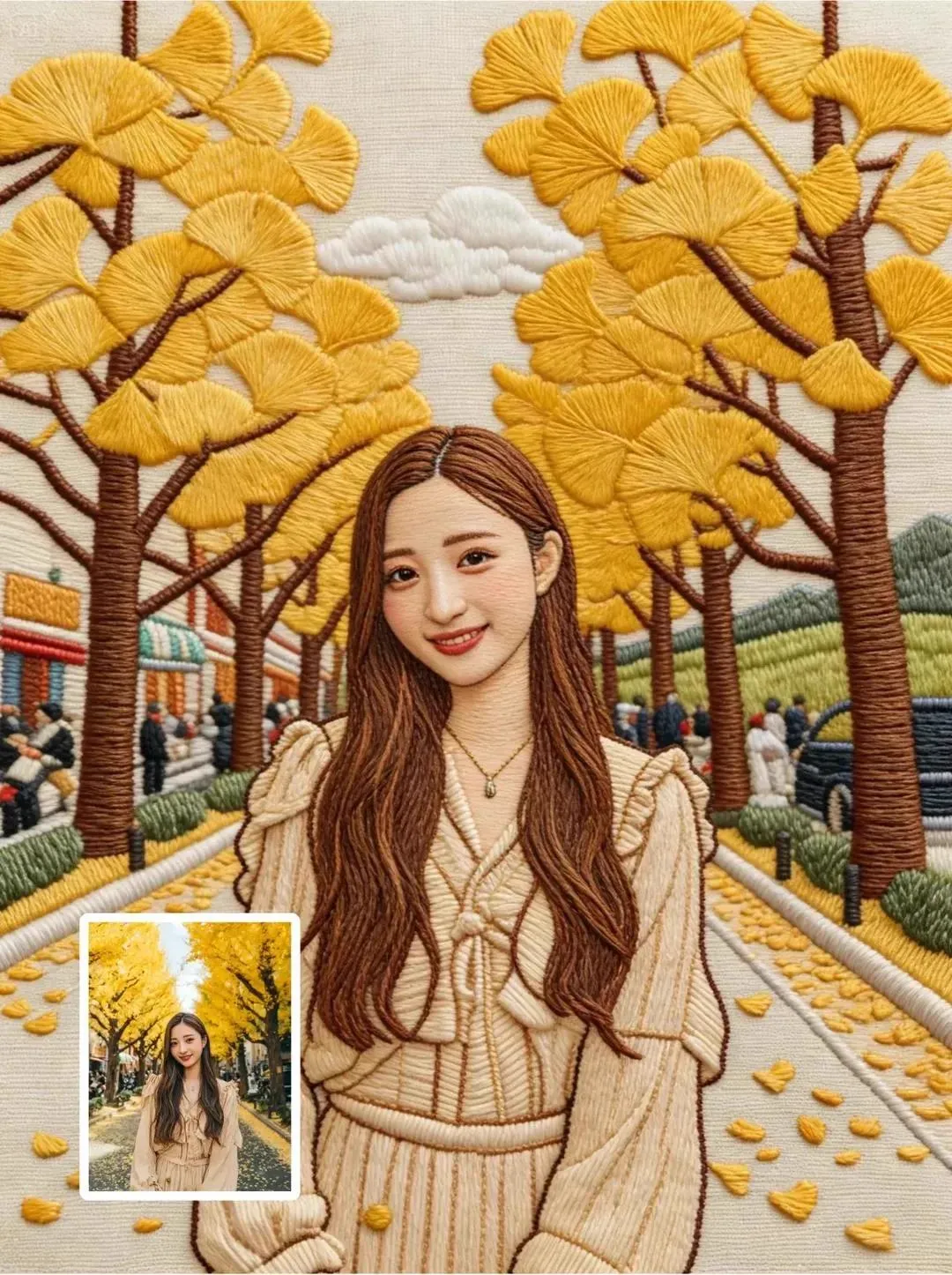
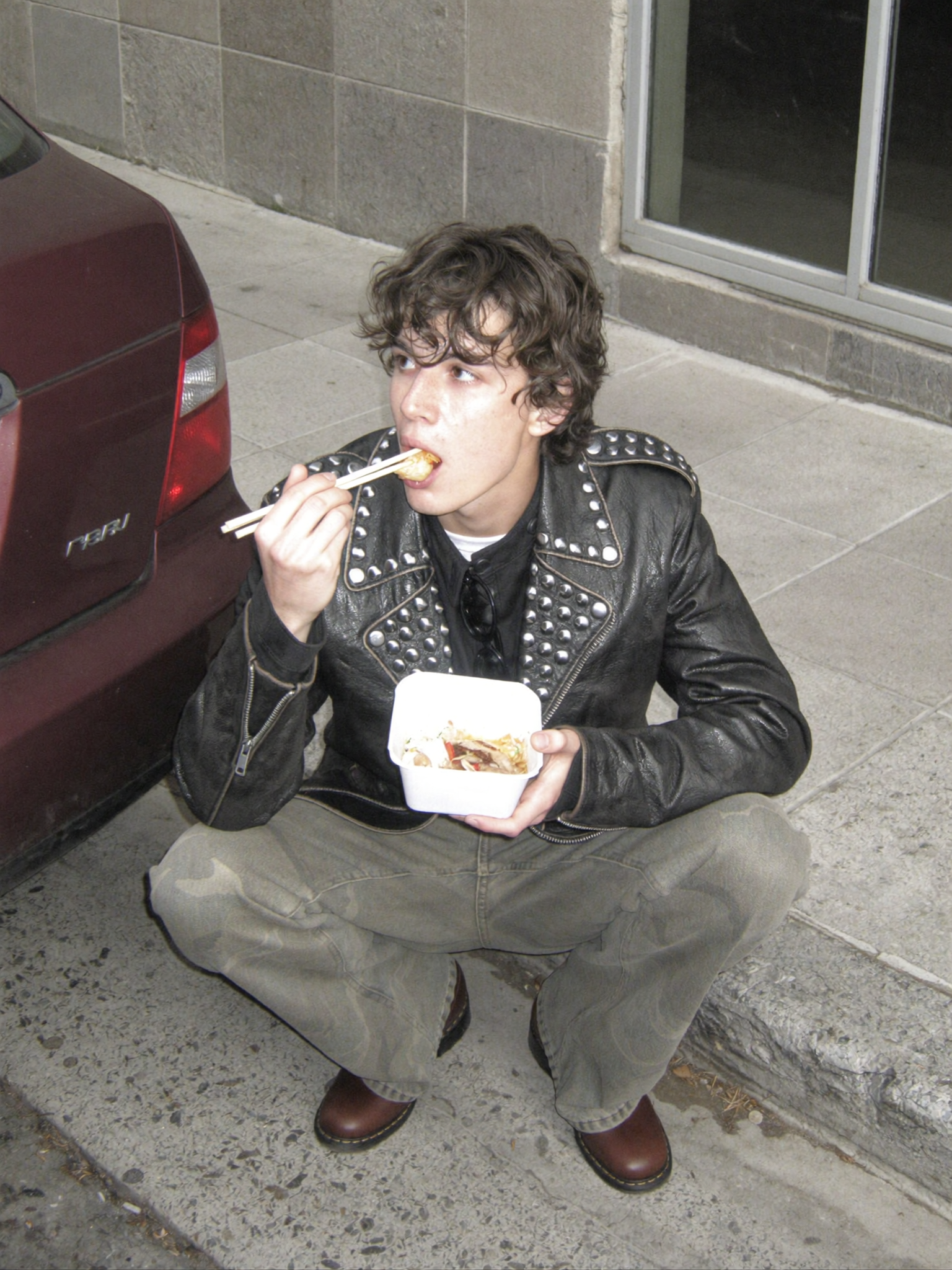
Anyone who has tried to make a short film, a comic series, or a branded campaign with AI video tools has hit the same wall. The character looks perfect in scene one, then subtly different in scene two, and by scene five it is practically a different person. The face changes shape. The jacket changes color. The lighting tells a different story from one frame to the next. This problem, usually called character drift or identity inconsistency, is the single biggest reason AI-generated stories feel amateurish, and it is also one of the most fixable.
Multi-image fusion is the technique that solves it. Instead of describing your character only with words, you give the model several reference images that anchor the identity, and the model fuses those references into every new output. When it is done well, your hero keeps the same face, the same wardrobe, and the same proportions no matter how many scenes you generate. This guide is a practical walkthrough of how multi-image fusion works, how to build a reference library, how to structure a repeatable workflow, and how to avoid the most common failure modes.
Why Character Consistency Is the Hardest Problem in AI Video
The quality of AI-generated imagery has improved dramatically in a short time. Modern models can produce photorealistic frames, dramatic lighting, and complex compositions that would have required a full production team a few years ago. But raw quality is not the same as storytelling. A film or a comic series is a sequence of images that must read as one continuous world, and that continuity depends on stable characters.
Character drift happens because generative models create images probabilistically. Every time a model renders a frame, it makes thousands of small decisions about the shape of a nose, the fold of a shirt, and the way light hits the hair. When each frame is generated from scratch, those decisions drift. The result is a character that looks close but not quite right across scenes, which is actually worse for audiences than a clearly stylized character, because the mismatch breaks immersion.
This is not a niche problem. Anyone producing series content, brand campaigns, game cinematics, or long-form storytelling needs identity to hold across many outputs. That is why reference-based generation, and multi-image fusion in particular, has become the most important skill in the AI video toolbox.
What Multi-Image Fusion Actually Does
At a high level, multi-image fusion is the process of combining visual information from several input images to produce a new output that preserves the identity of those inputs. It sounds like simple image blending, but it is much more than that.
It Extracts Meaning, Not Just Pixels
Early attempts at combining images worked on pixels: averaging colors, mixing textures, morphing shapes. The results looked smeared. Modern fusion works on semantics. The model analyzes each reference image and extracts features such as the shape of the face, the style of the clothing, the color palette, and the proportions of the body. It builds an internal representation of who the character is, then uses that representation to guide generation.
It Separates Identity from Style
The most useful property of fusion is that it can separate who the character is from what the scene looks like. Your reference images might be simple studio shots, but the model can place the same character in a rainy street, a fantasy castle, or an anime-inspired scene without losing the face. This separation is what makes fusion valuable for storytellers, because scenes in a real story have wildly different settings and moods.
It Anchors the Character Across Outputs
Think of the references as anchors. Each anchor tells the model something that a prompt alone cannot express. One image captures the face. Another captures the full-body proportions. Another captures the wardrobe. Another captures the way the character stands. The more consistent anchors you provide, the less room the model has to improvise, and the more consistent your outputs become.
Building a Reference Library That Works
The quality of your references determines the quality of your consistency. Before you generate a single scene, build a deliberate reference library rather than grabbing whatever images you have.
Choose the Right Reference Shots
You do not need fifty images. You need a small set of high-quality images that cover the essentials. A strong base library looks like this:
- A clean front-facing portrait with neutral expression and even lighting
- A three-quarter view of the face to capture the structure of the jaw and nose
- A full-body shot showing height, build, and posture
- A close-up of distinctive features such as hair, eyes, or markings
- A wardrobe shot showing the exact outfit the character wears in most scenes
Each image should be sharp, well lit, and free of clutter. A reference with heavy background detail competes with the character for attention and can leak unwanted elements into your output.
Keep Lighting and Framing Consistent in the Library
This is the mistake that causes the most drift. If your references mix harsh midday sun, moody night light, and neon, the model cannot tell which lighting is part of the identity and which is part of the scene. It will average them into something muddy. Keep your reference library in neutral, diffused light with consistent framing, then let the scene prompts handle the mood.
When Three References Beat One
A single reference image is rarely enough. It gives the model one view of the character, and when the prompt asks for a dramatic new angle or expression, the model has to invent the rest. Three or more references, taken from different angles and covering face plus body, give the model enough information to reconstruct the character under new conditions. More references are not always better, though. Beyond five or six images, you risk confusing the model with conflicting details. Curate instead of hoarding.
A Step-by-Step Fusion Workflow
Once your library is ready, the workflow becomes repeatable. Here is a sequence that works well for multi-scene projects.
Step 1: Define Your Character Bible
Before generating anything, write down the non-negotiables: skin tone, eye color, hair style and color, height, build, signature clothing items, any scars or tattoos, and the general style direction. This is your character bible. It keeps you consistent as a director, and it gives you a checklist for validation later.
Step 2: Generate a Baseline Sheet
Create a sheet with your character in a handful of controlled poses and expressions: neutral, happy, angry, walking, and sitting. This baseline serves two purposes. First, it tests whether your references actually produce a stable identity. Second, it gives you a visual target that every future scene must match.
Step 3: Anchor Each Scene
For every new scene, provide the character references plus a scene-specific prompt. Keep the identity references identical across all scenes. Only the prompt changes to describe the action, setting, camera, and mood. This is the core discipline of fusion-based production: the character input is constant, and the creative input varies.
Step 4: Validate Before Rendering Long Sequences
Rendering a long sequence only to discover the character drifted in frame twelve is expensive. Generate single test frames first, compare them against the baseline sheet, and only then commit to the full sequence. This validation step saves hours and dramatically improves the quality of the final cut.
Writing Prompts That Protect Identity
The prompt is where most consistency failures are born, because the prompt is where the model learns what you want to change.
Put Identity First
Start the prompt with the character's fixed attributes, then move to scene details. "The same character, a woman in her thirties with short dark hair, wearing the blue jacket from the reference, now standing in a rainy alley at night" protects the identity much better than "a woman in a rainy alley" plus references.
Describe What Must Not Change
Be explicit about what stays the same. Words like "same face", "same outfit", and "same proportions" are cheap insurance. Models are more literal than we assume, and naming the constants reduces drift.
Keep Style Tokens Stable
If you are producing a series, keep the style tokens identical across all prompts. "Cinematic, shallow depth of field, 35mm" should appear in every scene. Changing style tokens between scenes is a hidden source of drift that creators often blame on the model when the real culprit was the prompt.
Common Failure Modes and Fixes
Even with a good workflow, things go wrong. Knowing the failure modes helps you fix them fast.
Style Drift
The character looks the same but the world feels different from scene to scene. Fix: standardize style tokens across all prompts and keep the reference library in one lighting style.
Age and Weight Drift
The character looks younger or slimmer in some scenes. Fix: add a reference that pins the face at the right age, and avoid describing the character differently between scenes. Keep descriptive words like "young" or "slim" constant.
Accessory Drift
Glasses, earrings, belts, and logos change between frames. Fix: include a close-up reference of the accessories and name them explicitly in every prompt.
The Refiner Pass
When a generated image is close but not perfect, do not re-roll from scratch. Feed the near-miss back as a reference and ask the model to refine it toward the baseline. This second pass usually fixes small drifts much more reliably than a fresh generation.
Choosing Models for Different Consistency Needs
Different models handle references differently, and part of mastering fusion is knowing which tool to use for which job. Some models are excellent at photorealistic identity. Others excel at stylized or animated characters. Some accept multiple reference inputs natively, while others need a single fused reference prepared in advance. Tools such as Flux, Runway, Kling, PixVerse, Vidu, and Sora each have strengths, and the practical approach is to test your specific character against two or three models before committing to a production pipeline. Consistency is a property of your whole setup, not of any single model.
The Fast Validation Checklist
Before you publish or render a final sequence, run this checklist:
- Face matches the baseline sheet in shape and features
- Hair and eye color are stable
- Wardrobe matches the character bible
- Body proportions are consistent
- Style tokens match the rest of the series
- No unintended background elements leaked from the references
FAQ
Do I need a powerful computer for multi-image fusion?
The heavy computation happens on the model provider's infrastructure. Your job is to prepare good references and prompts.
Can I use one reference for a whole series?
You can, but drift risk increases. A small library of three to five references gives much better results.
Does fusion work for animals and objects?
Yes. The same anchoring principle applies to any recurring visual identity, including mascots, products, and creatures.
Why does my character change when the scene changes drastically?
Large changes in setting and lighting put more pressure on the model. Use more references, pin the constants in the prompt, and validate a test frame first.
Is more detail in the prompt always better?
No. Relevant detail is good; contradictory detail is harmful. Keep identity details fixed and let scene details vary.
The key lesson from this workflow is that consistency is a system, not a single setting. A deliberate reference library, a stable set of identity prompts, and a validation habit will take you further than any one model or magic prompt. Build the system once, and every future project gets faster and more reliable.
Going from One Scene to a Full Series
The techniques in this guide scale cleanly from a single scene to an entire series, but only if you change how you work. A one-off video can tolerate a loose reference set and a few lucky prompts. A series cannot, because the audience will watch episode two next to episode one, and every difference becomes visible.
The first scaling step is versioning. Name your reference libraries and baseline sheets with dates and version numbers, so that when you improve a character's look, you know exactly which scenes used which version. Nothing breaks a series faster than mixing two versions of the same character across episodes.
The second step is documentation. Keep a short style guide for the series that records the identity prompts, the style tokens, the color rules, and the approved references. This guide is what lets you come back to a project months later, or hand it to a collaborator, without rediscovering everything from scratch. It also catches the slow drift that happens when a creator unconsciously changes how they describe a character over many sessions.
The third step is batching. Production is more consistent when you generate similar shots together rather than scene by scene. Render all of an episode's establishing shots in one session, all of its close-ups in another, and all of its night scenes in a third. Each batch shares lighting conditions and prompt structure, which reduces the variation the model introduces between similar shots.
A series also changes your validation rhythm. Instead of checking each shot against the baseline once, schedule a consistency review at three points: after the first render of each new location, after the first render of each new outfit, and after the full assembly cut. These checkpoints catch problems while they are still cheap to fix, before a small drift has propagated through a dozen scenes.
Making Consistency Work for Different Content Types
The same core technique adapts to different formats, and the differences are worth knowing before you start.
For animated and stylized projects, the references should be the art style itself. Include style frames in your reference set, not just character sheets, because the model needs to know what the world looks like, not only who lives in it. Stylized projects are actually easier to keep consistent than realistic ones, because small imperfections read as part of the art direction.
For product and brand content, the product is the character. Shoot the product in controlled lighting from several angles, include a color-accurate reference, and treat the product's proportions as fixed features. The discipline that protects a hero's face is exactly what protects a logo's spacing or a bottle's silhouette across a hundred campaign variants.
For documentary and news-style content, consistency matters less than authenticity, but the same anchoring techniques still help with recurring elements like on-screen hosts, locations, and lower-third graphics. Keep the references minimal and let the content stay flexible, because over-constraining a documentary look makes it feel artificial.
For gaming content, characters, environments, and UI elements all benefit from fusion. A creature that appears in ten cutscenes needs the same reference treatment as a film hero, and a game world benefits from consistent location references so the castle in the intro looks like the castle in the final level.
