
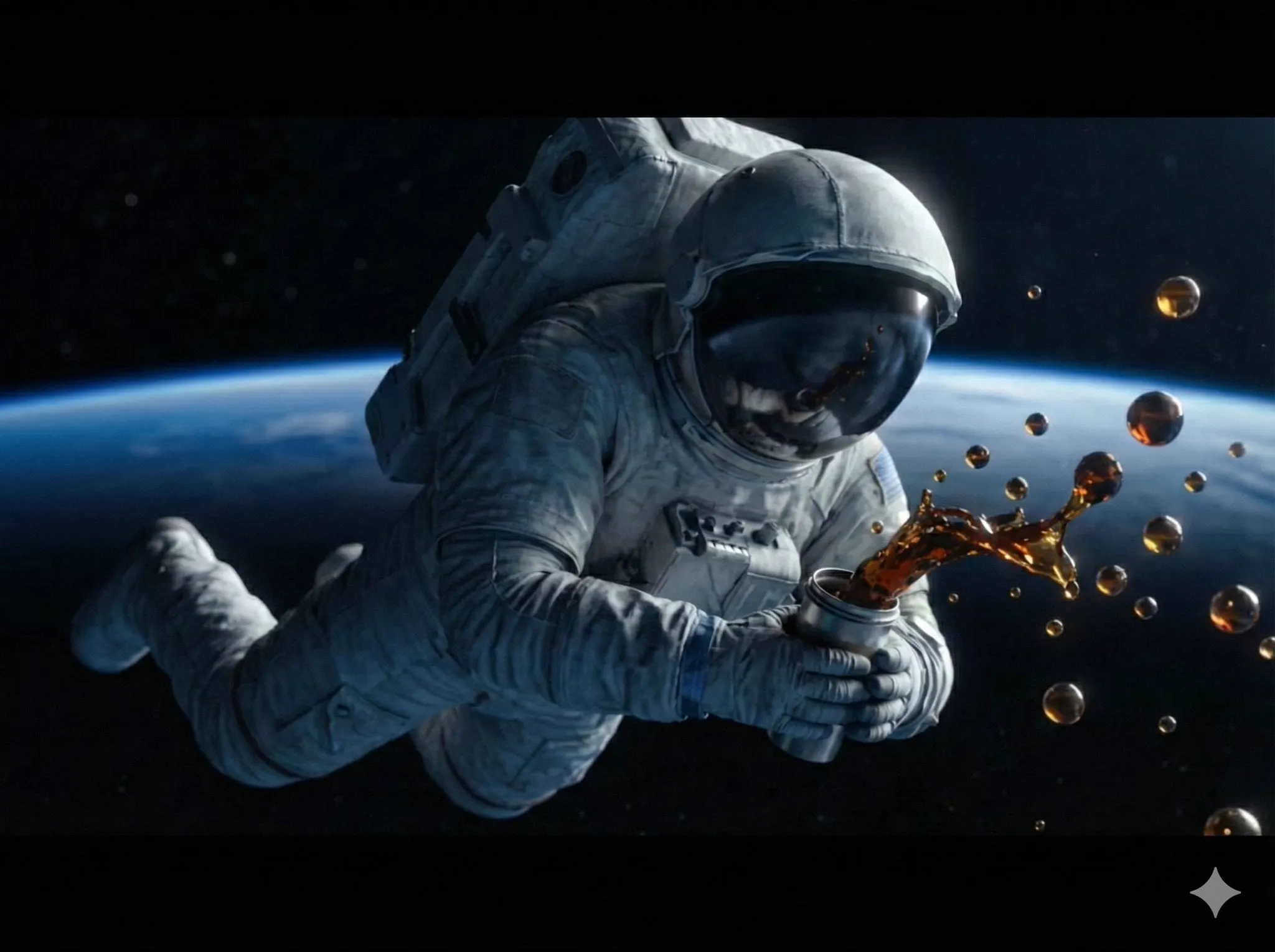
One of the hardest problems in AI filmmaking is not generating a beautiful image. It is generating a character and watching them survive, unchanged, through every scene of a longer story. A hero who subtly changes face shape between shots, a wardrobe that shifts color, or a hairstyle that mutates mid-film instantly breaks the illusion. This is the challenge of character consistency, and multi-image fusion has become one of the most reliable answers to it.
Why Character Consistency Is the Real Bottleneck
The creative industry has experienced an explosion of AI tools capable of generating video. Modern image and video models have made enormous strides in photorealism and in the quality of any single frame. A lone action shot or a portrait can look breathtaking. Yet most amateur and intermediate AI films still fail on continuity: the same character barely resembles themselves from one scene to the next.
Consistency becomes critical exactly when projects grow. As AI video work moves from isolated short clips toward longer cinematic pieces and complex brand series, the viewer begins to track characters across time and space. The moment a character no longer matches their established identity, the story quietly breaks and the audience loses trust. Solving this problem separates professional work from disposable generation.
The Technology Under the Surface
From Single Reference to a Character Profile
Early workflows relied on a single reference image or a purely textual description. Both are fragile. A single image captures only one angle, one expression, one light condition. A text description leaves too much room for interpretation and drift. The more robust approach is to build a character profile from several references, capturing the face from multiple angles and under varied conditions.
This profile becomes a stable anchor. Every subsequent generation consults it rather than reimagining the character from scratch. The result is a character who keeps their identity even as backgrounds, mood, and framing change radically.
Keyframe Control and the Locked Look
Keyframing is the technique of locking specific moments in the sequence. In an AI pipeline, a keyframe might be a definitive close-up of the character's face that pins appearance, expression, and lighting. Intermediate frames are then generated consistently with that lock. This gives the director control points throughout the film where the identity is guaranteed to hold.
Keyframes work best when placed at the moments viewers see the character most clearly: entrances, close-ups, emotional beats. If those anchor points are consistent, the brain forgives minor variations in fast-moving background frames far more readily.
The Role of Multi-Model Choosers
Different models render faces, motion, and backgrounds with different strengths. A wise pipeline uses a variety of specialized models and coordinate them so that the character core remains stable while each specialized model contributes its strength. The fusion layer keeps the identity constant while allowing technical diversity under the hood.
Practical Challenges and Their Solutions
Managing the Resource Queue
Generating consistent video is compute-intensive. Juggling reference processing and long generation jobs requires a structured queue, especially when producing a longer film. A sensible strategy is to render the most demanding, character-critical shots first, locking the identity early, and then fill in surrounding footage while the look remains fresh and consistent.
Preserving Identity as Scenes Change
The greatest test of fusion is a dramatic scene change. Taking a character from daylight to neon night, or from a rain-soaked street to a dry interior, never fails to tempt the model into drifting. The answer is to keep the reference profile active and to restate the key identifying traits in every prompt, even as you change everything else.
Consistency is not about keeping the frame identical; it is about keeping the person identical while the world changes around them.
Versatile, Cross-Model Reference
Modern models increasingly support referencing not just a face but multiple multimedia reference points. Feeding both a facial reference and a style reference lets the model separate what is identity (the character) from what is atmosphere (the setting). This division of labor is the closest thing to a shortcut that exists for consistent characters in changing environments.
A Practical Workflow for Longer AI Films
Here is a repeatable process for keeping characters consistent in a multi-scene project:
- Build a reference library: gather several angles and expressions of the main character.
- Lock keyframes: decide which shots will pin down identity and appearance.
- Clone the profile: carry the same reference set through every scene.
- Describe identity repeatedly: restate key features in each prompt, not just once.
- Review after each scene: check continuity before moving on, not at the end.
This workflow trades a small amount of upfront setup for dramatically fewer reshoots and fixes later.
Creative Workflow Optimization
Consistent Templates for Series
For a series or a recurring brand character, the reference library becomes a lasting asset. Once established, it can be reused across projects, speeches, and campaigns. This turns a one-time effort into a reusable foundation that makes every later production faster and more consistent.
Structured Stage Approach
Treat the film as stages rather than a single generation. Division into locked identity moments, transitional connective footage, and background renders lets you apply the right amount of care where it matters most. Identify the moments that carry emotion and narrative weight, and invest the most in keeping those perfectly consistent.
From Shorts to Episodes
The same techniques scale upward. A method that keeps a character consistent across a 30-second clip can be extended to a series of episodes provided the reference profile is archived, versioned, and reused. This is how creators build believable recurring worlds rather than one-off visuals.
Common Mistakes That Break Continuity
The most common mistake is describing the character only once at the start and trusting the model to remember. It will not. Another is changing the reference set midway, which can itself cause drift. A third is over-generating without review, accumulating small inconsistencies that snowball by the end of the film. Review at each stage and keep a single canonical reference.
Frequently Asked Questions
How many reference images do I need for a character?
A handful from different angles and expressions is a good starting point. Cover the face from the front, sides, and a three-quarter angle, plus variations in expression and lighting where possible.
Will keyframes work with fast-moving action scenes?
Yes, because the keyframes guarantee the character at their clearest moments. Fast action draws the eye to movement, and a locked identity at the visible beats keeps the character believable throughout.
Can I change a character's look between projects but keep it consistent within each?
Absolutely. The goal is internal consistency per project. Keep separate, well-labeled reference sets for each project or character so looks do not leak between projects.
Is character consistency worth the extra setup for a short clip?
For a single isolated clip it matters less, but even short clips benefit whenever the same character appears more than once. Setting up a reference takes minutes and prevents the most jarring failure of AI video.
Choosing Tools for Fusion Work
Not every pipeline handles multi-image fusion with the same grace. Some tools make it a first-class feature, letting you feed several references and letting the model separate identity from environment automatically. Others require you to manage the separation manually through careful prompting. Understanding which category your tool falls into shapes your whole workflow.
A general rule is to prefer tools that accept explicit reference input over those that demand a purely textual description. The more identity can be pinned through actual images rather than words, the more stable the result will be. Start with reference-heavy tools for character work, and reserve descriptive-only approaches for one-off shots where drift matters less.
Common Scenes Where Continuity Fails
Recognizing the problem areas helps you deploy the workflow where it matters most. Continuity usually breaks at the edges of dramatic change: a character moving between dramatically different lighting, a wardrobe change narrated in the story, a shift in art direction between acts, or a fast-cut action sequence where the model is tempted to reimagine the subject.
For each of these, the fix is the same: keep the reference profile active, restate the identity separately from the environment, and place keyframes at the moments the viewer looks most closely. Anticipating these failure points is the difference between defending consistency and repairing it after the fact.
From Stills to Full Sequences
A practical advance once you master single transitions is to chain many consistent shots into a full sequence. Generate the establishing shot and the hero close-up with the locked profile, then use those as references for the connective shots. Each new shot confirms the character and makes the next one easier. This compounding effect is how entire films get built scene by scene without drift.
The discipline that keeps one character consistent across two scenes scales smoothly to twenty. Archive your reference sets with clear labels so a consistent character can return in later projects, and you will find that each successive film becomes faster to produce.
Frequently Asked Questions : Tools and Techniques
What if my tool does not support multiple references ?
Compensate by building a single composite reference or by carefully describing the identity in every prompt. It is more fragile, but a disciplined workflow still holds better than nothing. Consider whether switching to a reference-native tool for character-heavy projects is worth the change.
Do I need high-end hardware for fusion workflows ?
Not necessarily. Reference processing and keyframing are affordable on modest setups. The compute-hungry part is long generation, which can be scheduled in batches. Optimize the identity-critical shots first to get the most value from your available resources.
How do multiple characters stay consistent together ?
Give each main character their own stable reference profile. When characters interact, feed both profiles and describe the relationship in the scene. The profiles keep each person recognizable while the interaction plays out.
Should I always keep the exact same reference prompt ?
Keep the identity reference stable, but the scene can change to serve the story. Consistency is about the person, not the frame. Match the environment description to the new setting while repeating the same identity cues.
The Cost-Benefit of Doing It Right
Setting up references and keyframes takes time up front, but it is an investment that repays itself quickly. Every saved reshoot, every scene that works the first time, and every story the audience actually follows is a direct return on that investment. Compare that to the alternative: reshooting drifting scenes, patching inconsistencies, and watching work fall apart because no one locked the identity early.
For longer projects the math is unambiguous. The marginal cost of consistency is tiny next to the cost of a broken narrative. Even for short content, the habit pays off because it is the same muscle you need at larger scale. Treat consistency as a production practice rather than an occasional fix, and it stops feeling like extra work.
The Benchmark of a Finished Film
A useful way to judge your work is to watch it back and ask a simple question: could you still recognize each character by the final scene, without prior knowledge? If the answer needs any hesitation, the continuity has failed somewhere. Run the check at the end of every project, then trace any failures back to the reference or the keyframe that let go. Over time, this self-check turns consistency from something you hope for into something you can always verify.
Conclusion
Character consistency is the difference between AI footage that feels random and AI footage that feels like a film. Multi-image fusion, keyframe control, and a disciplined reference workflow let you keep one character, and one identity, believable across every scene of a longer project.
The tools have made photorealistic frames easy; they have not made coherent stories automatic. That coherence is built through method: a stable reference library, locked identity moments, and review at every stage. Master that method, and your AI films gain the one thing viewers notice most without being able to name it: trust that the characters on screen are the same people from beginning to end.
