
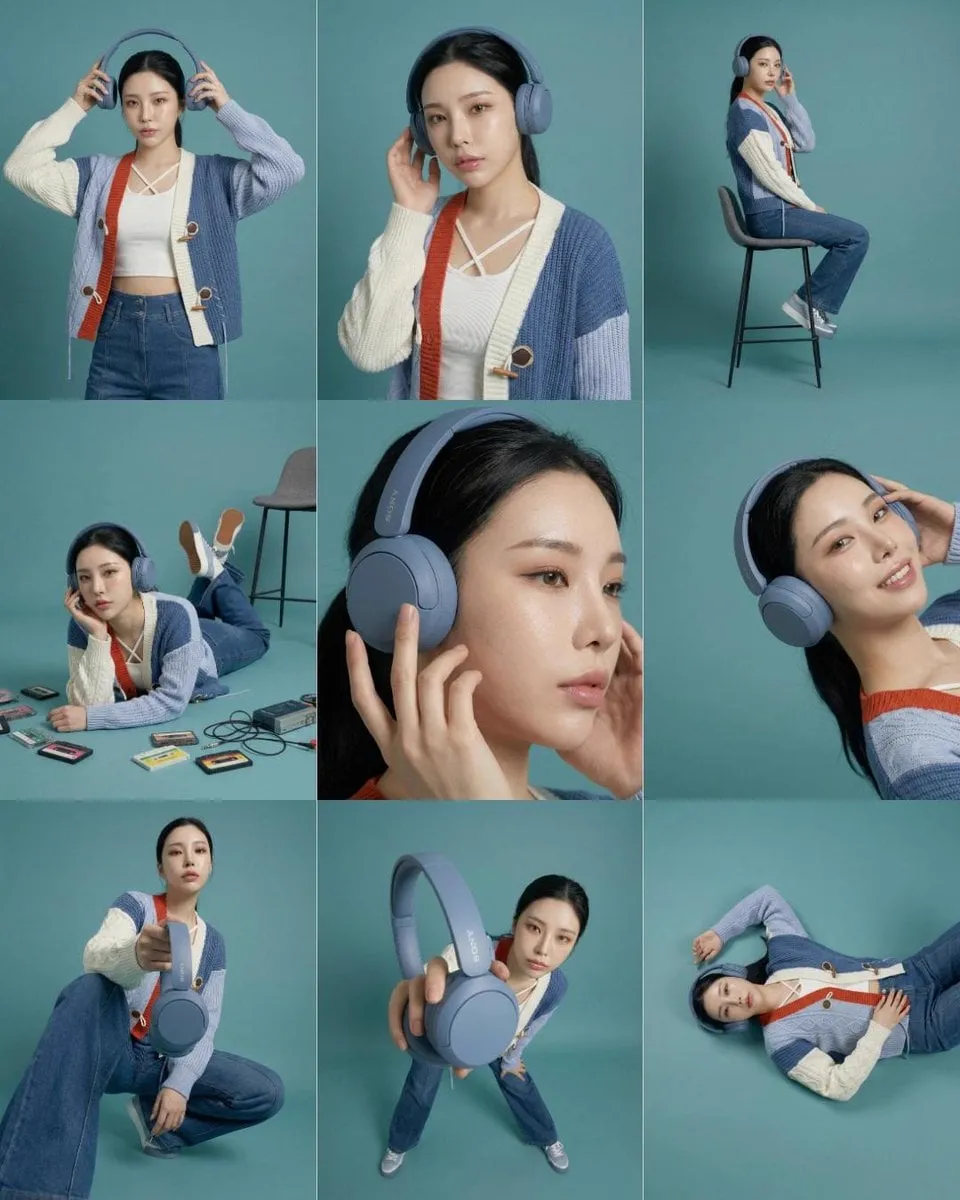
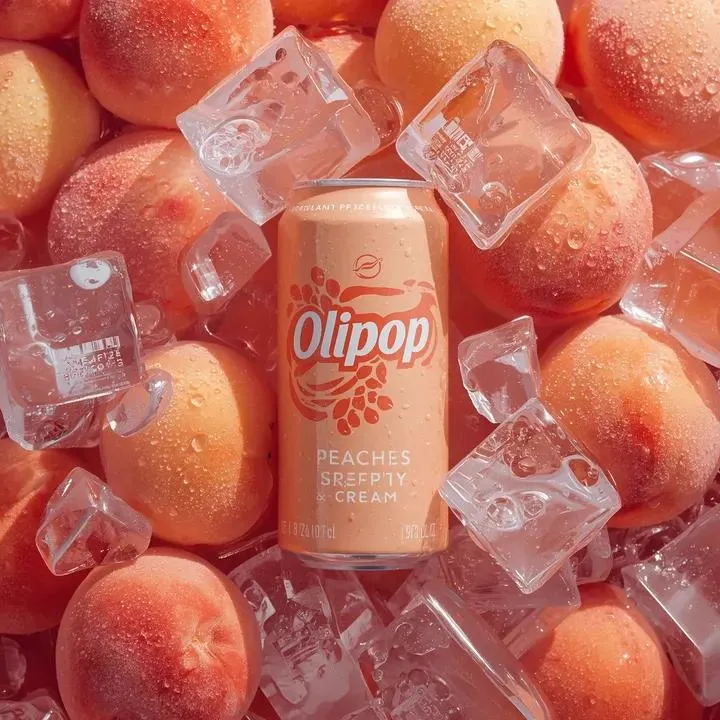
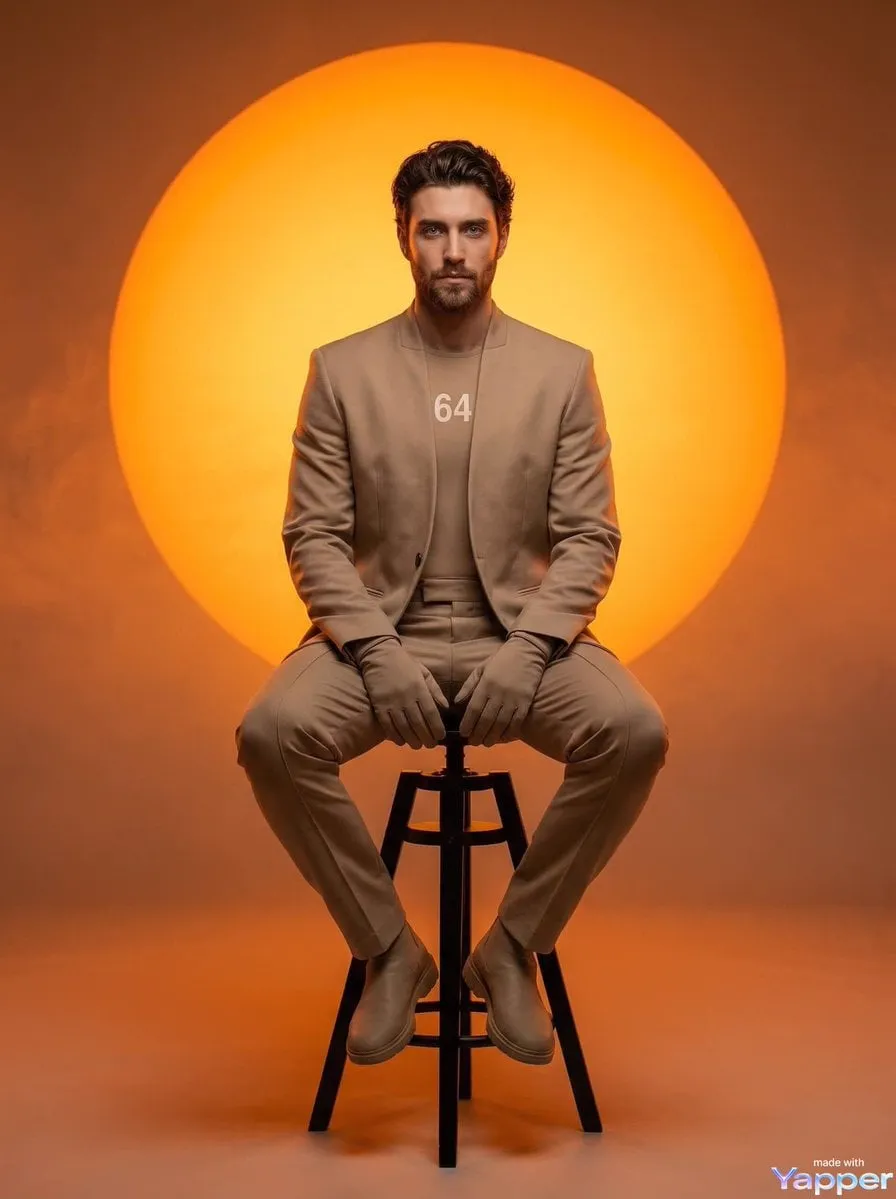
Every AI video creator has hit the same wall. You generate a character in the first scene and she looks perfect. You move to the second scene, change her outfit, and suddenly she has a different face, different hair, different bone structure. The character you spent an hour describing has drifted into someone else. This is the consistency problem, and it is the difference between AI video that looks like a demo and AI video that looks like a production.
Multi-image fusion is the technique that solves it. Instead of asking the model to remember a character from a text description, you give it several reference images of that character and let it fuse them into a single, stable visual identity. The model stops guessing what the character looks like and starts anchoring every frame to what you showed it. This guide walks through the fundamentals, the step-by-step workflow, and the advanced techniques that keep characters consistent across scenes, outfits, styles, and even multiple characters at once.
Why Characters Drift in AI Video
Character drift happens because of how generative models work. Every image or video frame is a fresh sampling from a probability distribution. The model knows how to draw a "woman with red hair in a jacket," but that description can be realized in an infinite number of ways, and each new frame is a new lottery ticket. Text prompts simply do not pin down the details hard enough: the exact nose shape, the exact hairline, the exact fabric color. Over a sequence of shots, these small variations compound into obvious inconsistency.
The problem is worse in video than in still images because viewers compare frames directly. A single image with a slightly different nose is barely noticeable. The same difference in consecutive shots of the same character is jarring. The industry has tried many fixes: longer, more detailed prompts, seed control, style locks, and character sheets. All of them help a little, but none of them give the model actual visual memory of a specific character. That is what reference images provide, and why fusion techniques have become the standard.
What Multi-Image Fusion Actually Does
Multi-image fusion is a process where multiple input images of the same subject are combined into a single conditioning signal for the model. The model does not choose one image to copy. It analyzes all of them, extracts the shared identity, and builds a composite understanding of the character: the face structure that appears in every angle, the hair color that holds across lighting conditions, the proportions that stay constant. Then it uses that composite to generate every new frame.
The key insight is that the model is not memorizing a single photo. It is learning an invariant, the parts of the character that do not change, so that when you change the things that should change, like the outfit or the expression, the identity stays locked. This is what makes fusion different from a simple image-to-image transfer, which would just copy the pose and composition of the reference. Fusion extracts identity, not appearance.
Preparing Your Reference Data
The quality of the fusion depends almost entirely on the quality of the reference set. Aim for a range of angles: front, side, three-quarter, and a few dynamic shots. Include different lighting conditions so the model can separate skin tone from lighting color. Include different expressions, because a character with a permanently frozen smile looks like a mannequin. If the character has distinct features such as a scar, a tattoo, or unusual hair, make sure those appear clearly in several images.
Keep the set clean. Remove images with watermarks, text overlays, other people in frame, and heavy filters that distort the face. A typical good set has somewhere between five and twenty images. More is not automatically better; fifteen images with clear faces beat fifty images of the character half-hidden in a crowd. Consistent resolution matters too, so crop and resize everything to the same rough proportions before you start.
Naming and organization matter more than people expect. Label every image with the character name, the angle, and the lighting condition. You will revisit this set constantly as you refine the model, and a well-organized folder turns a frustrating debugging session into a five-minute fix.
Choosing and Fine-Tuning a Model
Model Selection Criteria
Not every base model handles fusion equally well. Evaluate candidates on three things: how faithfully they reproduce reference identities, how well they preserve the reference under heavy motion, and how much creative variation they still allow. A model that copies the reference too literally will produce a character that cannot move naturally. A model that ignores the reference defeats the purpose entirely. Test with a small sample of your own references before committing to a workflow.
Fine-Tuning with Fused Data
For demanding projects, fusion alone may not be enough. Fine-tuning takes your reference set and bakes the character directly into the model weights using techniques such as LoRA, which trains a small adapter without retraining the whole network. The result is a custom model that knows your character natively, and fusion then becomes an additional control on top of that knowledge. This is the professional two-layer approach: fine-tune for identity, fuse for scene-specific variation.
Fine-tuning is a matter of iteration. Train a checkpoint, test it on fresh prompts, look at the failures, and adjust the dataset or the training duration. The failure modes are predictable: under-training gives you a stranger who vaguely resembles the character, and over-training gives you a photocopy who cannot change clothes. The sweet spot is a character who is unmistakably the same person in every possible situation.
Step-by-Step Fusion Workflow
Step 1: Collect References
Gather your best images of the character following the guidelines above. If you are starting from scratch, generate a character sheet first: a few dozen images of the same description with a consistent seed and style, then select the ones where the face looks most stable. That selection becomes your reference set.
Step 2: Upload and Fuse
Upload the references to your tool and run the fusion process. Most tools let you review the composite before generating anything: a short video or a set of test frames showing the character in a neutral pose. Check the composite carefully. This is the cheapest moment to catch problems. If the hair is wrong, add better hair references. If the skin tone flickers, fix the lighting variety. Do not proceed until the fused identity looks right.
Step 3: Set Fusion Parameters
Control how strongly the model leans on the fused identity. High fusion strength maximizes fidelity but limits how much you can change the character. Low fusion strength gives you creative freedom but risks drift. The right setting depends on the scene: high for close-ups and emotional scenes, moderate for action, lower for background appearances where the character is not the focus.
Step 4: Generate Scenes
Now generate your scenes one by one, keeping the fused identity attached to each generation. Change the things that should change: the outfit, the location, the time of day. Keep the things that should not change: the face, the proportions, the core style. Write prompts that describe the scene and the character's actions, and let the fusion handle who the character is.
Step 5: Verify Consistency Across Shots
When the scenes are done, review them as a sequence, not as individual clips. The character should look like the same person from the opening shot to the closing shot. If one scene drifts, regenerate that scene rather than trying to fix it in post-production. Consistency verification is the most important habit in this workflow, because it catches problems while they are still cheap to fix.
Advanced Techniques
Frame-to-Frame Tracking
For long sequences, track the character through the frames rather than generating each shot from scratch. Some pipelines can carry the character's identity from one shot to the next, so the second shot inherits the visual state of the first. This reduces drift dramatically for scenes that are supposed to be continuous, such as a character walking through a corridor or talking to the camera. Use it when temporal continuity matters, and use fresh fusion when you want a hard cut between different locations or times.
Style and Theme Adaptation
Once the identity is stable, push the style. The same fused character can appear in a realistic film, a painted fantasy, or an anime world, as long as the fusion signal and the style control are applied together. This is powerful for brand work, where one character must survive across campaigns with very different art directions. Test each style with the same reference set so the identity remains the constant and only the rendering changes.
Multi-Character Interaction
Scenes with two or more characters multiply the difficulty, because each character needs its own stable identity and the model must keep them distinct. Fuse each character separately, then generate scenes with both fused identities attached. The model will struggle at first, so expect more iterations. Keep the characters visually distinct in their reference sets, with different silhouettes, colors, and features, because the model separates them by what makes them different.
Tooling Notes
Fusion and character consistency are now supported across the major model families. Runway, Kling, Pika, and the Sora series all offer reference-based workflows to varying degrees, and Flux-based pipelines are popular for fine-tuned character models. Do not assume the workflow is identical everywhere. Each tool exposes different parameters for fusion strength, reference weighting, and seed control, so read the documentation and run your own test matrix. The technique is the same; the knobs are different.
Common Pitfalls
The most common failure is a weak reference set: too few images, too similar angles, or too much clutter. The second is skipping the composite review and discovering the identity is wrong only after generating an entire scene. The third is cranking fusion strength to maximum and wondering why the character cannot perform any action. The fourth is ignoring the sequence-level review and publishing a video where the character subtly changes identity halfway through. The fifth is expecting a single technique to fix everything; consistency is a pipeline of good references, good parameters, and honest review.
Frequently Asked Questions
How many reference images do I need?
Between five and twenty high-quality images, depending on the complexity of the character. Fewer images with clean, varied angles beat more images with duplicates and clutter.
Can I use multi-image fusion for real people?
Only with the person's permission and in accordance with platform and legal rules. Generating realistic people raises consent and likeness issues that no technical workaround solves.
Why does my character's outfit keep changing?
Outfit changes are usually a prompt problem, not a fusion problem. The fusion locks identity; the prompt controls clothing. If the outfit drifts, describe it explicitly and repeatedly in the prompt, or provide an outfit reference image.
Is fine-tuning necessary, or is fusion enough?
For short projects and simple characters, fusion alone is often enough. For long series, brand work, or characters that appear across many scenes, fine-tuning adds a stability layer that fusion alone cannot provide.
How do I fix a scene that already drifted?
Regenerate it. Do not try to repair a drifted face in an editor; the result will look worse than a fresh generation with the correct fused identity attached.
Conclusion
Multi-image fusion turns the consistency problem from an unsolvable annoyance into a manageable workflow. The core idea is simple: give the model visual memory of the character, and it will stop guessing. The discipline is in the details: curate a strong reference set, review the fused composite before you generate anything else, set the fusion strength for each scene, and verify consistency at the sequence level. Add fine-tuning for characters that must survive a long series, and use frame-to-frame tracking for continuous action. Master these habits and your characters will finally stay the same person from the first frame to the last.
