
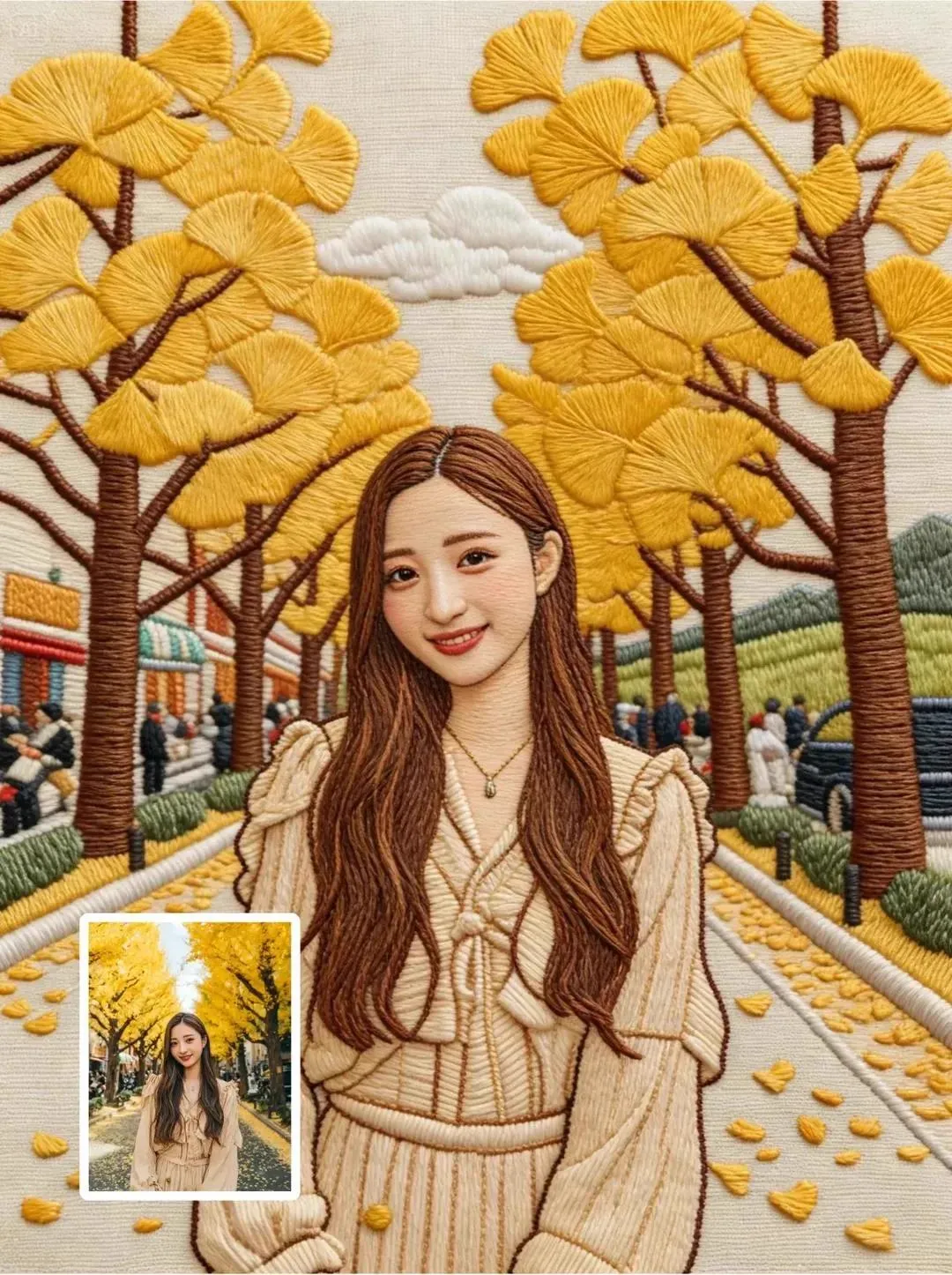
Ask anyone who has tried to make an AI film or series and they will mention the same frustration: the character changes. In one shot the hero has blue eyes, in the next brown. The jacket that was red in scene one is green in scene three. The face drifts just enough that the audience feels something is wrong without being able to say what. This problem has a name, character drift, and for a long time it was the wall that stopped AI video from becoming real storytelling.
This guide explains the practical solutions, centered on a family of techniques called multi-image fusion: using several reference images of a character to lock in identity across scenes, models, and projects. It covers the underlying idea, how to build a character sheet, step-by-step workflows, how to combine references with image-to-video generation, and how to troubleshoot when things go wrong. If you want characters that survive a scene change, this is the manual.
The character drift problem
Character drift happens because most generative models are stateless: every request starts from nothing, and the model invents details to fill the gaps in your description. When you write "a young woman in a red jacket", the model decides, essentially at random, what her face, hair, and jacket shade look like. Change the wording even slightly, and the next shot decides differently. The result is a character that changes like a shape-shifter between cuts.
Text alone cannot fully solve this. However detailed your description, words leave room for interpretation, and models interpret differently each time. The fix is to replace interpretation with reference: give the model actual pixels of the character and ask it to preserve them. This is where reference images enter, and where multi-image fusion becomes useful, because a single reference is rarely enough to capture a full identity.
The stakes are high. Consistency is what makes a series, a brand character, or a narrative project possible. Without it, every video is a one-off. With it, you can build an IP: the same character appearing in episode after episode, on different platforms, in different styles, and audiences will recognize them. That recognition is the foundation of everything from animated series to mascot-led marketing.
What multi-image fusion is and why it works
Multi-image fusion refers to techniques that combine information from several images into a single identity model. Instead of showing the generator one photo of a character, you show it several: a front view, a side view, a close-up of the face, a full-body shot. The model extracts the stable features, the ones that define identity, and uses them as a constraint when generating new scenes.
Why several images and not one? Because a single photo captures one angle, one expression, one lighting condition. The model cannot tell which features are essential and which are accidents of that particular shot. Multiple images let the fusion process separate identity from circumstance: the shape of the face and the color of the eyes persist across all references, while the angle and the lighting vary. Those persistent features become the anchor.
The same logic applies to environments and props. A room, a vehicle, or a product can have a reference set too: several angles that define what it must look like in every scene. The technique is general; characters are just the most visible application. In practice, the more distinctive the reference set, the easier the model's job: unusual features, clear colors, and consistent props all strengthen the anchor.
Building a character sheet
The character sheet is the practical tool for consistency. It has two parts: a written identity document and an image reference set. The written part is a fixed description you will reuse word-for-word in every prompt: name, age, body type, face, hair, eye color, skin tone, typical outfit, distinctive accessories, voice if relevant. Write it once, keep it in a document, and never improvise in the middle of a project.
The image part starts with three to five good reference images: a clear front portrait, a side profile, a full-body shot, and one action or expression shot. The images should be consistent with each other: same character, same outfit, similar lighting. If the references contradict each other, the fusion has nothing stable to anchor on. Generate or gather these deliberately; they are the raw material of every future scene.
Keep the character sheet in a folder with the project files, and treat it as versioned. If the character evolves, update the document and the references together, and note what changed. In longer projects, this discipline prevents silent drift: the character stays the character not because you remember, but because the system enforces it.
Step by step: generating a consistent character
The workflow has six steps. Step one, define the identity in writing: the fixed description from the character sheet. Step two, assemble the reference set and review it: do the images look like the same person? If not, fix the set before generating anything. Step three, write the scene prompt: the fixed identity text plus the specific scene (location, action, mood, camera).
Step four, attach the references to the generation: every tool differs, but the pattern is the same: provide the reference images and describe what to preserve. Step five, generate in a small batch and compare: do the outputs look like the reference character? Check face, outfit, and proportions, not just the overall vibe. Step six, select the best result and note what worked; if the results drift, tighten the prompt or adjust the references.
Repeat this loop for every scene. The discipline is boring, and that is the point: consistency is a process, not a talent. Each scene builds on the same anchor, so the set of shots accumulates into a recognizable character, the way episodes of a series accumulate into a world.
Using multiple references and weights
Many tools let you control how strongly each reference influences the result. This is where fusion gets powerful. You can give a face reference high weight, because the face is the core of identity, and give a pose reference low weight, because the pose belongs to the scene. Experiment with the balance: too much weight on one image and the character is locked in a single angle; too little and the identity fades.
When a tool does not expose weights directly, you control influence by how you describe the references and by prompt wording. Emphasize the identity features you care about and keep scene descriptions separate. You can also stack references in sequence: start from a face reference for close-ups, add a body reference for wide shots, and add an environment reference for establishing scenes. The reference set is a palette; you choose what to use per shot.
A practical tip: keep reference images clean and high quality. Cropped, blurry, or noisy references force the model to guess, and guesses produce drift. Take the time to prepare the set well, and the generation step becomes dramatically more reliable.
Another useful habit is versioning your reference set. When you generate an improved version of the character, replace the old reference images and update the written identity in the same pass. Keeping the written document and the images synchronized prevents the slow divergence that happens when one of them evolves without the other. If you work in a team, name the files clearly and store the current set in a known location, so everyone generates from the same anchor.
Combining with image-to-video
Multi-image fusion is often the bridge to animation. You build a consistent still image of the character with references, and then you animate that image with image-to-video tools: the character walks, speaks, turns toward the camera. The animation model receives your reference-based image and adds motion while preserving the identity that was already locked in.
The workflow is: generate or select a strong keyframe of the character using the fusion technique, then animate it with a motion prompt ("she turns her head and smiles, camera pushes in slowly"). Because the keyframe is already consistent, the video inherits that consistency. For dialogue, generate the character with a neutral face and add voice and lip sync in post-production.
This combination, reference-built keyframes plus image-to-video animation, is currently the most reliable path to consistent moving characters. It requires more steps than typing a single prompt, but the output is far more usable for narrative projects, and the extra steps become routine with practice.
Tools and models worth knowing
The landscape moves fast, but the pattern is stable. Most leading video platforms now support reference images: Runway, Pika, Kling, Luma, Vidu, and Hailuo all allow you to feed images that influence the result, and several support multiple references. The exact feature names change, so learn the concept: any tool that accepts reference images is a candidate for your workflow.
For still images, the major image models (Flux, Midjourney, and similar) are the usual starting points for building reference sets, because they give you control over the exact look before you animate. The trick is to generate a family of consistent stills first, then use them as the reference set for video tools. Some platforms now offer dedicated character consistency features that do part of this automatically; test them, but keep your own character sheet as the source of truth.
Do not buy every new tool. Pick one image tool and one video tool, learn them deeply, and build a workflow you can repeat. The technique of multi-image fusion transfers across tools; the specific buttons do not.
Troubleshooting when fusion fails
When the character still drifts, work through the causes in order. First, check the reference set: are the images consistent with each other and with the written identity? Fix contradictions first. Second, check the prompt: did you include the full identity text, or did you paraphrase? Paraphrasing invites drift. Third, check the weights or influence settings: maybe the scene description is overpowering the identity anchors.
Fourth, check the model: some models handle references much better than others, and some scene types (fast motion, crowds, dramatic angles) stress any model. If a particular scene keeps failing, simplify it: reduce motion, change the angle, or break it into two shots. Fifth, check the tool: reference handling differs, and a feature that works in one platform may be weaker in another. When nothing else works, regenerate from a strong keyframe instead of from text alone.
FAQ
How many reference images do I need? Three to five good ones are usually enough for a character: front, side, full body, plus an expression or action shot. Quality and consistency matter more than quantity.
Does this work for non-human characters? Yes. Robots, creatures, mascots, vehicles, and locations can all have reference sets. The same principles apply: stable features, consistent lighting, distinctive details.
Can I keep a character consistent across different models? With a strong reference set, yes. Generate keyframes with your image tool, then animate them with different video tools. The keyframe carries the identity across the tool boundary.
Is this possible with free tools? Partially. Free tiers often limit resolution or reference features. Start with what is available, learn the workflow, and upgrade when the project demands it.
How do I know the fusion worked before generating a whole scene? Generate one test frame and compare it against the reference images. If the identity holds in a single frame, animate it; if not, fix the set or the prompt before spending more on generation.
Does multi-image fusion work for full scenes or only characters? The same technique applies to locations, props, vehicles, and even lighting styles. Build a reference set for anything that must remain recognizable across shots, and the model will preserve it the same way.
What if my tool does not support multiple references? Use the strongest single reference you have, usually a front-facing, high-quality portrait, and make your written description carry the rest. You can also generate an intermediate image that combines the features you need, then use that as the single reference.
Character drift used to be the reason AI video could not tell stories. With multi-image fusion and a disciplined character sheet, it is now a solvable engineering problem, and the creative possibilities that open up, series, brands, worlds, are the reason the technique is worth mastering.
