

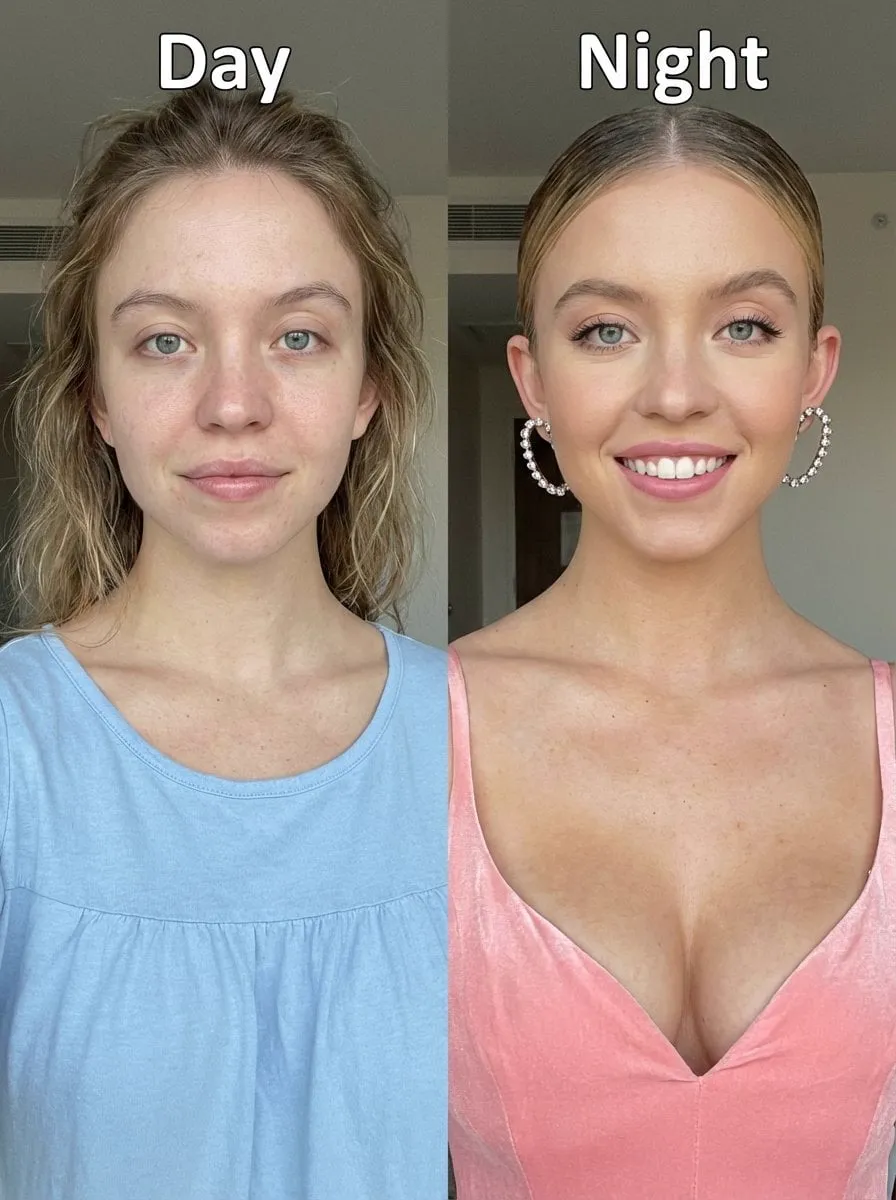
The Character Drift Problem
Ask any creator who works with AI video what their biggest frustration is, and you will hear one word: consistency. The model generates a stunning first clip of a character, and then the second clip gives that character a different nose, a different haircut, a different jacket. By the third clip, the character has become a stranger wearing the costume of the original. This is character drift, and it is the wall that stops AI video projects from becoming real productions.
Character drift happens because video models are trained to generate plausible images, not to remember identity. When you write a prompt, the model does not recall the character from your previous clip. It interprets your words fresh, and unless those words describe the identity completely and consistently, the model fills the gaps with whatever it happens to sample. Two prompts that differ by a single adjective can produce two entirely different people.
The good news is that the problem is solvable. The industry has converged on a set of techniques that keep characters stable across scenes: multi-image fusion, keyframe anchoring, canonical descriptions, and style transfer. This guide explains how each technique works and how to combine them into a workflow that produces a character the audience recognizes from the first frame to the last.
What Multi-Image Fusion Actually Does
The most common approach to character consistency is to give the model a single reference image and hope it holds onto the identity. Single-reference prompting has a hidden flaw: the model fixates on incidental details. It learns that the character has a specific shadow on the left cheek, a specific highlight on the hair, a specific background glow, and when the camera angle or lighting changes, the model tries to preserve those incidental details, and the character breaks.
Multi-image fusion solves this by feeding the model several images of the same character at once. The model is forced to find what is common across all the images: the face shape, the eye color, the hairstyle, the proportions. Those common features are the stable identity. The features that differ between images, like lighting and angle, are recognized as incidental, and the model stops treating them as identity traits.
The result is a character model that survives changes in lighting, camera angle, and environment. This is the difference between a character who only works in one exact setup and a character who can walk through a story.
Building a Character Reference Set
Multi-image fusion is only as good as the reference set you feed it. A random collection of screenshots will teach the model nothing useful. The reference set needs to be deliberate.
Start with a front-facing portrait: the face in full view, neutral lighting, sharp focus. This is the identity anchor. Then add a three-quarter view, which shows the face from an angle and teaches the model the structure of the features rather than their flat appearance. Then add a full-body shot, so the model learns the proportions, the outfit, and how the character stands.
Keep the outfit identical across all references. If the character wears a red jacket in the front portrait and a blue jacket in the full-body shot, the model will treat both as identity traits and will fight over them. One outfit, one hairstyle, one consistent look per reference set.
Lighting can vary slightly between references, because that variation is exactly what teaches the model to separate identity from lighting. But the core features, face, hair, body type, must be consistent. Review the set before generating: if you, as a human, would not recognize the person across all three images, the model will not either.
Keyframing: Control the Moments That Matter
Character consistency is not only about identity; it is about behavior over time. A character can have the right face and still melt into a puddle of warped geometry when the camera moves too fast. Keyframing is the technique that gives you control over the critical moments.
In its simplest form, keyframing means providing the first frame of the shot and letting the model generate the rest. The first frame is your character reference, so the shot starts with the correct identity and evolves from there. This is ideal for subtle motion: a slow push-in, a gentle head turn, hair moving in the wind.
In its stronger form, keyframing means providing both the first and last frames. The model knows exactly where the shot begins and where it ends, and it must construct a believable path between them. This is how you get a character who turns to face the camera, or a walk cycle that starts on one side of the frame and ends on the other, without the identity dissolving halfway through.
Design your keyframes with the same discipline as your reference set. The character in the start frame and the end frame must look like the same person, wearing the same clothes, in the same style. If the keyframes disagree, the model will compromise, and compromise is where drift begins.
Style Transfer: Keeping Look and Mood Stable
Identity is more than a face. A character carries a visual style: the color grade of their world, the texture of their clothing, the mood of their lighting. Two clips with the same character but different styles feel like different productions, and audiences notice even when they cannot name the reason.
Style transfer is the technique of carrying a consistent look across generations. In practice, it means defining a style block and reusing it in every prompt: the color palette, the lighting approach, the lens character, the grain level, the mood words. The style block is as important as the character description, because it tells the model which world this character lives in.
Use a reference image for style as well as for identity. A still from a film, a painting, or a color-graded photograph can teach the model the exact look you want. Combine it with the character references and the style block, and the model has everything it needs to place the character in a consistent visual universe.
Working Around Motion and Lighting Changes
Characters do not stand still in stories. They move, the camera moves, the light changes. These are exactly the conditions where consistency fails, so you need specific tactics.
For motion, keep the movement scope small relative to the shot. A character walking across the frame is harder for the model than a character turning their head. Plan your action sequences as multiple shots: a wide establishing shot with the walk, a medium shot of the upper body, a close-up of the face. Each shot demands less motion from the model, and less motion means more stability.
For lighting changes, use the reference set to your advantage. If the story moves from daylight to dusk, generate the dusk version of the character as a new reference, or use multi-image fusion with both lighting states so the model learns the identity survives the change. Never rely on a single daylight reference to produce a night scene; the model will drag the daylight look into the night and produce something neither day nor night.
If a shot still fails, split it. Generate the character separately from the environment and composite, or generate the shot in segments with overlapping keyframes. Segmenting is slower but far more reliable than asking the model to hold everything together in one pass.
A Practical Character Consistency Workflow
Theory is useful; process is what ships. Here is a workflow that keeps characters consistent across a project, refined from real production use.
Step one, define the character. Write the canonical description: name, age, hair, eyes, body type, outfit, distinguishing features. This text block is reused verbatim in every prompt, forever.
Step two, build the reference set. Create the front portrait, the three-quarter view, and the full-body shot with the same outfit. Generate them with the same style block so they share a visual universe.
Step three, lock the style. Write the style block: palette, lighting, lens, grain, mood. Attach it to every prompt and every reference.
Step four, draft on fast models. Generate short test clips to validate the identity holds. If the character drifts in the draft, fix the references before touching the final generation. Drafting is the cheap place to catch expensive problems.
Step five, finalize with anchors. For the shots that matter, provide first and last keyframes, use the reference set, apply the canonical description and style block, and generate on the best model available.
Step six, log what worked. Keep a record of the reference set, the canonical text, the style block, and the settings that produced stable shots. The next project starts from this log instead of from zero.
The Character Reference Sheet Checklist
A reference sheet is the asset that makes everything else work, so it deserves its own checklist. Before you generate a single frame, confirm that the sheet is complete.
Identity images: at least a front portrait, a three-quarter view, and a full-body shot, all with the same outfit and hairstyle. Add a profile view if the character has any profile-specific features, like a distinctive nose or ear shape. Add an action shot if the character will move a lot, so the model learns how the body behaves.
Style references: one image that defines the world's color grade, one that defines the lighting, and one that defines the texture or material feel. These are often frames from films or paintings rather than photos of the character.
Canonical text: a written block that describes the character completely, plus a style block that describes the visual world. Both are reused verbatim in every prompt. Write them once, lock them, and never paraphrase.
Negative notes: a short list of the failure modes you have seen with this character, like warping under fast motion or eye drift in close-ups. Add these to the negative prompt block so you do not rediscover the same failures in every project.
Variants: for each intentional change, like a different outfit or a different time of day, generate a dedicated variant of the reference sheet rather than asking the model to improvise the change at generation time. The variants live next to the main sheet and are loaded whenever the scene calls for them.
When a shot fails, audit the sheet before touching the prompt. Nine times out of ten, the failure traces back to a reference that was missing, inconsistent, or described differently in the prompt. Fix the sheet, and the shot fixes itself.
Troubleshooting Common Consistency Failures
The character's face changes between shots. This is usually a reference problem. Either the references are inconsistent with each other, or the canonical description is being paraphrased in some prompts. Standardize the references and reuse the description verbatim.
The character is stable but the clothing changes. Add a clothing clause to the canonical description and repeat it in every prompt. If you use full-body references, make sure the outfit matches the description exactly.
The face warps during motion. Reduce the motion scope, use keyframe anchors, or split the shot into segments. Warping during motion is a stability problem, not an identity problem, and it needs a motion fix, not a new reference.
The style changes between scenes. The style block is missing from some prompts. Attach it everywhere, and check that your references for different scenes share the same color grade.
The character looks right in the still but wrong in the video. This often means the model is preserving identity in the first frame and losing it during interpolation. Use a stronger keyframe anchor, or generate the video with a model known for better temporal stability.
Frequently Asked Questions
How many reference images do I need? Three is the practical minimum: front, three-quarter, full body. More angles help if the character appears in varied scenes.
Can I use multi-image fusion with any video model? Support varies. Some platforms expose it directly, others require you to composite references manually. Check your tool's documentation before planning the workflow.
Does multi-image fusion slow down generation? It adds preprocessing time and sometimes cost, but it dramatically reduces the number of failed generations, so the total time to a usable shot usually drops.
What if I need a character who changes outfits across the story? Create a separate reference set for each outfit, and update the canonical description's clothing clause for the scenes where the outfit changes. The identity features stay the same across sets.
Is character consistency possible in long-form video? Yes, with discipline. Short clips generated with consistent references and edited together can hold identity across many minutes, which is how AI-assisted series are produced today.
