
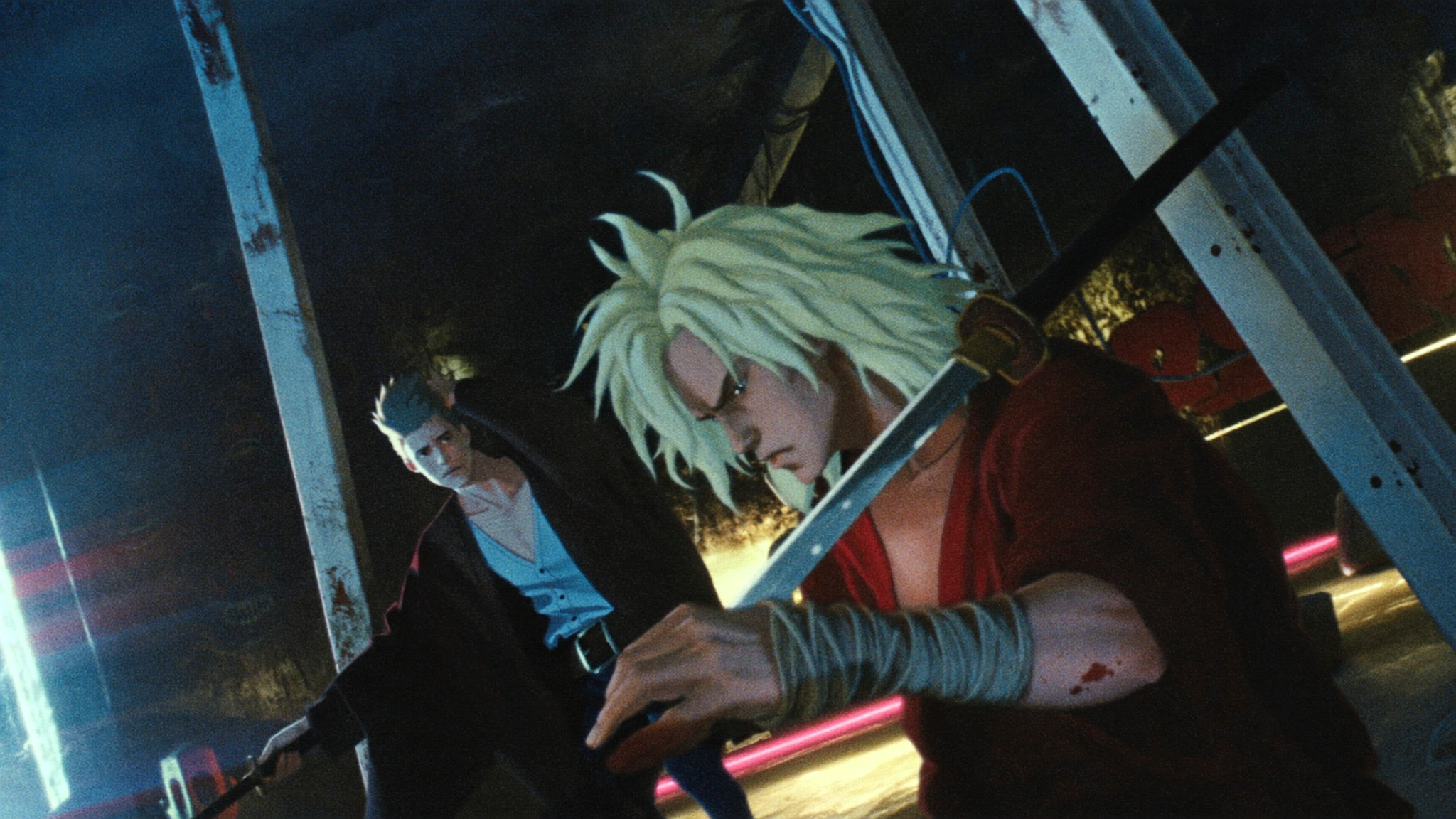
Every AI video creator has felt the same frustration. You generate a beautiful clip of a character, then generate a second clip of the same character, and the face is different. The hair changed color, the jacket changed style, and the person you carefully designed in your head now looks like a distant cousin. Character consistency is the problem that separates AI video as a novelty from AI video as a production tool.
The traditional answer was text prompts: describe the character in detail, repeat the description, hope the model cooperates. It works poorly, because language is lossy – ten words describing a face still leave millions of visual decisions to chance. The better answer is multi-image fusion: anchoring generation to actual reference images, and letting the model derive the character's identity from pixels instead of words. This guide explains how the technique works, how to use it in a real workflow, and how to fix the consistency problems that still appear.
Why characters drift in AI video
Before solving the problem, it helps to understand its cause. A video generation model builds each frame from noise, guided by your prompt and its training. Nothing in that process guarantees that a character described in sentence one is the same character in frame one hundred. The model is not remembering "your character"; it is reconstructing an approximation of your description every single time.
Prompt drift makes this worse. Even small wording changes between clips – "a young woman" here, "a woman in her twenties" there – push the model toward different approximations. And when a character must survive multiple scenes, multiple lighting conditions, and multiple camera angles, the probability of visual drift compounds with every new clip.
This is why multi-image fusion exists. Instead of relying on description, you give the model the actual identity: several images of the character from different angles, which the model analyzes to build a stable internal representation. The character stops being a guess and becomes a reference.
How multi-image fusion works
The core idea is reference anchoring. The model examines your input images and extracts the essential features of the character – face shape, skin tone, hair, clothing, proportions – into a representation it can reuse. When you then prompt a new scene, the model generates the character by combining the anchored identity with the new scene description, instead of re-imagining the character from scratch.
What makes the technique "multi-image" is the use of several references rather than one. A single photo captures one angle, one expression, one lighting condition. Three or four images capture the character across poses and moods, giving the model a much richer understanding of what must stay stable. The difference is visible: single-image references tend to overfit to the exact photo, while multi-image references generalize to "this person in any situation."
The derived keyframe approach
A practical variant of the technique works at the shot level. Instead of generating a whole video in one pass, you generate keyframes first – the important moments of the scene – using the reference images as anchors. Then the model fills the motion between keyframes, preserving the character's identity because both ends of the motion are anchored to the same visual identity.
This approach is more work than a single prompt, but it is dramatically more reliable. It is the same logic filmmakers use with storyboards: plan the important frames, then shoot to match. For character consistency, the keyframe discipline pays for itself on the very first series you produce.
Step-by-step: building a consistent character workflow
The following workflow has produced reliable results across tools and can be adapted to whichever platform you use.
Step 1: Design the character in stills first
Do not start with video. Generate or create a set of character stills: a front view, a side view, a full-body shot, and an action shot. These stills are your source of truth. Take the time to make them consistent with each other before moving on – if the stills disagree, the video will inherit the disagreement.
Step 2: Prepare clean reference sets
From your stills, assemble the reference set you will actually feed to the video model. Good references are well-lit, uncluttered, and show the character from distinct angles. Keep the clothing and styling consistent across the set; a reference set where the character wears three different outfits teaches the model that the outfit can change, which is usually not what you want.
Step 3: Write scene prompts around the reference
For each scene, write a prompt that describes the action, environment, lighting, and camera – but not the character's appearance. The character description comes from the reference images. This division of labor is the heart of the technique: the images own the identity, the prompt owns the scene.
Step 4: Generate and check keyframes
Before generating full clips, generate a single keyframe or short test for each scene. Check the character's face, outfit, and proportions against the reference. Fix problems at this stage; redoing a keyframe costs seconds, while redoing a full video costs minutes and compute.
Step 5: Generate the full clips and review as a series
Once the keyframes pass, generate the full clips. Then review them as a series, not clip by clip. Lay the outputs side by side and check whether the character reads as the same person across the whole project. If one clip drifts, regenerate it with the same reference set and a tightened prompt.
Tools that support the technique
Multi-image fusion and character consistency are now standard features in serious AI video platforms, though the terminology varies. Look for any of the following capabilities: character references, multi-reference generation, image-to-video with identity anchors, or character consistency modes.
Kling supports multi-image character reference and is a strong choice for stylized and cinematic work. Runway offers reference-driven workflows through its production tools. Sora-class models are improving identity handling, but the control is still coarser than dedicated reference tools. For series production, prioritize platforms where you can feed multiple images and lock a character across sessions.
What to check before committing to a platform
Three capabilities matter most. First, multi-image input: can you provide several references at once, or only one? Second, persistence: does the platform remember the character between sessions, or do you re-upload references every time? Third, keyframe control: can you lock important frames, or does the model decide everything? Test these with a small series before scaling up.
Multi-image fusion versus custom training
If you need extreme consistency, the comparison that matters is multi-image fusion versus fine-tuning a custom model on your character. Both approaches solve the same problem, but with different trade-offs.
Multi-image fusion is fast and cheap. You upload references, and the model adapts on the fly. It is ideal for prototyping, short series, and projects where the character appears in a limited number of scenes. The downside is that the anchoring is approximate: under difficult lighting or extreme angles, drift can still creep in.
Custom model training – for example with LoRA-style fine-tuning – produces much tighter identity lock-in, because the model literally learns your character's features. It is the right choice for long series, characters with detailed costumes or face paint, and commercial projects where the audience will scrutinize every frame. The costs are setup time, training runs, and maintaining the trained model.
A pragmatic strategy: prototype with multi-image fusion, and invest in custom training only once a character proves itself worth a long series. This avoids spending training effort on characters that never make it past the first episodes.
Handling difficult consistency cases
Some projects push the technique to its limits. Here is how to handle the common stress tests.
Changing outfits: if the character must change clothes between scenes, include a reference showing the new outfit, or generate a new keyframe with the outfit change before producing the scene. Anchoring to the old outfit will otherwise bleed into the new scene.
Different lighting: extreme lighting changes – a night scene after a sunny scene – can distort the character's face. Add a reference or keyframe under the new lighting, and describe the lighting explicitly in the prompt.
Different ages or states: if the character is injured, older, or transformed, treat each state as a new reference set. The model cannot infer the same person across a dramatic state change from a single anchor; give it explicit visual input for each state.
Group scenes: when several consistent characters share a frame, generate a keyframe with the whole group before animating. A keyframe locks everyone's identity at once and prevents the model from blending or swapping the characters mid-scene.
Building a character bible
The professional version of the consistency workflow is a character bible: a single document that defines everything about a character that must not change. For series production, this document is the difference between a coherent show and a collection of vaguely similar clips.
Start with the canonical reference images – front, side, full body, action – and add a written description that covers what the images cannot: voice notes, personality, typical poses, clothing rules, and any details that change between episodes. Then record the exact prompts and settings that produced the best results, including the model, seed where available, and any style modifiers. Finally, note the known failure modes: lighting conditions that distort the face, angles that break the identity, and the fixes that worked.
Every time you produce a new scene, open the bible, pull the references and prompts, and generate against them. When something new works – a new angle, a better expression – add it to the bible. The document becomes more valuable with every episode, because it accumulates the solutions to the exact problems your character generates.
A character bible also makes collaboration possible. A second person can take over production without restarting the visual discovery process, because the identity is documented rather than locked inside one creator's memory. For teams, agencies, and client work, this is often the feature that makes character consistency a reliable service instead of a personal trick.
Troubleshooting: when the character still drifts
If drift persists, work through this checklist in order. First, improve the reference set: more images, cleaner backgrounds, better lighting, more angle variety. Second, tighten the prompts: remove appearance words that conflict with the references, and describe only scene elements. Third, check for conflicting references: an accidental image of a different person in the set is a common silent cause of drift. Fourth, use keyframes for the start and end of every clip. Fifth, and only if the first four fail, consider custom training.
Frequently asked questions
How many reference images do I need?
Three to five is the practical sweet spot for most projects. More images help only if they are consistent; a larger but messier set is worse than a smaller clean one. Prioritize variety of angle over raw quantity.
Does multi-image fusion work for any character style?
Yes, but the quality depends on the reference images. Photorealistic characters need clean photos or high-quality renders; illustrated characters need consistent art of the character. Whatever the style, the references must agree with each other.
Can I keep a character consistent across different video platforms?
Not directly, because references and controls are platform-specific. You can maintain a canonical set of character stills and re-upload them wherever you work; the stills are the portable asset, not the platform's internal state.
How much extra time does this workflow cost?
The main cost is upfront: building the character stills and reference set. Once the set exists, scene production is barely slower than normal prompting, because you stop fighting drift. Most creators report net time savings after the first series.
Is character consistency worth it for short one-off clips?
No. For a single standalone clip, prompt-based generation is fine. Multi-image fusion pays off when the same character appears across multiple clips, scenes, or episodes – which is exactly when drift becomes visible and expensive.
Conclusion
Multi-image fusion turns character consistency from a gamble into a workflow. By anchoring generation to reference images, planning keyframes, and reviewing outputs as a series, you can produce characters that survive multiple scenes, lighting changes, and sessions. The technique is fast enough for prototyping and, when combined with custom training for long series, reliable enough for commercial production.
The tools will keep improving, but the principle will not change: consistency comes from giving the model a stable definition of identity, not from hoping a text description holds together. Build your reference sets, lock your characters in stills, and let the pixels do the remembering. That is the difference between characters that feel like accidents and characters that feel like people.
