
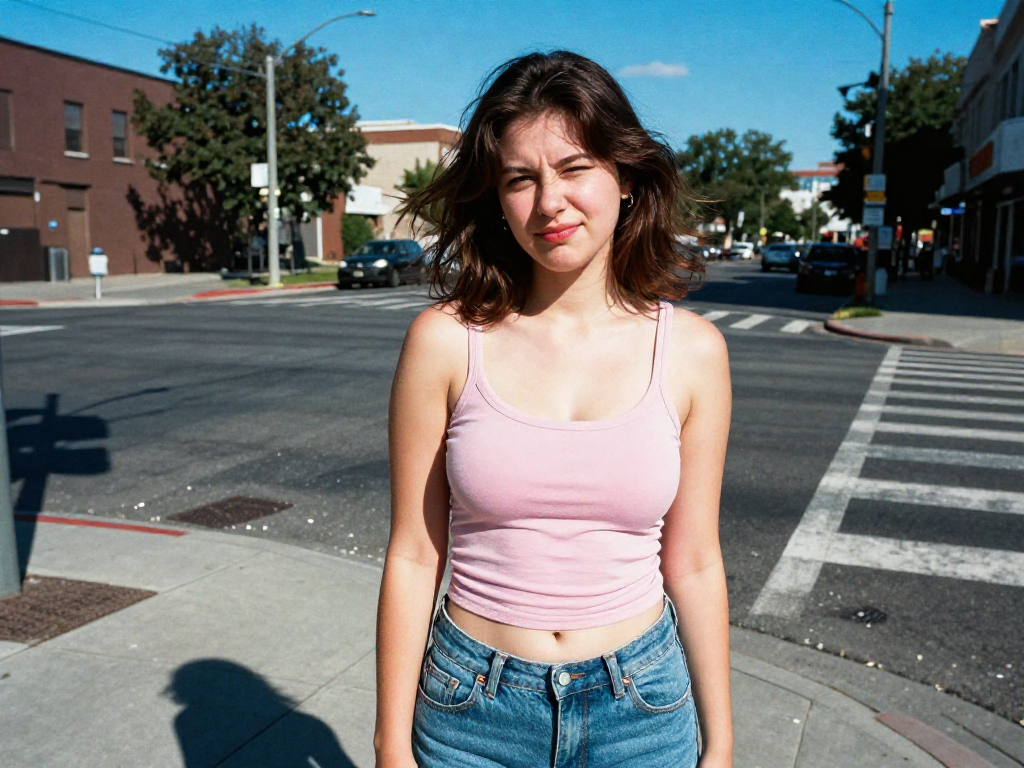
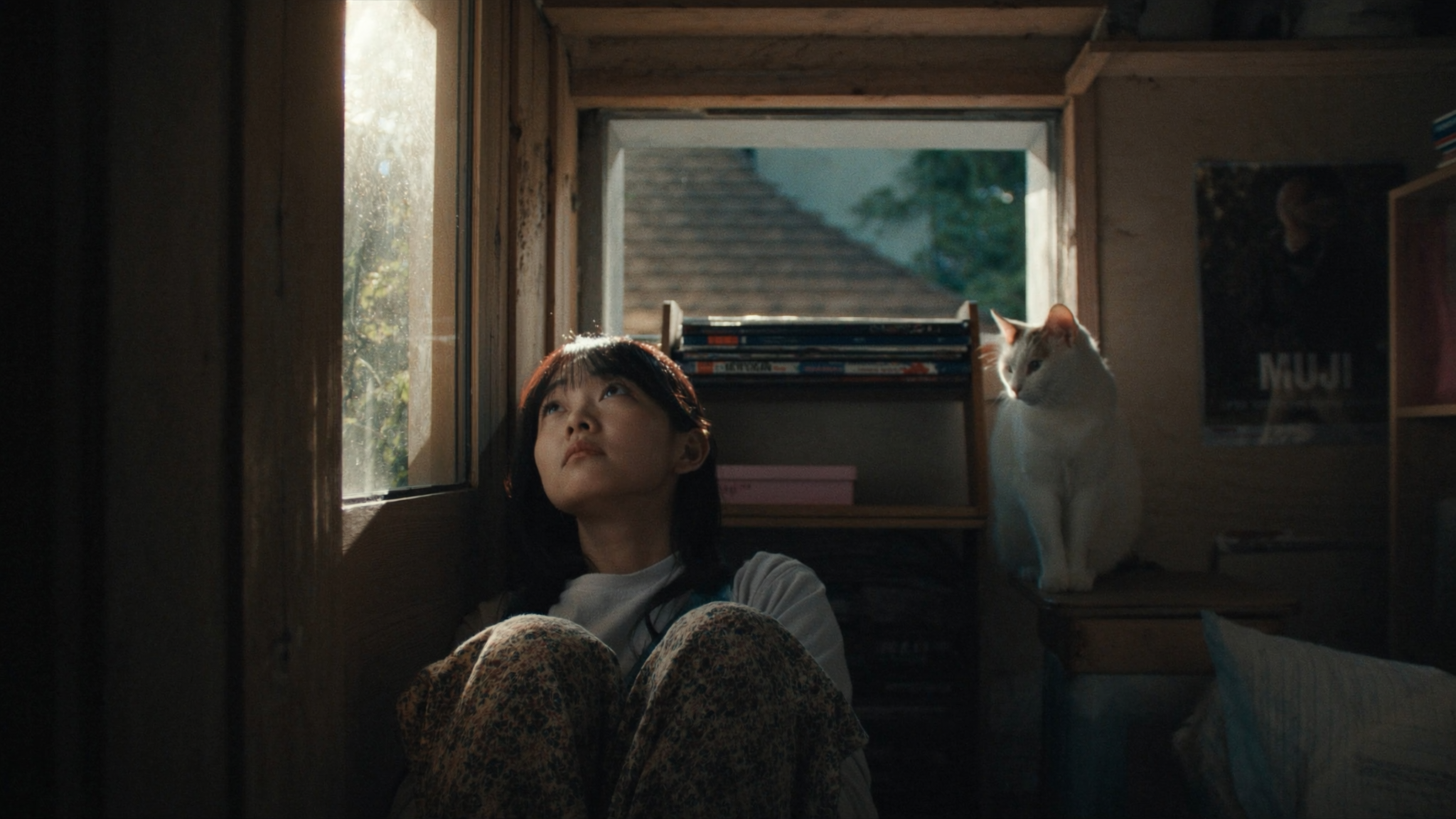
There is a moment every AI filmmaker knows. You generate a character, fall in love with the design, and start building your story around them. Ten scenes later, something is wrong. The face is subtly different. The jacket changed color. The eyes have shifted. Your protagonist looks like a different person in every other shot, and the audience can feel it, even if they cannot say why.
This is identity drift, and it is the single biggest obstacle between AI video and real storytelling. A short clip can be beautiful; a coherent story requires the same character, scene after scene. The solution that has emerged is multi-image fusion: feeding a generation system multiple reference images so it locks onto a character's defining features and carries them through every frame.
This guide explains how multi-image fusion works, why it matters for narrative work, and how to build a practical workflow that keeps your characters consistent from first sketch to final cut.
The Identity Drift Problem
Text-to-video models are extraordinary at generating plausible motion from a prompt, but a prompt is not a person. Describe a character in words, and the model invents a version of them, then invents a slightly different version on the next run. Hairline, skin tone, clothing details, and proportions all drift, because nothing in the generation process anchors them.
Drift gets worse with time and complexity. The longer the story, the more scenes the character appears in, the more chances for variation. By the end of a ten-scene short, the accumulated inconsistency destroys immersion. Viewers stop following the story and start noticing the seams.
Identity drift is not a cosmetic issue. It is a trust issue. Stories work because audiences believe in characters, and characters only exist when they are recognizable. Consistency is not a technical detail; it is the foundation of narrative.
How Multi-Image Fusion Works
Multi-image fusion solves drift by changing what the generation system knows about a character. Instead of relying on a text description, the system extracts visual features from one or more reference images and uses them as constraints throughout generation.
From Description to Feature Set
When you provide a reference image, the model analyzes it and derives a feature set: the shape of the face, the color and style of the hair, the palette of the outfit, the proportions of the body. These features are encoded into the model's latent space, the internal representation it uses to build new images and frames.
The key difference from a simple text prompt: the features come from an actual image, so they are concrete. The model is not guessing what your character looks like; it is reconstructing from evidence.
Multiple Images, Stronger Anchor
A single reference image helps, but it can also introduce bias. One photo captures one angle, one expression, one lighting condition. If that is all the model sees, it may copy the pose or the lighting along with the identity, and the character will look stiff or repetitive.
Multiple images solve this. Two or three references from different angles, with different expressions and different outfits, let the model separate identity from circumstance. It learns which features define the person and which are situational. The result is a much more robust anchor.
Weighting Across the Generation
During generation, the extracted features are applied with controlled weight across all frames. The system maintains the visual baseline while still allowing the action, camera, and environment to change. This is what lets a character run, fight, smile, or cry without turning into a different person.
Think of it as a character model sheet that the AI reads before every shot: front view, side view, costume detail, expression range. Fusion makes the model sheet dynamic, embedded directly into the generation process.
Building a Character Bible
Before you generate anything, build the reference set. This is the single most important habit in consistent character creation.
Start with a Clear Design
Decide who the character is before you draw or generate them. Age, build, signature clothing, distinguishing marks, and color palette. The more specific the design, the easier it is to keep consistent, because there are fewer ambiguities for the model to resolve on its own.
Capture Multiple Angles
Aim for at least three reference images: front, three-quarter, and side. Add a full-body shot and a close-up of the face. If the character has a distinctive accessory, like a scar, a tattoo, or a specific hat, include a dedicated reference for it.
Document the Outfit
Costume changes are a common source of drift. If the character wears a uniform in the story, create references for the uniform specifically. For scenes where they change clothes, create an outfit sheet so the model knows what they are wearing in which scene.
Keep References Clean
Use images that are well lit and uncluttered. The model extracts whatever it sees, so background noise and odd props will leak into the character. A clean studio-style shot gives the cleanest feature extraction.
A Workflow for Consistent Storytelling
Once the references exist, the production workflow becomes a repeatable process.
Step 1: Lock the Character Sheet
For every scene involving the character, feed the same reference set to the generation system. Do not improvise with different images per scene. Consistency of input is the foundation of consistency of output.
Step 2: Standardize the Description
Write a character description that matches the references and use it verbatim in every prompt. Small wording changes cause large visual changes, so resist the urge to rewrite the description each time. Copy-paste the identity block, and vary only the action, environment, and camera.
Step 3: Generate Short, Then Assemble
Keep each generation short, a few seconds at most. Short segments are more controllable, and they edit together into longer sequences. This also gives you clean units to regenerate when one shot drifts.
Step 4: Review Every Frame
Check each generated clip for drift before moving on: facial features, clothing details, proportions. The earlier you catch a problem, the cheaper it is to fix. Build a simple review checklist: face, outfit, colors, accessories.
Step 5: Keep a Style Archive
Save the reference sets, the character descriptions, and the prompt templates for every character. When you return to a project after a break, or when a collaborator joins, the archive lets you reproduce the character exactly. This is how consistency survives team changes and long timelines.
Balancing Consistency and Variation
There is a tension at the heart of this technique. Too much consistency and the character feels frozen, the same pose and expression in every scene. Too much variation and you are back to drift. The art is finding the balance.
Identity Features vs. Scene Features
Separate what must stay constant from what should change. Face, build, and core outfit are identity features; they stay locked. Expression, pose, lighting, and environment are scene features; they should vary freely. When you write prompts, explicitly describe the scene features so the model does not default to copying them from the reference.
Expression Range
A character that only ever wears one expression is boring. Generate reference images showing the emotional range: neutral, happy, angry, sad, surprised. Feeding these to the system expands what it considers part of the identity, so it can animate expressions without breaking the face.
Wardrobe Flexibility
Stories need costume changes. Handle them deliberately: create a separate reference for each outfit, and tell the model which outfit belongs to which scene. The identity stays constant while the wardrobe evolves.
Tools and Models Worth Knowing
The multi-image fusion capability is spreading across the major generation tools, and the landscape changes quickly. As of the current generation of tools, the practical options include the following.
Image-First Generators
Tools like Flux and its family focus on high-quality image generation with strong prompt adherence, making them excellent for building the reference sets themselves. If you need a specific character design, these are often the best place to start.
Video Generators with Reference Support
Pika and similar video tools have added image-integration features that accept reference images and maintain them across generated motion. Runway's generation pipeline also supports reference-driven workflows, especially when combined with frame-by-frame editing. The exact features and limits change frequently, so test the current versions before committing to a pipeline.
The Practical Principle
Whatever the tool, the principle is the same: reference images in, identity locked, then animate within the anchor. Choose tools that support multiple reference inputs, because that is what separates a character model sheet from a single-photo guess.
Going Further: VFX and Series Production
Consistency techniques scale beyond single scenes. Once you have a locked character, you can place them in complex environments, composite them into live-action footage, or run them through an entire series.
Consistent Integration
For visual effects work, use the same reference set when generating elements that will be composited together: the character, their shadows, their reflections. Matching the anchor across all elements makes the composite believable.
Episode-to-Episode Continuity
Series production is where the character bible pays off most. Across episodes, the references and description archive keep the character identical even when months pass between shoots. Audiences forgive a lot, but not a protagonist who changes face between episodes.
Community Training
Some platforms let creators train dedicated models on their character collections. This extends the consistency even further: instead of anchoring generation per prompt, the trained model already knows the character. If you produce a character across many projects, this is the most durable solution, though it requires more setup and care around rights and licensing.
Common Pitfalls and Fixes
One Reference, Many Problems
A single reference image is the most common cause of inconsistent output. It anchors pose and lighting as much as identity. Fix: always provide multiple angles and expressions.
Rewriting the Description
Every rewrite of the character description introduces drift. Fix: keep the identity block in a document, copy it verbatim, and change only scene-specific text.
Ignoring Accessories
Distinctive details drift fastest. If the character wears glasses, a ring, or a specific badge, it will change unless you reference it explicitly. Fix: include accessory close-ups in the reference set.
Skipping the Review
Drift accumulates silently. Fix: review every generated clip against the reference before it enters the timeline, and regenerate anything that fails.
Working Without a Style Archive
The fastest way to lose a character is to lose the setup. If the reference set and prompt templates live only in your head, any interruption, a break, a new collaborator, a tool update, forces you to rebuild from scratch. Keep the archive in a shared file from day one. It takes minutes to maintain and saves hours every time you return to a project.
Frequently Asked Questions
How many reference images do I need?
Three is the practical minimum: front, three-quarter, and side. Add full-body, expression, and accessory shots as the character requires. More clean references almost always improve consistency.
Can I use this for characters based on real people?
Only with permission and clear rights. Generating a real person's likeness has legal and ethical implications that vary by jurisdiction. For fictional characters, you are in much safer territory.
Why does my character still change sometimes?
Drift usually comes from input variation: different references, rewritten descriptions, or a scene where the model had too little guidance. Audit your inputs first. If the inputs are stable and drift persists, the tool or model may be the limiting factor.
Does multi-image fusion slow down production?
It adds a setup phase, but it saves far more time in regeneration. Consistent characters need fewer retakes, and the archive makes future projects faster. The investment is repaid on the first multi-scene project.
The Bottom Line
Multi-image fusion turns AI video from a toy for single clips into a tool for real storytelling. By anchoring characters in concrete visual references, you eliminate the drift that breaks immersion and build the consistency that makes audiences care. Build a solid character bible, standardize your prompts, review every frame, and keep an archive. Do that, and your characters will survive contact with the story.
The technology will keep improving, but the discipline will not change: consistent input, consistent process, consistent characters. That is the secret, and it is available to any creator willing to build the system.
