

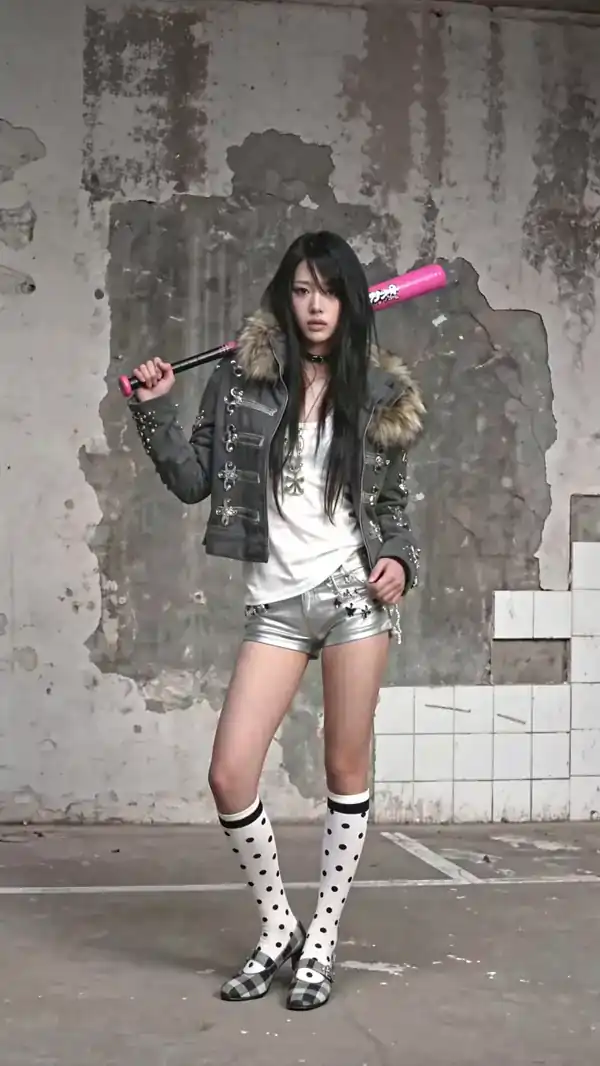
Every filmmaker knows the feeling: you nail the perfect close-up in one scene, then the very same character walks into the next shot with a different face. It is the classic identity drift problem, and it has haunted AI video generation since the beginning. Characters morph, costumes change color, scars vanish between cuts. Viewers may not name the problem, but they feel it immediately, and the illusion of a real story collapses.
The good news is that a reliable fix now exists: multi-image fusion. Instead of describing a character with words and hoping for the best, you feed several reference images into the generation pipeline. The model builds a stable identity anchor from those images, then carries that anchor through every scene you generate. Here is how it works, why it matters for your next project, and how to use it without fighting your tools.
Why Characters Drift in the First Place
Text-to-video models are trained to interpret language, not to remember people. When you type "a woman in a red jacket walks into a café," the model invents a plausible woman. The next prompt, "she sits by the window," invents another plausible woman who happens to look different. Nothing in the text ties the two frames together, because text cannot fully describe a face, a silhouette, or the way someone holds their shoulders.
This is not a small annoyance. In serialized content, marketing campaigns, and any project where the same person appears repeatedly, inconsistency breaks the narrative. It also forces creators back into manual rotoscoping and frame-by-frame fixes, which defeats the entire point of using AI in the first place.
How Multi-Image Fusion Anchors Identity
Multi-image fusion solves the problem by changing the input. Instead of relying on a prompt alone, you supply several reference images of your character: a front-facing portrait, a profile shot, a full-body photo, and maybe a close-up of a distinctive detail like jewelry or a tattoo. Most modern AI image generators let you prepare and refine these references before you ever touch video generation.
The system extracts the features that define the person, separating identity from lighting, background, and temporary elements. Those features are compressed into an identity blueprint that behaves like a persistent seed. Every subsequent generation reads that seed, so even when the scene changes completely, the character keeps the same face, proportions, and signature details.
This approach is far more robust than single-image prompting. One reference image can be dominated by a pose, an expression, or a busy background. A small set of images lets the model isolate what is stable about the person, and that stability is exactly what long-form AI storytelling demands.
Using Fusion with Different Style Goals
The real test of consistency is not staying in one style, but moving between styles without losing the character. You may want a photorealistic opening, an animated dream sequence in the middle, and a stylized poster frame at the end. Multi-image fusion handles this by keeping the identity layer separate from the style layer.
The pipeline maps the character onto a neutral, style-free structure first. That structure carries the geometry and proportions that make the person recognizable. The target model then applies its own aesthetic on top, like paint on a well-built frame. The result is an anime version of the same person, not a new person who happens to be drawn in anime style.
For very stylized targets, add reference images that already match the target style. This gives the fusion process a stronger style vector to blend, while the identity vector keeps the character intact. It is the difference between "in the style of" and "actually this person, drawn in a style."
Building a Full Cinematic Story
Character consistency is the foundation, but a story also needs continuity in objects and environment. If your protagonist always carries a specific bag, or a coffee mug appears in three scenes, those props should stay consistent too. Multi-image fusion supports persistent object anchoring the same way it anchors people: define the object once, reference it across shots, and it stops morphing between takes.
Longer sequences benefit from locking the start and end of a clip. Some video models let you define both the first and last frame. Combine that with your identity anchor, and the model has two fixed points plus a character blueprint, which dramatically improves motion quality for fight scenes, long pans, and any shot where the character leaves and re-enters the frame.
For your next project, consider building a small reference pack before you start generating. A few portraits, a couple of full-body shots, and one or two prop images will save you hours of cleanup later. Pair that with a solid AI video generator that supports image inputs, and you can move from a single clip to a full multi-scene narrative without the usual identity headaches. When your scene calls for a specific motion or camera move, a capable text-to-video pipeline lets you keep the same character anchor while varying the action between shots.
Practical Tips for Consistent Character Workflows
Start with a consistent reference set. Use the same person, same clothing, and similar lighting across all reference images. The cleaner the input, the cleaner the identity anchor.
Keep prompts focused on the scene, not the person. Once the identity is anchored, describe what happens, not what the character looks like. Repeating long appearance descriptions in every prompt actually weakens the anchor.
Test before you commit. Generate one scene, then a second scene with a different location and lighting, and compare the faces side by side. If something drifts, adjust your references before scaling up.
Use style transitions deliberately. A dramatic style shift can be a storytelling beat, but only when the character survives it intact. Verify that your character reads as the same person in both styles before locking in the sequence.
The Bottom Line
Character drift used to be the price of AI video. Multi-image fusion turns that trade-off around: define your character once, and every scene inherits the same face, the same silhouette, and the same signature details. It is the difference between a collection of impressive clips and an actual story.
If you are new to the workflow, start with a simple test: anchor one character, generate three scenes in different environments, and watch how fusion holds the identity together. Then apply the same discipline to objects, style changes, and long sequences. Whether you are working on a brand campaign, a short film, or a social media series, consistent characters are what separate amateur-looking output from something you would actually publish.
