
Every AI video creator has felt the frustration: you generate a character, fall in love with the design, and then watch that same character subtly change face, hair, or outfit in every following scene. Character consistency is the oldest and most stubborn problem in generative video, and it is also the one that separates hobbyist results from professional work. This guide explains why the problem exists, how multi-reference generation solves it, and how to build a workflow that keeps your characters recognizably themselves from the first frame to the last.
The Character Consistency Problem
Generative video models work by predicting what a scene should look like from a text description. The catch is that text is an imprecise description of a face. "A woman with dark hair and green eyes" leaves thousands of possible faces open, and the model picks a different one each time. Within a single shot, the model keeps things coherent because it is predicting the next frame from the previous one. Across separate shots, it has no memory, and every prompt is a fresh dice roll.
The problem gets worse with storytelling. A series of shots that should show the same character in different locations, outfits, or emotional states is exactly where drift becomes visible. Viewers may not consciously notice a slightly different nose, but they feel that something is off, and the immersion breaks.
How Multi-Reference Generation Works
The most effective answer to drift is to give the model more than words. Multi-reference generation feeds the model several images at once, and the model learns from that set what your character and world actually look like.
The technique works because images carry the visual details that text cannot: exact facial proportions, skin texture, clothing wrinkles, color palettes, lighting styles. When a model has a reference set, it does not invent a face from scratch. It reconstructs the character from the evidence you supplied, and then places that character into the scene described by your prompt.
The difference is visible in practice. A text-only prompt produces a character who is "in the style of" your description. A multi-reference generation produces your actual character. The more complete the reference set, the more the model has to anchor on, and the more consistently it performs across scenes.
Building a Strong Reference Set
Reference quality matters more than reference quantity. A messy collection of random images will confuse the model; a small, deliberate set will guide it. Build your set with these rules:
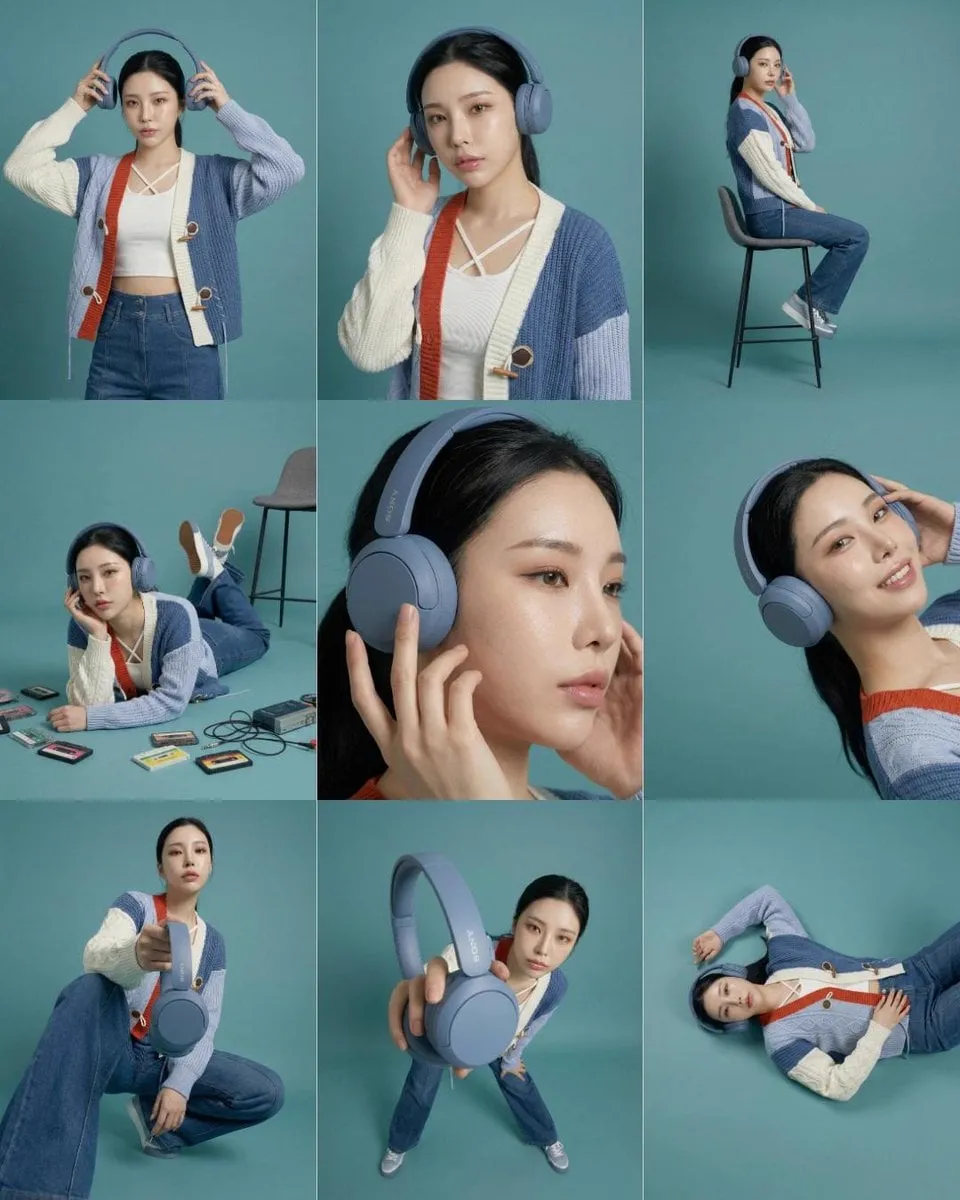
- Front-facing portrait first. A clean, straight-on view of the face is the most important image. It defines the identity that every other shot must match.
- Add angles. A three-quarter view and a side profile give the model information about structure that a front view cannot convey.
- Show the full body. An outfit is part of a character. A full-body shot locks in clothing, proportions, and posture.
- Include a close-up. Details like hair texture, eye color, and skin tone deserve their own frame.
- Keep the set stylistically consistent. If your character lives in a muted, natural-light world, do not include a neon-lit reference. The model will blend the styles and produce something that belongs to neither.
- Limit the set to what the scene needs. For a scene with one character, five images are plenty. Every extra image is another constraint the model must satisfy, and too many constraints can crowd out the prompt.
Once your reference set exists, treat it as a protected asset. A well-built set is reusable across scenes, episodes, and even projects, and it is the fastest way to keep a brand or series recognizable.
Step-by-Step: From References to Consistent Scenes
Here is the workflow that turns a reference set into a complete, consistent project:
- Design the character once. Create the defining image first, review it, and approve it before generating anything else. If the design is not right, fix it now.
- Build the reference set. Generate or curate the portrait, angles, full-body, and close-up images. Keep them in one folder with clear names.
- Write scene prompts around the set. For each scene, describe the action, environment, and camera in the prompt, and reference the same character in every prompt.
- Generate with the full set. Attach the reference images to each scene generation. Do not swap the set between scenes unless the character intentionally changes (a new outfit can be its own reference).
- Review scenes side by side. Put the first and last shots of the character next to each other. If they match, the pipeline works. If not, strengthen the set before continuing.
- Iterate on scenes, not on identity. When a scene fails, adjust the prompt or the scene, not the character. Keeping the identity fixed is what builds consistency across the whole project.
Combining References with Keyframe Control
Multi-reference generation handles identity across shots, but keyframe control handles motion within a shot. The two techniques are complementary, and professional workflows use both.
With keyframes, you define the first and last frame of a sequence, and the model fills in the movement between them. This is ideal for scenes where a character performs a specific action: walking toward the camera, turning around, picking up an object. The start and end frames guarantee that the action begins and ends where you want, and the reference set guarantees that the character in those frames is yours.
The combined approach gives you both axes of control: who the character is (references) and what the character does (keyframes). Used together, they turn generation from a lottery into a directed process where each shot is planned and each result is reviewable.
One caution about over-referencing: it is possible to lock a scene down so tightly that the model has no room to interpret the prompt, and the result feels stiff or pasted. If your scenes start to feel lifeless, loosen the set — drop the less important references, simplify the prompt, or generate a few drafts without the full set and compare. Consistency is a goal, not a rule, and the best workflows know when to relax it in service of energy and spontaneity.
Use Cases: Series, Brand Mascots, and Long-Form Stories
Character consistency is not a nice-to-have; it is the requirement that unlocks whole categories of content:
- Episodic stories. A multi-episode animated series, a recurring short-film character, or a serialized social campaign all depend on the audience recognizing the protagonist. Reference sets make the first episode look like the fifth.
- Brand mascots. A mascot that changes appearance between ads destroys the brand recognition it is meant to build. One approved reference set keeps the mascot identical across campaigns, platforms, and years.
- Explainer hosts. A recurring AI host in tutorials or news content builds audience trust through familiarity. The audience should feel like they are meeting the same person every time.
- Game and comic adaptations. If you are bringing existing character designs into video, multi-reference generation is the only reliable way to preserve the original artwork across shots.
In every case, the economics improve too. A reusable character library means new episodes start from a proven foundation, so production time per episode drops after the first one.
When Multi-Reference Isn't Enough
Multi-reference generation is powerful but not magic, and knowing its limits saves time:
- Extreme motion and transformation. Scenes with dramatic changes, such as a character morphing or a costume change mid-shot, can overwhelm the references. Plan these as intentional transitions, not ordinary scenes.
- Very long sequences. A single generation still produces a limited length. For longer scenes, break the action into segments, each with the same references and clear continuity between segments.
- Conflicting references. If two reference images contradict each other, the model will compromise in unpredictable ways. Audit your set for conflicts before generating.
- Style drift in backgrounds. The technique stabilizes the character but may not fully stabilize the environment. Keep location references separate from character references for scenes with specific settings.
When a scene does not work, diagnose before regenerating. Is the character wrong, or the action, or the environment? The answer tells you whether to fix the reference set, the prompt, or the model choice.
Troubleshooting Guide
- Face changes between takes. Return to the front-facing portrait and rebuild the set around it. Add a close-up reference and remove conflicting images.
- Outfit changes mid-scene. Make the outfit its own reference image and attach it only to scenes where the character wears it.
- Character looks stiff or pasted-in. The references may be dominating the prompt. Simplify the set to the essential images and give the scene prompt more room to act.
- Inconsistent lighting across scenes. Add a lighting or mood reference to the set, or standardize the lighting description in every prompt.
- Model ignores the references. Some models support references poorly. Test a different model that is known for reference handling before fighting the current one.
Case Study: A Mini-Series Around One Character
To see the technique in action, imagine producing a five-episode mini-series built around a single protagonist, a young detective with a distinctive coat and a specific way of moving.
Episode one: You design the character once — the defining portrait, the full-body shot with the coat, the close-up that captures the eyes. That sheet becomes canonical. Every scene in every episode attaches the same reference set to the generation prompt. By the end of episode one, you have proven the pipeline: the character looks the same in the dark alley and in the bright office.
Episodes two to five: Production speeds up. The reference set already exists, so each new scene starts from a proven foundation. The location sheets work the same way: one reference for the office, one for the alley, and the world stays continuous. New characters get their own sheets, and scenes with two characters attach both.
The payoff: viewers can follow the story without confusion, which is the entire point of serialized content. A mini-series with a consistent protagonist is watchable in a way that a string of disconnected clips never is, and it builds an audience that returns for the next episode.
The lesson scales beyond fiction. The same logic applies to a brand campaign with a recurring mascot, an explainer series with a fixed AI host, or a game preview series built around one character design. In every case, the reference sheet is the asset that makes the series possible, and multi-reference generation is the technique that turns the sheet into consistent video.
One detail worth planning in advance is how characters change over time. Stories often require outfits to change, emotions to shift, or characters to age. Handle deliberate changes the same way you handle everything else: create a new reference set for the new state, use it consistently, and never mix the old and new sets in the same scene. The audience accepts change when it is intentional and complete; what breaks immersion is accidental change that slips in between scenes.
Frequently Asked Questions
How many reference images do I need? Three to five per character is the practical range. More is rarely better; a clean, consistent set beats a large, messy one.
Can I use images from other projects as references? Yes, and that is the point. Approved designs from previous work are perfect reference material, as long as the style matches the new project.
Does multi-reference generation work for realistic characters too? Absolutely. It works for photorealistic humans, creatures, products, and environments. The technique is not limited to animation.
Will this slow down my workflow? The first project takes longer because you build the reference set. Every project after that is faster, because the hardest creative decision — the character design — is already made.
What if my character is an existing real person? Be careful. Using a real person's likeness has legal and ethical implications. For commercial work, use fictional characters or obtain proper rights and consent.
