
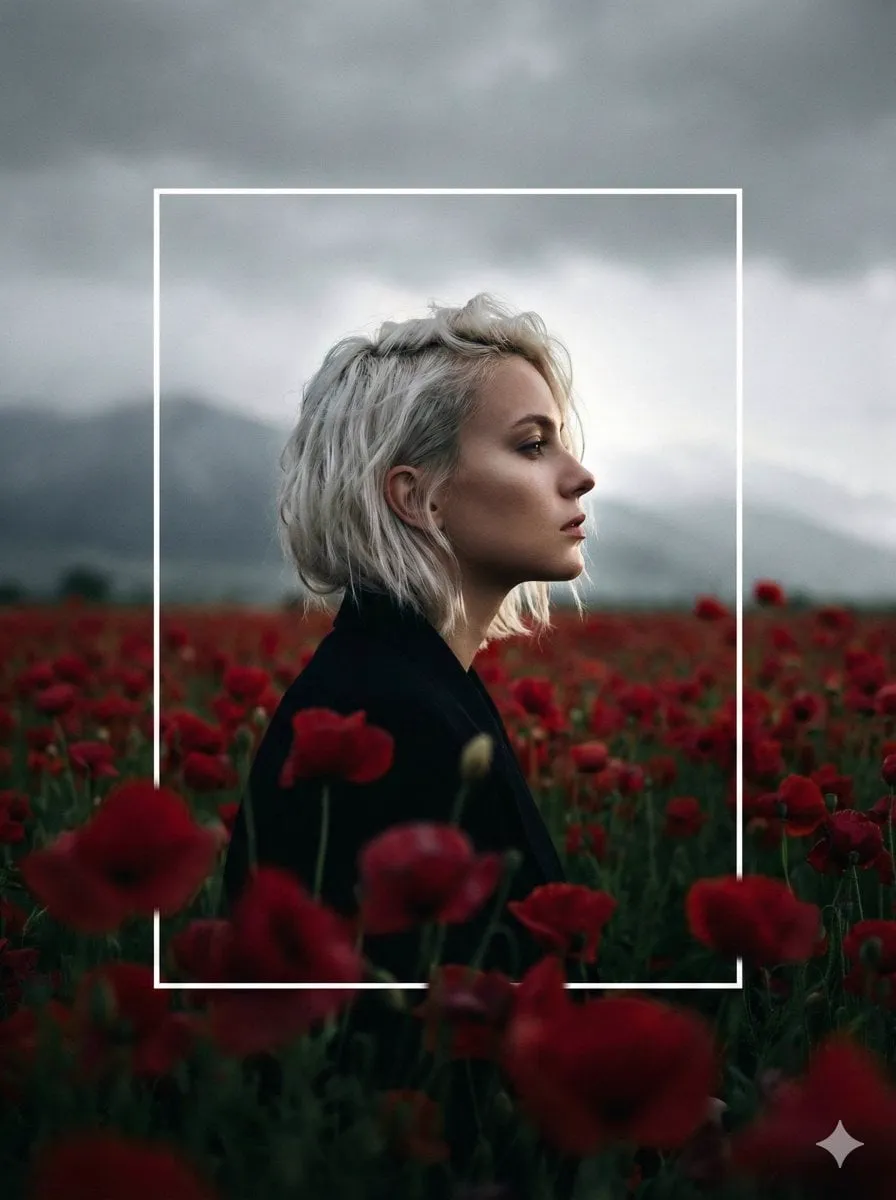
Every AI video creator hits the same wall sooner or later. You generate a stunning first shot of your character. You write a prompt for the second shot, and the model returns a person who looks like a distant cousin of the first one. The hair is different, the face is different, the outfit is different. This is character drift, and it is the single most common reason AI-generated stories fall apart.
Image fusion is the most effective practical answer. Instead of describing your character to the model every single time, you give it a visual memory of who that character is. This guide explains why characters drift, how image fusion works under the hood, and how to build a workflow that keeps your characters stable across as many scenes as you need.
Why Characters Drift in AI Video
Text-to-video models are stochastic. They sample from a distribution of possible outputs every time you press generate, and a textual description, no matter how detailed, is an incomplete specification of a visual identity. Two generations from the same prompt will always differ slightly, and over many shots those differences accumulate into full-blown identity changes.
Drift is worse in video than in images because video compounds the problem across time and space. A character must survive not just one frame but a sequence of frames, and then a sequence of shots. Any small inconsistency is magnified by motion, camera angle, and scene changes.
Understanding this helps you set realistic expectations. The goal of a consistency workflow is not to eliminate variation entirely; it is to control it well enough that the audience never notices.
What Image Fusion Does Under the Hood
Image fusion takes multiple input images of the same subject and encodes them into a single consolidated visual representation. The model uses that representation as the anchor for generation, so every scene starts from the same visual memory rather than from a fresh interpretation of text.
Think of the difference between giving someone a written description of a person versus showing them photographs from several angles. The description forces them to imagine; the photographs let them recognize. Image fusion gives the model photographs.
The technique works for more than faces. You can fuse a character's outfit, a specific prop, or even an environment. Anything that needs to stay identical across generations is a candidate for fusion.
Building a Character Reference Kit
The quality of your fusion depends entirely on the quality of your inputs. A weak reference kit produces a weak identity, no matter how good the fusion technique is.
Gather reference views
Collect multiple views of the character: a front-facing portrait, a side profile, a three-quarter angle, and a full-body shot. The more angles you have, the better the model can reconstruct the character's three-dimensional identity. For characters with distinctive features, add close-ups of those features.
Keep lighting and framing consistent
Inconsistent lighting in your reference images confuses the fusion. A photo lit from the left and another lit from the right may fuse into a character with undefined facial structure. Shoot or generate your references under similar lighting conditions and with similar framing.
Label and organize
Name your references clearly and keep them in one folder per project. You will reuse them constantly, and a disorganized reference set will cost you time on every single scene.
The Fusion Workflow: Scene by Scene
Once your reference kit is ready, the per-scene workflow is straightforward.
Start with the hero image: the single strongest view of your character that will anchor every scene. Generate the scene using that image as the primary reference, and describe only what changes: the environment, the action, the camera movement. Do not describe the character again. Every word you spend re-describing the character is a chance for the model to reinterpret them.
When the scene is generated, compare it against the reference kit before accepting it. Check the face, the proportions, and the details you care about. If anything drifts, regenerate with tighter prompt wording rather than accepting a compromised shot.
For long sequences, generate the scenes in story order. Each accepted scene can inform the next generation, creating a chain of visual continuity that resists drift better than independent generations.
Keyframe Control and Motion
Fusion fixes identity, but motion still needs its own control. Use keyframes to lock down poses and composition. A keyframe is a generated still that defines what the shot should look like at a specific moment; the model then animates between keyframes instead of inventing the whole motion from scratch.
Combine keyframes with explicit motion language in your prompts. "She turns her head slowly toward the camera" is more controllable than "she moves gracefully." The more precisely you specify the motion, the less room the model has to improvise, and the less likely it is to change the character's appearance while improvising.
Mixing Styles Without Losing Identity
One of the most powerful uses of fusion is style transfer. You can take a realistic character and ask the model to render them in a completely different style: anime, watercolor, pixel art, claymation. The fusion preserves the identity while the style block changes the visual language.
The trick is to change one thing at a time. If you change the style and the scene and the lighting all in one prompt, the model has too many degrees of freedom and the character will drift. Freeze everything except the style, verify the character still reads as the same person, and only then start changing other variables.
Multi-Reference Management for Groups
Scenes with multiple characters are the hardest case. Fuse each character separately, approve each identity independently, and only then combine them in a scene.
If your tool supports multiple image references, feed the fused identity of each character into the generation. If it supports only one, generate the characters in separate passes and composite them in an editor. Compositing costs time but gives you complete control over which character version appears in the final shot.
For ensemble casts, keep a reference spreadsheet: character name, fused identity file, approved views, and the exact prompt block that defines them. This sounds bureaucratic, but it pays for itself the first time you need to regenerate a scene months after you created the character.
Cost-Efficient Production Habits
Consistency workflows can feel expensive because you generate many rejects. Manage that cost with a few habits.
Generate stills before video. Stills are cheaper and faster, and a rejected still costs a fraction of a rejected video. Test scene compositions as stills, approve them, then animate.
Reuse successful prompts. When a scene works, save the prompt with the output. Your prompt library is a production asset that compounds across projects.
Batch your iterations. Generate variations in a single pass and pick the best, rather than generating sequentially and reacting to each result.
Common Pitfalls
The most common pitfall is re-describing the character in every prompt. Stop doing that. Reference image plus change-only description is the rule.
The second pitfall is ignoring the reference image's quality. A blurry, badly lit reference produces an identity that drifts no matter what the prompt says.
The third pitfall is mixing styles mid-project. If the visual style is not locked, every scene becomes a new experiment.
The fourth pitfall is skipping the acceptance check. The discipline of comparing every output against the reference kit is what actually prevents drift; the fusion technique just makes the comparison worthwhile.
A Realistic Example: One Character, Three Shots
To see the whole system working, walk through a small project: the same character in three different scenes.
Your character is a courier with a distinctive red helmet and a worn yellow jacket. You build the reference kit with five views: portrait, profile, three-quarter, full body front, and full body back. You fuse them into the identity anchor and approve the hero image.
Shot one is a street scene. You generate with the hero image as reference and a change-only prompt: "the courier leans the bicycle against a wall in a narrow old-town street, morning light." The character block is absent from the prompt because the reference carries it. The output shows the same red helmet and the same jacket, and you accept it.
Shot two is an interior. You change only the scene: "the courier sits at a café table with a coffee, rain on the window behind." Same reference, same identity. The jacket sits differently but the character reads as the same person.
Shot three is a close-up. You tighten the framing and add expression: "close-up of the courier pulling the helmet strap, tired but satisfied." The identity holds because every generation started from the same anchor.
Now compare this with the alternative, describing the character from scratch three times. The helmet color would drift, the jacket details would change, and the face would subtly morph. The audience would feel that something is off even if they could not say what.
This is the difference fusion makes, and it is exactly the discipline you need for any multi-shot project.
Advanced: Fusing Props and Environments
The same technique that locks a character can lock anything the story depends on.
A hero prop, like a distinctive vehicle or a magical artifact, deserves its own reference kit and its own fused identity. Fuse it the same way you fuse a character, and the prop will stay recognizable across every scene it appears in.
Environments are trickier because they are large, but a signature location can also be fused: a shopfront, a bridge, a specific room. A fused environment reference keeps the space consistent across scenes and gives the audience spatial memory, which is a large part of why a world feels real.
The rule is simple: anything that appears more than twice in your project earns a reference. The cost of building the reference is paid once, and the payoff is every scene that no longer needs to be regenerated because the world drifted.
FAQ
How many reference images do I need?
Three to five well-chosen views are enough for most characters. Add more only for characters with complex details like tattoos, makeup, or elaborate costumes.
Can image fusion work with real people?
Yes, with the same consent and rights considerations that apply to any use of a person's likeness. Fusing your own reference photos is the common use case.
Does fusion help with non-human characters?
Absolutely. Robots, animals, creatures, and objects all benefit from a consolidated visual identity. The technique does not care whether the subject is human.
What if my tool does not support multi-image fusion?
Fall back to a single strong hero image plus a precise text block for the character, reused verbatim in every prompt. It is less powerful but still dramatically better than describing the character from scratch each time.
How do I fix drift that has already happened?
Regenerate the drifted scene from the reference kit rather than trying to repair the generated video. Repairing AI video is far harder than regenerating it correctly.
How long does a reference kit take to build?
The first kit takes the longest because you are learning the workflow; expect an hour or two for a character. Once the habit is in place, later kits take minutes, because the steps are the same and only the subject changes.
Should I fuse a new identity for every camera angle?
No. Fuse once and let the model handle the angles, then verify. The point of fusion is that one consolidated identity covers many views. If a specific angle consistently fails, add a reference for that angle to the kit, but do not rebuild the identity for it.
What if I am only making a single clip?
Then you do not need fusion at all. The technique pays off when the character appears in more than one scene. For one-off clips, a strong hero image and a good prompt are enough, and adding fusion would be overhead you do not need.
Can I share reference kits between projects?
Only if the character is the same character. If the projects are unrelated, sharing a kit imports the wrong identity and the results will drift from both projects. Build per-project kits and let the prompt library, not the character kits, travel between projects.
Final Thoughts
Character consistency is not a feature you buy; it is a workflow you build. Image fusion gives you the memory, keyframes give you the control, and the acceptance discipline keeps everything honest. None of the three is optional if you want characters that survive more than one scene.
Start with one character and one short sequence. Build the reference kit, fuse the identity, and generate every scene against that anchor. Once you feel the difference between a project where the character drifts and one where they do not, you will never go back to prompting from memory.
