

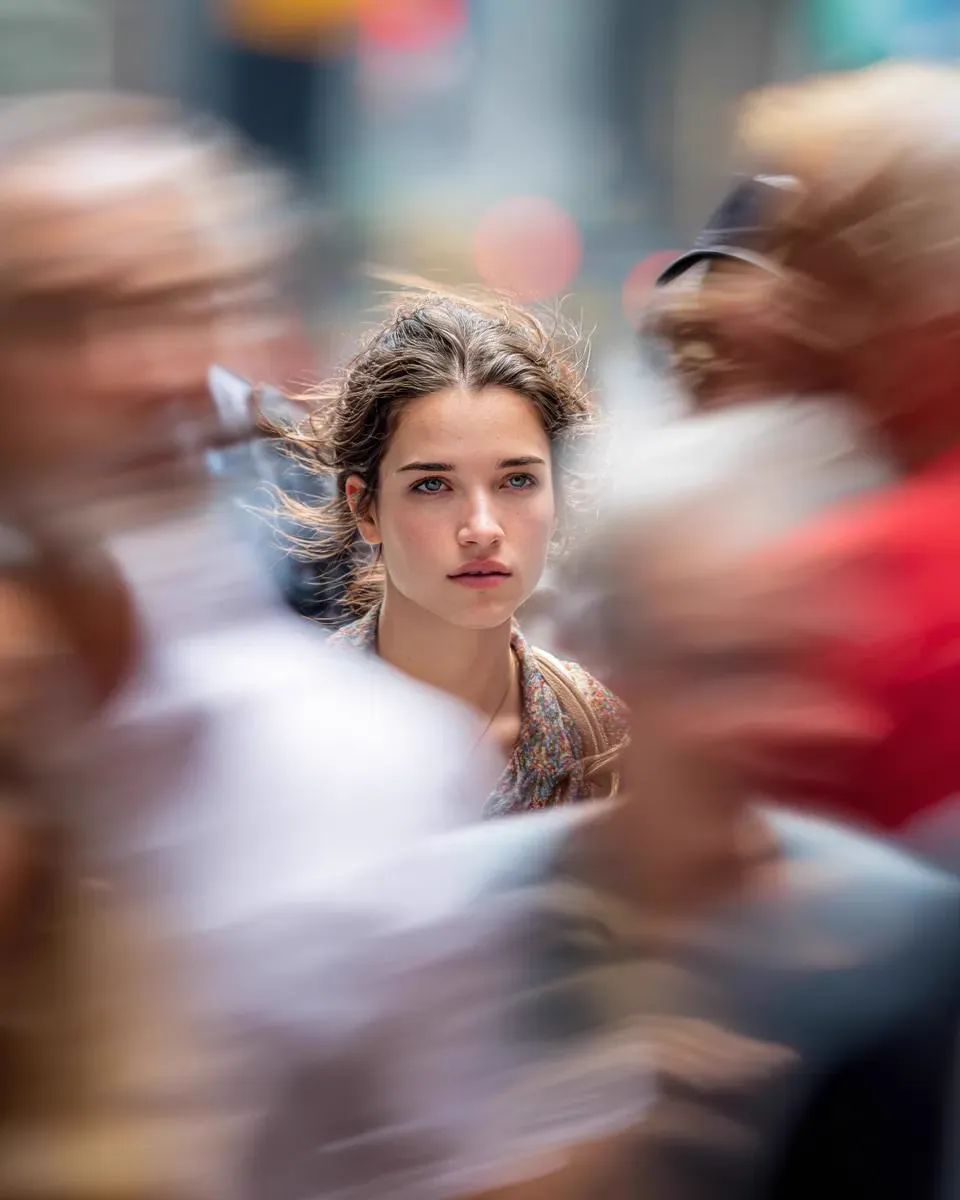
One of the oldest frustrations in AI-driven filmmaking is character drift. You describe a character once, generate a beautiful opening shot, and then watch the protagonist subtly change face, hairstyle, and clothing in every subsequent scene. The story stumbles because the audience can no longer believe it is the same person. For narrative work, this is not a minor cosmetic issue; it is the difference between telling a story and merely assembling disjointed clips.
The good news is that a practical technique exists to solve this: multi-image fusion. Instead of relying on a single photo or a written description, you give the generation engine several reference images of the same character. From those references, the system builds a consolidated visual identity that stays with the character across scenes, styles, and lighting conditions. This guide walks through the technique from start to finish.
Why character consistency matters so much
Consistency is often described in design terms, but its real weight is narrative. A viewer needs to recognize a character instantly to follow the emotional arc. When the hero changes appearance between scenes, the connection breaks, and the film reads as a collection of effects rather than a story.
The cost of character drift
The problem has a name in the generative video community: character drift. A sequence starts with a well-defined protagonist and, left to its own devices, the engine gradually reinvents features as it goes. For brands that need the same face across a campaign, or filmmakers who want a believable hero, this drift is disqualifying. It is also expensive, because every inconsistent shot means extra iterations and wasted effort.
Higher audience expectations
Audiences today consume a huge amount of generated content and notice inconsistencies quickly. A character whose appearance changes is read as a production error no matter how beautiful the individual frames are. This is why consistency has become a marker of quality: keeping a character stable is what separates creators who can tell stories from those who simply stack scenes.
Understanding multi-image fusion
The core idea of multi-image fusion is simple but powerful. Rather than describing the subject only in words, or anchoring on a single photo, you provide several reference images of the same individual. The engine examines that set and extracts a consolidated identity: the facial shape, hair structure, build, characteristic clothing, and posture.
Building an identity vector
Those references combine into something like an identity vector that gets applied to each new scene. Because the engine sees several angles and expressions, it can separate what is essential about the character from the accidental variations of a single image. The result is a much firmer anchor than any one photograph provides.
Beyond pure appearance
Fusion does not only preserve physical appearance; it also helps maintain the lighting and stylistic consistency of each scene. By referencing multiple images, the engine better understands the color palette you want and the type of environment. So it is not just the character that stays stable, but the whole visual atmosphere of the project.
Establishing a high-fidelity character seed
Before you can keep a character consistent, you need a strong starting point: a seed image of the highest quality. This seed becomes the standard against which every other scene is judged.
Choosing the right reference
The reference should be well lit, free of distortion, and show the character clearly. A single strong portrait is a good beginning, but more references from different angles and expressions make the identity even more robust. The better the seed, the easier it is to maintain consistency later.
Making the seed your benchmark
Once defined, the seed is your benchmark. Every scene you generate should be compared against it. If a shot drifts away from the established identity, regenerate it rather than accepting the compromise. A strict standard early on saves painful corrections later.
Building an identity from multiple sources
Traditionally, keeping a character consistent required heavy lifting: 3D modeling, rigging, or manual retouching of every frame. Multi-image fusion simplifies that process dramatically.
Preparing the character once
With the right approach, you prepare the character once and then reuse that foundation in all your scenes. The time savings are substantial, especially on projects with many shots or several characters. Instead of re-describing the hero every time, you recall its identity and apply it systematically.
A reusable workflow
This mindset fits into a broader pre-production pipeline: you define the characters, lock their wardrobe and palette, and then generate each sequence against that base. Reuse turns an expensive process into something repeatable and predictable, which is essential when deadlines are tight.
Combining consistency across different engines
An efficient creator is rarely limited to a single generation engine. Each tool has its strengths, from photorealistic rendering to stylized animation to raw speed. Fortunately, the character identity you build can travel across engine boundaries.
Using the same anchor in multiple tools
Thanks to image anchoring, you can feed the same character reference into different generation engines. This opens a huge range of possibilities: one coherent narrative foundation expressed through each tool's visual style. It is an advantage for productions that want to vary the look per scene without breaking the story.
Picking the engine per task
Be clear about what each sequence requires: realism, expression, or speed. Choose the engine best suited to that task while keeping the character identity intact. Consistency depends on the anchor you build and your discipline in repeating it, not on which engine you choose.
Managing character memory across long-form work
Keeping a character recognizable across an entire short film or series is among the hardest challenges. The subject must stay recognizable even as circumstances, wardrobe, or emotional state change.
Introducing controlled variation
As the story advances, a character may change hairstyle, clothing, or environment. Those variations should be introduced deliberately, always building on the seed and layering the changes on top. This way you preserve the foundation while incorporating the evolution the narrative demands.
Documenting every approved change
Keep a running log of reference images and accepted variations for each character. That log is your style sheet: it shows which references to use, what palette accompanies the character, and which changes are acceptable. It serves you and anyone who collaborates on the project.
Building a full production workflow
Consistency is decided before the first frame is generated. A strong workflow handles it from conception onward.
Definition phase
Start with the script and the character sheets. Establish who each protagonist is, what they look like, and what palette accompanies them. Create the reference images and validate them one by one. This is the cheapest phase to iterate.
Scene production
For each scene, start from the established identity, introduce the variations needed for the context, and validate the result against the seed. Keep alternatives for the edit, and regenerate any shot that breaks consistency.
Post-production review
In the edit, check global continuity. Tighten the color to match the palette and remove or regenerate any shots that stand out. Post-production is your last chance to fix small identity slips.
Common pitfalls and how to avoid them
Depending on a single reference
A single photo limits the anchor. The more reference angles and expressions you have, the firmer the identity will be. Always use several.
Low-quality seeds
A blurry or poorly lit seed contaminates the entire production. Spend time building flawless seeds before launching the scenes.
Unrecorded wardrobe changes
If a character changes clothes mid-story, update the reference and document the new version. Otherwise later scenes lose the correct reference.
Skipping the style log
Project memory is indispensable. Without a clear log, each new shot can reinvent the character. Document, document, document.
A practical troubleshooting checklist
When a shot comes out wrong, it helps to diagnose the cause quickly rather than guessing. A short checklist turns debugging into a method instead of a gamble.
Is the missing reference the culprit?
The most common cause of drift is simply forgetting to reference the character at all. Before assuming the engine failed, check whether you reapplied the reference images for that shot. A surprising number of "unexplainable" mistakes disappear once the anchor is included.
Is the seed strong enough?
If a character is consistent but subtly "off", the problem may be in the seed itself: a reference that is too dark, too blurry, or shown from an awkward angle. Rebuild the seed with better-quality images and re-test. A weak foundation produces an unreliable identity no matter how carefully you work.
Are variations layered instead of replacing?
A character who needs a new outfit should be derived from the seed, not re-described from scratch. Check that you layered the change on top of the established identity rather than sending the engine to invent a whole new look. Layering keeps the essence while accommodating the narrative.
Does the environment match the established world?
Sometimes the character is stable but the scenery drifts, breaking the feeling of continuity. Confirm that the palette and lighting of the new scene still belong to the same visual world. Consistency is not just faces; it is the whole atmosphere.
Learning from every failure
Keep a short note of any correction you make and why. Over time, these notes reveal the patterns behind your recurring mistakes, and that insight lets you prevent them before they happen. Troubleshooting becomes part of the creative process rather than a chore.
Scaling consistency to series and beyond
The same principles that keep a single short consistent also apply, with more discipline, to longer projects and series. If you plan to tell stories across many episodes, consistency becomes a structural asset.
Building a shared cast across episodes
In a series, the cast must survive from episode to episode. The identity definitions you build become the shared reference for the whole production. This not only preserves the characters but also lets new collaborators pick up the same anchors. A well-documented cast is what makes long projects sustainable.
Versioning as the story evolves
Characters change over time, and a series may jump in time or show different phases of a life. Maintaining versions of each character (young, older, different outfits) keeps those changes deliberate and traceable. Each version still derives from the original seed, so the essence remains while the story advances.
Making consistency a team habit
Consistency is not a one-time fix; it is a shared discipline. When the whole team understands the anchor system and uses the same style log, the risk of drift drops sharply. Training and clear documentation turn a personal technique into an organizational strength.
Conclusion
Multi-image fusion changes how you approach AI-generated production. Instead of fighting character drift, you build a stable identity from the start and carry it, faithfully, through the entire project. The result is a narrative that audiences recognize as continuous, professional, and emotionally effective.
The time invested in preparation pays off many times over in quality and speed during production. If you still generate isolated scenes hoping the engine keeps your characters recognizable, this technique is the step that moves you from clips into genuine visual storytelling.
Frequently asked questions
What exactly is multi-image fusion?
It is a technique that uses several reference images of the same character to build a consolidated identity, applied to every new scene so the character stays recognizable.
Why does my character keep changing appearance?
That is character drift. It happens when no stable identity is anchored with solid references, leaving the engine to decide autonomously on each generation.
Can I use more than one generation engine?
Yes. Consistency depends on the image anchor, not the engine. Choose the best tool for each task and keep the character identity intact.
How do I handle changes in wardrobe or environment?
Introduce those variations as layers built on the original seed, keeping the foundation intact, and document each new version in your style log.
Is this technique worth the setup effort?
For long projects or multiple characters, absolutely. Reusing the same foundation across all scenes avoids costly re-descriptions and regenerations.
