
Every AI filmmaker hits the same wall: the character looks perfect in scene one, then transforms into a stranger by scene three. Character consistency is the single biggest quality factor in AI short films, and multi-image fusion is the most reliable way to achieve it.
This guide walks through the technique from first principles — what it is, why it works, and how to build a production workflow around it.
Why characters drift
Character drift happens because generation models interpret text descriptions with slight variations every time. Describe "a woman with red hair and a leather jacket" and you'll get a slightly different woman in every render. For a short film with multiple scenes, that variation becomes a disaster.
The solution is to stop relying on text alone and anchor the character visually.
What multi-image fusion does
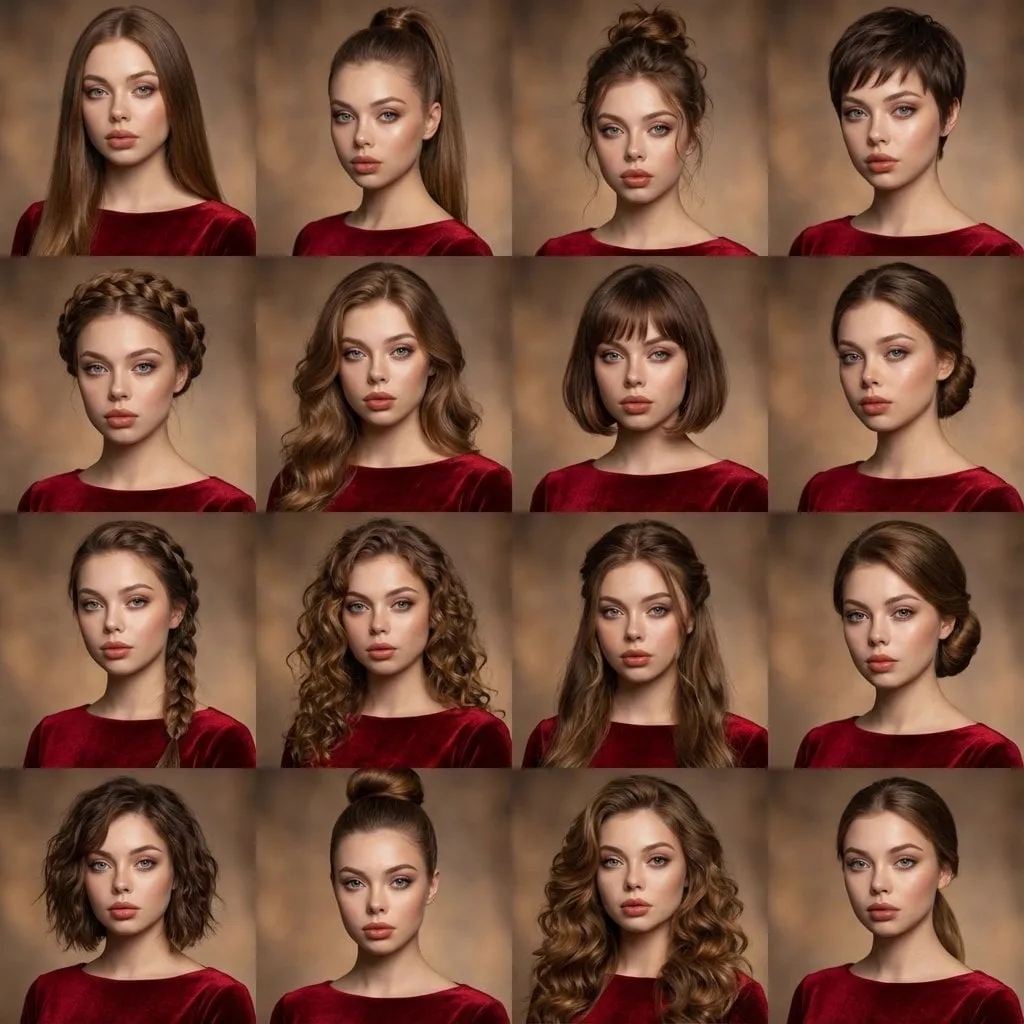
Multi-image fusion blends several reference images of a character into a single robust visual definition. Instead of one reference angle, you provide multiple angles, expressions, and poses. The model uses this set as a constraint, keeping the character's identity stable across scenes, lighting changes, and even different generation models.
This is the core technique behind professional AI productions that look coherent from the first frame to the last.
Building the character seed
Step 1: Design the character
Start by designing your character visually. Use an AI image generator to explore looks: hair, wardrobe, distinguishing features. Iterate until you have a design you love.
Step 2: Generate multiple angles
Once the design is locked, generate reference images from several angles: front, side, three-quarter, plus a few expressions and poses. Three to five strong references are usually enough.
Step 3: Curate your references
Pick the best set and keep it in a dedicated folder. These images are your character seed — treat them as production assets.
Enforcing consistency across scenes
Use the same references everywhere
Every scene must reference the same character seed. Don't swap reference sets between scenes, or the character will shift.
Keep prompts aligned
Write consistent textual descriptions alongside the references: same features, same wardrobe. The combination of text and images is stronger than either alone.
Review keyframes between scenes
Before rendering a full scene, generate a keyframe and compare it with the previous scene. Catch drift early — it's much cheaper than re-rendering everything.
Working across multiple models
One of the strongest use cases for multi-image fusion is switching models mid-project without losing the character. When you generate video from images, the reference frames travel with the scene, so the character stays recognizable even if the underlying model changes.
This flexibility lets you pick the best model for each shot — one for smooth motion, one for style — without sacrificing coherence.
A production workflow
- Design and seed: build the character reference set
- Style guide: define palette, lighting, and atmosphere
- Scene blocking: plan shots with the storyboard
- Generate: render each scene using the seed and consistent prompts
- Gate-check: review keyframes between scenes
- Post: edit, sound, titles
This workflow is repeatable, which is what makes it scalable. Once the system works for one character, it works for a full cast.
Common pitfalls
- Using a different description in every prompt
- Swapping reference images between scenes
- Skipping keyframe reviews
- Starting with low-quality references
- Changing the style guide mid-project
Conclusion
Multi-image fusion turns character consistency from a hope into a process. Build a strong character seed, use the same references everywhere, and review keyframes between scenes. Your AI short film will look like it was directed by one person, not generated by a thousand random rolls.
Start with the AI image generator and explore more in our blog.
