

The One Problem Every AI Video Maker Hits
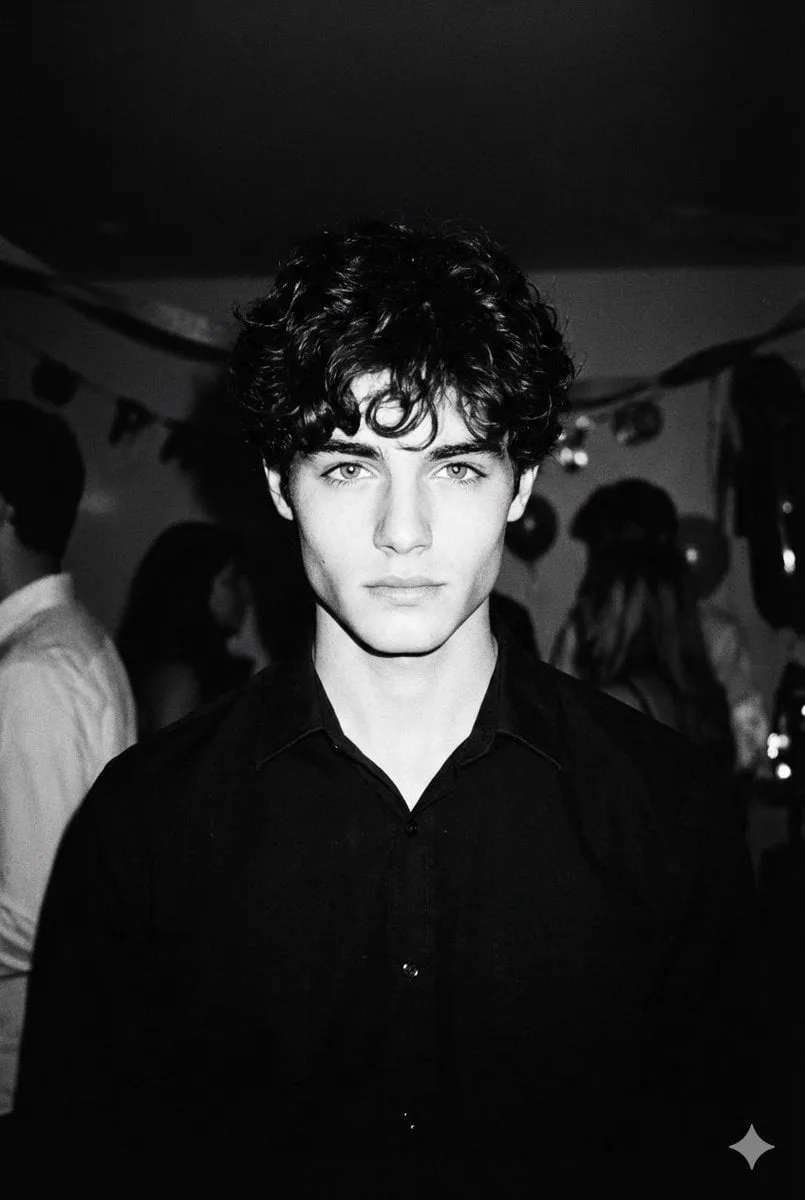
Generative AI can now produce footage that looks cinematic, moves naturally and follows instructions with impressive accuracy. Yet one problem has frustrated creators since the beginning: the same character does not look the same from one scene to the next. A woman with a red scarf in the first shot may appear with a blue jacket and different facial features in the second. For storytelling, advertising and any serious production, this is not a cosmetic issue — it is the difference between content that works and content that gets scrolled past.
The solution is a technique called multi-image fusion. Instead of asking the model to invent a character from a single image, you give it a carefully built profile of reference images, and the model locks onto that identity across every frame and every scene. This guide explains how the technique works, how to build reference profiles, how to integrate it into a production workflow and what it means for businesses.
Why Consistency Is So Hard for AI
To understand the solution, it helps to understand the problem. Most video generation models are stochastic: they sample from learned distributions, and every new generation starts fresh. A single reference image captures one view, one expression, one moment of lighting. When the model animates that image, it reconstructs details probabilistically. Small variations in sampling produce visible drift: a changed hairline, a different jacket shade, an earring that vanishes.
The result is what researchers call identity drift. It becomes worse with:
- longer videos, where drift accumulates over time;
- scene changes, where the model reinterprets the character from scratch;
- complex outfits, with many small details;
- stylized characters, where minor changes are more noticeable.
Traditional fixes — describing the character in a long prompt, or hoping a strong seed will help — are unreliable. The robust fix is architectural: give the model multiple consistent references so the identity is anchored, not guessed.
What Multi-Image Fusion Does
Multi-image fusion (MIF) takes several reference images of the same subject and merges them into a stable identity representation. The model does not simply pick one image; it extracts shared attributes across the set — facial structure, clothing, color palette, proportions — and uses that fused profile to guide every generated frame.
Think of it as building a casting dossier. A director does not hire an actor from one headshot; they review a portfolio of photos from different angles and in different moods. The fused profile is the AI equivalent: a complete picture of who the character is, so the model can render them consistently.
MIF is especially valuable in three situations:
- multi-scene narratives, where the character moves between locations;
- series production, where the same character returns in later episodes;
- branded content, where a product or spokesperson must stay recognizable.
Building a Strong Anchor Profile
The quality of the fused profile determines the quality of the output. A weak set of references produces weak consistency, no matter how good the model is.
Follow these guidelines when building an anchor profile:
- Use five to ten images of the subject.
- Vary the angles: front, profile, three-quarter, and a few wider shots.
- Keep lighting consistent across the set, or deliberately vary it if you plan scenes with different moods.
- Keep the outfit consistent for a given character version; change outfits deliberately, not accidentally.
- Avoid heavy filters, retouching or extreme poses that distort the face.
- Include both close-ups and full-body shots so the model knows the whole design.
- Remove duplicates; every image should add information.
The same principles apply to products, animals and stylized characters. The anchor profile is the single most important artifact in a consistent AI production.
Store every profile in a named folder with the character's description and the exact settings used. When you revisit a series months later, you can rebuild the character exactly as before. Documentation turns a technique into an asset.
Character Consistency at the Scene Level
An anchor profile gives you a stable character, but scenes introduce new risks: camera angles, motion, interaction with the environment. Scene-level consistency requires one more layer of discipline.
The practical method is keyframing. Before generating a scene, create a key image that shows the character in that scene's pose, angle and lighting. Use that key image as the input for animation, backed by the anchor profile. The key image locks the scene's composition; the profile locks the character's identity.
A reliable scene workflow looks like this:
- Define the scene in the script: location, action, mood.
- Generate a key image with the character in that scene, using the anchor profile.
- Review the key image: is this the right pose, angle and expression?
- Animate the key image with image-to-video, describing the desired motion.
- Check the output for identity drift and regenerate if needed.
This workflow adds a step before each scene, but it eliminates most of the trial and error. Planning beats hoping.
Integrating with Advanced Generation Models
Multi-image fusion works with the wider model landscape. Photorealistic models like Runway and Sora handle the fusion input well and produce high-fidelity motion. Fast models like Kling and Luma are useful for quick tests of a scene before committing to a premium render.
A smart production pipeline uses models hierarchically:
- build and test the anchor profile on a fast, cheap model;
- generate key images for each scene;
- animate the final scenes on a high-quality model;
- keep the same anchor profile throughout.
Because the profile is model-agnostic in concept, you can move between tools without rebuilding the identity from scratch. That portability matters when tools change or a better model appears.
Production Efficiency and Cost
Consistency techniques change the economics of AI video. Without them, a project with a recurring character means endless regeneration, wasted budget and inconsistent results. With them, scenes are planned, generated once or twice, and assembled.
Cost rules that compound with consistency:
- validate the anchor profile before any expensive generation;
- generate key images at low cost before animating;
- limit regeneration by reviewing key images first;
- animate short clips and edit them together;
- reserve premium models for the final pass.
The time savings are just as important as the money. A consistent pipeline turns a chaotic experiment into a repeatable process, which is exactly what content teams need.
The same discipline reduces rework in the edit: clips that match in identity and scale cut together cleanly, without color or proportion fixes.
Character Consistency for Brands
For businesses, consistency is not a creative luxury; it is a trust issue. A brand mascot that changes appearance between ads confuses customers. A product that shifts color between scenes undermines the message. A founder whose face drifts across a video series damages credibility.
The same MIF workflow applies:
- build an anchor profile for the product or spokesperson;
- reuse it across all campaign assets;
- keep the same lighting and scale conventions;
- document the profile so every team member uses the same references.
Brands that adopt this discipline get a visible edge: their AI content looks intentional, while competitors' content looks random.
Document the profile and the pipeline so any team member can pick up the next campaign without re-learning the setup.
Avoiding Common Mistakes
Even with MIF, projects fail in predictable ways:
- too few references, forcing the model to guess;
- inconsistent references, confusing the fused profile;
- ignoring the key image step, then fighting drift in animation;
- changing the profile mid-project, breaking continuity;
- using heavy filters that hide the character's real features;
- expecting one prompt to solve what a profile must solve.
Each mistake has a simple fix. The pattern is the same: invest in references and planning, and the models reward you with stability.
Review profiles before starting a project, not during it. Catching an inconsistent reference set at the planning stage saves every scene that follows.
A Worked Example: A Three-Scene Short
Theory is easier to trust with a concrete example. Suppose you want a short story: a courier arrives in a rainy square, delivers a package and walks away into the sunset.
Start by building the anchor profile. Collect six images of the courier: front, profile, three-quarter, two full-body shots and one close-up. Keep the same jacket, cap and lighting direction across all six. This is the identity the model will protect.
Scene one: the square at dusk, rain falling. Generate a key image showing the courier entering from the left, using the profile. Review it: is the jacket right? Is the angle right? Then animate with a motion prompt: "the courier walks into the frame, rain falling, wet pavement reflections, camera following from behind".
Scene two: the delivery. Key image: close-up of the courier handing over a package. Motion prompt: "the courier hands the package, the receiver takes it, brief eye contact, subtle camera push-in".
Scene three: the exit. Key image: wide shot of the courier walking toward the horizon. Motion prompt: "the courier walks away, sunset light breaking through clouds, slow camera pull-back".
Assemble the three clips with a cut between scenes, add sound and captions, and the short is done. Each scene used the same anchor profile, so the courier looks identical throughout. Without the profile, the character would have changed three times; with it, the story holds together.
Frequently Asked Questions
How many reference images do I need? Five to ten is the practical range. More is useful only if each image adds new information.
Can MIF work for stylized or animated characters? Yes. The technique works for any consistent visual identity, including illustrations and 3D-style characters.
Does the technique work across different tools? The profile is a set of images, so you can reuse it with any model that accepts multiple references.
What if my character needs different outfits? Build separate profiles for each outfit version, or change the outfit in the key image while keeping the face references.
Is consistency perfect now? Not always, but MIF reduces drift dramatically. Plan for one or two regenerations per scene.
Do I need special software? No. The technique uses features already present in leading AI video tools.
How long does this take? A practiced team produces a three-scene short in a few hours, most of it spent reviewing and regenerating rather than waiting.
What if a scene drifts anyway? Go back to the key image: fix the pose and lighting there before regenerating the animation. Do not fight drift at the animation stage.
Can profiles be reused across projects? Yes, with permission for the source material. A well-documented profile is portable and saves time on every new project.
What is the minimum viable profile? Three consistent images can stabilize a simple character; five to ten is the reliable range for production work.
Do scenes need matching aspect ratios? Yes, keep one ratio per project so the final edit has no awkward framing changes.
What about stylized characters with exaggerated features? The same profile method works; exaggerate consistently in every reference.
The Future of Consistent Characters
Character consistency is the bridge between AI video as a toy and AI video as a production medium. As fusion techniques improve and models accept richer reference inputs, the boundary between generated and traditional production will keep shrinking. Series, episodic content and brand universes built on AI will become normal.
For now, the advantage belongs to creators who master the technique: build profiles, plan scenes, review key images and assemble with discipline. The tools will change, but the method — anchored identity, planned scenes, controlled iteration — will remain the core skill of AI-driven video production.
Conclusion
Multi-image fusion solves the problem that once blocked serious AI storytelling: the same character, in every scene, looking like themselves. By building anchor profiles, planning scenes with key images and integrating the technique into a cost-aware pipeline, you can produce consistent, professional video at a fraction of traditional costs. Consistency is no longer the weakness of AI video; it is becoming one of its greatest strengths. Master the profile, master the pipeline, and the stories you can tell are only limited by imagination.
