
Ask any creator who has tried to produce a multi-scene story with AI video what the hardest problem is, and the answer will be the same: keeping the character looking like the same person. A hero walks out of one shot with a different face, a different jacket, or a different nose, and the illusion collapses. The audience does not need to know the technical reason; they just feel that the story is broken.
Character consistency is the bottleneck between impressive tech demos and scalable content. The good news is that the problem has a solution, and it is a production technique rather than a waiting game: anchor the identity in reference images and fuse multiple references into a single canonical profile. This guide explains why characters drift, how multi-image fusion solves it, and how to apply the technique to a whole series of shots.
The consistency crisis in AI video
Video generation models are brilliant at creating novel visuals and terrible at remembering anything. Every generation starts from a distribution of possibilities, and the text prompt is only a weak constraint on what the character looks like. Describe a "detective in a trench coat" and the model produces a reasonable detective — but the next generation produces a different reasonable detective.
For a single standalone clip, that is fine. For a story with five scenes, a product with three angles, or a series with ten episodes, it is fatal. The viewer's brain tracks identity continuously; the moment the character's features shift, the suspension of disbelief breaks.
The crisis gets worse as the production volume grows. A creator publishing daily needs characters that survive across posts, not just across shots. That is why consistency work has moved from an afterthought to the center of the production plan.
Why characters drift: randomness by design
Understanding the cause of drift makes the solution obvious. Generative video models work through stochastic sampling: each generation starts with randomness and is guided toward the prompt's description. Unless something external anchors the identity, the model has no memory of the character from one run to the next.
Two factors amplify the problem:
Prompt-only descriptions are lossy. Words cannot fully specify a face. "A young woman with freckles" leaves thousands of plausible faces on the table, and the model chooses a different one each time.
Scene differences reset the context. A close-up, a wide shot, and an action sequence describe the character differently, and the model treats each as a fresh task.
The fix, therefore, is to remove identity from the random part of the equation. Give the model a fixed visual anchor, and the stochastic sampling has a target to stay near. That anchor is the reference image.
Build a canonical character profile
A canonical character profile is a single, unambiguous definition of the character that every shot in the project must follow. It is the source of truth against which all generations are judged.
The profile has three layers:
Visual core. The face, the hair, the body proportions, and the distinguishing features that must never change. This is the identity layer.
Costume and props. The wardrobe and objects associated with this version of the character. This layer can change deliberately — when the story calls for a new outfit — but changes should be explicit, not accidental.
Rendering style. The artistic language of the project: photorealistic, anime, painterly, low-poly. The style must stay consistent across all shots, even when different generation models are used.
Write the profile down before generating anything. The act of specifying the layers forces decisions that would otherwise happen randomly, and it gives you a checklist to review each shot against.
Preparing reference images that anchor identity
The reference images are the practical implementation of the profile. A single reference can anchor a lot, but different shots need different aspects emphasized, which is why a small set of references beats one perfect image.
Good reference images share three qualities:
Clarity. The character must be well lit, fully visible, and free of clutter. A reference with the face half in shadow will produce unstable results.
Consistency among themselves. The face in the close-up reference and the face in the full-body reference must be the same face. Generate them from the same seed or from the same source image to guarantee this.
Coverage. Include at least a face reference, a full-body reference, and, for character-heavy projects, a costume reference. Each shot in the series can then pull from the layer it needs.
An often-overlooked rule: the environment needs its own references. A character who looks perfect but stands in a different city in every shot breaks the story just as badly. Anchor the world with a master environment image, just as you anchor the character with the profile.
How multi-image fusion works
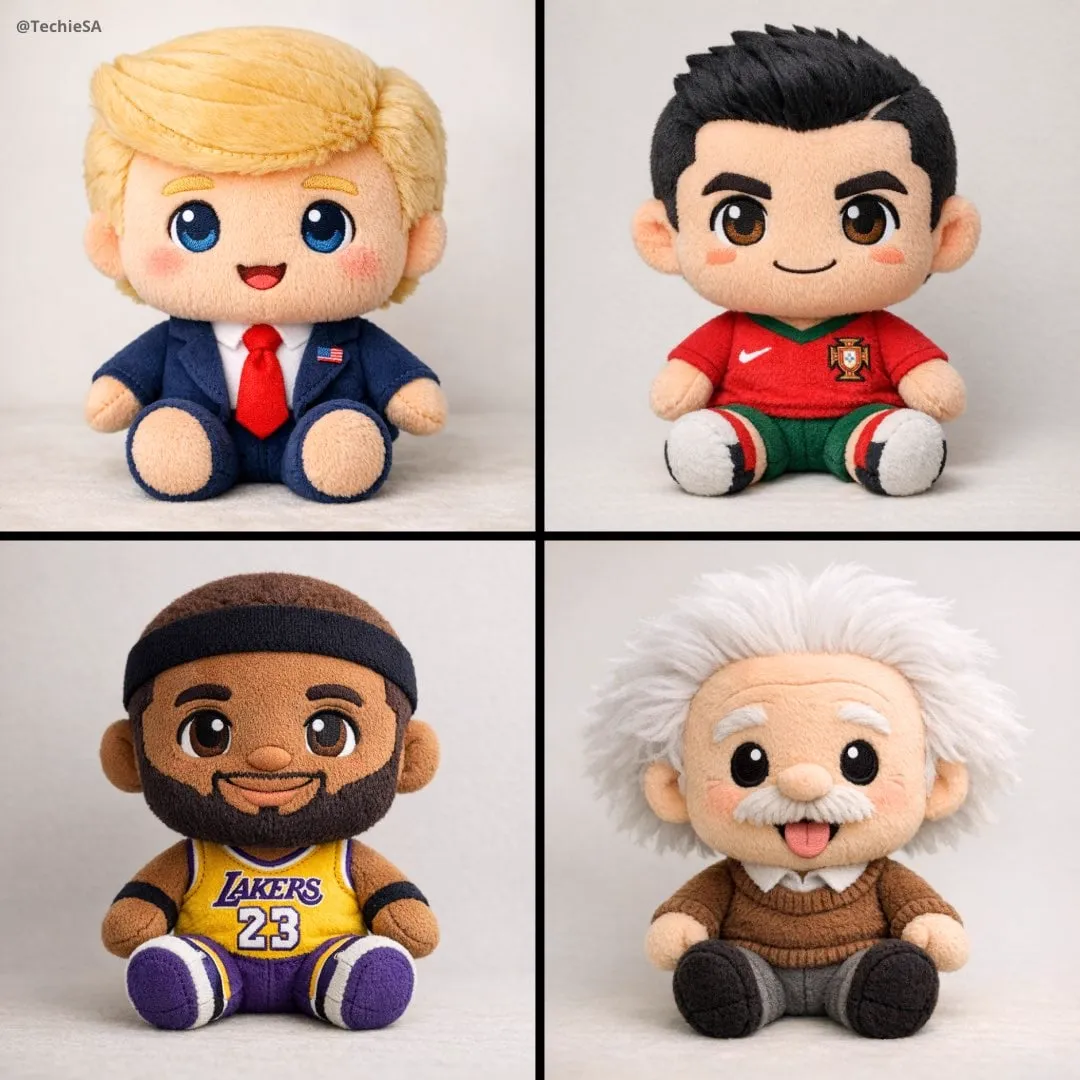
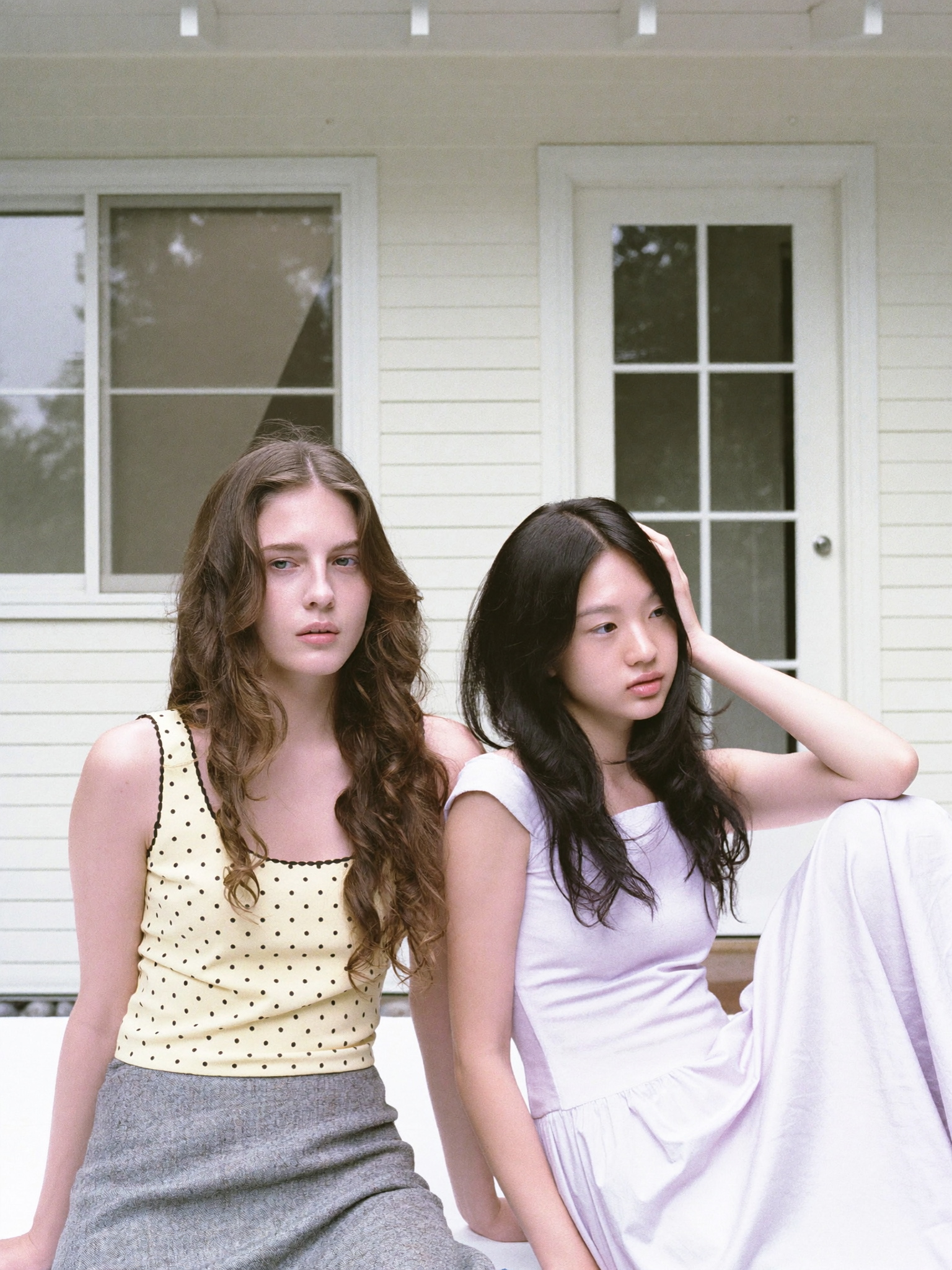
Multi-image fusion is the technique of combining several reference images into one coherent visual anchor. Instead of feeding the model a single image, you provide a set — face, body, costume, background style — and the fusion process merges them into a unified profile that subsequent generations can follow.
Think of it as building a composite identity card. The face reference establishes who the person is. The body reference establishes how they are built. The costume reference establishes what they wear. The style reference establishes the world they live in. Each shot then starts from the composite instead of from a blank slate, and the model's randomness has far less room to invent a new face.
The technique matters most when a project mixes sources: a character drawn from one illustration, a costume from another, and a photorealistic environment from a third. Fusion lets you combine those sources into a single character who reads as one person across every scene.
Fusing across different model architectures
Real projects rarely use a single generation model. A character might be established with a photorealistic render, moved to a stylized environment, and animated in a fast model for a transition shot. Each model interprets the world differently, which is exactly where fusion earns its keep.
The workflow across models is the same every time: the composite profile stays fixed, and the model is the only variable. Because the profile contains the identity — not the rendering — switching models changes the finish but not the person. A photorealistic version and an anime version of the same profile are recognizably the same character, which is precisely the effect creators want for style-shifting sequences.
The practical rule: never let a model change the profile. If a shot comes back with the character's face altered, the problem is not the model choice — it is a broken anchor. Regenerate with the reference reattached and the prompt adjusted only in the layers you want to change.
Directing a consistent series: scenes, costumes, ages
Once the profile is stable, the creative work begins: using consistency as a tool rather than a constraint.
Costume changes. When the story moves the character into a new outfit, generate a new costume reference from the same face reference. The identity layer stays, the costume layer updates, and the audience reads the change as storytelling, not as an error.
Age and condition changes. A character who ages across a series, or gets injured, needs the same approach: modify the affected layer while keeping the core identity anchored. The result is a character who evolves believably.
Emotional range. Consistency does not mean a frozen face. The same character should smile, rage, and despair across scenes — the anchor keeps the identity while the prompt drives the expression.
The discipline is to change one layer at a time. Altering the face and the costume and the environment in the same generation produces a shot where nothing looks right and nothing can be debugged. Change one thing, review, then change the next.
A production workflow for a character-driven reel series
- Write the story beats and the shot list.
- Define the character profile: visual core, costume, style.
- Generate and approve the reference set: face, body, costume, environment.
- Fuse the references into the canonical composite profile.
- Generate each shot from the composite, adjusting only motion and expression in the prompt.
- Review every shot against the profile before moving on.
- Handle deliberate changes — new costume, new scene — as explicit layer updates.
- Edit, grade, and publish, then note which references held up for the next project.
The workflow treats consistency as a production step, not a hope. Every shot is checked against the anchor, and every failure points back to a specific fix: reattach the reference, rebuild the composite, or update one layer.
Troubleshooting common consistency failures
When a character still drifts despite the workflow, the failure usually falls into one of five patterns. Each has a specific fix.
The face changes but the body is stable. The face reference is weak or missing. Fix: rebuild the face reference with a closer, better-lit image and re-fuse the profile.
The costume changes between shots. The costume layer was never anchored. Fix: create a dedicated costume reference and attach it to every generation that shows the outfit.
The style jumps from shot to shot. The rendering style was not locked in the profile. Fix: write the style definition into the profile and add a style reference image that every model must follow.
The environment drifts more than the character. The world was anchored with a prompt instead of an image. Fix: generate a master environment image and reuse it as the base of every shot in that location.
The drift appears only in fast models. Fast models trade fidelity for speed and will soften anchors. Fix: accept draft drift, but always validate the final identity on the delivery model before publishing.
The unifying rule: every failure names its own missing anchor. When you can name the layer that failed, you can fix it in minutes instead of regenerating the whole project.
Frequently asked questions
How many reference images do I need? At minimum, one clear face reference and one environment reference. For complex characters, add a full-body and a costume reference. More coverage reduces regeneration, but three or four well-made references cover most projects.
Can multi-image fusion work for non-human characters? Yes. The same technique anchors creatures, robots, vehicles, and abstract mascots. The profile layers change, but the method is identical.
What if two models interpret my reference differently? That is normal. The profile anchors the identity; each model applies its own rendering. Decide which rendering is canon for the project and accept deliberate style variation elsewhere.
How do I change a character's outfit without breaking identity? Generate a new costume reference from the existing face reference. Update only the costume layer and keep everything else fixed.
Why do my characters still drift sometimes? Check the anchors first: was the reference attached, is the composite complete, and was only one layer changed? Drift almost always traces back to a broken anchor, not to the model.
How long does it take to set up a character profile? Once you know the method, the setup takes ten to fifteen minutes: write the profile layers, generate three or four references, and fuse them into the composite. That investment pays back across every shot and every episode that uses the character.
Can I keep consistency when I switch to a completely different visual style? Yes, if the identity layers survive the switch. A character moving from photorealistic to anime keeps the face, proportions, and costume logic; only the rendering style changes. The audience reads them as the same character in a different world, which is exactly what style-shifting sequences need.
What should I do when a shot is almost right but the expression is wrong? Regenerate with the same composite and a prompt that changes only the expression — never the identity description. Keeping the anchor and moving one variable is the fastest way to an approved shot.
Character consistency is the difference between AI video that looks like a collection of pretty shots and AI video that looks like a story. It is a solvable problem, and the solution is disciplined production: define the profile, build the references, fuse them into a canonical anchor, and never let a generation change the identity by accident. Do that, and your characters — and your audience — will stay with you across every scene.
