

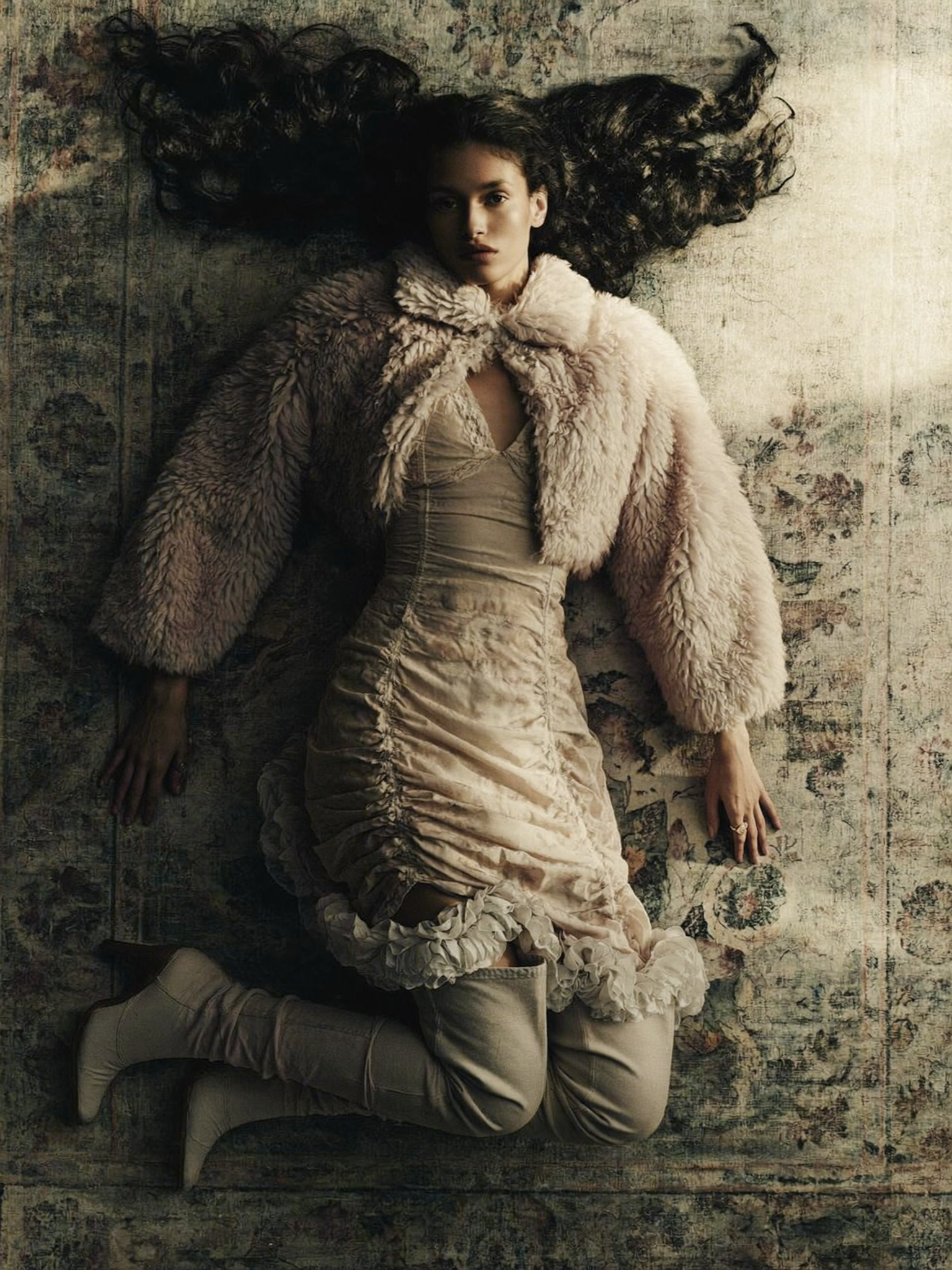
Every serious AI video producer runs into the same wall: the character who looked perfect in scene one looks like a stranger in scene five. Multi-image fusion is the technique that solves this. Instead of describing a character with words and hoping for the best, you anchor their identity with a set of reference images and let the model hold onto it across every scene. Here's how to master it.
What multi-image fusion actually does
At its core, multi-image fusion takes several images of the same subject and builds a stable visual identity from them. The model learns the face structure, hair, outfit, and key details, then applies that identity as a constraint whenever it generates a new scene. The result: the same character, in a completely different environment, still looks like the same person.
Why one reference image is not enough
A single image gives the model a starting point, not an identity. When the pose or camera angle changes, the model invents details that weren't in the original. Multiple images from different angles and expressions fill in those gaps, so the model understands the subject in three dimensions, not just as one flat picture.
Building a strong reference set
Choose quality over quantity
Three to five clean, high-resolution images beat twenty blurry ones. Each image should show something distinct: a front view, a profile, a full body shot, a specific expression.
Keep the style consistent
All references should share the same visual style. Mixing photorealism with illustration confuses the model and produces muddy results.
Cover the essentials
- Face from multiple angles
- Main outfit clearly visible
- Key accessories or markings
- At least two expressions
The practical workflow
1. Lock the identity first
Create the reference set before generating anything. Give the character a short, fixed description that will travel with every prompt.
2. Describe actions, not appearance
In your prompts, describe what happens and where, not how the character looks. The references handle appearance; repeating it in text creates conflicts.
3. Reuse the same references
Use the exact same reference set for every scene. If you switch references halfway, the identity starts drifting again.
4. Check between scenes
Review the character after each scene. Catch small errors early and fix them with a targeted reference image rather than regenerating everything.
Combining consistency with stunning scenes
Consistency is about the who; scene quality is about the where and how. To get both:
- Use a strong base image: start from a great AI image generator output so the model has solid material to work from.
- Control the camera in your prompt: describe lens, angle, and movement explicitly.
- Keep lighting language consistent: if one scene is warm and another is cold, the cuts will feel jarring.
- Use image-to-video to turn reference stills into motion while keeping the identity anchored.
Choosing the right model
Not all models handle reference-based generation equally well. For natural movement with good identity retention, Kling 2.6 is a strong option. For detailed, dynamic scenes, Seedance 2.0 is worth testing. Try the same reference set on both and compare.
Common mistakes
- Rebuilding references for every scene instead of reusing one set
- Describing appearance in prompts while references are active
- Using references in different styles
- Skipping between-scene checks until the whole project is done
Wrapping up
Multi-image fusion turns character consistency from a gamble into a process. Build a solid reference set, keep it fixed, describe actions instead of appearance, and check your work scene by scene. Pair that with a good model and careful camera language, and you can produce videos where the characters stay themselves and the scenes look stunning.
