
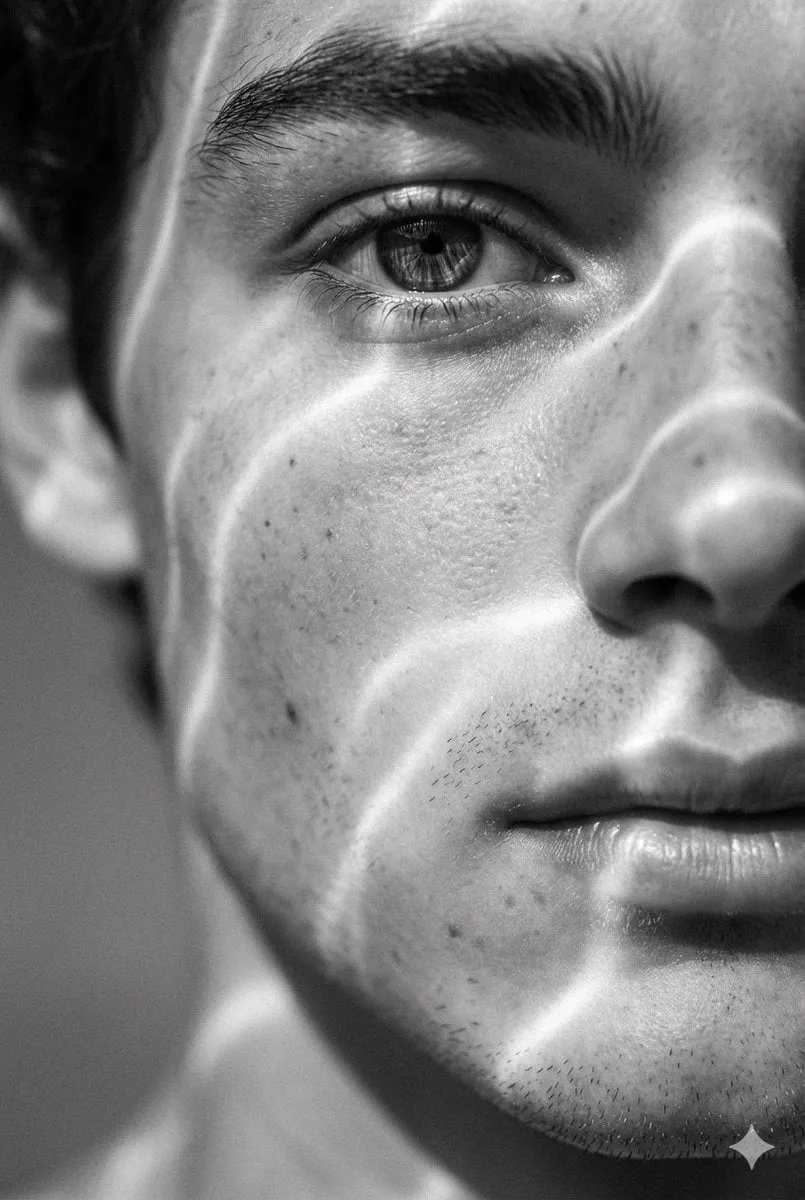

One of the most stubborn problems in AI-generated video is keeping a character recognizable from one scene to the next. The face drifts, the hairstyle changes, the outfit mysteriously swaps color between cuts. It is the classic achilles heel of generative workflows, and it is the difference between a video that feels like a film and one that feels like a glitchy slideshow.
This guide explains a practical technique to solve it: multi-image fusion, a workflow that anchors character identity using several reference images at once. You will learn how it works, how to set it up, which tools help, and the pitfalls that still trip people up.
Why characters drift in the first place
Generative models create each frame from a distribution of possibilities. When you describe a character in words, the model has no permanent memory of that character; it simply produces its most likely interpretation of the words. Run the same prompt twice, and you get two similar but different people. The words "woman with red hair" never pin down the exact shade, the exact face shape, or the exact jacket.
That is why a single text prompt cannot hold a character steady across many scenes. The solution is to give the model a concrete anchor: images. Multi-image fusion works by feeding the model several references representing the character, so every new scene is built consistently with that visual definition.
What multi-image fusion actually does
At its core, multi-image fusion blends multiple reference images into a coherent character model. Instead of saying "the detective," you provide the detective's face, body, and outfit from reference frames. The model then uses these to produce a new scene where the same person moves and interacts, keeping identity stable.
The power is in the plural. A single reference image can be overfit, meaning the model copies the exact pose or lighting rather than the character underneath. Multiple images give the model a range to derive the stable features: the face from one, the build from another, the clothing from a third. The result is a character who stays recognizable even in completely new situations.
Building your reference set
The quality of your references determines the quality of the output. Here is what a strong set contains.
A clear frontal face shot. This defines the identity. Use even lighting and a neutral expression, and make sure the face fills a good portion of the frame.
A body shot. This captures general build, posture, and proportions, so the character does not shrink or reshape across scenes.
An outfit reference. Unless costume changes are intentional, a reference of the clothing keeps colors and details consistent.
Expression and action references. A laughing frame and a running frame help the model understand how the character emotes and moves, which prevents robotic stiffness.
Do not overload the set with too many conflicting images. Five well-chosen references are better than twenty messy ones. Consistency of lighting and style across the reference set also matters a lot; a character built from wildly different styles will fight itself in every scene.
Separating identity layers for control
A powerful trick is to treat identity as separated layers rather than one blob. Separate the face from the body from the attire, and you gain fine control.
When you isolate the face layer, you can change the character's outfit and haircut between scenes without losing who they are. This is exactly how you animate the same character across a journey where clothing changes. When you isolate the body, you can place the same athlete in different environments without reshaping them. And when you isolate the attire, you can keep a costume consistent across an entire series.
Practically, this means generating and refining references per aspect, then fusing them only at the moment of generation. It takes more setup, but the payoff is a character that feels anchored rather than approximate.
Choosing tools for fusion accuracy
Different tools approach consistency differently, so choose with your project in mind. Some platforms specialize in photorealistic consistency and are great when your character needs to look believable. Others favor stylized motion and dynamic camera work, which suits animation and bold aesthetics. A third category focuses on fast iteration, ideal for testing many versions quickly.
Recommendations to try: Kling for stylized movement with good character retention, Runway Gen for polished, cinematic output with reliable identity tools, and Sora from OpenAI for short, high-mood clips when the strongest consistency is not the priority. Always test the actual output on your specific character; marketing claims matter less than results on your footage.
Managing resources and iterations
Consistency workflows are more compute-hungry than a single text prompt, because the model must process multiple references for every frame. Plan your budget and your time accordingly. Generate at a lower resolution first to validate the look, then scale up once the character feels right.
Iteration is your friend. Expect several rounds of reference refinement before the character locks in. Keep your best reference set saved so you can re-run scenes cleanly, and version your character definitions the way you would version any creative asset. This matters most if you build a series where the same character appears across many videos.
Tuning parameters that affect identity
Beyond picking references, a few generation settings have an outsized effect on whether identity holds. The strength of the reference influence is usually the most important dial: too low and the model ignores your anchors and drifts; too high and the character looks copied stiffly from the stills with no natural variation.
Seed and guidance also matter. Keeping a consistent seed where your tool allows it helps stabilize repeated generations of the same scene, and moderate guidance prevents the model from over-interpreting the prompt and abandoning your references. The exact best values vary by tool, so budget a little iteration time to find the setting where your character stays recognizable while remaining expressive.
A practical step-by-step workflow
Collect references. Gather a frontal face, a body shot, an outfit frame, and one or two expression references.
Normalize the set. Match lighting and style across references as closely as you can.
Define identity layers. Identify which features define the face, the body, and the attire for your character.
Generate a test scene. Produce one representative scene and inspect identity, not just aesthetics.
Refine. Adjust references based on what drifted. Add clarity in the face layer if the face changed; tighten the outfit reference if the costume shifted.
Lock and scale. Once the test passes, save the reference set and generate the remaining scenes at full quality.
Common pitfalls to avoid
Relying on prompts alone. Text cannot hold identity. Always use image anchors for real consistency.
Using one noisy reference. Too few references cause overfitting; too many conflicting ones cause chaos. Aim for a curated set.
Ignoring lighting mismatches. A character who changes lighting between references will not hold together when fused.
Skipping the test scene. Generating the whole project before validating costs time and budget. Always test first.
Consistency across expressions and lighting
A locked face reference only helps if the model can read it in varied conditions. When your character moves from a bright exterior to a dim interior, the model must separate the identity features from the lighting that covers them. That is why starting with varied lighting in your reference set, a couple of shots under different light, teaches the model the stable features and prevents it from copying a single glow.
The same logic applies to expressions. If every reference shows the same neutral face, the model may struggle to animate happy, angry, or surprised, producing a frozen expression in emotional scenes. Give the fusion layer at least one emotionally distinct reference so the model has a range to draw movement from.
The practicalities of a series workflow
When the same character needs to appear across many videos, thinking in terms of a reusable asset is essential. Save your final reference set as a named asset, the way you would save a font or a 3D rig. Version it whenever you make changes, and document which project each version served.
Sharing the set cleanly matters if you work with a team. A teammate who inherits a folder with ten unnamed images will produce different results than one who finds a clearly labeled, curated set. Clear naming and a brief note about the character's defining traits turn your reference set into a collaborative asset rather than a private experiment.
Blending consistency with creative freedom
Consistency is a tool, not a cage. Keeping a character recognizable does not mean generating the same pose, lighting, and background every time. The point is to hold the identity steady while the situation changes wildly.
So generate dramatic new angles, place your detective in a raining alley and then a bright courtroom, and let the fusion keep him the same man. When you separate identity layers early, you can even let the outfit evolve with the story while the face and build stay firmly anchored. This is where the workflow moves from simply preventing drift to actually enabling richer storytelling.
Packaging your workflow for reuse
Once you have a working fusion setup, turn it into a repeatable process rather than a one-off. Save a template of your steps, the reference structure, and a checklist of common drift indicators to inspect. This template lets you onboard a new character in minutes instead of re-learning everything each time.
Reuse also means reusing what failed. Keep a short log of which references and settings produced drift for each character, so future runs start from hard-won knowledge instead of trial and error. Over several projects, this library becomes a real advantage, letting you ship consistent characters faster and with fewer costly regenerations.
Frequently asked questions
Can multi-image fusion keep a character consistent across a whole series? Yes, when you lock a good reference set and reuse it. Consistency applies across scenes and across separate videos.
Does this work for real people? Techniques vary by tool and by consent and rights considerations; always work with material you have the rights to use.
Is multiple references always better? No. More images help only if they agree. A small set of consistent, high-quality references beats a large set of conflicting ones.
What if the face still drifts? Strengthen the face layer with a clearer, more frontal reference and minimize creative variation in the prompt.
How many scenes should I generate before locking a character? One to three representative test scenes are usually enough to catch drift before committing to the full project.
Can I mix different tools for identity and for motion? Yes, workflows commonly produce a character frame in one tool and animate it in another. Just keep the reference set consistent between them.
When consistency matters less
Honestly, not every project needs heavy consistency investment. A single one-off clip, a stylized piece where the character metamorphoses on purpose, or a rapid brainstorm of ideas are all cases where a lightweight approach is smarter than a full fusion setup.
Match the effort to the goal. Save the full multi-image fusion workflow for projects where a recognizable character is the point and a drift would break the story. For everything else, a single good reference and an editorial editor's eye are enough. Knowing when to skip the heavy tools keeps your process fast and your budget sensible.
The discipline comes down to a simple habit: before you start a project, decide explicitly whether consistency is required. If it is, invest in references and settings up front, because retrofitting consistency to finished scenes is far more expensive than building it in from the start. A little planning at the beginning saves most of the friction that drives people away from the technique.
Final thoughts
Consistent characters transform AI video from a curiosity into a production tool. Multi-image fusion gives you a practical, repeatable way to anchor identity across scenes, so your story stays believable, your brand stays recognizable, and your audience stays engaged. Invest in a strong reference set, separate your identity layers, test before you scale, and reuse your locked references across your whole project. With this workflow, from prompt to premiere, your characters finally stay who they are.
