

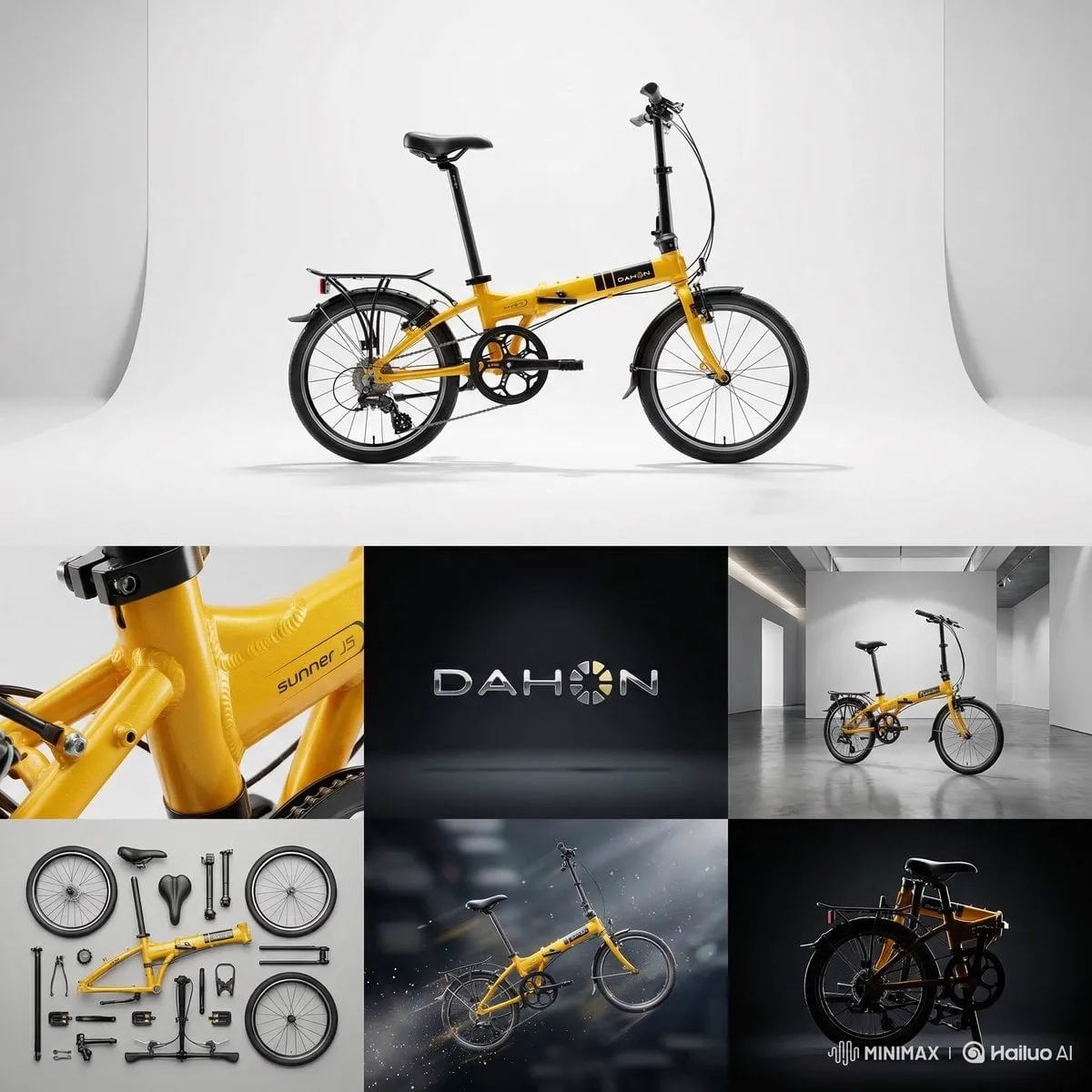
Introduction: The Copyright Problem in AI Video
Digital content teams have a love-hate relationship with generative AI. On one hand, AI video tools have made it possible to produce marketing clips, social ads, and brand films in hours instead of weeks. On the other hand, the legal uncertainty around AI-generated content has made many companies hesitant to use it commercially. Questions like "who owns this video?" and "was the training data legally obtained?" can stop an entire campaign in its tracks.
This guide is about removing that hesitation. We will walk through what copyright risk actually looks like in AI video production, how to choose tools and workflows that keep your campaigns safe, and how to build ad-friendly content that does not put your brand at legal risk. The goal is practical: by the end, you should be able to brief a team, pick a tool, and produce ad content with a clear understanding of what you can and cannot do.
Why Copyright Became a Bottleneck in Advertising
Copyright problems have shadowed the digital content industry for decades, but generative AI has made the boundaries fuzzier. When a model is trained on billions of images and videos scraped from the internet, it is genuinely difficult to know what influenced a particular output. A brand that accidentally produces an ad resembling a copyrighted character or a celebrity likeness faces real legal exposure.
Industry data shows that AI-related copyright disputes have risen sharply since 2024. For marketers, this creates a practical problem: the demand for hyper-personalized, short-form video content is growing faster than the legal review process can handle. Traditional clearance procedures, built for human-made assets with clear provenance, simply do not scale to AI pipelines that produce hundreds of variations per day.
The response from serious platforms has been to build safety into the product layer: licensed training data, clear commercial terms, audit trails, and content provenance tools. As a marketer, your job is to verify that the platform you choose actually provides these protections, rather than assuming they exist.
The Core Rules of Using AI Video in Commercial Campaigns
Before diving into workflow, let us set down the rules that apply to almost every jurisdiction and platform:
- Read the terms of service for commercial use. Free tiers frequently prohibit commercial use; a paid or business plan is often required.
- Confirm who owns the output. Most commercial platforms assign output rights to the user, but the details matter, especially for client work.
- Check training data transparency. Platforms that disclose their data sources and licensing practices carry lower risk.
- Do not generate or reuse recognizable people, logos, or protected characters without permission. This includes voice, likeness, and trademarked visual elements.
- Keep records. Save prompts, generation timestamps, and license terms so you can prove the provenance of every asset.
- Tell your client or employer. If you are producing assets for someone else, disclose that they are AI-generated and confirm they accept the associated terms.
These rules are not legal advice, but they are a sensible baseline. When in doubt, have a lawyer review the platform terms before a large campaign.
Choosing a Copyright-Safe AI Video Platform
Not all AI video tools are created equal from a legal standpoint. When you evaluate a platform, ask these questions:
- Does the platform state that commercial use is allowed on the plan you are considering?
- Does it publish information about its training data and licensing?
- Does it offer commercial indemnification or a clear liability framework?
- Does it provide metadata or provenance features that record how an asset was created?
- Can you export your generated assets with their usage rights intact?
Platforms that integrate with established infrastructure such as secure cloud storage and transparent payment systems tend to have clearer audit trails, which matters if you ever need to prove where an asset came from. A platform that treats provenance as a first-class feature is a better long-term partner than one that treats it as an afterthought.
Keeping Your Brand Consistent: The Multi-Image Fusion Approach
One of the biggest quality problems in AI video is inconsistency. In a single ad, a character's face, clothing, or even the product packaging can change between scenes. For advertising, this is not just a cosmetic issue. Inconsistent branding erodes trust, and a brand asset that changes appearance mid-video is useless for a professional campaign.
The solution used by serious teams is reference-image control, sometimes called multi-image fusion. You feed the model several reference images: the product, the character, the logo, the color palette. The model then keeps these elements stable across scenes. This is the difference between "generate a random woman holding our product" and "generate our brand ambassador, as approved by the client, holding our product in the approved colors."
When evaluating tools, test this specifically. Generate a scene, change the camera angle, and see whether the subject stays recognizable. Tools that nail this one capability will save your team dozens of regeneration cycles on every project.
Building an Ad-Safe Workflow in Six Steps
A repeatable workflow is the best defense against both legal risk and creative chaos. Here is a structure that works for teams of one or teams of twenty.
Step 1: Define the Asset Brief
Write down what the asset must communicate, the target platform, the length, the tone, and any brand elements that must appear. Also write down what must not appear: competitors, real people, protected characters, unlicensed music.
Step 2: Set Up Safe Asset Management
Create a folder structure for reference images, approved logos, and style guides. Name files clearly and record which versions the client approved. This becomes your provenance trail.
Step 3: Generate with Reference Control
Use a tool that supports reference images. Start with short test clips to validate character consistency, then scale up to full scenes. Keep every prompt and every generation log.
Step 4: Review for Residue
Check every frame for unintended elements: logos, faces, text, or brand marks that were not in your brief. This review step is non-negotiable for ad work. A single frame with a recognizable competitor logo can kill a campaign.
Step 5: Add Metadata and Export
Record the model, prompt, date, and license tier for every asset. Export in the format required by your ad platform. If your tool supports embedded provenance metadata, enable it.
Step 6: Document and Archive
Keep the asset, its metadata, and the license terms in an archive you can retrieve later. If a dispute ever arises, this archive is your evidence.
Automated Consistency: Tone, Style, and Storyboard
Beyond visual consistency, ad campaigns need narrative and tonal consistency. A luxury brand ad and a meme-style social clip require completely different direction. This is where an AI director-style assistant becomes useful: a system that takes your brief, generates a storyboard, and enforces a consistent tone across shots.
In practice, this means you describe the narrative arc, the emotional tone, and the pacing, and the assistant proposes scene-by-scene prompts that stay on-brief. You review and approve before any heavy generation happens. This reduces the "prompt drift" that happens when different team members write their own prompts with slightly different interpretations of the brand voice.
Metadata and Provenance: Your Legal Safety Net
Automatic metadata is one of the most underrated features in AI content production. When a tool records the model version, the input references, the prompt, and the timestamp for every asset, it gives you a defensible record of how the content was made.
This matters for two reasons. First, if a client or platform asks where an asset came from, you can answer precisely. Second, if a claim is made against your content, you can show exactly what inputs produced it. Teams that treat provenance as boring paperwork regret it only when they need it and do not have it.
Practical Tips for Ad-Friendly AI Content
- Use short, punchy scenes. Ad attention spans are measured in seconds. Generate for impact, not for runtime.
- Keep text overlays minimal. AI models often render garbled text; add captions in editing instead.
- Test at multiple aspect ratios. Vertical for Reels and Shorts, square for feeds, 16:9 for pre-roll.
- Maintain one hero asset per campaign. Anchor every variation to the same approved reference images.
- Build a feedback loop. Save the prompts that worked and the ones that failed. Over time you will have a house style library.
Common Mistakes That Create Risk
- Assuming free-tier outputs are commercially usable. They often are not.
- Skipping the review step. AI can generate convincing but unauthorized content; a human review gate is essential.
- Using celebrity likenesses or protected characters "for fun." There is no de minimis exception for ads.
- Losing track of prompts. Without records, you cannot prove provenance.
- Ignoring platform term changes. Terms change; periodically re-check the license you rely on.
Frequently Asked Questions
Can I use AI-generated video in paid advertising?
Yes, if the tool's terms allow commercial use and you follow the platform's ad policies. Confirm both before launching.
Who owns the copyright of an AI-generated video?
It depends on the tool and jurisdiction. Most commercial tools grant you rights to the output, but always read the terms. Some jurisdictions treat AI output differently from human-authored work.
Do I need to disclose that my ad is AI-generated?
It depends on the platform and local regulations. Many ad platforms now require disclosure for certain categories. When in doubt, disclose.
What should I do if my generated video accidentally includes a copyrighted element?
Stop using it immediately, document the issue, and replace the asset. Do not publish or continue distributing it.
Is it safer to generate content from my own images?
Generally yes, because you control the input. Using your own product shots, your own team members, and your own locations reduces the risk of unintended resemblance.
Real-World Scenarios: Three Campaign Archetypes
Different campaigns need different risk profiles. Here is how the safe workflow adapts to three common archetypes.
Product Hero Ads
A single hero product, one key message, clean backgrounds. The risk here is packaging and logo distortion. Use reference images of the actual product from multiple angles, keep backgrounds simple, and review every frame for garbled text or altered logos. Generate at least three variations of the hook and test them before committing.
UGC-Style Social Ads
User-generated-content style ads are popular because they feel authentic. The risk is using real people or locations without permission. If your UGC-style ad features a person, use a licensed stock model or your own team member, and be explicit in the brief that no real identifiable individuals should be generated. Keep the tone casual, but keep the legal process rigorous.
Brand Films and Launch Campaigns
Longer, more emotional content requires character consistency across many scenes. Use a reference pack with the brand character, the palette, and the key props. Because the stakes are higher, add an extra review pass with the client before final generation. Document every approved version so the final archive matches what the client signed off on.
Working with Clients and Agencies
If you produce AI content for clients, build the copyright checks into the contract, not the delivery email. Specify in writing that assets are AI-generated, which tool and license tier was used, and what rights the client receives. Attach a simple asset log listing each file, its prompt, and its license reference.
This protects you twice. If a client later complains about an asset, you can show exactly what was produced and under what terms. If a client's own platform flags the content, you have the provenance to respond quickly. The few minutes spent writing this documentation at the start of a project save hours of dispute resolution later.
Building a House Prompt Library
The fastest way to improve both quality and safety is a reusable prompt library. Every time a campaign performs well, archive the winning prompts, the reference images, and the negative instructions that kept the output clean. Every time an output fails review, archive the reason.
Over time, this library becomes your institutional memory. New team members do not start from zero; they start from your best work. And because every entry includes its usage notes, the library also becomes part of your compliance record.
Conclusion
Copyright risk does not have to stop you from using AI video in advertising. The teams that succeed treat it as a workflow problem, not a mystery: they choose platforms with clear commercial terms, use reference control to keep branding consistent, review every frame, and document everything.
The payoff is real. With a safe, repeatable pipeline, a small team can produce campaign-grade video at a fraction of the traditional cost, iterate on variations quickly, and respond to platform trends in days instead of months. Start with one small campaign, build the review and documentation habits, and scale from there.
