
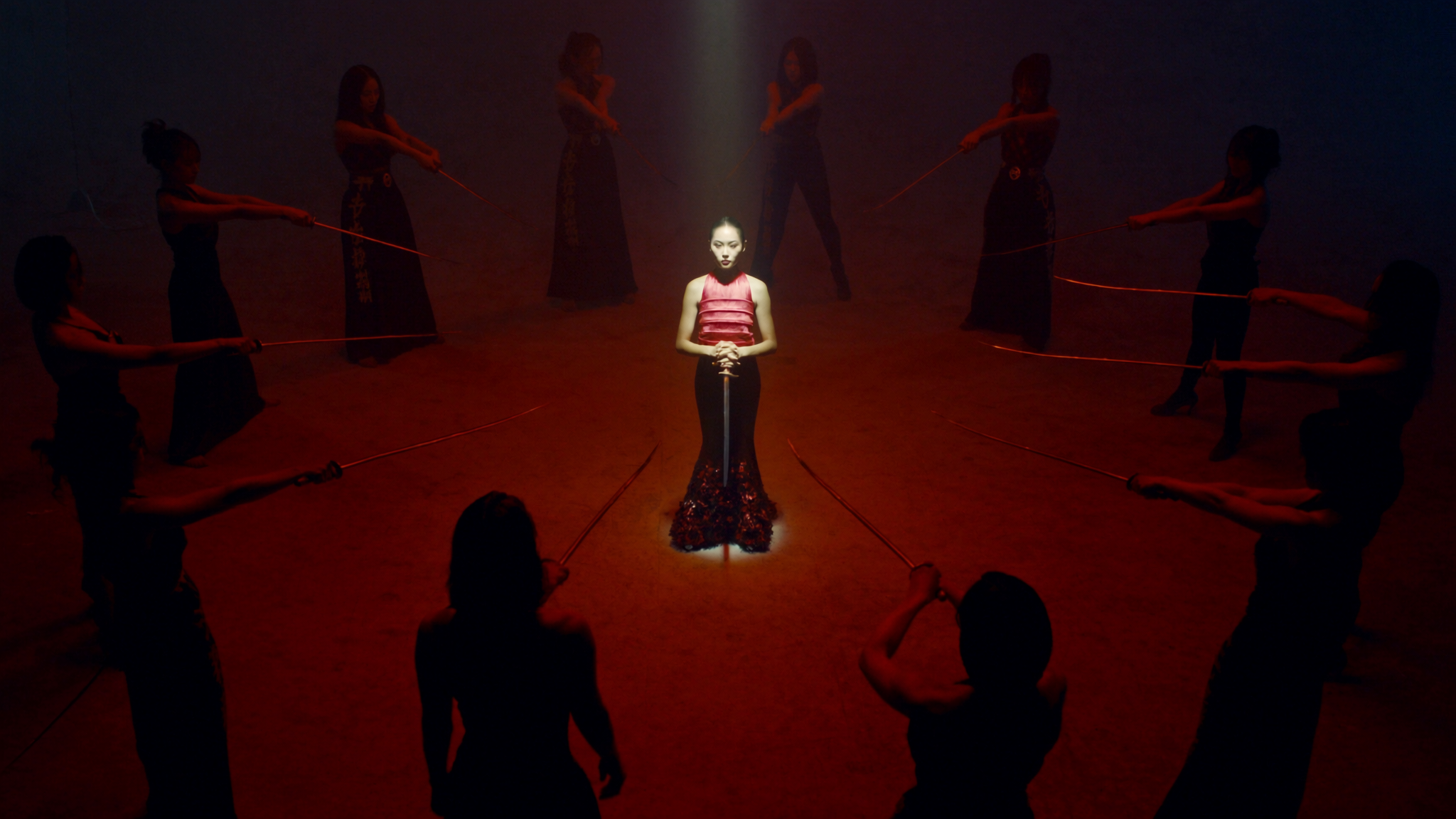
Introduction: from plain text to a visual masterpiece
Writing prompts that turn text into striking video is part science and part craft. In the age of multimodal AI, the ability to describe a scene, a character, a mood, and a camera movement in precise language has become one of the most valuable creative skills. The result you get is only as good as the words you give the model.
Everyday English prompts have produced a wave of generic content. The way to stand out is to write prompts with intention: structure, detail, and clarity. This article is a practical guide to crafting effective video prompts. You will learn the core principles, the anatomy of a good prompt, techniques for evoking a cinematic style, and ready-to-use templates you can apply to your own projects. The examples work with most text-to-video tools, and you can adapt the vocabulary to your platform of choice.
The core principles of prompt engineering for video
A video model needs more than a noun. To generate a scene that respects your intention, you must communicate several layers of meaning in a compact form. Four principles guide everything that follows.
First, be concrete. Abstract words like "nice" or "good" carry no visual information. Replace them with precise descriptors: "soft golden light," "desaturated palette," "slow dolly-in."
Second, prioritize. A prompt has limited effective length. Place the most important element first and keep the essential attributes close to it. The model weights the opening words more heavily.
Third, separate concerns. Group camera, lighting, subject, and style into distinct clauses so the model can parse each one. Jumbled instructions blur the result.
Fourth, iterate. The first output is rarely final. Refine based on what you see, adjust one variable at a time, and build a personal library of prompts that reliably work.
The anatomy of an effective prompt
A strong video prompt typically contains a few building blocks. The subject is the anchor: who or what is in frame. The action describes what is happening. The setting locates the scene in a place and time. The lighting sets the mood and visibility. The camera defines angle, distance, and movement. Finally, the style captures the overall aesthetic — photorealism, animation, vintage film, and so on.
Arranging these elements in a logical order helps the model form a coherent mental picture. Opening with the subject and action grounds the scene, while style and camera add the finishing touches. You can think of it as giving a director a shot list rather than a wish.
Naming an artistic style precisely
Style is where many prompts fall short. Instead of a vague "artistic," name a concrete reference: "35mm film still," "cinematic color grade," "soft focus, shallow depth of field," "hand-drawn watercolor," "neon cyberpunk palette." These phrases carry recognizable visual conventions that the model has seen in training. The more specific your style vocabulary, the more reliably you reproduce the aesthetic you want.
It also helps to combine a style with an emotional tone. Words like "eerie," "nostalgic," "joyful," or "suspenseful" color the scene's atmosphere, influencing not just the look but the mood conveyed to the viewer.
Optimizing for specific video models
Different video models respond to different prompt conventions. Some favor long, narrative descriptions; others work better with short, keyword-heavy prompts. Some respond well to specifying aspect ratio and camera movement; others infer these from context.
A practical approach is to study the documentation and examples of the tool you use, then adapt your vocabulary accordingly. What works on one platform may need changes on another. Building familiarity with a model's quirks is part of mastering the craft.
Prompt templates for cinematic realism
Cinematic realism is the most widely requested style, and it benefits from specific vocabulary. Anchoring the prompt in film grammar — lens, depth of field, art direction — pushes the output toward a believable, movie-like look.
Example template:
"Slow tracking shot of a vintage car driving along a coastal road at dusk. Warm orange light, long shadows, shallow depth of field, 35mm film grain, cinematic color grade, photorealistic."
Notice the order: camera movement first, then subject, then setting, then lighting and style. Each clause contributes one dimension, and the whole reads as a coherent shot.
To strengthen continuity across clips of the same character, include consistent descriptors and, where possible, reference images. The more stable your vocabulary, the more consistent your scenes will be.
Prompt templates for commercial and marketing content
Marketing videos need to showcase a product clearly and attractively. The prompt should emphasize clarity, lighting, and presentation while supporting the brand's aesthetic.
Example template:
"Studio product shot of a modern smartwatch floating at an angle, clean gradient background in brand blue, soft key light with subtle reflections, sleek minimalist composition, high detail, hyper-realistic."
For conversions and variety, generate multiple product angles and backgrounds, then test which visual resonates with your audience. Consistency in lighting and branding across variants keeps the series cohesive.
Prompt templates for artistic and entertainment content
Artistic content rewards expressive, imaginative vocabulary. Here the goal is originality rather than realism, so you can push styles further and mix unexpected references.
Example template:
"Dreamlike animated scene of a paper boat sailing on a river of stars, swirling ink textures, surreal hand-painted style, soft pastel palette, gentle zoom toward a distant lighthouse, whimsical atmosphere."
For entertainment, think about character appeal and a strong opening hook. A distinctive visual can be the reason viewers subscribe, so invest in a style that belongs to your channel.
Integrating prompts with an AI director tool
Many platforms now bundle a director or planning assistant that can take a high-level idea and help you produce the prompt set for a scene, ensure style consistency across a project, and even assemble shot lists. Combining manual prompt craft with such guidance gives you both speed and control.
The director can remind you to respect continuity, apply the same color grade, and structure your scenes narratively. But the creative voice still comes from you: the specific subject, mood, and story are yours to define. Technology is the instrument; you are the composer.
Common prompt-writing mistakes
Being too vague
Abstract words produce generic videos. Replace them with concrete visual descriptors.
Overloading the prompt
Too many conflicting instructions confuse the model. Prioritize and keep clauses coherent.
Ignoring camera and lighting
These carry much of the mood. Omitting them yields flat, uninteresting scenes.
Copying prompts without understanding
Adapt templates to your idea rather than cloning them. The result should reflect your story.
Giving up after one try
Iteration is essential. The second or third attempt is often the breakthrough.
Frequently asked questions
How long should a video prompt be? Long enough to specify the key elements, short enough to stay clear. One to three sentences usually works; prioritize and avoid clutter.
Do all models need the same prompt style? No. Different tools interpret language differently. Read each model's guidance and adjust your vocabulary.
Can I use a single prompt for a whole series? You can reuse a base template and vary the subject and scene. Keep the style and lighting identifiers consistent for continuity.
Why do my videos look generic? Likely because the prompt lacks specific style, camera, and lighting details. Add film grammar and a distinctive aesthetic.
How do I improve my prompts over time? Treat prompt writing as an experiment. Log what works, note the model, and build a reusable library.
Building a prompt workflow that scales
Producing one great video is one thing; producing a steady series is another. The creators who sustain quality treat prompt writing as a workflow, not a series of one-off guesses. They build templates, keep a library of proven phrases, and iterate systematically until the output matches their vision.
A useful habit is to maintain a prompt journal: for every successful scene, record the exact prompt, the model used, the settings, and what worked. Over time this becomes a personalized playbook that makes future projects faster and more consistent. You stop rediscovering solutions and start refining them.
When you work across many scenes, define a common style block that stays constant, and vary only the subject and action. This keeps the series visually cohesive while still allowing creative range. The result is a workflow that is both disciplined and expressive.
Troubleshooting when the output misses the mark
Sometimes a prompt simply does not produce what you imagined. Before giving up, work through the likely causes. Is the subject ambiguous? Add a more concrete noun and a distinguishing adjective. Is the style unclear? Name a reference explicitly and describe the lighting and lens. Is the camera distracting? Simplify the movement or remove it until the subject reads clearly.
Another common issue is a conflict between instructions. If you ask for both a dreamy soft-focus look and sharp photorealistic details, the model may struggle. Separate conflicting goals into different versions, test each, and choose the one that best serves the scene.
Finally, remember that some outcomes are inherent to the model's temperament. Part of mastering the craft is learning which ideas translate well into a given tool and which need adjustment. The more you test, the better your instincts become about what will succeed before you even press generate.
A short checklist before you generate
- Have I named the subject and its action clearly?
- Have I placed the scene in a specific time and place?
- Have I defined the lighting and how it shapes the mood?
- Have I described the camera angle or movement if it matters?
- Have I named a style or aesthetic rather than saying "artistic"?
- Is the tone of the scene, such as calm or dramatic, explicit?
- Have I separated the key attributes so nothing conflicts?
Running through this checklist before generating saves iterations and leads to more intentional results.
Taking style from good to memorable
Once your prompts produce clean, coherent scenes, the next ambition is distinctiveness. Memorable video has a voice of its own, and that voice often comes from a recognizable style. Rather than copying the most popular aesthetic, push toward something singular: a particular color treatment, an unexpected camera language, or a recurring motif.
Start by collecting references that move you, and translate them into a set of reusable descriptors. Analyze what makes a style identifiable, then rebuild it in your own words. Over time, you will develop a signature look that viewers associate with you before they even see the title. That is when prompt engineering becomes personal branding.
The ethics of naming your outputs
As your skills grow, keep integrity in mind. If you create content for commercial or editorial purposes, be transparent about the role of AI in its production where honesty is expected. Respect the intellectual property of styles you reference, and avoid passing off derivative work as wholly original without acknowledgment. Working responsibly protects your reputation and builds a foundation of trust with your audience, especially as audiences grow more aware of AI-generated media.
Practice makes the instinct
There is no substitute for regular practice. The more scenes you generate, the faster you recognize what a model will do with a given phrase and the better you can steer it. Schedule small prompt challenges for yourself, revisit old prompts and refine them, and keep pushing your vocabulary. Skill built through repetition turns prompt engineering into a fluent second language.
Conclusion
Going from plain text to an impressive video clip is a skill you can train. The core is writing prompts with structure, specificity, and style-awareness: a clear subject and action, a defined setting and lighting, an intentional camera, and a named aesthetic. Templates give you a strong starting point, but your creative direction is what makes the result yours.
Start with one template, adapt it to a real idea, and iterate until the output matches your vision. Build a library of prompts that work reliably for your style and your tools. As video generation continues to improve, the creators who excel will be those who can tell the machine exactly what they imagine. Mastering the prompt is the surest way to turn your ideas into memorable visuals.
