


![A hand-carved wooden miniature figure of [NAME], shaped with visible knife...](https://storage.brightvectorlabs.com/prompts/bright/illustration-and-3d/2017886103781490917-0.webp)
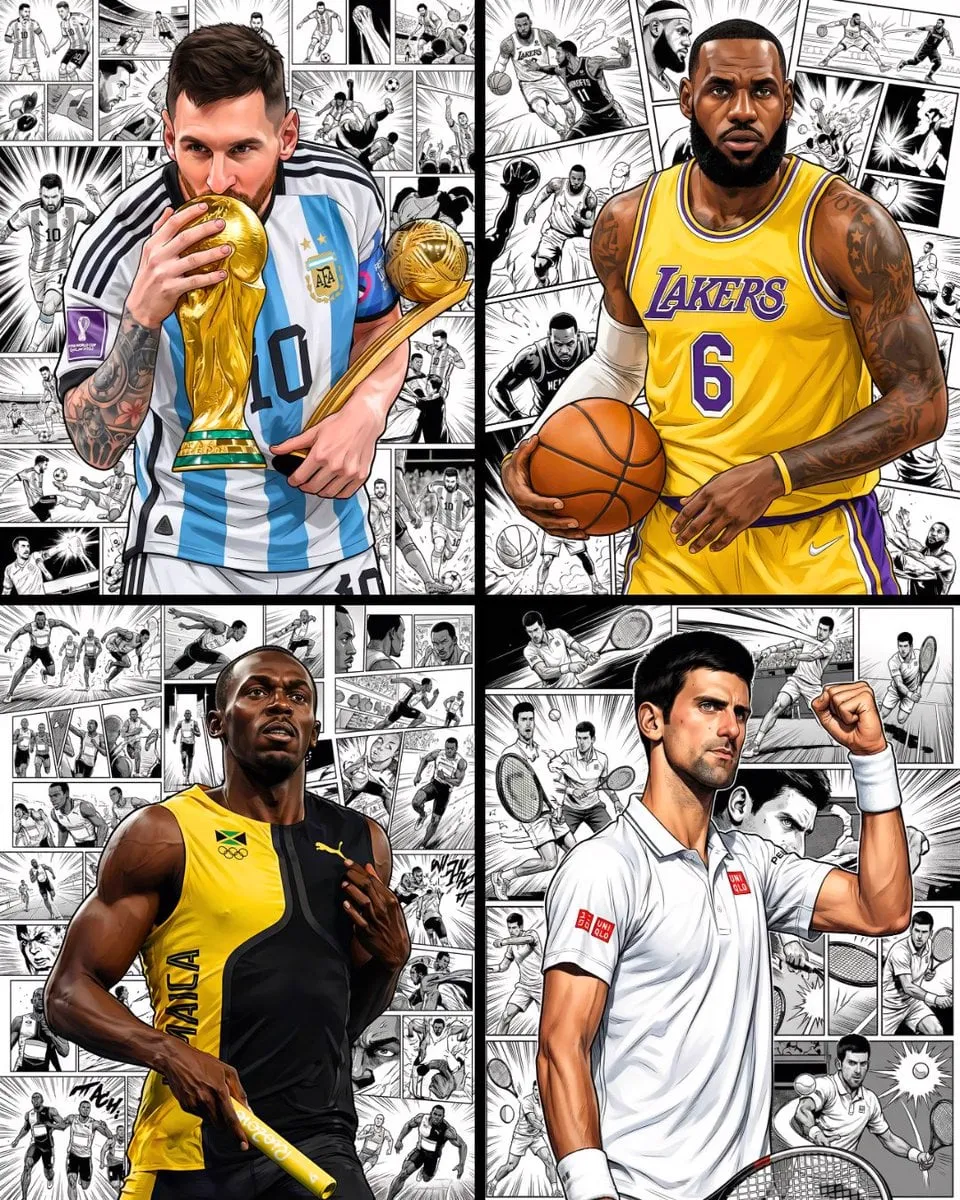
Video has become the language of modern marketing, and making it well is no longer optional for brands that want to be seen. Consumers increasingly expect moving, engaging content, and social platforms now prioritise short-form video, which puts real pressure on teams to produce quality material consistently and quickly. Generative AI has changed this landscape in a fundamental way: it gives small teams and independent creators the ability to make brand-worthy videos at a fraction of the traditional cost and time. This guide walks through how to create great marketing videos for your brand using AI, from understanding the technology and choosing models to crafting a repeatable workflow that protects your identity and produces results.
Why AI marketing video matters now
The case for investing in video has never been stronger. Across industries, surveys consistently find that video takes the largest share of marketing budgets and delivers some of the strongest engagement. Audiences remember moving content better than static text or images, and video is central to the way people discover and evaluate brands online.
Yet producing enough quality video has always been the bottleneck. Traditional production is expensive and slow, so brands had to ration it. Generative AI changes the calculus by lowering the cost of iteration. A team can test several visual directions for a campaign in a morning, respond quickly to trends and publish regularly without waiting on a studio. That combination of speed, volume and control is exactly what competitive modern marketing demands.
There is also a creative argument. The latest AI video models bring cinematic quality and a genuine grasp of narrative to the table. For many formats, the output is indistinguishable from conventionally produced content and dramatically cheaper. The advantage is not just efficiency; it is the ability to explore more ideas and choose the best among them.
Understanding the technology behind AI video
A reliable AI video pipeline rests on a solid technical foundation. When a platform generates a video, a backend coordinates many moving parts: your prompt, selected model, resource allocation across graphics processing units, and quality refinement. Modular architecture, often built on frameworks like NestJS with TypeScript, keeps the system stable and scalable so thousands of requests can be handled at once.
Understanding a little of this architecture helps you use the tools better. It explains why results can vary, why some operations are slower or cheaper than others and how features like image generation, text-to-video, image-to-video and video-to-video fit together. Modern platforms support all of these, and knowing which capability suits which need lets you pick the right mode for every part of a project.
Behind the architecture sits the model library. A broad library matters because different tasks need different engines. Cinematic brand spots call for premium models, while social drafts and quick proofs benefit from fast, lightweight options. The most effective users treat the library as a toolbox and route each task to the appropriate tool.
Gaining creative control with powerful models
The models are the creative engine, and choosing wisely is central to brand expression. Premium cinematic engines, such as the Flux family, Runway's generations and the Sora series, deliver the polish and coherence hero shots need. They are where you invest when the look defines the campaign.
Specialised and efficient models, many with strengths in movement and regional aesthetics, offer excellent value for a wide range of everyday content. Lightweight community models complete the picture for drafts and rapid iteration. The strategy is to do the structural work cheaply and spend the budget only where the final quality genuinely matters.
Creative control also comes from how you prompt and what you supply as reference. A strong brief and good reference images give the model the guidance it needs. Detailed prompts about scene, subject, camera, lighting and mood resolve ambiguity, while reference assets carry the consistency that makes a campaign feel like one brand across every asset.
Using an AI director to achieve professional direction
One of the most useful ideas in modern AI video is the notion of an AI director: an agent that plans shots, sequences scenes and keeps the narrative coherent. Instead of prompting every clip in isolation, you hand the director the script or concept, and it orchestrates the production, deciding what to generate and when.
This approach improves both quality and speed. Because the director respects the story and the visual language of the project, scenes feel connected rather than random. It also makes the process more repeatable, which is vital when a brand must produce on a regular cadence. With a director in place, the human role gravitates toward the creative vision and final review rather than the repetitive mechanics of prompting.
The director becomes especially valuable for narrative work where a single figure appears in multiple scenes. By managing shared references and keyframes, it preserves the character's faces and the product's look, so the campaign reads as one piece of work rather than a collage.
Advanced storytelling with multi-image fusion
Consistency is the hardest problem in AI video, and multi-image fusion is one of the best solutions. This technique combines several reference images into a single, coherent visual anchor that the model carries through the generation. As a result, a character or product stays recognisable across scenes without being re-described in words every time.
Keyframe control complements this. By pinning specific frames in the output, you guarantee that the opening and closing states of a shot match your intent while the model fills in movement between them. Together these techniques allow you to build longer narratives with multiple elements while keeping the world stable.
For brand marketing this is decisive. Products must look identical in every asset, logos must be legible and colours consistent. Multi-image fusion gives you the mechanism to enforce that, turning an impressive single scene into a dependable, on-brand library of materials.
Choosing the right models for marketing video
Different marketing objectives call for different tools. For a high-impact launch spot or brand hero, spend on the premium cinematic models and invest in good references. For product explainers and social cuts, efficient specialised engines often deliver more than enough quality at a lower cost. For storytelling with recurring characters, favour platforms strong at image fusion and keyframe control. For multilingual campaigns, prioritise models with reliable language handling plus automated voiceover and subtitles.
Whatever mix you choose, keep the process open. The landscape changes quickly, and today's leaders will be replaced. Build your workflow around well-defined steps, reusable references and quality gates rather than around one vendor, so that switching tools is a matter of configuration rather than reinvention.
Building a repeatable, on-brand workflow
A dependable workflow makes quality repeatable and protects the brand. The core of it is a consistent set of assets and rules. Build a brand kit containing your palette, typography, logo treatment and reference images, and reuse it in every project. Define how captions, colours and imagery should appear, so that anything produced fits the identity.
Use a staged process. Start with a clear brief, then generate drafts and key frames to validate composition and pacing. Review early, fix issues while everything is cheap, and only then render the approved versions at high quality. Log the model, settings and outcome of each successful shot so you can reproduce a proven look later.
Finally, involve human review at the right moments. AI accelerates production but should not run unchecked. A human eye on narrative, brand fit and regulatory concerns is essential, especially when real people or identifiable products are involved. Transparency about synthetic content is increasingly important, so build labelling into your process where appropriate.
Practical tips for better branded results
Write prompts that carry your brand voice whenever it matters. Instead of generic descriptions, describe the mood of your brand and the specific scene with enough detail to remove guesswork. Include camera and lighting direction, and state the format and aspect ratio so output fits the target platform.
Keep references close. Every element that must stay consistent — product, mascot, spokesperson, location — should have reference images in your brand kit. Use them in every relevant scene, and let the fusion and keyframe tools do the stabilising work.
Personalise sound and captions. Music sets the tone and captions decide whether anyone listens at all, so treat them as design elements. Auto-captions can be style-matched to your brand, improving both accessibility and performance.
Frequently asked questions
How much does the audience care about AI-generated content?
Mostly they care about quality and authenticity. Use AI to communicate clearly and on-brand, be transparent where required, and ensure the final product serves your message rather than showing off the technology.
Which types of marketing video benefit most from AI?
Explanations, product teasers, social short-form, internal communications and multilingual localisation all benefit strongly. For large-scale photoreal footage of real people, careful reference management and review still matter.
How do I keep my product looking the same in every asset?
Keep a reference image of the product in your brand kit and reuse it across all scenes, using multi-image fusion and keyframe control to hold the appearance steady.
Should I be transparent that a video was AI-made?
Where it is legally required or where authenticity matters, yes. Transparency builds trust and protects the brand, especially when content is photorealistic or involves real people.
Closing thoughts
Creating great marketing videos for your brand with AI is now a realistic and cost-effective capability for teams of any size. The combination that works is a clear brief, strong reusable references, smart routing of tasks to the right models and disciplined attention to consistency, sound and brand identity. Start with one campaign asset, run it through a repeatable workflow and learn from the results. Over time, producing polished, on-brand video on demand becomes a standard layer of your marketing operation rather than a special project.
Building a reusable brand kit that scales with you
The fastest way to make every campaign consistent is to invest in a brand kit before the first prompt. Collect the essential anchors: your palette, the type treatments you use for headings and captions, any logo variations that should appear on screen and reference images of products, mascots and recurring locations. Structure the kit so a team member or an automated pipeline can find the right anchor for any scene without hunting through folders.
Keep the kit versioned and current. When a campaign introduces a new visual element, add it to the kit rather than leaving it in a project folder. When you adopt a stronger reference image, replace the old canonical one and update any project that still points at it. A living brand kit turns consistency from an aspiration into a default, and its value compounds across every asset you ship.
Measuring what matters in your video pipeline
Good creative work benefits from honest measurement. Track the metrics that reflect your goals: time-on-video, completion rates, drop-off points and how often content is watched with sound on. These numbers tell you whether the pacing, captions and message are landing, or whether something in the workflow needs adjustment.
Also measure the production side. Keep a rough record of how long each asset took, which models you used and what the iterations cost. This visibility helps you spot waste, decide when a premium model is worth the spend and estimate confidently for future projects. What gets measured becomes manageable, and that discipline applies to both the creative and the operations side of marketing video.
Frequently asked questions
How quickly can I start producing brand video with AI?
You can create your first useful asset within a single working session once you have a brief and a small reference set. Reaching a repeatable, on-brand level takes a few projects, which is exactly why a structured kit and workflow pay off fast.
Do I need a designer or technical specialist on the team?
Not necessarily. Model libraries and director-style agents simplify the technical side, but a creative eye for briefs and references still helps. Many small teams produce strong results with one person handling strategy, prompting and review.
Should I fear losing brand uniqueness when everyone uses AI?
Only if you rely on generic prompts. Uniqueness comes from your references, style kit and the creative decisions you make, not from the model. The more opinionated your kit and briefs, the more distinctive the output.
What about legal and ethical considerations for synthetic content?
Stay current with platform rules and local requirements around synthetic media, and be transparent where appropriate, especially for photorealistic content or imagery of real people. Build labelling and rights checks into your workflow.
Final reflection
Creating great marketing videos for your brand with AI is less about chasing the newest model and more about building a disciplined practice. A clear brief, a reusable brand kit, smart routing of tasks to the right engines and consistent attention to sound, captions and brand identity produce reliable, on-brand results. Start with one campaign asset, run the whole workflow, and let each project sharpen your kit and your judgment. The tools will keep evolving, but the approach you build today will keep serving your brand long after the current generation of models has been replaced.
