


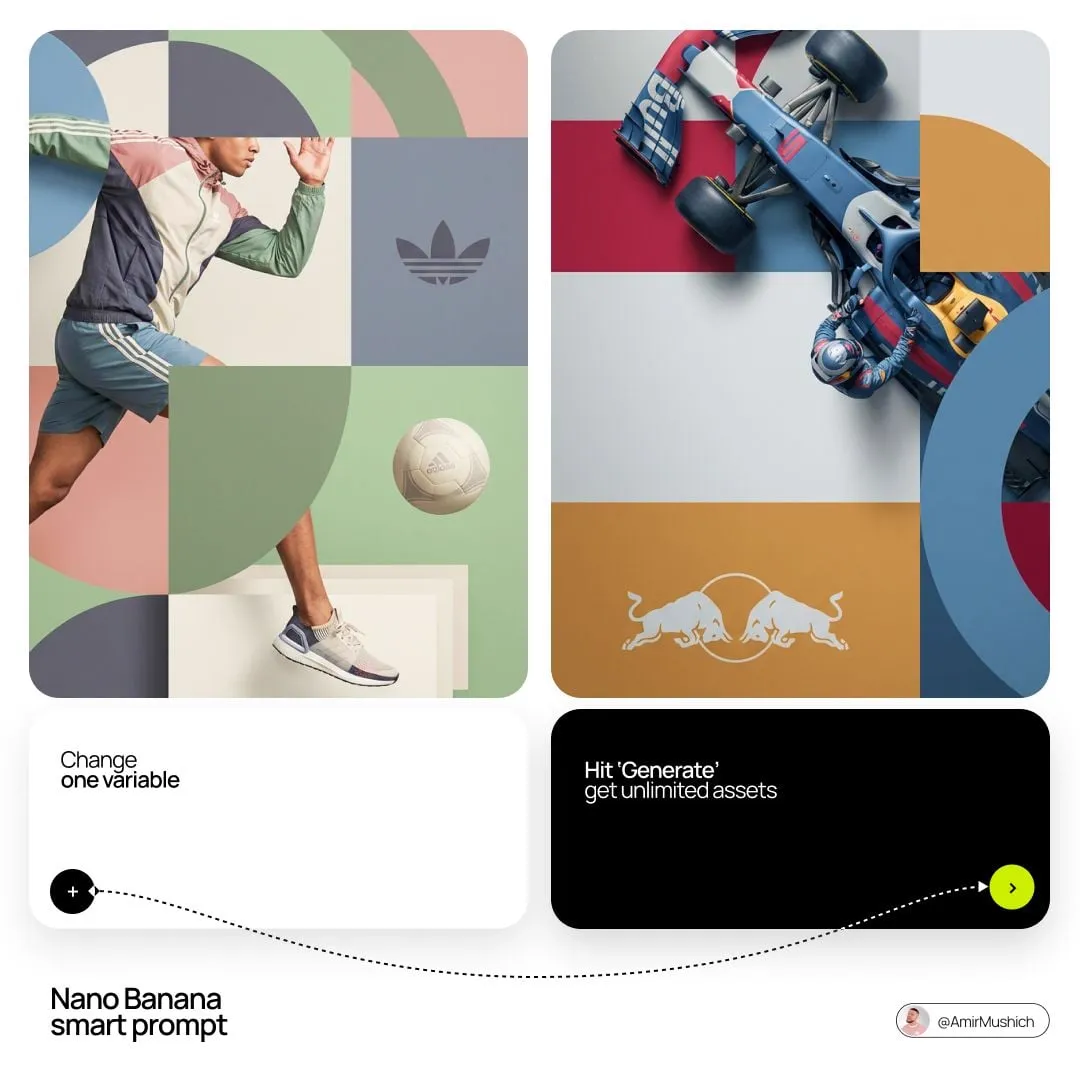
Instagram has become a video-first platform, and short-form video is no longer an option for brands and creators: it is the main way audiences discover, evaluate, and remember you. Reels dominate the feed, and the competition for attention in the first seconds of every clip is fierce. The creators who win are not necessarily the ones with the biggest budgets; they are the ones who combine a clear understanding of the algorithm with a production workflow that lets them publish consistently.
This guide is a practical playbook for making engaging Instagram videos with AI tools. You will learn how to choose the right generation model for each style, how to keep characters and scenes consistent across clips, how to edit for rhythm and retention, and how to build a scalable pipeline that turns ideas into published Reels on a regular schedule.
Why Short-Form Video Rules Instagram
The platform has repeatedly confirmed that Reels are its primary growth format. The feed prioritizes them, the Explore page surfaces them, and the algorithm rewards videos that keep people watching. For creators, this means one thing: your growth strategy lives or dies by your short-form video output.
The economics are also compelling. A single well-performing Reel can reach far more people than a dozen static posts, because video gets more distribution per unit of engagement. Instagram's algorithm weighs watch time, replays, saves, and shares heavily, and video is the format that naturally generates all four signals.
This is why production speed matters. The more consistently you publish, the more chances you give the algorithm to find your audience. And AI tools are the lever that lets solo creators and small teams produce at a volume that used to require a full production crew.
What the Algorithm Actually Rewards
Before you create anything, understand the scoring model you are playing against.
Watch time and completion
The single most important signal is how long people watch. Videos that are watched to the end, and rewatched, get disproportionate distribution. Every editing decision you make should serve retention: keep clips tight, keep information flowing, and put the payoff at the end that rewards people for staying.
Early engagement
The first hour after publishing carries outsized weight. Likes, comments, shares, and saves in that window tell the algorithm whether to push your video to a wider audience. Plan your caption, your first comment, and your story repost before you publish, not after.
Saves and shares
Saves signal that your content has lasting value, and Instagram rewards that signal aggressively. Tutorials, lists, and actionable tips are save magnets. If your video teaches something, add a visual cue inviting people to save it.
Consistency of niche
The algorithm needs to know who you are for. Publishing wildly different topics confuses it and depresses reach. Stay inside a recognizable niche, even as you vary formats and styles.
Choosing the Right AI Tool for Each Style
The AI video landscape offers a wide range of models, each with strengths. The mistake most beginners make is treating them all as interchangeable and picking one for everything.
For cinematic, photorealistic scenes, look for models known for realism and prompt fidelity, such as Runway or Flux-based image pipelines feeding video generation. For stylized, animated, or fantasy content, models like Kling and PixVerse offer strong stylization and creative control. For fast, high-volume output, models like Pika and MiniMax's Hailuo are efficient choices. For open customization, Hunyuan Video gives you deep control if you have the technical setup for it.
The practical approach is a small arsenal: one premium model for hero clips, one stylized model for creative variety, and one fast model for drafts and volume. Assign each shot to the model that suits it, instead of forcing everything through a single tool.
Building a Visual Identity That Survives Across Clips
A feed of disconnected videos, each with different colors and styles, looks amateur even when the individual clips are beautiful. A feed with a consistent visual identity builds trust and recognition. This consistency is not an accident; it is designed in advance.
Define your look
Choose a palette, a lighting style, and a treatment before you start generating. Do you want bright and airy, moody and contrasty, or saturated and bold? Write the look down, and include it in every prompt. Your reference images should all share this visual DNA.
Lock your recurring characters
If your content features a recurring character, whether a host, a mascot, or an illustrated avatar, build a reference set for that character and reuse it in every clip. Consistency of identity is what turns a one-off video into a recognizable series, and series are what audiences follow.
Use brand templates
Standardize the parts that do not need AI: the opening text card, the lower-third captions, the end screen, the caption format. These templates give your feed a professional frame, and they let the AI-generated content inside shine without looking chaotic.
From Still to Motion: Generating Clips That Flow
The most reliable workflow for Instagram videos is not to generate a full video in one shot; it is to generate reference stills first, then turn them into motion.
Step 1: Generate the key frames
For each scene of your Reel, generate a still image that defines the composition, the character, the lighting, and the mood. This is cheap, fast, and gives you total control over the look before any expensive video generation happens.
Step 2: Animate the key frames
Use the approved stills as references to generate short video clips. Because the model has a clear visual anchor, the motion will stay true to your design, and the character will not drift between scenes.
Step 3: Assemble in an editor
Bring the clips into your editing tool, cut them to the rhythm of the audio, add captions, and layer the transitions. The edit is where the video becomes a Reel: pacing, sound design, and text are what make it feel native to Instagram.
Editing for Rhythm and Retention
The difference between a video that is watched and a video that is skipped is almost always pacing.
Cut to the beat
Edit your cuts to the beat of the music or the cadence of the voiceover. Cutting on the beat creates a subconscious sense of energy that keeps people watching. This is the most reliable retention technique in short-form video.
Vary shot length
A video where every shot is the same length feels monotonous. Mix quick cuts for energy with slightly longer shots for important moments. The variation gives the video a rhythm that feels intentional.
Front-load the payoff
Show something interesting in the first second: the result, the transformation, the unexpected moment. Then spend the rest of the video explaining how you got there. This inverted structure is the standard for high-retention Reels for a reason: it works.
Caption everything
Most Instagram users watch without sound at least some of the time. Automatic captions are the baseline; add them to every video. Manual text for key phrases also helps retention and makes the content more scannable.
Sound, Voice, and the Audio Layer
Instagram is an audio platform, and the audio choice is part of the creative decision, not an afterthought.
Trending audio with restraint
Trending audio gives you a distribution boost while the trend is hot, but it also places you in a saturated pool. Use trending audio when it genuinely fits your content, and rely on original or niche audio when you want to stand out and build identity.
Voiceover as a differentiator
A clear, personal voiceover is one of the strongest differentiators left on the platform. AI voice tools can produce high-quality narration quickly, and a consistent voice becomes part of your brand recognition. Write the script first, then match the visuals to the spoken words.
The silent-friendly version
Design your video to work with sound off: strong visuals, on-screen text, and clear storytelling through images. The sound-on version is a bonus, not a requirement.
Building a Scalable Content Pipeline
Consistency beats intensity. Publishing three solid Reels a week beats publishing ten in one week and then disappearing for a month. A pipeline is what makes consistency possible without burnout.
Batch the ideation
Set aside one block of time to generate twenty or thirty video ideas. Keep a running list of hooks, formats, and topics that fit your niche. The list is your raw material, and it prevents the daily "what do I post" panic.
Batch the generation
When you have a batch of ideas, generate the reference stills and clips for all of them in a few focused sessions. The models are the same, your prompts improve as you go, and you avoid the overhead of starting fresh every day.
Batch the editing
Edit the batch in one or two sessions, applying the same templates and captions. Publishing then becomes a simple scheduling task: queue the finished videos and let them go out on your posting cadence.
Review and learn
Once a week, look at the numbers: watch time, completion rate, saves, and shares per video. Identify the pattern of your winners and feed it back into the next batch of ideas. The pipeline compounds because each cycle learns from the last.
Measuring What Matters
Instagram provides analytics that tell you exactly how the algorithm treated each video. Ignore vanity metrics and focus on the signals that predict growth.
Watch time percentage is your retention score; it tells you whether your hook and pacing worked. Saves are your value score; they predict long-term reach. Shares are your virality score; they bring new audiences in. Follower growth from a specific video tells you which content brings people who stay, which is more valuable than reach from content that people forget.
Compare videos against each other within the same niche, not against your entire account. A video with a high save rate but average views is a signal to make more of that format; a video with high views but a terrible completion rate is a hook that overpromised.
FAQ
How many Reels should I publish per week?
Three is a solid minimum for most accounts; five is better if you can sustain it without sacrificing quality. The exact number matters less than consistency. Choose a cadence you can keep for months.
Do I need expensive AI tools to start?
No. Start with one good text-to-image model and one good text-to-video model, plus the editing tool you already know. Upgrade and add models as your workflow stabilizes and your content demands more variety.
How do I make AI content feel authentic?
Use AI for the visuals and keep the voice, the story, and the perspective human. Audiences respond to personality, not to technical perfection. A video with a real opinion and a distinctive voice beats a technically perfect video with nothing to say.
What if my niche is not visual?
Almost every niche has a visual angle: education can use diagrams and scenes, finance can use data visualizations, wellness can use environments and motion. The AI workflow described here applies to any niche once you find its visual language.
How long should a Reel be?
Between twenty and sixty seconds is the sweet spot for most accounts. Long enough to deliver value, short enough to hold attention. Test different lengths and let your retention data decide.
The Roadmap
Start this week. Define your look and your character references. Pick your three-model arsenal. Write your first batch of ten hooks. Generate the stills, animate the clips, and edit them into three finished Reels with captions and a clear call to action. Publish them, then watch the retention data and feed it into the next batch. The creators who win on Instagram are not the ones with the most talent or the biggest budget; they are the ones who build a system and run it consistently. AI gives you the production capacity; the system is what turns that capacity into growth.
