
The demand for short, engaging video content has never been higher. Social platforms increasingly reward regular posting, and both brands and individual creators feel the pressure to keep a steady stream of Reels flowing. The traditional barrier has always been production: designing graphics, animating scenes, and keeping everything consistent takes time, money, and specialized skills that many small teams simply do not have.
The good news is that the standard for what is possible has shifted. With the right combination of text-based generation and lightweight editing, a single person can produce consistent, polished Reels without a dedicated graphics department. This guide explains how, covering the essential tools, the prompts that work, and the workflow that keeps quality high while output stays fast.
The Real Cost of the Old Way
For years, producing quality short video meant building a stack of expensive bottlenecks. You needed an editor who understood pacing, a designer who could create on-brand graphics, and often a motion artist to animate them. Each handoff added delay and each revision multiplied cost. For a solo creator or a small business, this made a consistent posting schedule nearly impossible to sustain.
There is also the skill gap. Designing good motion graphics is genuinely hard, and learning to do it takes months. Even then, producing fresh animated content for every post is exhausting. The result is that many creators either post irregularly or fall back on repetitive, low-effort templates that viewers tune out.
Hardware enters the picture too. Real-time rendering and heavy video software demand capable machines, an expense that is not always justified by the content being produced. Simplifying the production stack removes that pressure as well.
The practical consequence is a mismatch between the market's demand for volume and most creators' actual capacity. Resolving that mismatch is what today's generation-first tooling is built to do.
What Actually Replaces the Graphics Team
Modern short-form production leans on a few capabilities that together substitute for a design department.
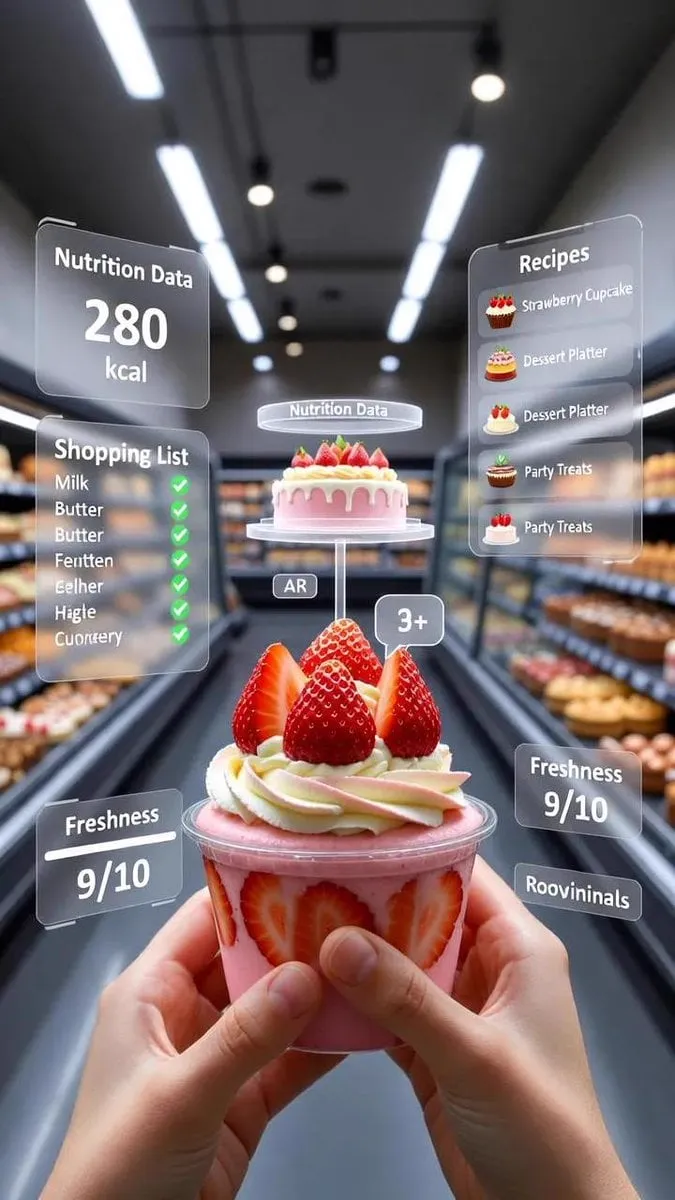
Text-to-visual generation lets you describe the scene you want, and the tool produces a visual. This removes the need to manually design every background, icon, or animated element.
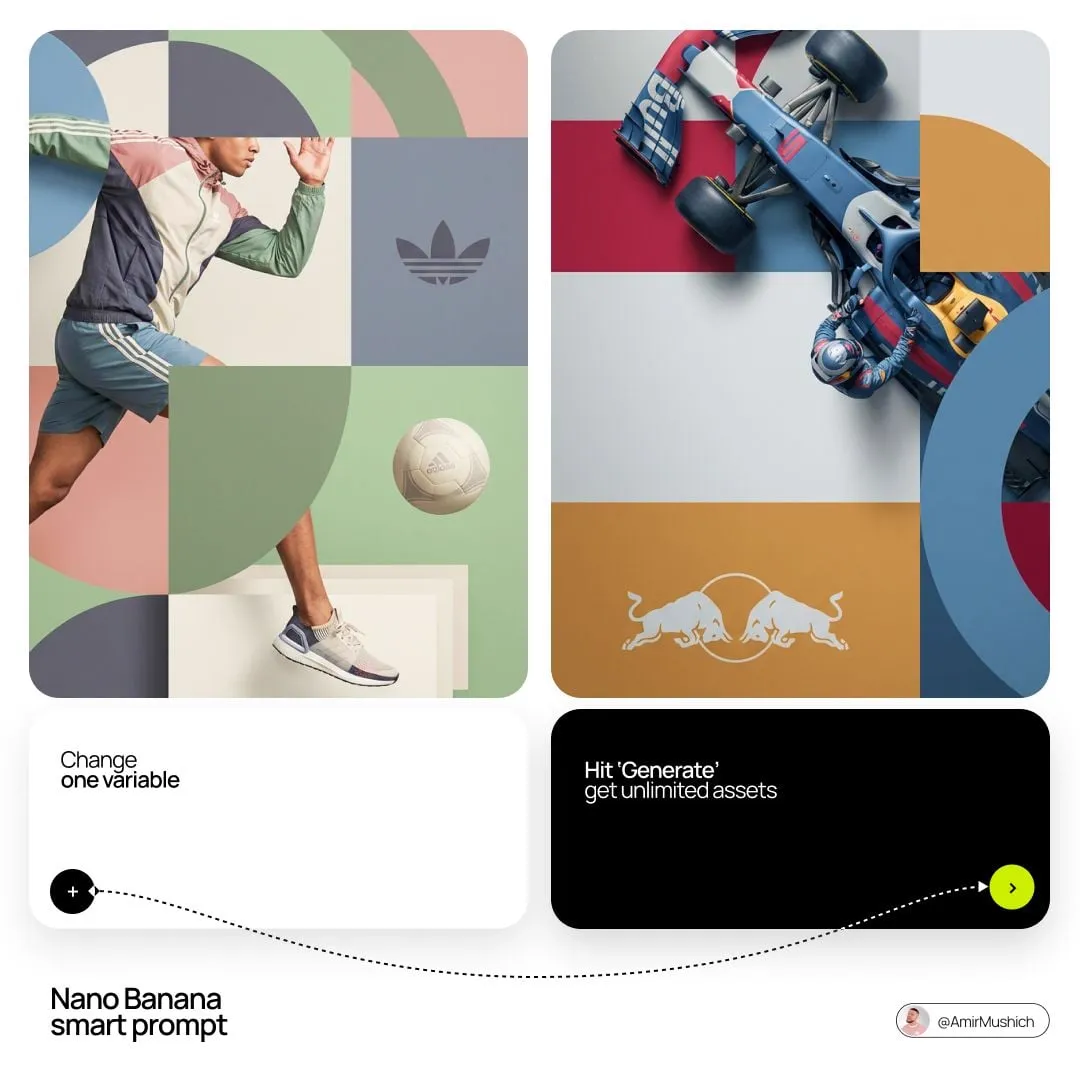
Prompt-controlled style gives you a consistent visual identity. By reusing the same style descriptors or reference images across posts, you get on-brand output without a designer redrawing anything each time.
Automated scene assembly handles a large share of the layout and sequence work, letting you combine generated pieces into a finished Reel rather than hand-animating each layer.
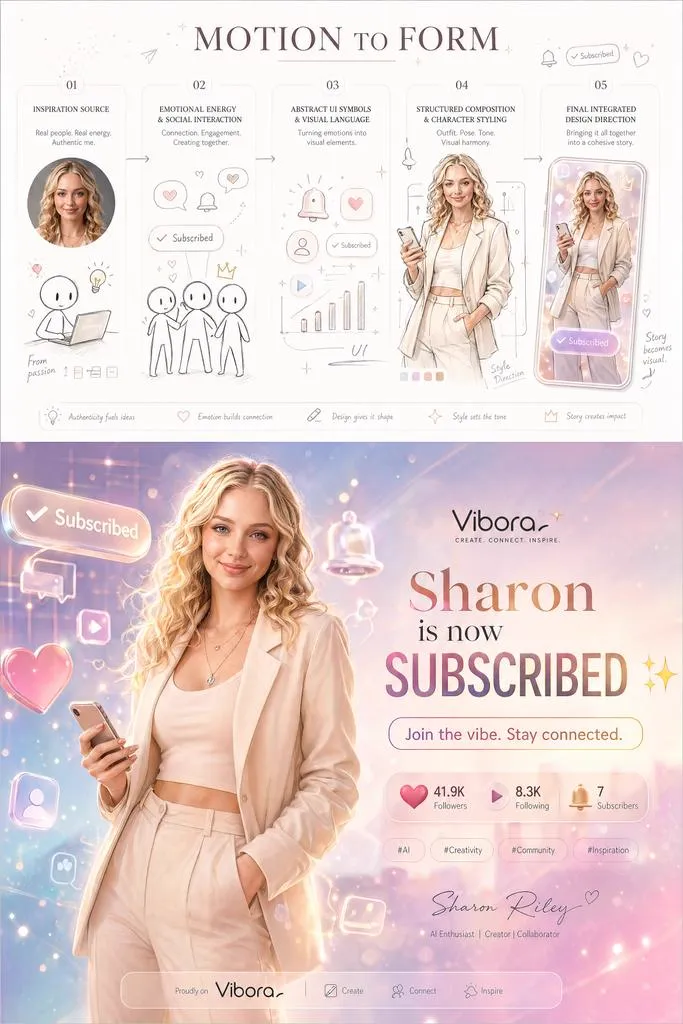
The key shift is from a design workflow to a briefing workflow. Instead of drawing, you write. Instead of animating by hand, you instruct a system to generate motion. Your skill moves from craft to direction, which is much easier to scale with repetition.
Getting Consistent Style Without a Designer
Consistency is what separates a channel that looks professional from one that looks random. You can build consistency with a few simple habits.
Define a style in words. Write a short, reusable style statement covering color palette, mood, typography feel, and imagery style. Something like "clean, bright, friendly, modern, soft shadows, bold rounded text" is enough to start. Use that same statement in every generation.
Lock reference visuals. Where possible, feed the tool a reference image of your brand colors or prior posts so new content matches what you have already published.
Limit your palette and fonts. A disciplined, small set of colors and typefaces reads as intentional design, even when the animation itself is simple.
Reuse building blocks. Templates for intro, lower thirds, and outro, when reused consistently, create a recognizable pattern viewers come to expect.
None of this requires design school. It requires discipline: making choices once and sticking to them across posts.
Writing Prompts That Produce Good Reels
Since you are briefing rather than drawing, prompt quality has an outsized impact on output quality. Good prompts for short-form video tend to share a few traits.
Be specific about subject and mood. Name what is in the shot and the feeling you want, rather than vague praise like "cool video."
Describe the composition. Mention where the subject sits, background feel, and whether focus is tight or wide. More spatial detail yields more controlled output.
Clarify motion and timing. Say whether you want a slow push, a quick zoom, looping motion, or a static backdrop, matching the energy of the narration or music.
Reference style explicitly. Reuse your style statement so the tool maintains brand consistency without you restating everything fresh each time.
Think of the prompt as a precise director's note: what is on screen, in what mood, moving how, in whose style. The more precisely you can write that, the closer the result lands.
A One-Person Production Workflow
Here is a repeatable pipeline that turns a topic into a finished Reel, designed to fit a single creator's day.
Plan a batch. Instead of one video at a time, decide a batch of topics in one sitting. Batching decisions saves the switching cost that kills solo productivity.
Write scripts and briefs. For each Reel, write a short script and a one-line visual brief describing the style and key scenes.
Generate visuals in bulk. Use the same style statement for the whole batch so everything matches, then generate the needed pieces for all posts at once.
Assemble with a lightweight editor. Combine scenes, add text overlays, and drop in music on a timeline. Modern editors make this simple without deep animation skill.
Add captions and finalize. Captions dramatically improve short-form performance and are often auto-generatable. Check them, then export.
Schedule and review. Publish, then note what resonated. Feed those learnings back into the next batch's briefs.
This rhythm, prepare once and produce many, is how solo creators keep up a professional-looking pace.
Choosing Tools for a Lean Setup
You do not need a bloated stack. Most creators succeed with a small, well-chosen set of tools.
An all-in-one content platform that combines generation, editing, and assembly reduces the number of systems you manage. It is the fastest path for someone starting out or who wants speed above control.
A dedicated short-form editor pairs well with generation tools: you bring in the generated clips and quickly assemble, caption, and export in a format tuned for vertical video.
For text and graphics that animate, a motion-template editor gives you polished lower thirds and transitions without animating from scratch.
The guiding principle is to favor fewer, integrated tools over many separate ones. Every handoff between tools is friction, and friction is what beats solo creators.
Keeping Output Fast Without Sacrificing Quality
Speed and quality are not opposites once you break the work into reusable pieces.
Standardize templates. The structural decisions, sizes, and overlay positions, are made once, not redesigned for every post.
Reuse and refresh. A successful format can be refreshed with new content and a changed opening rather than rebuilt from zero.
Set timeboxes. Decide how long each step may take and honor it. Perfectionism is the enemy of a consistent schedule.
Measure what resonates. Double down on the formats and moods that perform instead of spreading effort thin across everything.
The point is to make improvement iterative: ship, learn, refine the template, ship again, rather than trying to perfect one Reel over many hours.
Common Mistakes to Avoid
Inconsistent style. Switching looks between posts erodes the professional feel. Commit to a style and hold it.
Overlooking captions. A huge share of short-form views happen with sound off. Missing or untimed captions lose audiences.
Generating everything from scratch each time. Not reusing templates and style references makes your output slow and inconsistent.
Ignoring the first seconds. The opening determines watch-through. Lead with the payoff or a clear hook.
Skipping the batch. Making decisions one video at a time exhausts you. Plan in batches to protect energy and consistency.
Frequently Asked Questions
Can I really replace a designer with prompts? For the majority of short-form content, yes. You trade hands-on design for directed generation, and consistency comes from disciplined style use rather than manual redrawing.
Do I need a powerful computer? Usually not. Modern generation happens largely in the cloud, and lightweight editing runs on modest hardware.
How do I keep my posts from looking generic? Inject your own style, humor, and format choices. Tools set the floor; your creative direction sets the ceiling.
Is it worth learning animation software too? Not necessarily. Start without it and add specialized tools only when a specific format demands more than your current stack provides.
How fast is realistic? After setup, a single creator can often produce a batch of several Reels in a focused session. The key is preparation and template reuse.
Wrapping Up
Short-form video used to gatekeep creators behind design and animation skills that few possess. Today, the barrier has moved from craft to direction: those who can articulate a clear style, write precise briefs, and build simple reusable templates can produce consistent, professional-looking Reels alone. By batching work, standardizing style, and favoring integrated tools, you can turn a demanding posting schedule into a sustainable, repeatable workflow.
Start lean. Pick one integrated tool, define a short style statement, and produce a small batch to test your setup. Then refine and repeat. The graphics department you used to think you needed can stay a figment of the past while your posting cadence does the talking.
