
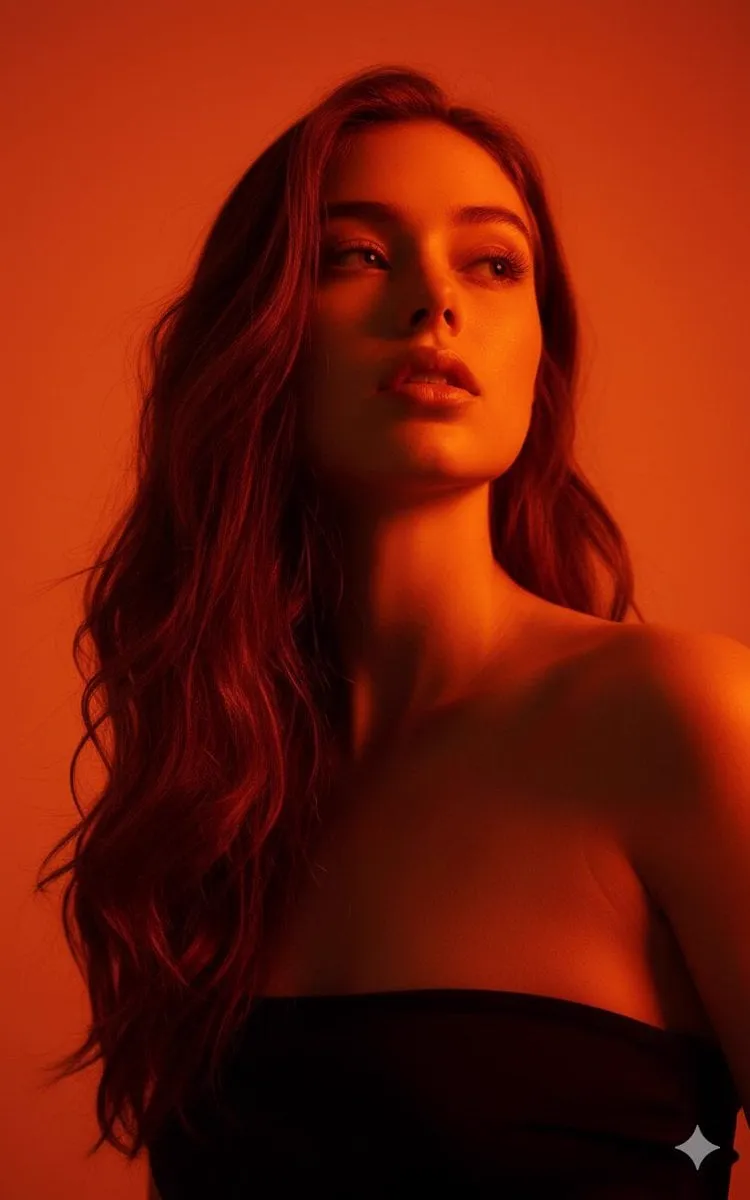
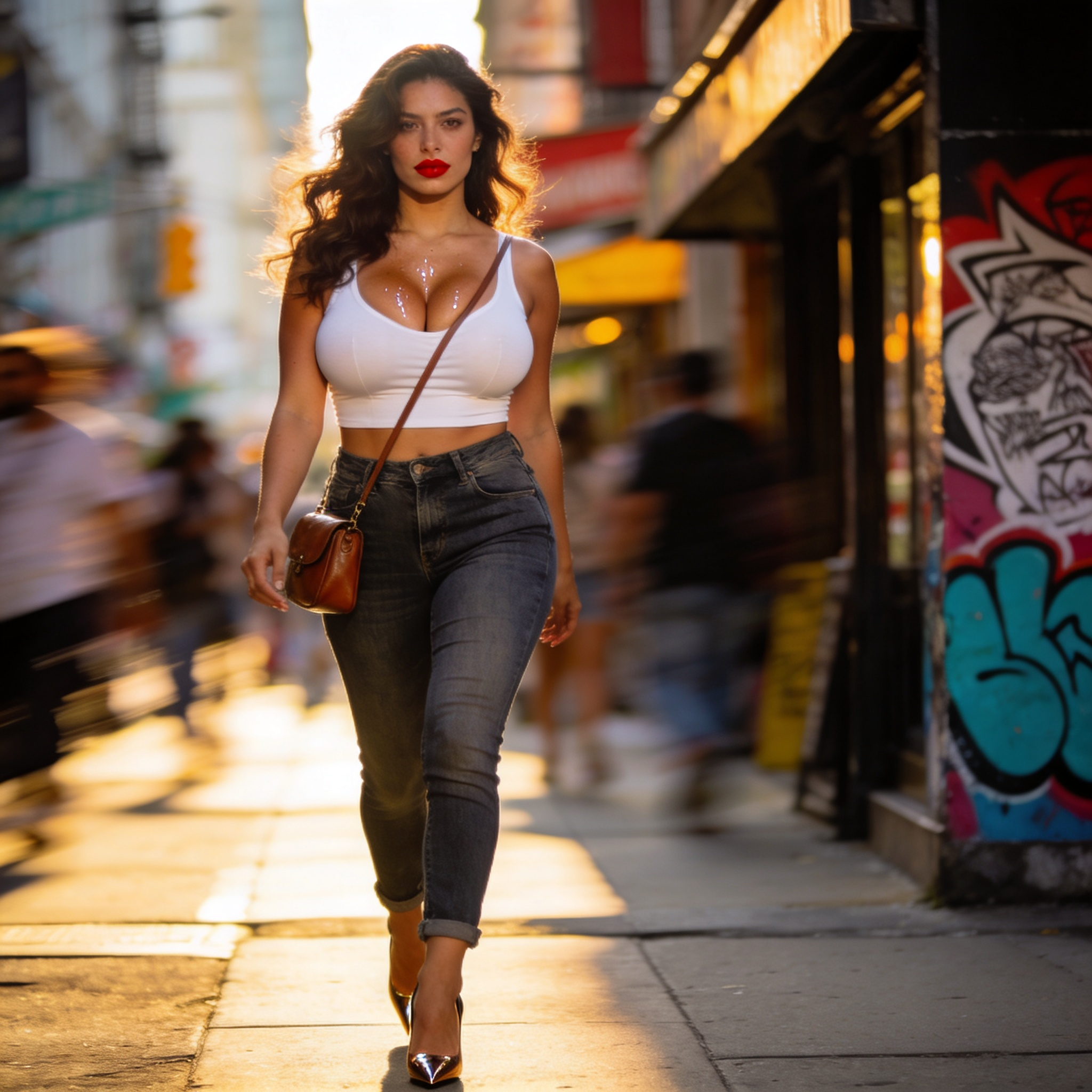
The world of video creation has changed dramatically in recent years. Until quite recently, producing cinematic footage demanded entire crews, expensive camera packages, costly sets, and long post-production timelines. Independent creators rarely had access to the same tools as major studios. Today, that divide is closing. Artificial intelligence now lets a single person transform a sentence of text into a moving, styled sequence that looks far more produced than anything a phone camera could capture. For content creators, this is not just a convenience; it is a genuine creative expansion.
This guide is written for creators who want to master AI video generation rather than merely experiment with it. We will walk through how modern AI video tools actually think, how to pick the right model for the job, how to direct a scene the way a film director would, and how to keep characters and settings consistent across many shots. You will also learn practical workflows that fit real production schedules, common mistakes to avoid, and a set of frequently asked questions for troubleshooting. By the end, you will be able to plan, generate, and finish AI-driven videos with confidence.
Why Stunning AI Video Matters in 2025
The demand for video content continues to grow across social platforms, advertising, e-learning, and short-film formats. Audiences scroll quickly, and a video has only a moment to capture attention. A polished, cinematic look communicates quality and credibility before a single line of dialogue is heard. For businesses, this means better brand perception and higher engagement. For independent creators, it means the ability to compete with larger production houses.
There is also a practical reason AI video has become essential: speed. Traditional video production is linear and slow. You write, shoot, edit, color, and ship. AI video condenses much of that pipeline into a prompt-and-iterate loop. A creator can prototype a concept, show it to a client or collaborator, and revise it within hours rather than weeks. This speed changes how ideas are validated and how content calendars are managed.
Beyond speed, AI video democratizes craft knowledge. Cinematography, lighting, and camera movement are all things that used to require years of field experience. With AI, these concepts can be expressed as written descriptions that the model interprets. Understanding how to write those descriptions well is the new craft. The creators who thrive in this era will be the ones who combine artistic judgment with the ability to direct an AI system precisely.
Choosing the Right Model for Each Job
Not all AI video models are created equal. Some prioritize photorealism, others excel at fast turnaround, and still others are tuned for a particular stylistic look. Choosing the right tool for a specific task is one of the most important decisions a creator makes. There is no single "best" model; there is only the best model for your current goal, timeline, and quality bar.
High-Fidelity Models for Cinematic Quality
For projects that demand realism, subtle motion, and strong visual coherence, premium-tier models are usually the right call. These systems tend to produce longer, more stable sequences with better handling of lighting, physics, and facial detail. They are ideal for product films, narrative shorts, and anything where a polished, expensive feel matters. The trade-off is typically time and cost, so they are best reserved for hero shots rather than bulk content.
When using these models, detail in your prompt pays off. Describe the location, the time of day, the mood, the camera angle, and the key action. A rich, specific prompt gives a high-end model the direction it needs to produce something genuinely impressive rather than a generic clip.
Fast and Cost-Effective Models for Volume
When you need to produce a large number of clips, whether for social media testing or for filling out a batch of variations, efficiency-focused models are valuable. These models are tuned to generate quickly, making them practical for iteration. You might use them to test multiple story ideas, generate placeholder footage, or produce content where speed matters more than maximum polish.
The key to working with faster models is tempering expectations. They may not capture subtle facial micro-expressions as reliably, and complex physics might be simplified. For short, dynamic, heavily-styled content this is rarely a problem. The trick is to know when a volume model is good enough and when you should switch to a premium model for the final hero shot.
Specialty Models for Unique Styles
There is a growing category of models tuned for specific aesthetics, such as anime, painterly looks, film-grain nostalgia, or particular character designs. If your project has a strong visual identity, a specialty model can save enormous time by producing on-brand footage out of the box instead of requiring heavy post-processing. Explore these options when your art direction is distinctive, because a purpose-built model often nails the style far better than a generalist one.
Directing a Scene Like a Filmmaker
Great AI video is rarely the result of a single lucky prompt. It comes from treating the generation process like directing a scene. Before you write any prompt, decide what you want the audience to feel and what information the shot must deliver. This intent-driven approach separates professional work from random experimentation.
Building the Shot with Camera Language
Write your prompt as if you were giving instructions to a camera operator. Specify the shot size, the camera angle, the movement, and the lens feel. Words like "close-up," "wide establish shot," "low angle," "slow push-in," and "handheld wander" give the model concrete direction. The more precise you are, the closer the result will be to your intention.
Using Lighting as a Narrative Tool
Lighting shapes emotion. A warm golden-hour glow reads as nostalgic and romantic. Harsh overhead light can feel harsh and dramatic. Soft, diffused light suggests calm and intimacy. Naming the lighting in your prompt, whether it is "neon city night," "soft window light," or "harsh studio spotlight," gives the model the mood cues it needs to deliver the right atmosphere.
Orchestrating Motion
A video is defined by motion, both in the camera and within the frame. Describe what moves and how. Is there wind in the hair, water rippling, or a car passing? These small details make footage feel alive. Specify the pace with words such as "slow," "subtle," or "energetic." Controlled, purposeful motion reads as cinematic, while chaotic motion can undermine the composition.
Keeping Characters and Worlds Consistent
One of the hardest problems in AI video is consistency. A character generated in one shot might look entirely different in the next. For narrative work, this breaks immersion. Modern systems address this with reference-image techniques, where the model is given a stable depiction of a character or scene to match.
Working with Reference Images
Provide a consistent reference image of your main characters before generating new shots. This anchors facial features, clothing, and proportions. For the strongest results, generate several reference angles of the same character first, then reuse them across the project. When a character must appear in many scenes, this upfront effort saves hours of retouching later.
Establishing a Visual World
Consistency is not only about characters; it is about the entire world. Decide on a color palette, a level of contrast, a lighting style, and a camera grammar, then keep them constant across shots. Treat these as your project's "visual rules." When every shot follows the same rules, separate clips assemble into a coherent film rather than a disjointed slideshow.
Managing Established Assets
If a scene or prop reappears, keep a reference for it too. A specific car, building, or costume silhouette should be stable. By maintaining a small library of reference assets, you give the whole project a unified identity and dramatically reduce the need for awkward fixes in post-production.
A Practical Workflow for Creators
A reliable workflow turns AI video from a novelty into a production system. The process below works well for both short social clips and longer narrative pieces.
Stage One: Define and Storyboard
Begin with a clear concept. Write a one-sentence summary of the video, then break it into individual shots. For each shot, note the camera description, the action, the lighting, and the desired mood. This mini-storyboard becomes the blueprint for your prompts and keeps the project on track.
Stage Two: Test and Refine Prompts
Generate a first pass of your shots and review them critically. Resist the urge to accept the first result. Adjust prompts based on what worked and what did not. This iteration phase is where most of the quality gain happens, so budget time for it. Keep the successful prompt versions so you can replicate a good look later.
Stage Three: Stabilize with References
Once your shots are close, lock down your references. Generate and save the best version of each character and key asset. Regenerate any shot that drifts off-model. Consistency work at this stage is far easier than fixing mismatches after editing begins.
Stage Four: Assemble and Refine
Bring the clips into an editor, cut them to the rhythm of your soundtrack, and adjust timing. Generative footage sometimes needs light retouching to hide artifacts, especially in complex motion. Finishing touches such as color grading and sound design add the final layer of polish that makes a video feel truly produced.
Common Mistakes and How to Avoid Them
Many creators hit the same frustrating problems. Understanding these will save you a lot of grief.
- Overloading one prompt with too many demands, which leads to muddled results. Break complex ideas into separate, focused prompts.
- Ignoring the iteration loop. The first generation is rarely the final one, so build in time to refine.
- Missing consistency controls. Without references, characters drift between shots and ruin the piece.
- Forgetting audio. A great picture with bad sound still feels amateur. Plan your soundtrack and effects early.
- Scaling a premium model for everything. Use efficient models for volume and reserved high-end models for hero shots.
- Ignoring aspect ratio and composition rules, which makes clips hard to place in a final edit.
Frequently Asked Questions
How long does it take to generate an AI video?
It depends heavily on the model, the length of the clip, and the resolution. Premium models take longer, while efficiency models are faster. For planning purposes, treat generation time as a real part of your schedule and generate clips ahead of deadlines rather than waiting until the last moment.
Do I need a powerful computer to make AI videos?
Not necessarily. Many modern AI video services generate in the cloud, which means your local machine only needs to handle editing. If you edit locally, a reasonably modern computer with adequate memory is usually sufficient. You do not need a research-grade workstation to produce professional results.
Can AI video tools keep my character's face the same in every scene?
Yes, when you use reference images and stable character assets. The key is providing a strong, consistent reference up front and regenerating any shot that drifts. Expect to manage consistency intentionally rather than relying on hope.
Is AI video suitable for professional client work?
Absolutely, provided you budget for iteration and consistency. Many agencies and studios now use AI video to create concept work, social content, and even final deliverables. The professional approach is to treat AI as a production tool with its own strengths and limits, just like any camera or software.
Conclusion
Stunning AI video is within reach for creators of every skill level, but the creators who get real results treat it as a craft. They choose the right model for the task, they direct scenes with intentional camera and lighting language, they protect consistency with references, and they work a structured production loop rather than hoping for lucky outputs.
The fundamentals are simple to remember. Match your tool to your goal. Write prompts with the precision of a director. Anchor characters and worlds with references. Iterate, review, and refine. And finish your videos with the care that editing and sound deserve. Master these habits and you will produce work that feels as though a full production team was behind it, even when it is just you, a keyboard, and a good idea.
