
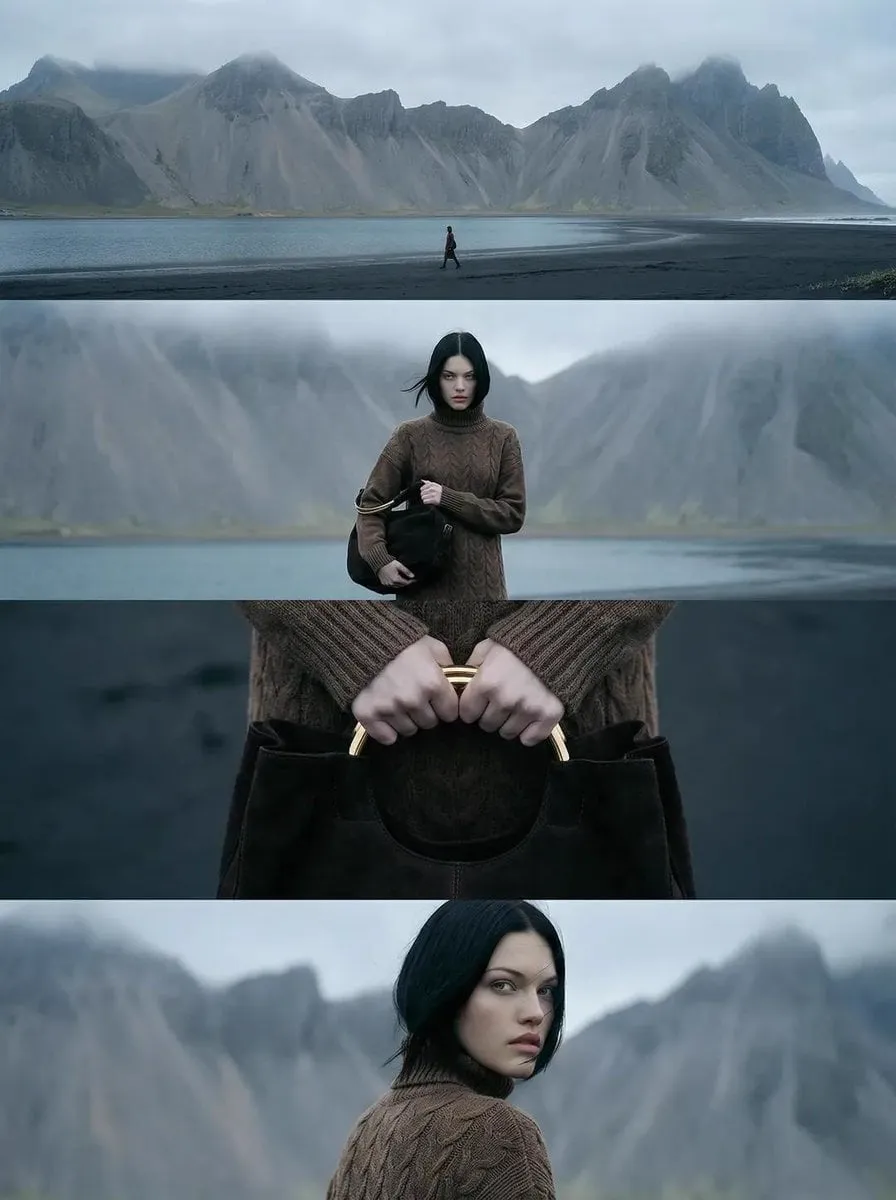
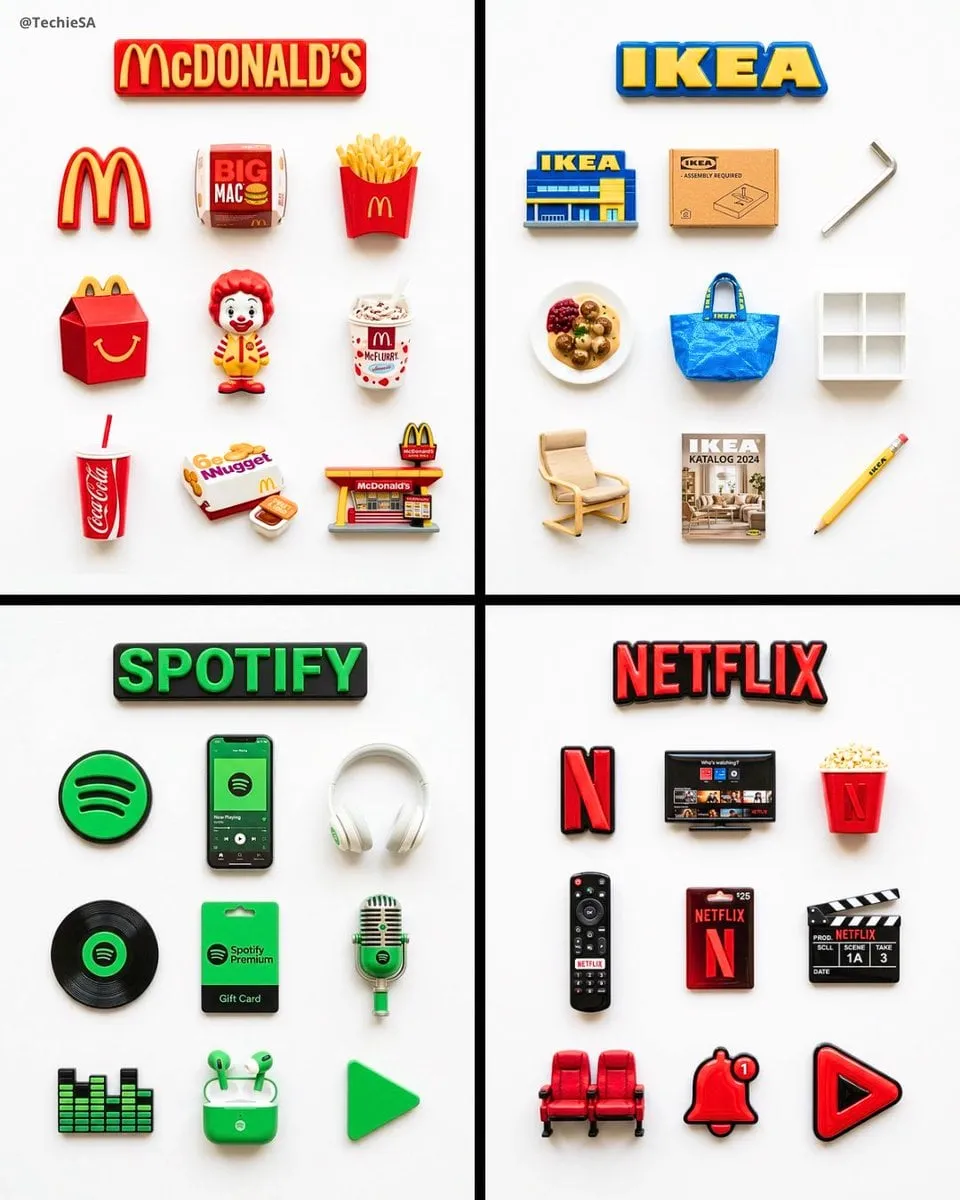
Every creator who has opened an AI video tool has asked the same question: how do I make something that actually gets watched, not just generated? The tools have become remarkably good, but trending videos are rarely the result of a lucky prompt. They come from a repeatable process: a sharp hook, a clear visual plan, the right model for each shot, and enough consistency that viewers trust what they are watching. This guide walks through that process end to end, with concrete steps you can apply to your next video today.
Why Some AI Videos Trend and Others Don't
Before touching any tool, it helps to understand what algorithms and audiences reward. Short-form platforms optimize for watch time and completion rate. A video that people watch to the end, rewatch, or share will always outperform one that simply looks impressive but loses attention in the first three seconds.
The most common failure of AI-generated content is not technical quality. It is sameness. When every clip looks like a generic demo reel, viewers scroll past. Trending AI videos usually combine three things: a specific idea, a strong first frame, and a payoff that arrives quickly. The idea gives people a reason to click. The first frame gives them a reason to stay. The payoff gives them a reason to share.
That means your job before generating anything is creative, not technical. Write down the single sentence that describes your video, then stress-test it. Would you click on this if a stranger posted it? If the answer is a shrug, the video will not trend no matter how good the model is.
The Hook-First Planning Phase
A hook is the first three to five seconds of your video, and in most cases it decides everything that follows. With AI tools you have an advantage: you can generate several candidate openings cheaply and test which one feels strongest.
Start by defining the emotional trigger. Hooks that work across niches usually fit one of a few patterns: curiosity gaps, quick transformations, contrarian claims, or recognizable problems. A video titled around a transformation, for example, can open with the dull "before" frame and cut to the surprising result within seconds. A curiosity gap can open with a statement that sounds slightly wrong, then justify itself.
Once the hook is defined, sketch the video as a sequence of shots rather than as a single idea. Most AI video tools work best with one clip per prompt, so a thirty-second video might need eight to twelve distinct clips. Listing them in order, with a one-line description of each, forces you to plan pacing before you spend time generating. It also prevents the classic mistake of generating beautiful clips that do not fit together.
Choosing the Right AI Tools for the Job
The AI video landscape is broad, and the biggest mistake is treating it as one category. Different tools exist for different stages of production, and the best workflow usually combines several.
Text-to-Video Models
Text-to-video models turn a written prompt directly into a clip. They are ideal for concept exploration, surreal visuals, and scenes that are hard to film. Their weakness is control: what the model imagines may differ from what you described. Use them when speed matters more than precision, and be prepared to generate several takes.
Image-to-Video Models
Image-to-video tools animate a starting image. This is the single most useful capability for consistent storytelling, because you control the first frame. You can design a character or location in an image generator, then bring it to life with motion. Tools in this category are the backbone of most professional AI video workflows.
Model Families and Their Personalities
Models differ in style, motion quality, and realism. Photorealistic models such as the Flux line and Sora are strong for cinematic and natural-looking scenes. Others, including Kling and Vidu, handle stylized animation and dynamic movement well. There is no universally best model; there is only the right model for the scene. A realistic brand ad and a whimsical animated short should not use the same default settings.
The practical takeaway: build a small toolkit instead of relying on one model. Learn one text-to-video tool for idea generation, one image generator for frame design, and one or two image-to-video tools for animation. That combination covers most projects without overwhelming you with subscriptions.
Writing Prompts That Actually Deliver
Prompting is a skill, and it improves fastest when you treat it like writing directions for a human cinematographer. A good prompt answers five questions: what is in the frame, what is happening, how is the camera moving, what is the mood, and what should be avoided.
The "what is in the frame" part should be concrete. Instead of "a futuristic city," write "a rainy neon street at night, glass towers reflecting pink light, a lone figure in a yellow jacket walking away from the camera." Specific nouns and colors give the model anchors. Generic adjectives such as "beautiful" or "amazing" carry almost no information.
Motion is where many prompts fail. If you say nothing about the camera, you leave it to chance. Try phrases like "slow push-in," "aerial shot circling," "handheld tracking shot," or "static wide shot." Each creates a different feeling, and matching camera language to the emotion of the scene is one of the fastest ways to make AI footage feel intentional.
Mood comes through lighting and atmosphere words: "golden hour," "harsh noon light," "soft fog," "low-key dramatic lighting." End the prompt with what to avoid, such as "no text, no watermark, no extra limbs." Many tools support a separate negative prompt field; use it for the recurring problems that your chosen model tends to produce.
Finally, keep a prompt log. When a generation works, save the exact prompt with a screenshot. Over a few weeks you will build a personal library of phrases that reliably produce the look you want, and your hit rate will climb far above what any generic template can give you.
Keeping Characters and Scenes Consistent
Consistency is the difference between an AI demo and a story. If a character changes face between shots, viewers feel it instantly, even when they cannot say why. The solution is to stop describing characters with words and start showing the model what they look like.
The strongest technique is multi-image fusion, where you provide the video model with reference images of the same character or scene. Create the character once in an image generator, from multiple angles if possible, then feed those images into the animation stage. Most modern tools accept reference inputs that anchor identity across clips. This is how creators produce short films with the same protagonist appearing in every scene.
A few rules keep fusion workflows stable. Use high-resolution references with consistent lighting; a reference shot in harsh sunlight will leak that look into every scene. Choose distinctive features that are easy for models to lock onto, such as a specific jacket color, hairstyle, or prop. Keep the character sheet small and consistent, and avoid mixing references from different art styles.
Scene consistency works the same way. If a story takes place in one location, generate a few keyframes of that location and reuse them as references. For object consistency, such as a specific product in an ad, the same approach applies: one hero image of the product, referenced throughout the video.
Editing for Retention: Pacing, Captions, and Sound
Generated clips are raw material, not a finished video. Editing decides whether the result feels like content or like a slideshow of AI images. The fastest improvements come from three areas.
Pacing comes first. Short-form viewers are used to cuts every one to three seconds. If a generated clip runs long, cut it; if the motion is slow, speed it up slightly. The goal is a rhythm that matches the music and the energy of the hook, not a faithful playback of every generated second.
Captions matter more than most creators expect. A large share of viewers watch with sound off, and bold, well-timed captions lift both retention and accessibility. Keep captions short, punchy, and synced to the spoken or musical beat. If your tool supports styling, choose one consistent style so the video feels like a brand rather than a random template.
Sound completes the illusion. AI-generated video has no native audio, so the soundtrack, sound effects, and voiceover carry the emotional weight. A whoosh on a transition, a riser before a reveal, and a clean voiceover can turn average footage into a video that feels professionally produced. Stock music libraries and AI voice tools make this affordable even at zero budget.
Publishing, Testing, and Iterating
Publishing is the beginning of the learning loop, not the end. Post the video, watch the first few hours of data, and let the numbers tell you what to change next.
The most useful metric is retention in the first seconds. If viewers drop immediately, the hook is the problem. If they stay for the hook but leave mid-video, pacing or payoff is the problem. Compare videos against each other rather than judging each one in isolation; trends become visible after a handful of posts.
Iteration should be systematic. Change one variable at a time: a different hook pattern, a different model for the hero shot, a different caption style. When a video outperforms your average, identify the variable that changed and reuse it in the next batch. This turns content creation into a compounding process instead of a lottery.
It also pays to repurpose. A video that works on one platform can be trimmed, re-captioned, or reframed for another. The same underlying footage can feed a long-form cut, a vertical short, and a thumbnail. Every asset you generate is worth more the more times it can be used.
A Repeatable Workflow Checklist
When you sit down to produce, work through this sequence and you will rarely waste an hour.
- Write the one-sentence idea and the emotional trigger.
- Draft the hook as a concrete first few seconds.
- Break the video into a shot list of six to twelve clips.
- Choose the model per clip based on style and control needs.
- Write prompts with subject, motion, mood, and negatives.
- Create and lock character and scene references before animating.
- Generate several takes of the most important clips.
- Edit for pacing, captions, and sound in that order.
- Publish, record the hook retention rate, and note one change for next time.
Frequently Asked Questions
Do I need expensive tools to start? No. Several capable models offer free tiers, and a beginner workflow of one image generator plus one image-to-video tool is enough to learn the fundamentals. Upgrade when a specific limitation blocks a project you actually want to finish.
How long should a trending AI video be? It depends on the platform, but shorter is safer when you are starting. A tight fifteen-to-thirty second video with a clear hook outperforms a rambling sixty-second one. Master short before going long.
Why do my characters change appearance between clips? Almost always because the model has no reference to lock onto. Create a character image first, use it as a reference, and avoid changing the description between prompts.
Is it better to generate clips separately and edit, or generate the whole video at once? For control and consistency, generate per scene and edit. Whole-video generation is convenient for simple ideas, but it gives you far less ability to fix pacing and reshoot specific moments.
How do I find ideas that trend? Watch what is already working in your niche, note the emotional patterns, and put your own spin on them. Copying formats is normal in short-form video; copying content is not. The formula is: familiar pattern plus original idea plus strong execution.
The creators who win with AI video are not the ones with the most impressive prompts. They are the ones with a system: plan the hook, control the visuals, edit for retention, and learn from every post. Build that system and the tools stop being a novelty and start being a production line for content people actually want to watch.
