
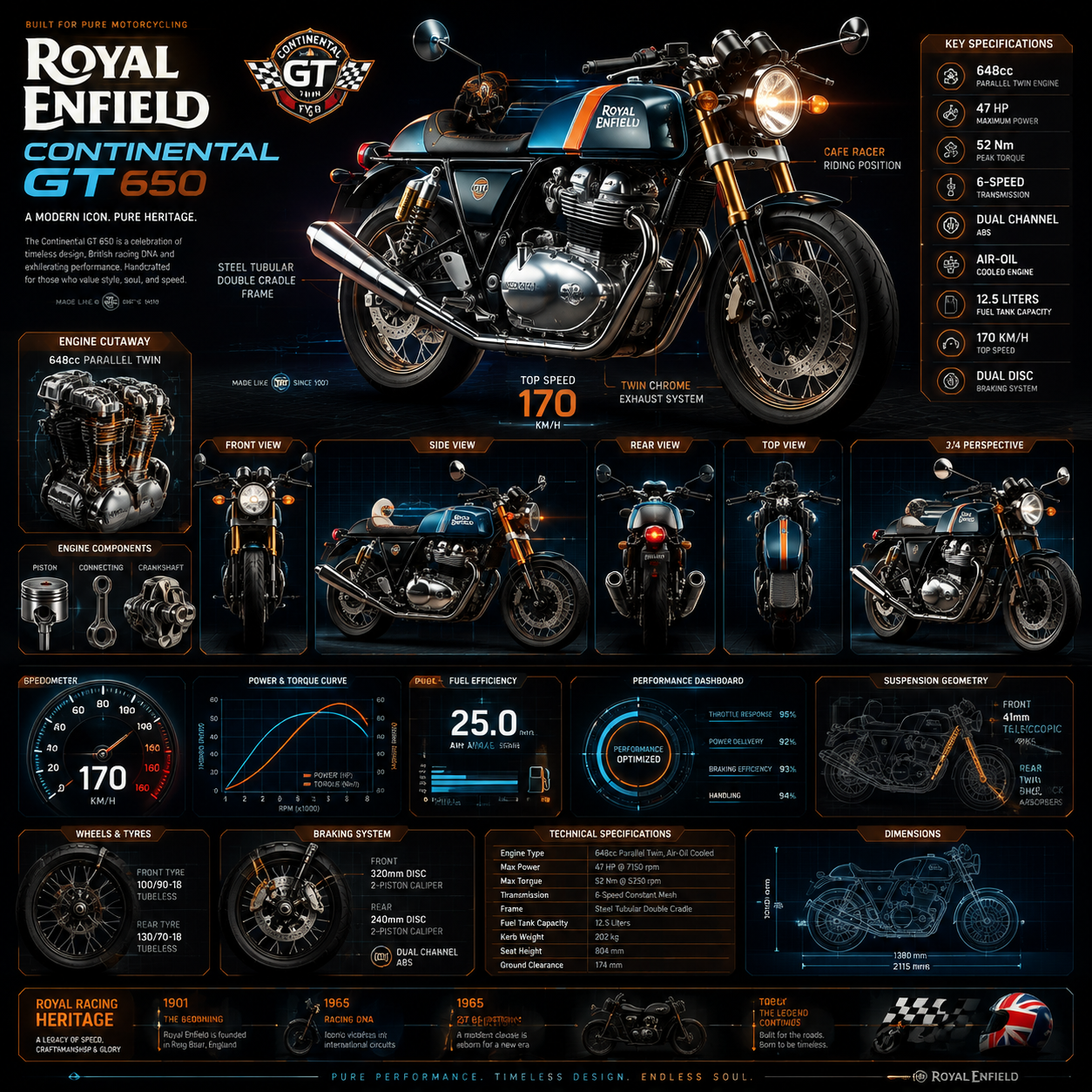
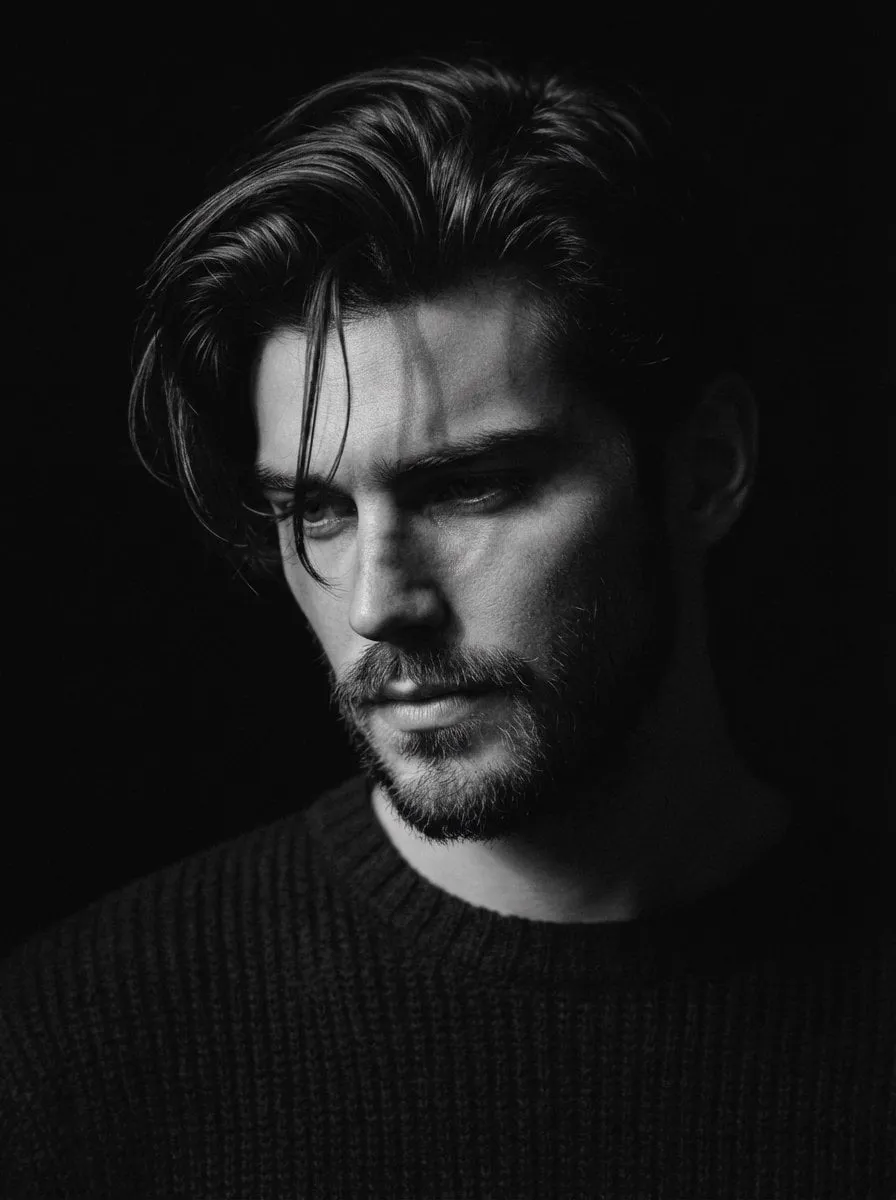
AI image generators have become so common that a quick search for any visual concept now returns dozens of similar-looking results. The real challenge is no longer producing an image at all; it is producing one that looks like it belongs to you. Exclusive, original visuals are what separate a memorable brand from a generic feed, and the difference usually comes down to workflow rather than luck. This guide walks through the full process of creating unique AI images for content: choosing the right model, writing prompts that push beyond the default look, keeping a consistent style across a series, optimizing for different channels, and managing the legal and organizational side of a growing image library.
Why Exclusive Images Matter in a Crowded Content Market
Content platforms are saturated with AI-generated visuals, and audiences have become surprisingly good at spotting the generic ones. When every thumbnail, hero image, and social post starts to look alike, engagement drops because nothing feels new. Exclusive images solve this on several levels at once.
First, differentiation. A visual style that appears only in your content gives your brand a fingerprint. Readers who scroll past a feed can recognize your post before reading a single word, which builds recall over time. Second, licensing safety. Stock photos carry licensing limits, and even some AI platforms have terms that restrict commercial use. Images you generate yourself, under terms you have checked, remove a whole category of legal risk. Third, creative control. With the right prompt and editing workflow, you can produce exactly the mood, composition, and subject matter your article needs instead of settling for the closest stock option.
The practical takeaway: treat image generation as a production skill, not a novelty. The goal is a repeatable pipeline that reliably outputs on-brand visuals.
Choosing the Right Image Model for Your Workflow
The first decision is which generator to build your pipeline around. Popular options include Stable Diffusion and its many community fine-tunes, Midjourney, DALL·E, and the Flux family of models. Each has different strengths, and the best choice depends on what you produce.
If you need maximum photorealism with strong prompt understanding, premium models such as Flux Pro or Midjourney deliver the highest quality out of the box. If you want fine control over style, open-source models like Stable Diffusion let you install specialized checkpoints, control tools, and LoRA add-ons that tune the output to your exact aesthetic. If privacy matters, local generation keeps your prompts and reference images off third-party servers.
A useful rule of thumb: start with a fast, cheap model for experimentation, then use a premium model for the final hero assets. Most creators do not need one tool for everything. A photographer's brand, an illustrator's portfolio, and a SaaS marketing team each benefit from different defaults, so test two or three generators on the same prompt before committing.
Prompt Engineering: The Foundation of Unique Images
Generic images come from generic prompts. "A robot in a city" produces exactly what you would expect, because millions of people have generated something similar. The trick is to make the prompt specific at every layer of the image.
A strong prompt covers six dimensions: subject, style, lighting, composition, camera, and mood. Instead of "a robot in a city," try: "A worn copper service robot with mismatched repair plates, standing in a rain-soaked neon alley, cinematic rim lighting, low-angle shot, 35mm lens, melancholic mood." Each added detail narrows the space of possible outputs and pushes the result away from the default.
Negative prompts matter just as much. Most tools let you specify what to exclude, and this is where you remove the telltale signs of generic generation: "blurry, oversaturated, cliché composition, watermark, extra fingers, duplicated objects." For stylized work, also exclude the styles you do not want, such as "3D render" when you are aiming for painted illustration.
For truly unique results, combine prompt detail with reference material. Upload a color palette, a texture, or a rough sketch and let the model interpret it. Many generators support image-to-image workflows where a starting image guides composition while the prompt drives the style, giving you a degree of authorship that text alone rarely achieves.
Once you find a prompt structure that works, treat it as a reusable template rather than a one-off. Build a small library of your own prompt formulas: one for product-style shots, one for editorial hero images, one for abstract backgrounds, each with slots for subject, palette, and mood. Filling in the slots takes seconds, but the output stays recognizably yours because the underlying structure and references are consistent. This is how teams that publish daily keep a coherent visual identity without re-inventing every image from scratch.
Building a Repeatable Style: Reference Images and Consistency
The most common complaint about AI images is inconsistency: the same character looks different in every shot, and a series of images for one article feels like five different artists made them. Consistency is a workflow problem, and it has practical solutions.
Start by creating a style reference pack. Generate or collect three to five images that define your palette, lighting, and subject treatment, then use them as reference inputs for every subsequent generation. Most modern tools support multi-image reference or style transfer, letting the model inherit the "memory" of a character, an environment, or a material from the reference set.
Character sheets are the second pillar. Before generating a scene, produce a turnaround sheet of your character: front, side, and three-quarter views under neutral lighting. Use that sheet as a reference for every scene, and you will find that the character's face, costume, and proportions remain stable across dozens of shots.
Third, lock your seed where the tool allows it. A fixed seed combined with a fixed prompt reproduces the same base image, which is useful when you want minor variations rather than complete re-rolls. Document which seed and which reference images produced a given style so you can return to it months later.
From Single Images to Production Assets
Once you have a style that works, move from one-off images to assets that fit into a production pipeline. The same workflow that produces a single hero image can generate keyframes for a video, storyboard frames for a campaign, or a set of variations for A/B testing.
For video work, generate a small set of keyframes first, lock the character and environment, then animate between them. This keeps motion coherent and avoids the jarring visual breaks that come from generating every frame independently. For articles, generate a primary hero plus two or three supporting images that share the same palette, so the whole page feels designed rather than assembled.
Batch variations are your friend. Generate eight to twelve candidates for any important asset, then select the strongest one. Post-processing closes the remaining gaps: upscaling for print, inpainting to remove unwanted objects, and outpainting to extend an image beyond its original frame. Each of these steps is available in most major tools or through small dedicated utilities.
Optimizing Generated Images for Different Channels
An image that looks perfect in a design tool can fail on a live page. Different channels have different aspect ratios, compression behaviors, and attention patterns, and optimizing for them is part of the job.
Social feeds favor square or vertical formats; blog heroes favor wide 16:9 or 3:2 crops; thumbnails need strong contrast at small sizes. Rather than generating a separate image for every format, generate a master composition with generous margins, then crop and resize for each destination. This keeps the art direction consistent across platforms.
Technical optimization matters for performance. Modern image formats such as WebP often deliver the same quality at a fraction of the file size of PNG or JPEG, which directly improves page speed and SEO. Keep the original high-resolution file for editing, export a compressed version for the web, and always add descriptive alt text. Alt text is both an accessibility requirement and a signal that search engines use to understand what the image contains.
Channel optimization also affects the way you generate. If a thumbnail will be viewed at small sizes, a busy background becomes noise; if a hero image will be cropped into a narrow banner, the subject must sit away from the edges. Knowing the destination before you write the prompt lets you specify composition choices that survive the crop, which saves the time spent re-generating images that looked right on screen but failed in context.
Protecting Your Work: Licensing, Ownership, and Commercial Use
Ownership of AI-generated images is not automatic, and the rules vary by platform and jurisdiction. Before you build a business on generated assets, read the terms of the tools you use and understand what you are allowed to do with the output.
Some platforms grant full commercial rights to paid users but restrict free tiers; others claim broad rights over generated content; open-source models typically give you the most freedom because you run them yourself. Copyright registration for AI-assisted work is still evolving, and the level of human control involved can affect whether an image is registrable at all. If your content strategy depends on exclusive rights, keep records of your prompts, reference images, and editing steps; this documentation supports your claim to authorship and helps you defend the work if it is copied.
Finally, respect the rights of others. Do not feed copyrighted artwork into a generator and pass the result off as fully original, and check whether your tools allow training on or copying of particular artists' styles for commercial projects.
Managing a Growing Library of AI Assets
A handful of generated images is easy to manage. A thousand is not. The creators who scale their content operation are the ones who treat generated assets with the same discipline as any other digital asset.
Adopt a simple folder structure organized by project, campaign, or content pillar, and name files descriptively: project, subject, version, and date. Tag images by style, color palette, and usage rights. Store prompts and settings alongside the images, either in the file metadata or in a companion document, so any image can be reproduced or adapted later. Version your finals, keep raw generations separate from edited exports, and back up the whole library.
A small investment in organization pays off immediately: when a new article needs an image that matches last quarter's campaign, you can find the style pack, regenerate a variant in minutes, and keep the visual thread running.
Common Mistakes and How to Avoid Them
Several recurring mistakes explain why most AI image output looks generic. The first is prompt laziness: one-sentence prompts produce average images, period. The second is ignoring negative prompts, which leaves the generator free to fill the frame with unwanted details. The third is style drift: using a different palette or composition for every image in a series. The fourth is skipping reference material, which is the fastest way to lose character consistency. The fifth is ignoring licensing, which converts a cheap asset into an expensive legal problem later.
Each of these mistakes has a straightforward fix, and they all point in the same direction: treat generation as a deliberate production process with inputs, quality checks, and documentation, rather than a slot machine.
FAQ
Can I use AI-generated images commercially? Usually yes, but it depends on the tool's terms and your jurisdiction. Check the license for the specific platform, and keep records of your prompts and edits.
What is the best free AI image generator? The best choice depends on your needs. Open-source models such as Stable Diffusion offer the most freedom when you can run them yourself, while several commercial tools offer free tiers with limited generations.
How do I keep the same character across multiple images? Create a character sheet and use it as a reference image for every generation, or use the multi-image reference feature available in most modern tools. Locking a seed also helps for small variations.
Do I need to disclose that an image was made with AI? Many platforms now require disclosure for AI-generated content, and some countries have specific labeling rules. When in doubt, disclose.
How can I avoid my images looking like everyone else's? Write detailed prompts across subject, style, lighting, composition, and mood, use negative prompts, add your own reference material, and post-process the result. Specificity is the antidote to sameness.
