
Short-form video is the most crowded stage on the internet. Every scroll hands you two seconds of someone else's attention, and the platforms have engineered their feeds to punish anything that does not earn a stop. Creating viral shorts with AI video tools is not about luck, and it is not about generating the flashiest clip either. It is about building a repeatable system: a concept that can survive a split second of scrutiny, a generation step that produces usable footage instead of a pile of near-misses, and an edit that makes people watch twice. This guide walks through that system end to end, with the practical decisions and trade-offs that actually move the numbers.
Most creators start in the wrong place. They open a video model, type a prompt, and hope. The result is technically impressive and completely forgettable, because nobody decided what the viewer should feel in the first half-second. Before any generation happens, the hook has to exist on paper. Once it does, AI tools stop being a toy and start being a production engine that can output dozens of publishable clips a week.
The First Three Seconds Are the Whole Game
Algorithms on TikTok, Instagram Reels, and YouTube Shorts optimize for one signal above almost everything else: completion rate. A video that is watched to the end gets pushed; a video that is abandoned gets buried. That means the opening of your short is not an introduction — it is the single most important creative decision in the entire project.
The strongest openings share a pattern. They create an information gap, promise a payoff, or open in the middle of the action. A clean example: instead of starting with "In this video I will show you how to edit a travel vlog," start with a finished frame of the travel vlog and say "This 15-second edit took me under four minutes." The viewer now has a reason to stay: they want the method, and the promise of speed creates tension.
Practical opening formulas that work across niches:
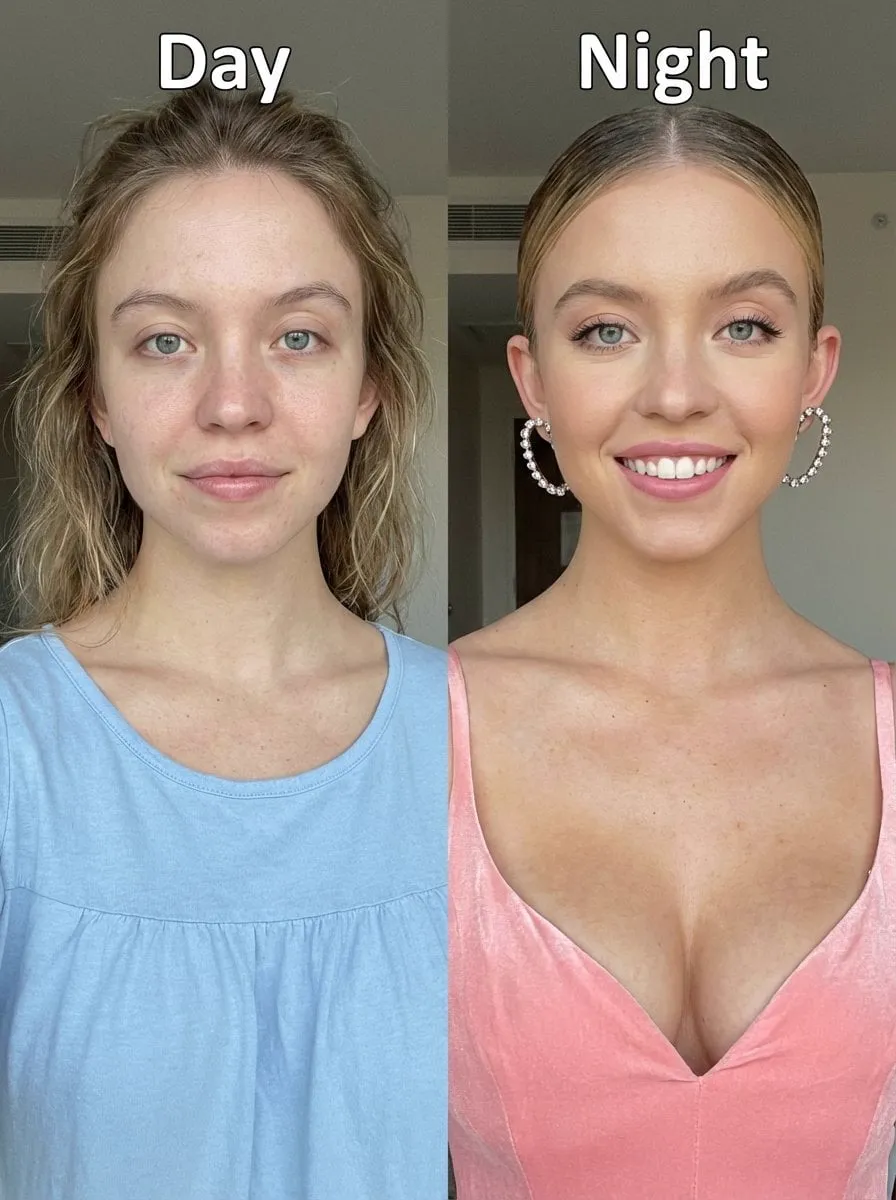
- The before-and-after: show the raw or boring version, then the finished version.
- The impossible claim: state something that sounds slightly unbelievable, then prove it.
- The question with stakes: ask a question the viewer already wants answered.
- The mid-action cold open: start at the most dramatic point and let context arrive later.
- The pattern interrupt: do something visually unexpected in frame one, before the viewer's thumb moves.
Whatever formula you choose, write it down before you generate anything. If the hook cannot be written in one sentence, it will not survive the feed.
Step 1: Turn a Loose Idea Into a Sharable Concept
A concept is not a topic. "Cooking pasta" is a topic; "the three-ingredient pasta sauce that looks expensive but costs almost nothing" is a concept. The difference is specificity. Specific concepts give the viewer a reason to click and give the AI a target to hit.
When you refine a concept for short-form, run it through four filters:
- Is it instantly understandable? If the title needs a paragraph of explanation, it is too complex.
- Is there a payoff? The viewer must be able to imagine the reward for staying.
- Can it be shown, not just told? Visual proof is the medium's native language.
- Does it have a share trigger? People share things that make them look smart, funny, or useful.
Once the concept passes the filters, write a one-sentence creative brief: who the video is for, what they will see, and what they will feel at the end. Keep that brief next to you through generation and editing. It is the anchor that keeps every later decision on target, and it prevents the most common failure mode of AI-assisted creation: drifting into generic, beautiful footage that has nothing to do with the idea.
Step 2: Pick the Right Model for the Job
The biggest misconception about AI video is that one model is simply "the best." The reality is that current generation tools have different strengths, and the professional move is to treat them like lenses rather than like a single camera. Matching the model to the shot type is where a lot of production quality is won or lost.
Understanding the Current Generation Landscape
Modern video generators fall into a few broad families. Some are optimized for photorealistic motion and cinematic camera work, which makes them strong for narrative content, product shots, and anything that needs to feel like a film. Others excel at stylized or animated looks, giving you a distinctive visual identity that stands out in a feed of generic live-action clips. A third group focuses on speed and iteration, producing many quick variations that are ideal for testing hooks and editing b-roll. None of these is universally better; each one is a different tool for a different part of the job.
Matching Models to Content Types
Build a simple decision chart for yourself:
- Narrative and cinematic shorts: favor models known for camera control and realistic motion.
- Stylized brand content: favor models that produce a consistent graphic or anime-like look.
- Trend-chasing content: favor fast models so you can publish while the trend still has heat.
- Talking-head or tutorial content: generate b-roll and backgrounds, then cut around your own footage.
Keep a shortlist of three or four tools and learn their personalities. When you know which model handles a rain-soaked street scene and which one handles a clean product turntable, you stop gambling and start directing.
Step 3: Write Prompts for Short-Form Attention
Prompt engineering for video is different from prompt engineering for images. Video prompts describe motion, timing, and mood, not just a static scene. A prompt that would make a great still image often produces a video that is technically fine and narratively dead.
Structure a Prompt Like a Mini Screenplay
A useful video prompt contains four layers: the subject, the action, the environment, and the style. For example, rather than "a chef in a kitchen," write "a chef in a bright modern kitchen, tossing pasta in a pan with a dramatic flame, steam rising, camera slowly pushing in, warm natural light, shallow depth of field, realistic food photography style." Each layer gives the model constraints that reduce random drift.
Style Anchors and Negative Prompts
Style anchors are short repeated phrases that stabilize the look across many generations, such as "cinematic teal and orange grade," "soft morning light," or "handheld documentary feel." Keep the same anchors in every prompt within one project so the clips match in the edit. Negative prompts are equally important: list what you do not want, such as "blurry motion, extra limbs, distorted faces, watermark, oversaturated colors." Most models respect clear negative guidance, and it saves hours of rerolling.
Step 4: Protect Character and Style Consistency
If you publish one short, inconsistency is a minor annoyance. If you publish a series — and series are how channels grow — inconsistency is fatal. Viewers will notice when the same character looks different in every clip, and they will stop trusting the channel.
Why Models Drift Between Clips
Generation models do not remember anything between runs. Each clip starts fresh, and small differences in the seed, the prompt wording, or the noise schedule produce visibly different faces, outfits, and settings. This is the core reason AI-generated series historically looked disjointed.
Reference-Based Fusion Workflows
The fix is reference-based generation. Instead of describing the character from scratch every time, give the model one or more reference images of the character and ask it to preserve the identity while rendering the new scene. This approach, sometimes called multi-image fusion or reference conditioning, locks the face, outfit, and color palette across scenes, angles, and even across different models. Set up a reference pack for every recurring character: a front view, a side view, a full-body shot, and a detail shot of distinctive accessories. The small investment in preparing references pays back every single time you generate.
Step 5: Edit With Rhythm, Not Just Cuts
Generation gets the footage; editing makes it watchable. Short-form editing has its own grammar, and the best AI-generated clips are still finished by hand in an editor like CapCut, Premiere, or DaVinci Resolve.
Matching Cuts to Sound
The fastest way to make cuts feel professional is to cut on the beat. Lay the music track first, mark the strong beats, and align your most important visual moments to them. Even simple cuts become energetic when they land on the rhythm. If the footage is already generated and the cuts feel flat, try replacing the track with something faster or adding a subtle speed ramp on the downbeats.
Text Overlays and Captions
A large share of viewers watch with sound off. Burned-in captions are no longer optional; they are part of the composition. Keep captions short, place them in the safe area of the frame, and style them consistently so the channel develops a recognizable look. Text overlays also serve as visual hooks: a bold phrase like "Wait for it" or "The secret step" can hold attention through the middle of the video, where drop-off is highest.
A Repeatable Weekly Workflow
Consistency beats intensity. A realistic weekly system looks like this:
- Batch the ideas: pick three to five concepts that pass the four filters.
- Batch the references: prepare character and style packs once, reuse them all week.
- Batch the prompts: write every prompt in one sitting, following the mini-screenplay structure.
- Generate in queues: run generations while you edit the previous video.
- Batch the edits: cut all the videos in one session so the rhythm and caption styles stay consistent.
- Schedule and review: publish on a fixed cadence, then review the analytics together on the same day.
The point of batching is that every part of the pipeline has a startup cost. The first concept takes an hour; the fifth takes ten minutes. The first edit takes an afternoon; the third takes half that. A system turns a creative practice into a production line without making the output feel factory-made.
Metrics That Predict Virality
After publishing, most creators check likes and followers. Those are vanity numbers. The signals that predict whether a short will be pushed are engagement quality signals: completion rate, rewatches, shares, and saves. A video with a high completion rate and a good share ratio gets shown to progressively larger audiences, regardless of how many likes it collected in the first hour.
Use the platform analytics to diagnose, not just to celebrate:
- If completion drops sharply in the first three seconds, the hook failed. Re-cut the opening and republish.
- If completion drops in the middle, the payoff is too slow. Move the strongest moment earlier.
- If rewatches are high, viewers are replaying a specific beat — consider making that beat the thumbnail moment.
- If saves are high but shares are low, the content is useful but not identity-expressing. Add a line that makes viewers want to show it to someone.
Keep a simple scorecard for every video: hook strength, completion curve, rewatch rate, and share rate. Over a month, the patterns will tell you which concepts and formats to double down on.
FAQ
How long should a short be for the algorithms?
Short enough to finish. Fifteen to thirty seconds is a strong range for most niches because completion stays high. Longer formats work when the concept is strong enough to hold a two-minute payoff, but start short and expand only when analytics show viewers want more.
Do I need expensive equipment to make AI shorts?
No. The entire workflow described here runs on a laptop: idea, prompt, generation, edit, captions, publish. The skill is in the system, not the gear.
Can AI-generated shorts build a real audience?
Yes, when they solve a real viewer problem or emotion consistently. Channels built on consistent characters, strong hooks, and useful payoff have grown large audiences. The technology is a multiplier; the concept and the series logic are what keep people subscribed.
How do I avoid the "AI look"?
The AI look comes from generic prompts and inconsistent style. Lock your style anchors, use references for recurring subjects, vary the camera and lighting language, and add human finishing touches in the edit: sound design, captions, color grading, and pacing. Those finishing touches are what make generated footage feel authored.
What should I do when a generation fails?
Treat failures as data. If the same failure repeats, your prompt is ambiguous or the model is the wrong tool for that shot. Tighten the prompt, change the negative guidance, or switch models. Keep a log of what works per model so the next project starts from knowledge instead of guesswork.
Final Thoughts
Viral shorts are not made by a magic prompt; they are made by a disciplined process that happens to be accelerated by AI. Nail the hook, match the model to the moment, stabilize your characters, edit for rhythm, and measure what actually predicts growth. Do that consistently and the feed stops being a lottery and starts being a system you control.
