
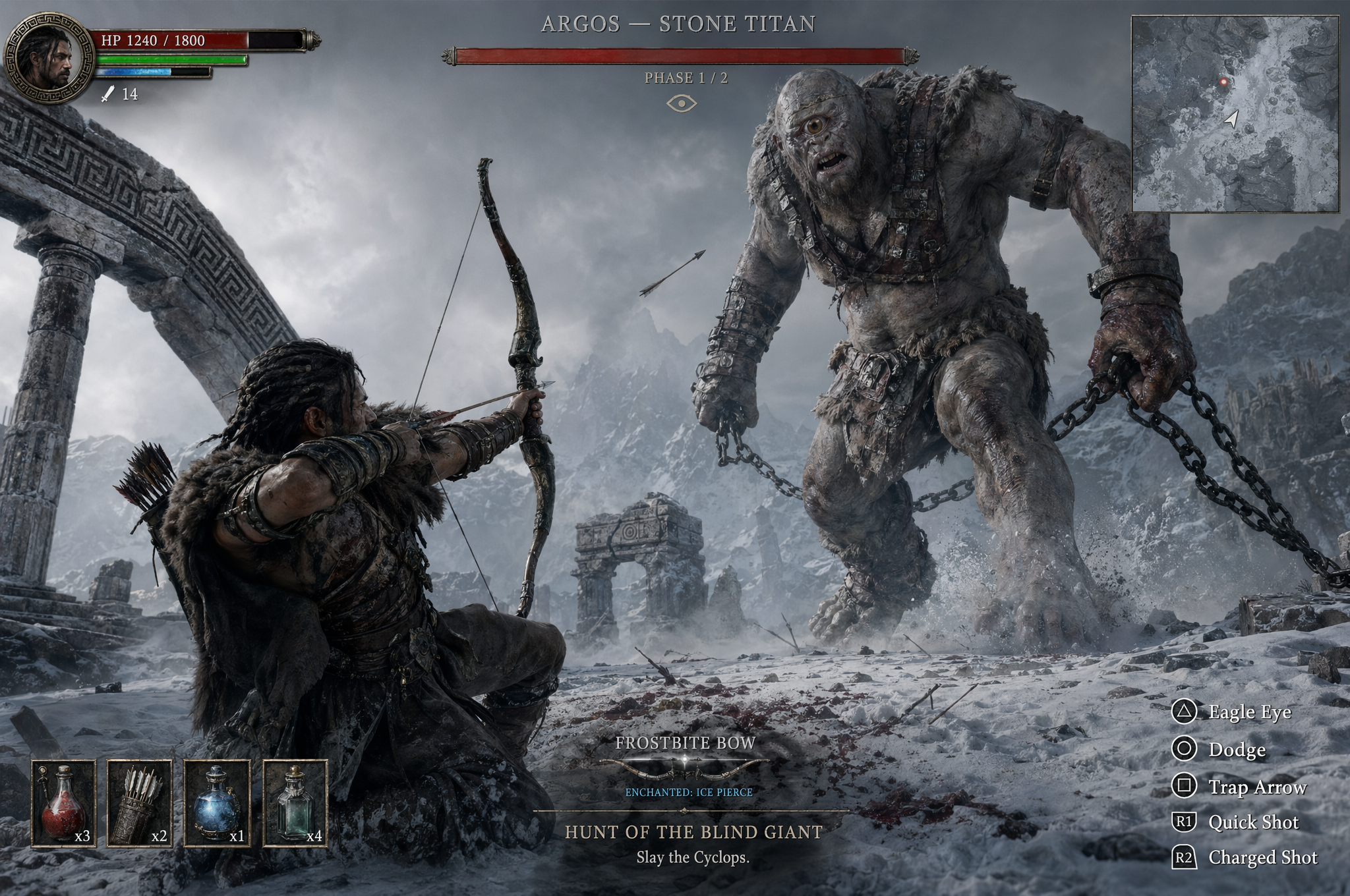

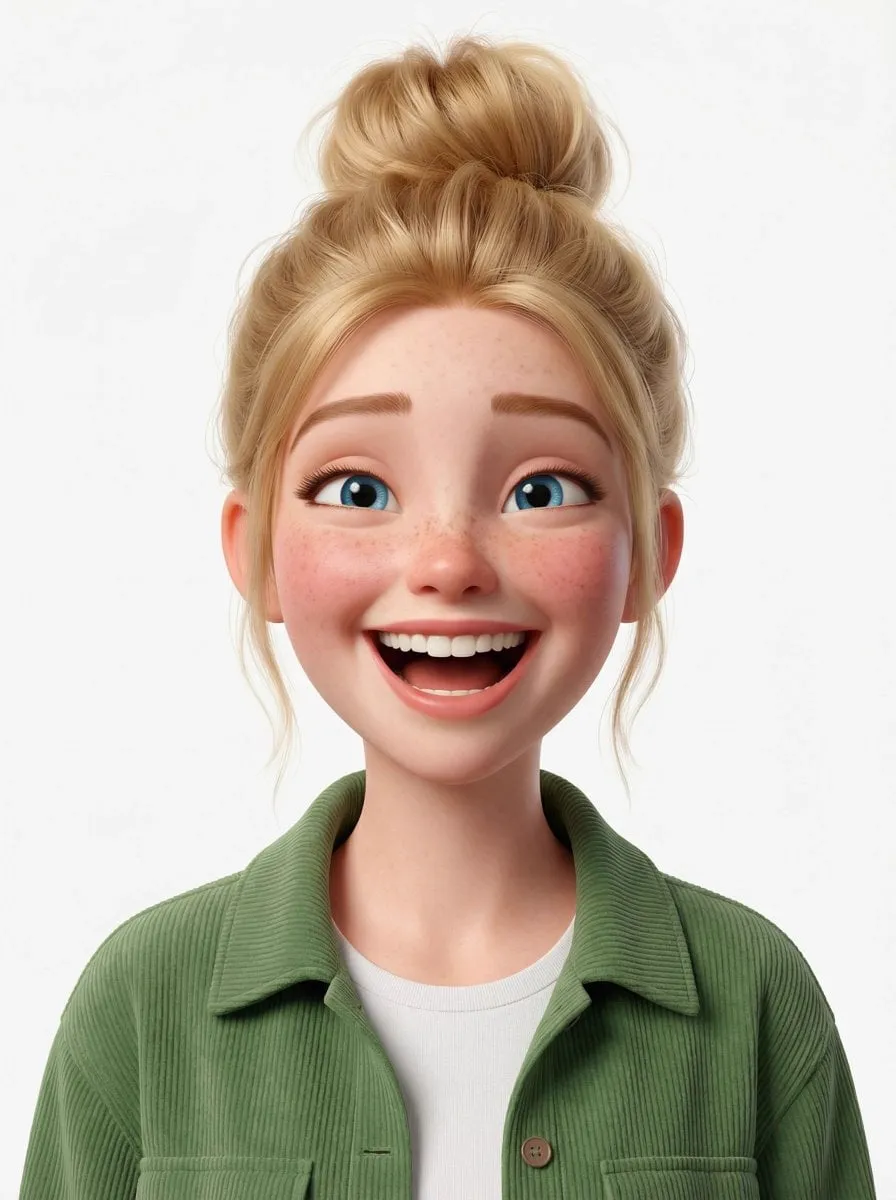
Twitter, now known as X, is a place where text does the talking, but images do the persuading. A single striking visual can stop a scroll, earn a save, and start a conversation more reliably than several paragraphs. Until recently, the pool of images available to most creators meant stock photos, memes, or whatever could be found with a search. Generative AI changed that. Today an AI image generator can turn a written description into a custom visual within seconds, and that capability has become one of the most reliable ways to stand out on the platform.
This guide is practical. I will explain how AI image generation works under the hood, how to write prompts that consistently produce good results, and how to navigate the business and ethical questions that come up when you post AI images on Twitter. Whether you are a marketer, a content creator, or someone building a personal brand, the same principles apply.
How AI Image Generators Actually Work
The backbone of modern image generation is the diffusion model. It works by learning to reverse a process: starting with pure visual noise, it gradually removes that noise, step by step, until a clear image matching the description emerges. That is why the technology is sometimes described as denoising. The model has been trained on enormous datasets and, in the process, learned what objects, shapes, textures, and styles look like.
When you type a prompt, the model maps that text to a mathematical description, essentially a guiding vector, and then uses that direction to steer the denoising process toward the image you asked for. The more specific and structured your prompt, the more easily the model can locate the combination it needs.
The practical consequence is that output quality depends heavily on your input. Two people using the same tool can get wildly different results simply because one wrote a vague one-line prompt and the other wrote a detailed, structured description. Understanding the basic mechanism of diffusion helps you appreciate why prompt quality is not a cosmetic detail; it is the core of the craft.
Writing Prompts That Work
Good image prompts have a clear anatomy. Start with the subject: what is the main thing in the frame? Be specific about the subject rather than abstract. Then add style, describing the aesthetic, whether photorealistic, cinematic, minimalist, vintage, or illustrative. Next, consider composition and framing, medium shot, close-up, wide angle, centred subject. Finally, set lighting and mood, because these shape how the viewer feels about the image.
For Twitter, brevity in the final post does not mean brevity in the prompt. Take the time to describe the visual in detail even if you only share a short caption. A few extra descriptors, like the time of day, the colour palette, or the camera lens, can mean the difference between a generic render and a professional-looking visual.
Negative prompts are another lever. Many tools let you specify what you do not want, such as distorted hands, low resolution, or text in the image. Listing these exclusions removes the most common failure modes before they even appear.
Finally, iterate. Treat the first generation as a draft. If the result is close but not right, adjust a couple of descriptors and regenerate rather than starting over. The best images in any portfolio came from a sequence of refinements, not a single lucky prompt.
Avoiding the Generic Look
A common frustration with AI images is that they start to all look alike. This happens when you reuse the same vague descriptors, like beautiful, stunning, or amazing, that steer every image toward the same polished average. The fix is specificity.
Choose unusual subjects and settings. Instead of a generic coffee cup, specify the cup, the table, the light, the perspective. Instead of asking for a portrait, describe the expression, the wardrobe, the backdrop, and the colour grade. Specificity pushes the model away from its default outputs.
Style variations help too. Experiment with different aesthetic references, such as 35mm film grain, retro poster, painterly texture, or high-key studio lighting. Each new stylistic anchor changes the character of the output and keeps your feed from feeling monotonous.
On Twitter, where visual repetition is especially noticeable, a distinct style becomes part of your identity. If followers can recognise your images at a glance, the visual work is doing the job of a logo.
Using AI Images for Marketing and Advertising
For marketers, the appeal is speed and volume. Campaigns that once required a photoshoot, a designer, and a licensing budget can now start with a batch of generated concepts the same day. You can test multiple visual directions, learn which one resonates, and scale it into a full set of assets.
Consistency is the strategic advantage to chase. If your brand has a recurring character, mascot, or signature style, establishing it with a set of reference images lets you regenerate it across different posts without reinventing it each time. This is how a Twitter account builds a recognisable visual language rather than a series of one-offs.
There is also a workflow advantage. Generate the hero images for a week of posts in a single batch, then spend your remaining time writing the captions and thinking about the narrative. The technology removes the production bottleneck, which is precisely where most small teams got stuck.
New Revenue and Community Opportunities for Creators
AI image generation also opens up income and community paths. Creators can sell custom artwork, design digital products, produce unique visuals for other businesses, or build a following around a distinct AI-assisted art style that simply was not possible to sustain at scale before.
Building a community around your images is about consistency and point of view. If your feed has a clear artistic signature, people start to follow you for that signal rather than for any single post. The tools make the work fast; the taste and the consistent point of view are still yours to supply.
This is also where idea density pays off. Because generating an image is cheap and fast, you can explore many creative directions without risk. The constraint that used to be cost has become inspiration, and that shift is genuinely new.
Copyright and Ethics on the Platform
Posting AI images raises real questions, and it is worth being thoughtful about them rather than ignoring them. First, understand the terms of whichever tool you use. Some services grant broad usage rights, while others restrict commercial use or require attribution. Read the licence before you scale up.
Second, be transparent where honesty serves your audience. There is an ongoing debate about whether AI-generated content should be labelled, both as a matter of trust and of platform rules. If your page is built on AI images, consider stating so clearly; audiences generally respond well to honesty and poorly to being misled.
Third, avoid knowingly generating images that imitate a living artist's distinctive style or that copy copyrighted characters in ways that could cause trouble. The technology makes it easy to produce almost anything, and that is exactly why your own editorial judgement matters more than ever.
Finally, be aware of platform policies. Rules around synthetic media are still evolving, so keep an eye on the official guidance and update your practice as it changes.
A Simple Workflow for Regular Posting
Let me lay out a routine that keeps you consistent without eating your whole day. Pick one or two visual pillars per quarter, such as a signature style and a recurring subject. Write a set of reusable prompt templates around them.
Batch your generation. Set aside one block of time each week to produce the images you will need, generate several options per idea, and file the best ones. Then assembly during the week is quick: pick an image, write a caption, and post.
Review the results with an editor's eye. Delete the near-misses because posting them dilutes your brand. Keep only the images you would be proud to be recognised by. Quality control is what separates a feed people follow from a feed people scroll past.
Crafting a Distinctive Visual Signature
The creators who get the most out of AI images on X tend to have a recognisable visual signature. This is not about a watermark or a logo; it is about a consistent set of creative decisions that people come to identify with you, such as a particular colour palette, a recurring subject, or an unusual combination of styles.
Building that signature takes deliberate choice, not luck. Decide early what your images will consistently share. Maybe every visual uses a specific colour grade, or always features a character in a certain setting, or favours a particular kind of composition. Once you choose that thread, encode it into your reusable prompt templates so it appears in every generation.
A signature is also a practical filter. When a new idea comes up, you can ask whether it fits the signature or deliberately breaks from it. Most ideas should reinforce your recognisable style; occasional, well-flagged departures can punctuate the pattern and draw attention. Consistency is the baseline, and intentional variation is the spice.
This is the kind of work that no model does for you. The tool renders what you ask, but only you decide what to ask for again and again until it becomes a style that followers recognise and anticipate.
Responding to Audience Reactions
No matter how well you craft your prompts, the final judge is the audience. Engagement on X is fast and loud, which makes it a great laboratory for learning what connects. Pay attention to which images get shared, which earn replies, and which quietly vanish.
Treat negative or flat responses as data, not as a verdict on your skill. A post that fails to land tells you something about the framing, the subject, or the timing, and that information is useful for the next round. The faster you can learn what your specific audience reacts to, the more efficient your whole pipeline becomes.
Set a simple rhythm for review. Once a week, scan your recent posts and ask a few questions: which visual style carried the most engagement, which subject resonated, which prompt produced the strongest image. Write down the answers. Over time you will build a compact playbook that encodes your audience's tastes, and your prompts will sharpen accordingly.
Common Mistakes to Avoid
The first mistake is treating the prompt as an afterthought. A few seconds of extra description buys an outsized improvement in quality.
The second is posting every draft. Volume without selectivity teaches your audience to expect mediocrity. Whatever you share, make it the best of its batch.
The third is ignoring the audience. Track which images get engagement and feed that information back into your prompts. The tool does not know your audience; you do.
The fourth is neglecting the platform's norms. X rewards authentic, conversational content. A slick image with no genuine point falls flat; pair good visuals with a real idea.
FAQ
Do AI-generated images perform well on Twitter?
They can, especially when they are visually distinctive and paired with a genuine, interesting caption. Consistency and originality matter more than the fact that the image is AI-generated.
Can I use AI images for my brand or business?
In most cases yes, but check the licensing terms of the specific tool you use, especially for commercial use. Read the fine print before scaling up.
How do I stop my images from looking generic?
Use specific subjects, descriptive style anchors, and strong lighting and mood cues. Iterate on prompts rather than settling for the first output.
Is it unethical to post AI images without a label?
Not automatically, but transparency builds trust. Consider disclosing that your images are AI-generated, and always follow the platform's current policy on synthetic media.
What is the most important skill to learn?
Prompt writing and iteration. The models are handlebars; the skill is in describing what you want clearly enough to guide them there.
Final Thoughts
AI image generation has lowered the barrier to a truly capable visual production pipeline for Twitter and every other platform. What used to require a camera, a designer, or a budget can now begin with a few well-chosen words. But the same tools reward judgement: the prompts you write, the ideas you choose to visualise, and the ethics you hold yourself to determine whether the technology lifts your presence or dilutes it.
Start with a specific visual idea, refine the prompt until it works, and post only your best. Build a recognisable style, stay honest about what you are doing, and let the audience feedback steer the next round. Done thoughtfully, AI images stop being a gimmick and become a genuine creative advantage on the platform.
