
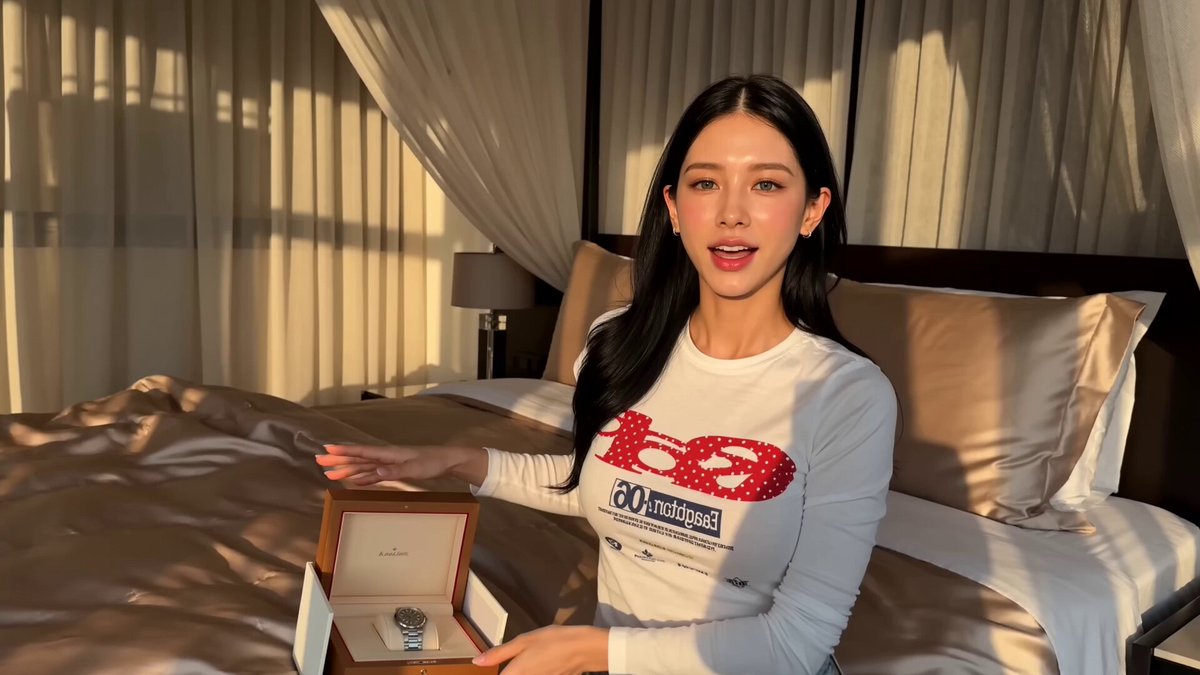
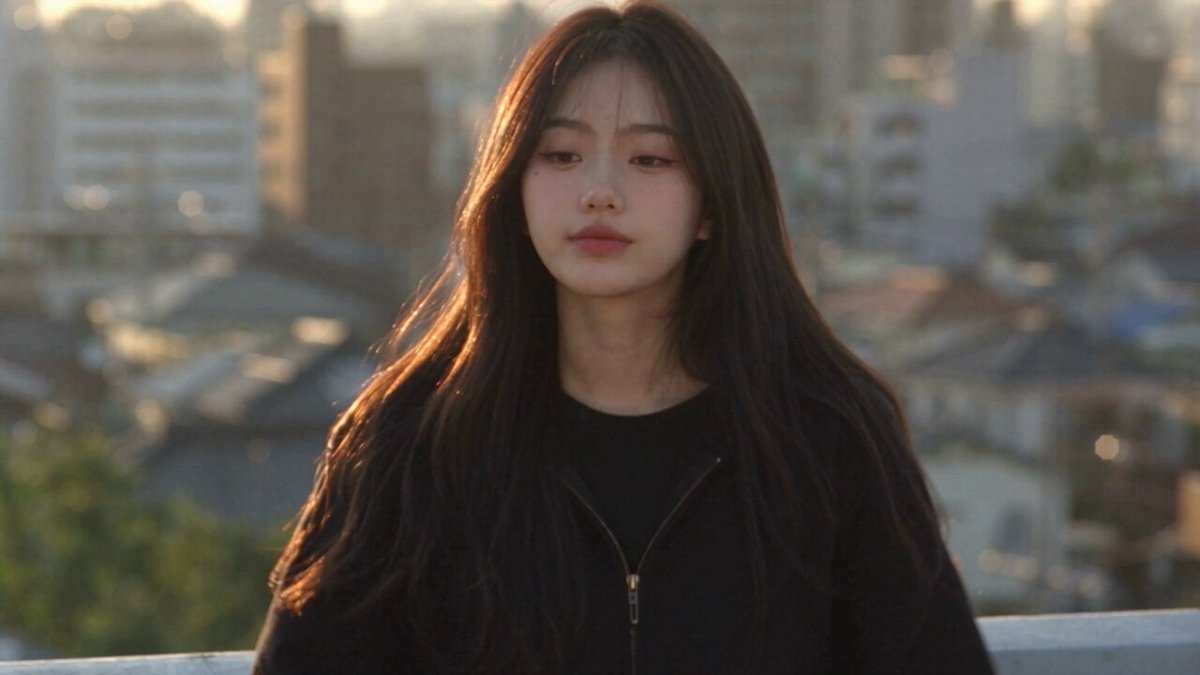
Character consistency is the holy grail of AI video generation. Nothing breaks immersion faster than a character whose face subtly changes between scenes. Multi-image fusion technology solves this problem — and it's available right now.
Why Character Consistency Matters
Your audience notices inconsistency immediately, even if they can't articulate why. A character whose eye color shifts, jawline changes, or costume details drift scene to scene signals "low quality" — even if every individual frame looks great.
How Multi-Image Fusion Works
Instead of generating from scratch each time, multi-image fusion uses reference images as anchors:
- Primary reference: The definitive look of your character
- Angle references: Same character from different angles
- Expression references: Various emotional states
- Detail references: Close-ups of important features
Creating Your Reference Image Library
Start with AI Image Generator to build a comprehensive reference library:
Essential reference shots:
- Front-facing portrait (neutral expression)
- Profile view
- Three-quarter angle
- Full body shot
- Detail shots (eyes, hands, distinctive accessories)
The Fusion Process
Step 1: Upload your reference images
Step 2: Define character traits in your prompt ("blue eyes," "angular jaw," "scar on left cheek")
Step 3: Generate scenes with consistent character anchors
Step 4: Review and adjust strength of reference influence
Advanced Techniques
Weighted referencing: Assign different importance levels to different reference images. Make the face reference 80% weight while keeping the body pose more flexible.
Style anchoring: Lock not just the character, but the entire visual style across scenes. Maintain lighting, color grading, and atmospheric consistency.
Progressive refinement: Start with strong references, then gradually reduce dependency as the AI "learns" your character across scenes.
Recommended Models for Character Consistency
Seedance 2.0 excels at maintaining character fidelity across extended sequences.
Kling 3.0 offers excellent prompt adherence when you need precise control over character details.
Common Pitfalls and Solutions
Problem: Character ages or de-ages between scenes
Solution: Include age-specific reference images and explicit age in prompts
Problem: Clothing details shift
Solution: Add clothing-specific reference images and detailed fabric descriptions
Problem: Lighting changes alter perceived features
Solution: Include references under different lighting conditions
Building a Character Bible
Every professional production needs a character bible documenting:
- Physical description (height, build, distinguishing features)
- Reference image gallery
- Approved clothing/costume variants
- Expression range documentation
- Prompt templates for consistent generation
The Future of Character Consistency
As models evolve, we're approaching a point where the AI "remembers" your characters across entire projects. Until then, multi-image fusion is your most powerful tool for maintaining the illusion that your AI-generated character is one consistent person.
Character consistency isn't magic — it's method. Master the method, and your AI-generated videos will achieve a level of professionalism that sets them apart.
